
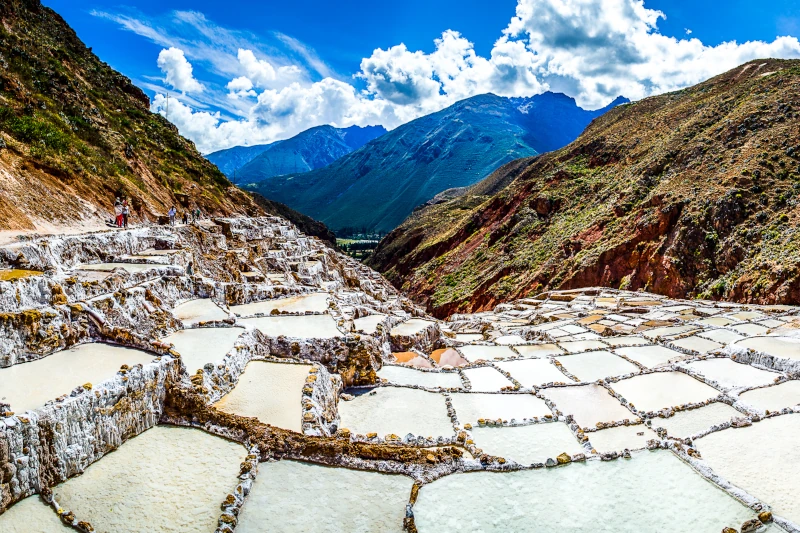
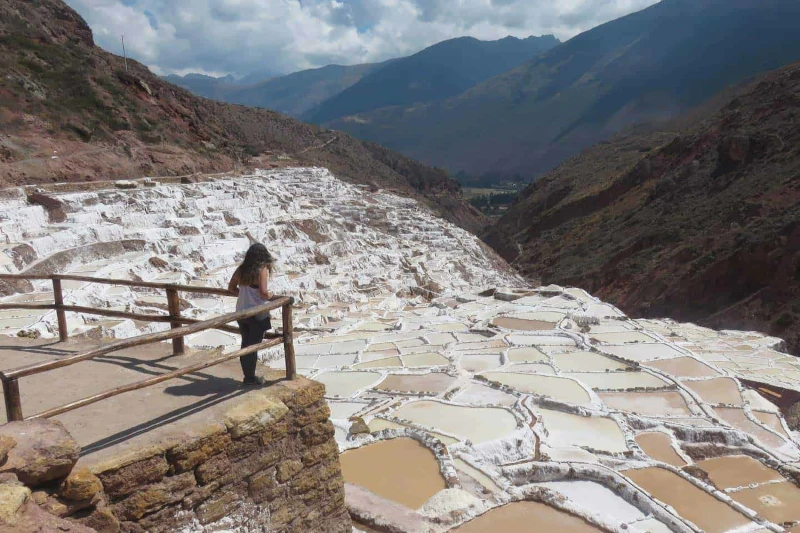
The Maras Salt Ponds are a marvel of ancient engineering. The ponds consist of thousands of small, shallow pools carved into the mountainside. They are fed by a subterranean spring that naturally emerges as a saline stream. As the water evaporates, it leaves behind a crust of pure salt, which has been harvested for centuries.
The methodical layout of the ponds, cascading down the mountainside, is a sight to behold. The process by which the salt is extracted from the earth is a delicate balance of nature’s elements and human ingenuity. Each pond functions as part of a larger network, working in harmony to ensure a steady supply of salt. This ancient technique has been passed down through generations, maintaining its relevance and importance in modern times.
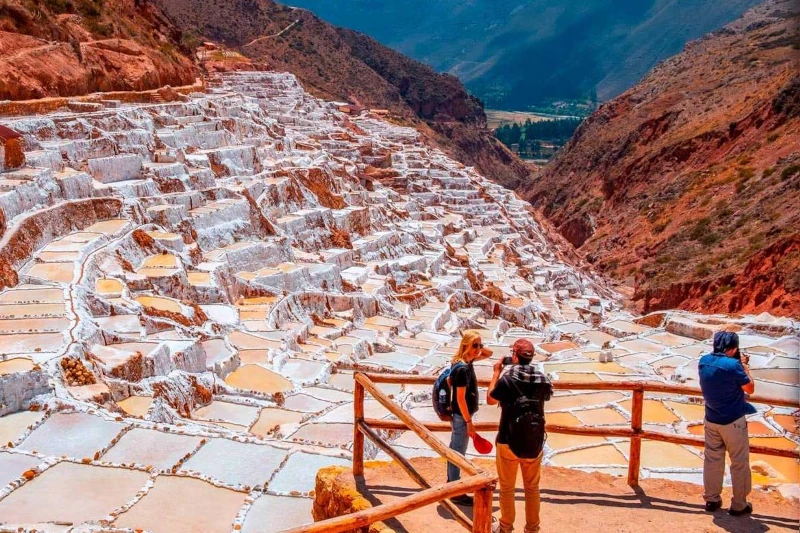
The salt pans date back to at least the time of the Incas, and some evidence suggests they may have been used even earlier. This long history showcases the continuity of Andean culture and the importance of salt in trade and daily life. The Maras Salt Ponds are a living testament to the skill and knowledge of the Andean people, who have managed this complex system for generations.
The significance of salt in ancient Andean societies cannot be overstated. It was not only a vital preservative but also a valuable trading commodity. The salt from Maras was exchanged for goods and services, making it an essential part of the local economy. Understanding the historical context of the Maras Salt Ponds offers insight into the social and economic dynamics of the region throughout history.
Salt harvesting at Maras is a communal activity, with many local families owning individual ponds. The process begins when saline water is directed into the ponds. As the sun evaporates the water, salt crystals form on the surface. Workers then carefully scrape the salt and transport it for cleaning and packaging. This traditional method yields several grades of salt, including a prized pink salt that is highly valued for its mineral content.
The communal nature of salt harvesting at Maras is a reflection of the tightly-knit social fabric of Andean communities. Each family takes pride in their individual ponds, yet they work together to ensure the success of the entire operation. This cooperative system not only sustains the local economy but also preserves the cultural heritage of salt production. The pink salt, rich in minerals, has gained international recognition, adding a modern twist to this ancient practice.
When planning a visit to the Maras Salt Ponds, it is essential to consider the best time to travel, how to get there, and what to expect during your tour.
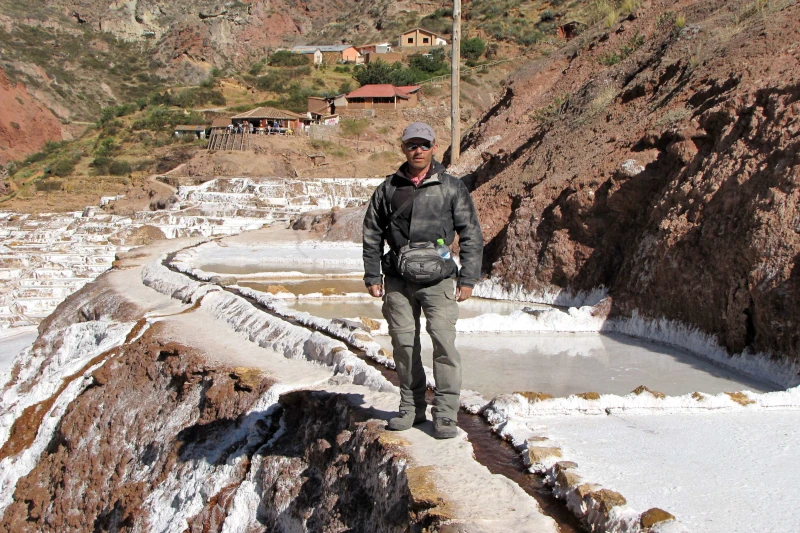
The best time to visit the Maras Salineras is during the dry season, from April to October. During this period, the weather is mild, and the evaporation process is most active, allowing for a more vibrant display of salt pools. The dry season also offers clearer skies, perfect for photography.
Visiting during the dry season ensures a more comfortable experience, as the lack of rain makes the paths around the ponds easier to navigate. The vibrant hues of the salt pools against the backdrop of the rugged Andean landscape create stunning photographic opportunities. Additionally, the dry season coincides with various local festivals, providing a chance to immerse yourself in the cultural vibrancy of the region.
The Maras Salt Ponds are located about 40 kilometers (25 miles) from Cusco. Most tours to the salt ponds depart from the city, often combining visits to nearby attractions like Moray and Chincheros.
For those seeking a more adventurous route, hiking or biking tours are also available, offering a closer connection to the breathtaking landscape of the Sacred Valley. Opting for these alternative modes of transport provides a unique perspective and the opportunity to explore hidden gems along the way. Regardless of how you choose to travel, the journey itself is an integral part of the Maras Salt Ponds experience.
A visit to the Maras Salt Ponds is a sensory experience. The dazzling white salt pans contrast with the surrounding mountains, creating a surreal landscape. As you walk among the ponds, you’ll witness the traditional salt harvesting process and have the opportunity to purchase locally produced salt products.
Engaging with the local community is a highlight of the visit, as artisans and salt workers often share their stories and expertise with visitors. Tasting the distinct flavors of different salt varieties adds a culinary dimension to the experience. The environment is peaceful and meditative, encouraging visitors to slow down and appreciate the intricate beauty of the salt ponds and their surroundings.
The Sacred Valley of the Incas is rich in cultural and historical sites. Combining a visit to the Maras Salt Ponds with nearby attractions provides a comprehensive understanding of the region.
Moray is an archaeological site located just a short drive from Maras. It features a series of concentric terraces that the Incas used as an agricultural laboratory. The unique microclimates created by these terraces allowed for the cultivation of various crops. Moray is an excellent complement to the Maras Salt Ponds, showcasing the agricultural ingenuity of the Incas.
The innovative design of Moray’s terraces reveals the Incas’ advanced understanding of agriculture and climate. These structures were likely used to experiment with different crop varieties, optimizing agricultural practices for the varied Andean environment. Visiting Moray offers a fascinating glimpse into the scientific prowess of the heart of inca Civilization and their ability to adapt to and thrive in challenging conditions.
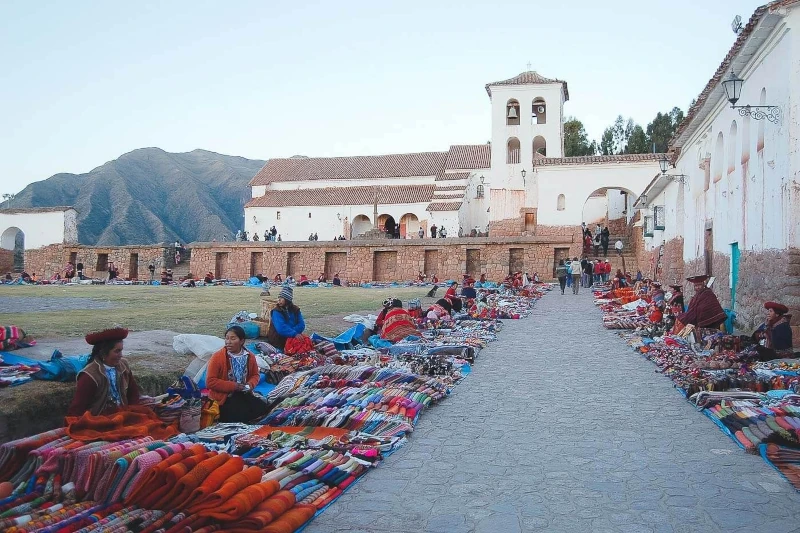
Chinchero, known as the “Birthplace of the Rainbow,” is a charming village with vibrant markets and stunning views of the Andes. The town is famous for its traditional weaving techniques, passed down through generations. A visit to Chincheros offers insight into Andean textile arts and provides a chance to purchase authentic handmade goods.
Exploring Chincheros allows visitors to witness the intricate process of textile production, from spinning and dyeing to weaving. The vibrant colors and patterns of the textiles reflect the rich cultural heritage of the Andes. Engaging with local weavers provides a deeper appreciation for their craftsmanship and dedication to preserving these ancient traditions. The village’s lively market is a sensory delight, offering a wide array of handcrafted goods and local produce.
To make the most of your Maras Salt Ponds tour, consider the following tips:
Consider hiring a local guide to enrich your understanding of the site’s history and the salt-harvesting process. Guides can offer unique insights and personal stories that enhance your experience. Additionally, supporting local businesses by purchasing souvenirs or dining in nearby restaurants contributes to the community’s economy and sustainability.
A visit to the Maras Salt Ponds is a journey into the heart of Andean history and culture. This remarkable site offers a glimpse into the past and the enduring traditions of the Andean people. By exploring the Maras Salt Ponds and the surrounding attractions, travelers can deepen their appreciation for the rich tapestry of Andean civilizations.
Incorporating these travel tips and insights into your itinerary will ensure a memorable experience that resonates long after you leave the Inca Valley. As you explore this extraordinary region, you’ll discover the profound connections between the land, its people, and their enduring cultural heritage. The Maras Salt Ponds, with their timeless beauty and historical significance, are a testament to the resilience and creativity of ancient Andean societies, inviting you to embark on a journey of discovery and reflection.

