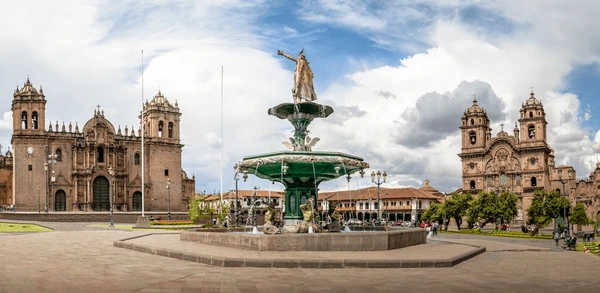

Qeswachaka Inca Bridge Full Day Tour from Cusco
Cusco Full Day
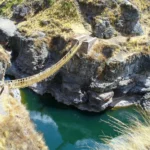
Qeswachaka Inca Rope Bridge Tourist
Qeswachaka Inca Rope Bridge
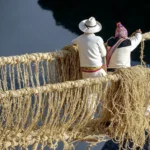
Qeswachaka Rope Bridge Traditional Dress
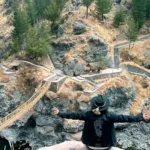
Queswachaka Inca Rope Bridge Overlook
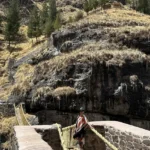
Queswachaka Inca Rope Bridge Woman
1 / 5
  • Availability Daily departures
  • Transport Hotel pickup
  • Languages Spanish, English
  • Service type Not specified
  • Cancellation policy Not specified
  • Maximum altitude ~3,900 m (12,800 ft) m.s.n.m.

About this activity

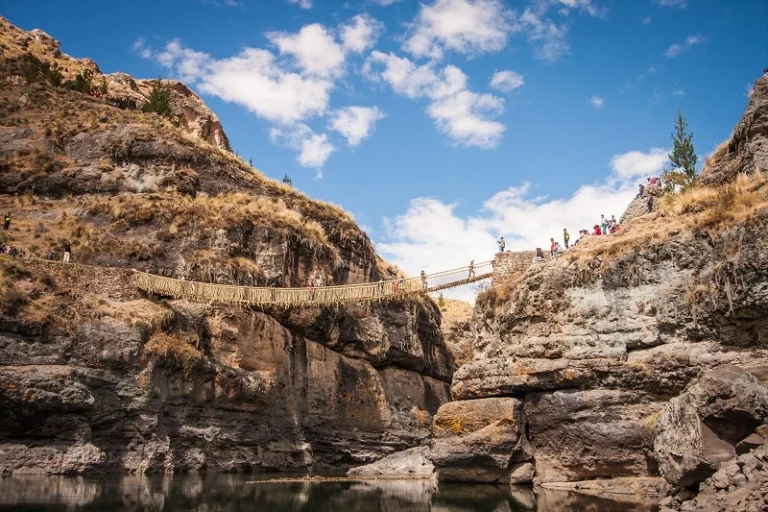
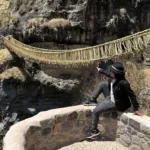
The Qeswachaka hanging bridge (also spelled Q’eswachaka) is the last Inca bridge made of plant fiber still standing and in use anywhere in Peru. Strung across the deep canyon of the Apurímac River, near the community of Huinchiri in the Canas province (Cusco), this roughly 28-meter-long bridge is a living example of Inca engineering that, unlike other stone ruins, stays “alive” thanks to a community tradition: every year, families from nearby communities gather to braid new ichu-grass ropes and completely renew the structure, a ritual recognized by UNESCO as Intangible Cultural Heritage of Humanity.

This full-day tour takes you to see the bridge and its surroundings at any time of year (not only during June’s renewal ceremony), passing through high-Andean villages, natural viewpoints, and lakes in the Canas province. It’s a great choice for travelers seeking living history, authentic Inca tradition, and Cusco puna scenery far from the conventional tourist circuit.

Itinerary

01
Day 01

Cusco – Cusipata – Qeswachaka – Cusco

Pickup from your hotel or hostel in Cusco will take place between 4:30 and 5:00 am, followed by departure in tourist transport toward Qeswachaka. Between 6:30 and 7:00 am, we will stop in Cusipata for breakfast before continuing the journey.

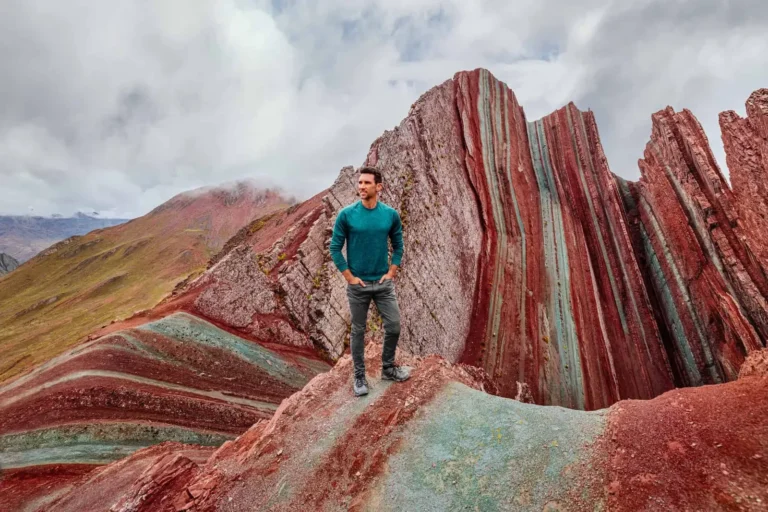
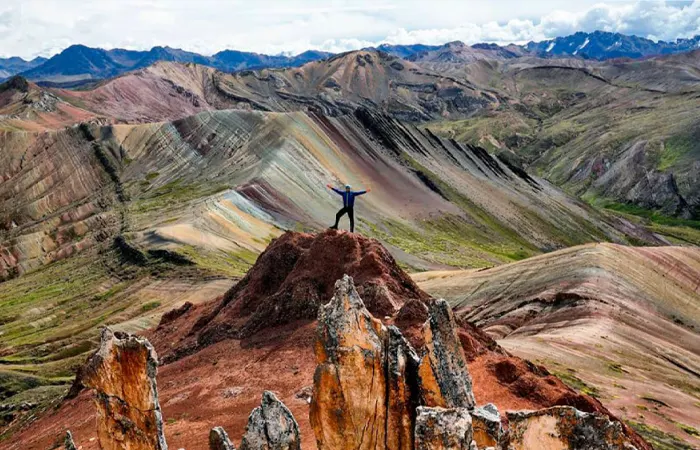
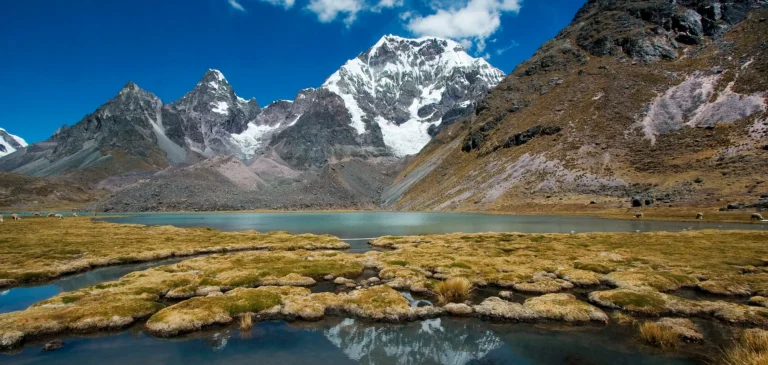
From 7:00 to 9:00 am, the drive continues with several photo stops, including the Combapata viewpoint and the so-called Mini Volcano of Pabellones. Between 9:00 and 10:00 am, we will pass through Yanaoca and enjoy views of high-Andean lakes in the surrounding area, depending on the route planned for the day.

Between 10:00 am and 12:00 pm, we will arrive at Qeswachaka, where you will have time to explore the bridge, cross it if conditions permit, and learn about its history with your guide.

From 12:00 to 1:00 pm, lunch will be served, with vegetarian options available. Finally, between 1:00 and 4:00 pm, we will begin the return journey to Cusco, concluding this cultural and scenic experience.

What's included

Inclusions

  • Included
    • Hotel or hostel pickup and drop-off in Cusco
    • Round-trip tourist transportation
    • Professional bilingual guide (Spanish/English)
    • Breakfast and lunch, with vegetarian options
    • First-aid kit and emergency oxygen tank

What's Not Included

  • Not included
    • Entrance fee to the Qeswachaka bridge (amount to be confirmed depending on season)
    • Access to the Mini Volcano of Pabellones, if offered as an optional activity
    • Boat ride through the Apurímac canyon, if offered as an optional activity
    • Travel insurance
    • Alcoholic beverages and tips

Recommendations

  • Pack warm layers: although the altitude is lower here than on other Canas-area tours, mornings are still cold.
  • The bridge's altitude (~3,600 m / 11,800 ft) is more moderate than other tours in the area, but we still recommend a minimum of 1–2 days of acclimatization in Cusco.
  • Use sunscreen, UV-protective sunglasses, and a hat, given the intense sun exposure in the Andean region.
  • Bring water and snacks, as the town of Huinchiri has very limited services.
  • If you're traveling in June hoping to see the bridge renewal ceremony, check the exact date ahead of time, as it varies each year and tends to draw large numbers of visitors and local communities.
  • Wear comfortable shoes, as the terrain around the bridge and the canyon is uneven.

Frequently Asked Questions

Can you visit the bridge any time of year, or only during the June renewal?

The bridge can be visited year-round, since it remains standing once rebuilt. The renewal ceremony, which usually takes place in June, is a special event where local communities weave a new structure following Inca tradition, but outside those dates the bridge remains an active, accessible tourist attraction.

How difficult is this tour?

It's a moderate-difficulty tour, designed mainly as a cultural and historical experience rather than a physical one. There's no long or demanding hike involved; the main challenge is simply the length of the day's road travel.

Is there a risk of altitude sickness?

The risk is lower than on other tours in the Canas/Canchis area, since the bridge sits at a more moderate altitude (~3,600 m / 11,800 ft), similar to Cusco city itself. Even so, we recommend basic acclimatization before any high-altitude excursion.

What is the best time of year to visit Qeswachaka?

If your goal is to witness the bridge renewal ceremony, June is the month to visit (the exact date varies each year). If you simply want to see and learn about the bridge, the dry season (April–October) generally offers better weather for the road trip.

How remote is this destination?

It's a rural destination within the Canas province, with small communities and limited services along the way. While it's not as extreme in altitude or isolation as other circuits in the region, it remains an area rarely visited by conventional tourism, which allows for a much more authentic cultural experience.

Can’t find the answer to your question?

Get in touch with the experts at Go Xplore Peru for your inquiry.

Ask a question

Traveler reviews

Travel Blog

Inspiration for your next trip
View all

From

$45 USD

Book now

Official endorsement

Associations & Certifications

We operate under the regulations and standards of Peru's leading tourism entities.

MINCETUR DIRCETUR GERCETUR ESSNA Marca Perú SUNAT Authorized Operator TripAdvisor GetYourGuide Viator WeTravel Y tú qué planes Peru Rail