

Lares Trek 4 Days 3 Nights: Andean Communities, Hot Springs and Machu Picchu
Cusco 4 Days / 3 Nights
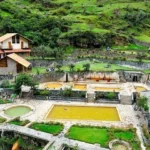
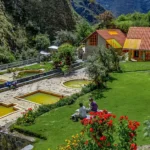
Lares Hot Springs Pools Aerial
Lares Hot Springs Complex
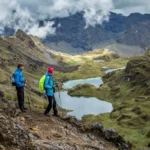
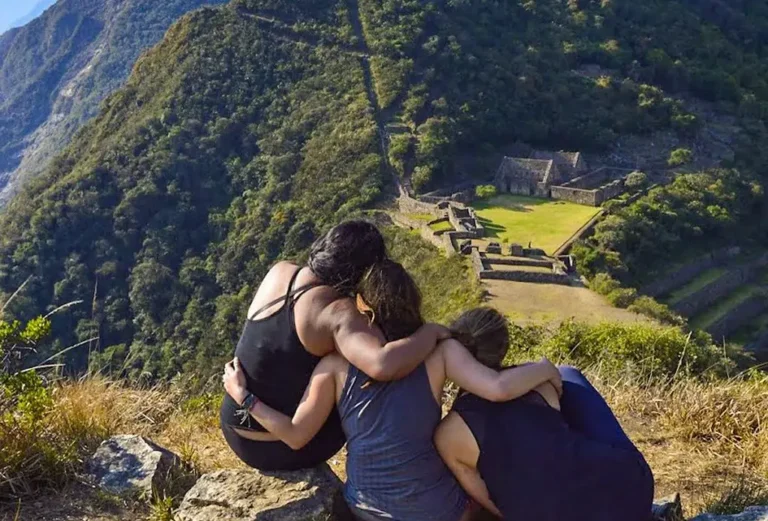
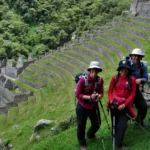
Lares Trek Hikers Lagoon Valley
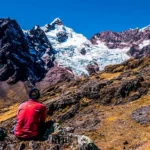
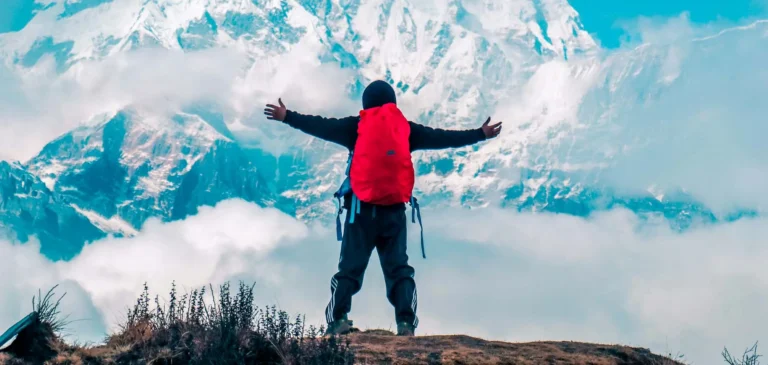
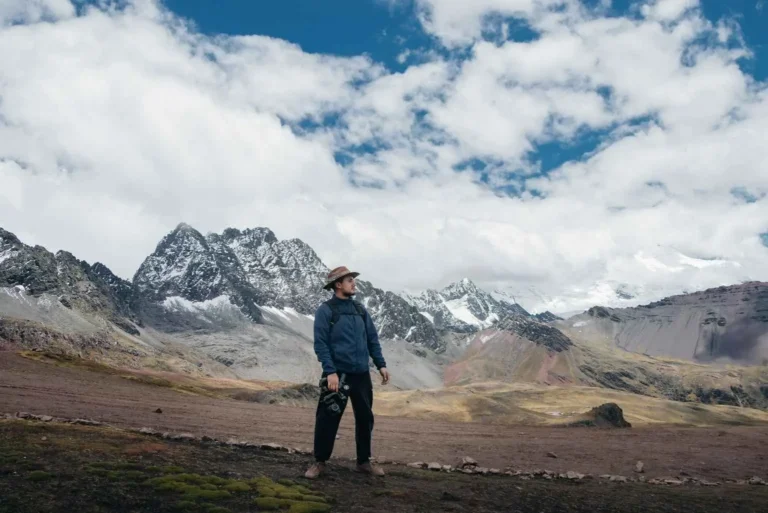
Lares Trek Snow Peaks Hiker
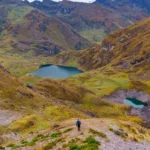
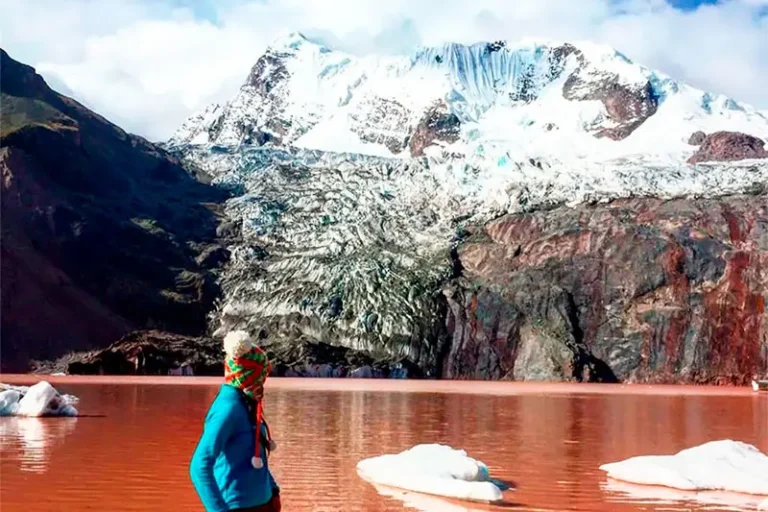
Lares Trek Hiker Mountain Lakes View
1 / 5
  • Availability Daily departures
  • Transport Hotel pickup
  • Languages Español, Inglés
  • Service type Not specified
  • Cancellation policy Not specified
  • Maximum altitude 4,200–4,735 m (13,780–15,540 ft) – Cóndor Pass m.s.n.m.

About this activity

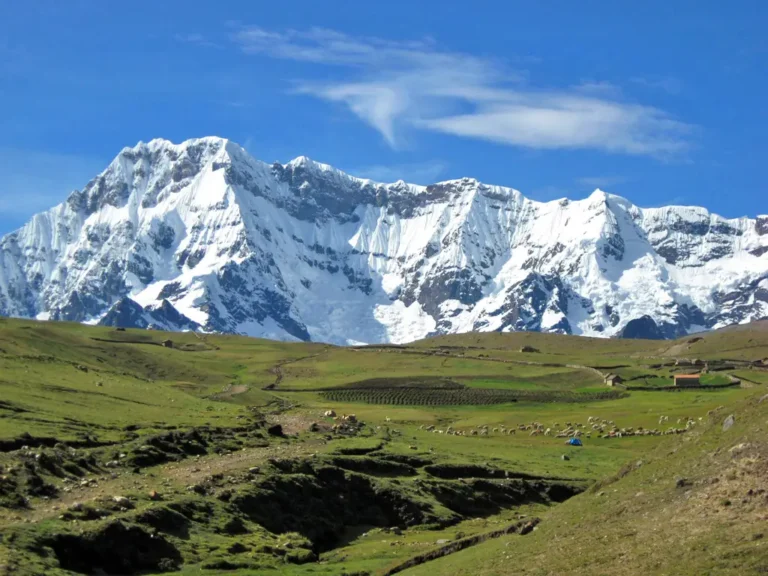
The Lares Trek is the perfect alternative for travelers who want an authentic Andean trekking experience without following the busiest route of the classic Inca Trail. Over 4 days and 3 nights, this hike winds through the Lares valley, home to Quechua communities that keep the tradition of Andean weaving alive, hand-crafting textiles using ancestral techniques.

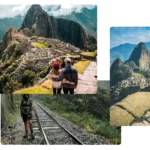
The route, roughly 42 kilometers in total, combines mountain scenery, alpine lakes, a mountain pass above 4,000 meters, and a well-earned soak in the Lares hot springs, before connecting by train to Aguas Calientes to finish with a visit to Machu Picchu.

Short on time? Check out our 3-day Lares hike as well.

Itinerary

01
Day 01

Cusco – Lares – Kiswarani

The first day begins at approximately 6:00 AM, with departure from Cusco by private vehicle toward the town of Lares. Along the way, there is a stop at the Lares hot springs, where travelers can enjoy a relaxing soak before starting the trek.

After visiting the hot springs, the hike begins toward the community of Kiswarani. The trail covers approximately 4 km and takes around 3 hours, with an elevation gain of roughly 385 meters.

The day ends at the Kiswarani campsite, located at approximately 3,930 meters / 12,895 feet above sea level. The group settles in for the night, with the day's activities usually finishing around 5:00 PM.

02
Day 02

Kiswarani – Cóndor Pass – Cancha Cancha

The second day starts at approximately 6:30 AM and is considered the most demanding stage of the trek. Travelers cover around 16 km over approximately 7 to 8 hours of hiking through high-altitude Andean landscapes.

The route climbs toward Cóndor Pass, the highest point of the trek. Depending on the exact section of the route, the altitude ranges from approximately 4,200 to 4,735 meters / 13,780 to 15,540 feet.

From the pass, travelers can enjoy views of alpine lakes, surrounding mountains and Andean wildlife. The trail then descends toward the Cancha Cancha campsite, located at approximately 3,742 meters / 12,280 feet. The day usually ends around 4:30 PM.

03
Day 03

Cancha Cancha – Ollantaytambo – Aguas Calientes

The third day begins at approximately 7:00 AM with a descent from Cancha Cancha toward lower elevations. The hike covers approximately 10 km and takes around 4 hours.

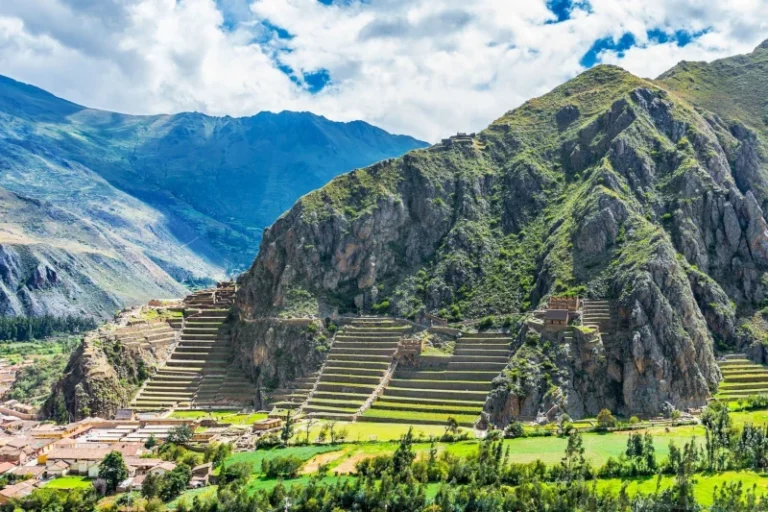
As the trail descends, the landscape gradually changes and becomes greener, with more vegetation and lower-altitude scenery. At the end of the hike, travelers take a vehicle transfer of approximately 20 minutes to Ollantaytambo.

From Ollantaytambo, the journey continues by train to Aguas Calientes, also known as Machu Picchu Pueblo. After arrival, travelers check into their hotel for an overnight stay and prepare for the visit to Machu Picchu the following day. The day generally ends around 8:00 PM.

04
Day 04

Machu Picchu – Cusco

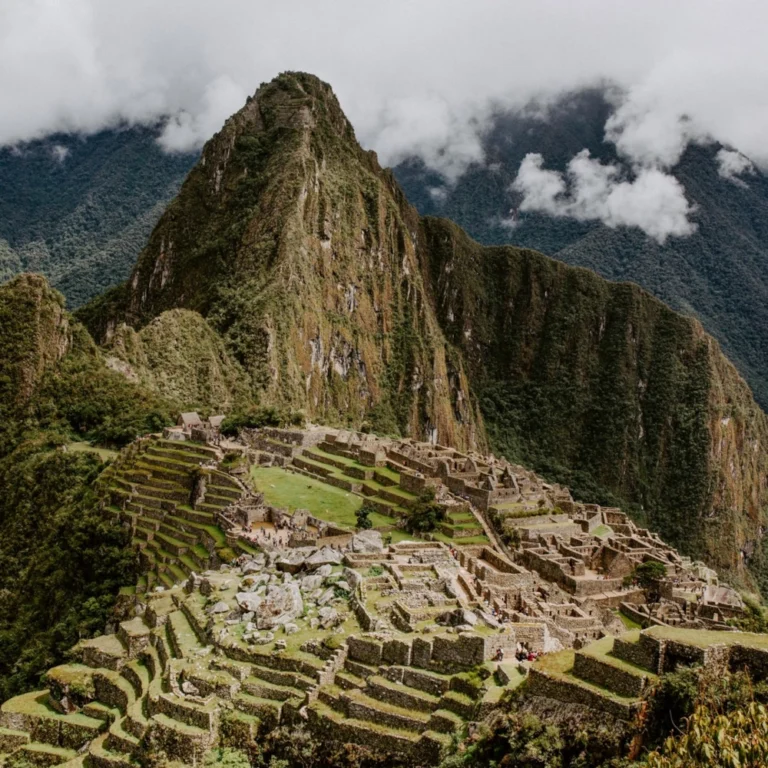
The final day begins at approximately 5:30 AM with a bus ride from Aguas Calientes to the entrance of Machu Picchu.

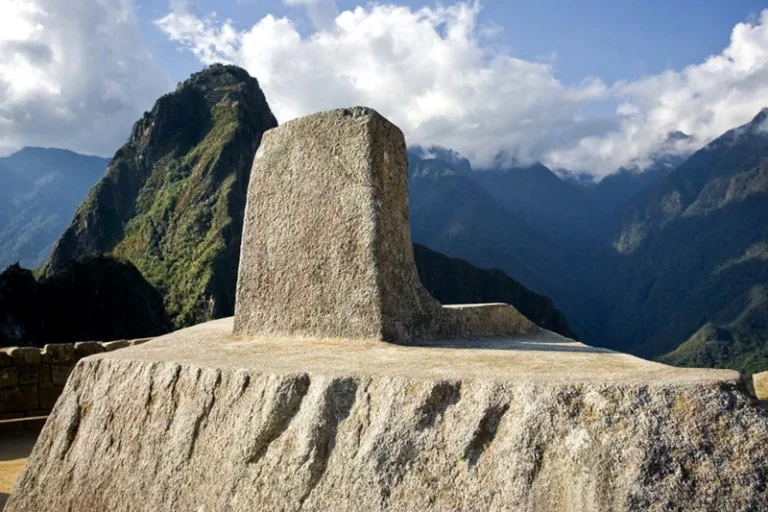
Inside the archaeological site, travelers enjoy a guided tour of approximately 2 hours with a private guide. During the visit, they explore the main areas included in the assigned circuit while learning about the history, architecture and cultural significance of Machu Picchu.

After the guided visit, there is additional time to explore according to the conditions of the entrance ticket and selected circuit. Travelers then return to Aguas Calientes to board the train back to Ollantaytambo.

Upon arrival in Ollantaytambo, a private vehicle provides the final transfer back to Cusco, where the 4-day itinerary concludes at approximately 8:00 PM.

What's included

Inclusions

  • Included
    • Round-trip ground transportation from your hotel in Cusco
    • Professional Spanish-speaking guide throughout the trek
    • Personal gear transport (up to 7 kg) via pack animals
    • High-quality camping equipment (tents, dining tent, kitchen gear)
    • Professional chef and full meal service (breakfasts, lunches, dinners, and snacks as per itinerary)
    • Portable eco-toilet and hot water at camp
    • Hotel accommodation in Aguas Calientes (night 3)
    • Train ticket and Machu Picchu entrance fee

What's Not Included

  • Not included
    • Lunch on the last day in Aguas Calientes
    • Trekking pole rental
    • Sleeping bag rental
    • Tips for the guide, cook, and horsemen
    • Alcoholic beverages and personal expenses

Recommendations

  • Moderate difficulty: the main challenge is altitude rather than technical terrain, especially on day 2 when crossing the highest pass.
  • We recommend arriving in Cusco at least 2 days ahead of time to acclimatize before starting the trek.
  • Pack warm layers: temperatures can drop sharply at night, especially near Cóndor Pass.
  • Essentials: sunscreen, a hat, sunglasses, insect repellent, and enough water or water purification tablets.
  • Wear broken-in trekking shoes; avoid wearing brand-new boots for this trek.
  • Bring cash in Peruvian soles for tips, purchases in the communities, and personal expenses.
  • Check with a doctor beforehand if you have a history of altitude sickness or cardiorespiratory conditions.

Frequently Asked Questions

What's the difference between the Lares Trek and the classic Inca Trail?

The Lares Trek passes through Quechua communities dedicated to traditional weaving and offers a more authentic cultural experience with far fewer travelers on the trail. Unlike the Inca Trail, it doesn't end by walking directly into Machu Picchu through the Sun Gate — instead, it connects by train from Ollantaytambo.

How difficult is this trek?

It's a moderate-difficulty trek. The main challenge is altitude, particularly when crossing Cóndor Pass on day 2, rather than technically demanding terrain.

Can we visit the Lares hot springs?

Yes, day 1 of the trek includes a stop at the Lares hot springs, a great way to relax before the hiking begins.

Does the price include the Machu Picchu entrance and the train?

Yes, the 4-day package includes the train ticket from Ollantaytambo to Aguas Calientes and the entrance fee to the Machu Picchu citadel.

What's the best time of year to do the Lares Trek?

The dry season, from April to October, offers the best conditions for trekking. Outside those months, rain can make certain sections of the trail more challenging.

Can’t find the answer to your question?

Get in touch with the experts at Go Xplore Peru for your inquiry.

Ask a question

Traveler reviews

Travel Blog

Inspiration for your next trip
View all

Official endorsement

Associations & Certifications

We operate under the regulations and standards of Peru's leading tourism entities.

MINCETUR DIRCETUR GERCETUR ESSNA Marca Perú SUNAT Authorized Operator TripAdvisor GetYourGuide Viator WeTravel Y tú qué planes Peru Rail