
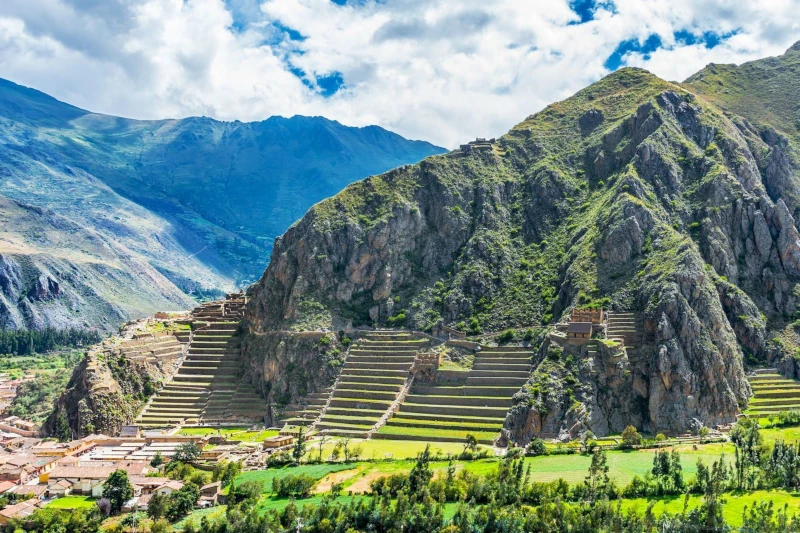
Ollantaytambo, often referred to simply as Ollanta, is a town steeped in history. Situated at an altitude of about 2,792 meters (9,160 feet) above sea level, it was once a strategic military, agricultural, and religious center of the Inca Empire. Its strategic location made it a vital link between the highlands and the jungle, allowing the Incas to control and manage their extensive empire effectively. The town served as a royal estate for Emperor Pachacuti, who is credited with its construction. Under his reign, Ollantaytambo became a hub of culture and power, a place where the Emperor could enjoy the fruits of his conquests while overseeing his realm.
The Incas, renowned for their advanced engineering and architectural skills, left an indelible mark on Ollantaytambo. Their influence is visible in the town’s unique layout, featuring narrow cobblestone streets and terraced fields, which is a testament to their ingenuity. These terraces not only served agricultural purposes but also demonstrated the Incas’ ability to harmonize with nature, creating a sustainable environment that supported their population. The archaeological site at Ollantaytambo is one of the few places where the Incas successfully repelled Spanish forces, making it a symbol of resistance and resilience. The victory here is a poignant reminder of the Incas’ strategic brilliance and their determination to preserve their culture and autonomy in the face of foreign invasion.
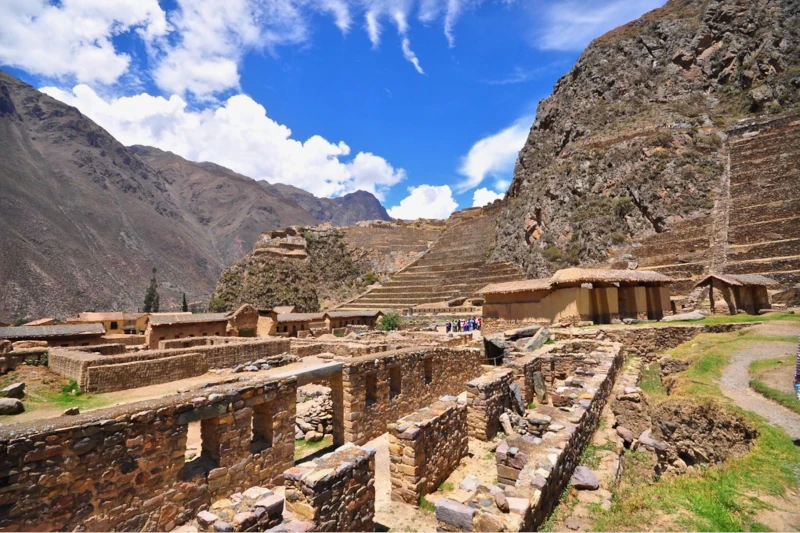
The Ollantaytambo ruins offer a glimpse into the past with their impressive stonework and terraces. The Temple Hill, also known as the Fortress, is a remarkable structure composed of massive stone blocks, some weighing over 50 tons. These blocks, transported from quarries miles away, were expertly carved and fitted together without the use of mortar, a feat that continues to puzzle modern engineers. The precision of Inca masonry continues to fascinate archaeologists and visitors alike, as it speaks to a level of craftsmanship and understanding of materials that was unparalleled at the time. Walking among these structures, one can’t help but feel the echoes of a time when the Inca Empire was at its zenith, a civilization advanced in both technology and spirituality.
While Ollantaytambo is a focal point, the Sacred Valley encompasses several other noteworthy sites that are worth exploring. Each location within the valley holds its own unique charm and historical significance, offering a comprehensive glimpse into the world of the Incas.
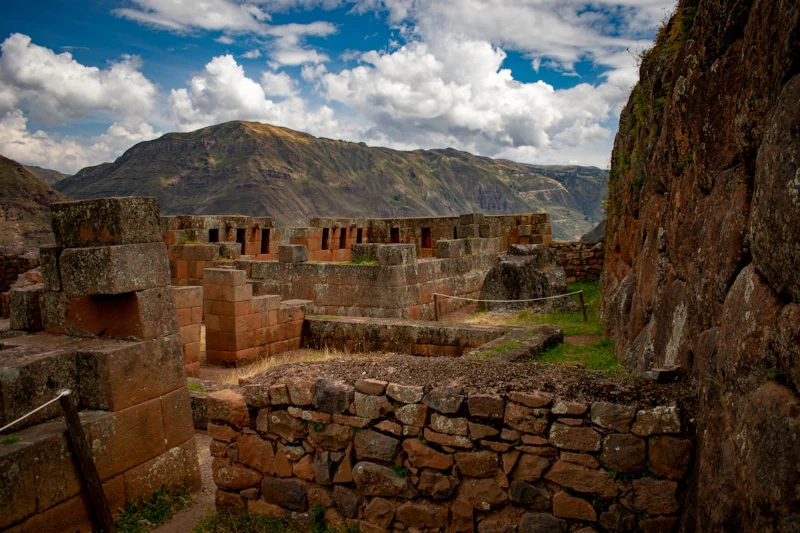
Pisac is renowned for its vibrant market and impressive ruins. The archaeological site is perched on a hillside, offering breathtaking views of the valley. This vantage point was strategically chosen by the Incas to oversee the surrounding lands and ensure their security. Pisac’s terraces are among the most extensive in the region, showcasing the Incas’ agricultural prowess. These terraces are a testament to the advanced farming techniques employed by the Incas, which allowed them to cultivate a variety of crops efficiently. The town’s market is a hub of activity, where you can find handcrafted goods, traditional textiles, and local produce. It is a place where the past and present converge, offering visitors a chance to experience the vibrant culture of the Andes firsthand.
Chinchero, often called the “birthplace of the rainbow,” is a picturesque village known for its traditional weaving techniques and colonial church. The village is a living museum where time seems to stand still, allowing visitors to experience the daily life of the Andean people. The ruins of Chinchero are believed to be the remains of an Inca royal estate, a place where the Emperor and his court could escape the rigors of political life. Visitors can witness weaving demonstrations and learn about the significance of textiles in Andean culture. These textiles, rich in symbolism and technique, tell the story of a people who have maintained their traditions for centuries, adapting and thriving in harmony with their environment.
Moray is an archaeological site that features circular terraces, which are thought to have been an agricultural laboratory for the Incas. These terraces, with their varying microclimates, allowed the Incas to experiment with different crops, enhancing their agricultural knowledge and efficiency. Nearby, the Maras salt ponds are a striking sight. Thousands of salt ponds, fed by a natural spring, have been harvested since pre-Inca times. The contrast of white salt against the red earth creates a unique and captivating landscape, a testament to the ingenuity and resourcefulness of the Andean people. Visiting these sites offers a deeper understanding of how the Incas harnessed natural resources to sustain and expand their empire.
Embarking on a journey to Ollantaytambo and the Sacred Valley requires some preparation to ensure a memorable experience. Proper planning will not only enhance your visit but also ensure that you respect the local customs and environment.
Given the high altitude of the region, it’s important to acclimatize to avoid altitude sickness. Spend a few days in Cusco, which sits at a higher altitude, to adjust before exploring the valley. This gradual adjustment will help your body acclimate, reducing the risk of discomfort. Stay hydrated, eat light meals, and avoid strenuous activities during your initial days. These simple precautions can make a significant difference in your ability to enjoy your trip to its fullest.
The Best time to visit the Sacred Valley is during the dry season, from May to September. During this period, the weather is generally clear and mild, making it perfect for exploring the ruins and enjoying outdoor activities. However, this is also the peak tourist season, so plan and book accommodations in advance. Visiting during the shoulder months of April and October can offer a balance of pleasant weather and fewer crowds, allowing for a more intimate experience.
Public transportation options, like buses and taxis, are available, but for more flexibility, consider hiring a private guide or renting a car. Having a guide can enhance your experience with detailed historical and cultural insights, providing context that enriches your understanding of the sites you visit. Remember to wear comfortable shoes, as exploring the ruins often involves walking on uneven terrain. Being well-prepared will ensure that you can fully appreciate the beauty and history of the region.
Respect for local customs and traditions is paramount. Always ask for permission before taking photographs of people, and be mindful of sacred sites. Engaging with locals and participating in community-led tours can provide a deeper understanding of the culture and support the local economy. These interactions often reveal the warmth and hospitality of the Andean people, creating memories that linger long after the journey ends.
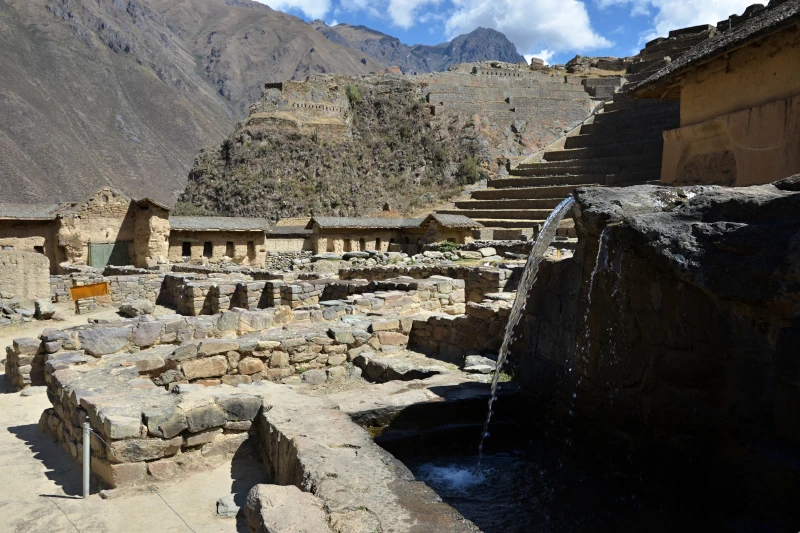
The Sacred Valley, with Ollantaytambo at its core, offers a rich tapestry of history, culture, and natural beauty. From the ingenious engineering of the Inca ruins to the vibrant traditions that persist today, the valley invites you to explore and connect with an ancient civilization that continues to inspire. It is a place where history and modernity coexist, offering insights into a world that values both progress and tradition. With thoughtful preparation and an open mind, your journey through Ollantaytambo and the Sacred Valley will be both enlightening and unforgettable. Whether you’re a travel writer aiming to capture the essence of the Andes or a curious traveler seeking adventure, the secrets of the Sacred Valley await your discovery. This journey promises not only to reveal the mysteries of the past but also to inspire a deeper appreciation for the enduring legacy of the Incas.

