
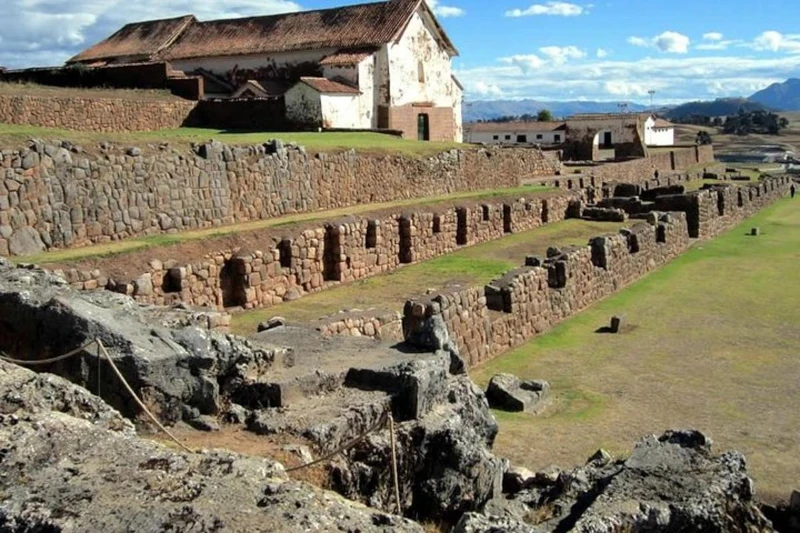
Exploring the Sacred Valley of the Incas offers an unforgettable journey through time, revealing the awe-inspiring achievements of the Inca civilization. Among its many treasures, the Chinchero Inca site stands out as a remarkable testament to the architectural and cultural prowess of the Incas. Situated in Peru, this enchanting village captivates visitors with its stunning views, vibrant textile art, and rich history. In this article, we will delve into the highlights of the Chinchero site, the art of textile weaving, and other top things to see in Cusco.
Chinchero, often referred to as the “Birthplace of the Rainbow,” is a small Andean village located about 30 kilometers from Cusco.
Perched at an altitude of 3,762 meters, it offers breathtaking views of the Sacred Valley and the snow-capped peaks that cradle it. Its strategic position made Chinchero an important agricultural center during the Inca Empire.
The village of Chinchero is more than just a picturesque setting; it is a place steeped in history and geographical importance. Its elevation and location in the Andes provided the Incas with a defensible position and a fertile ground for agriculture. The terrain is characterized by its terraced fields, which were cleverly designed to maximize agricultural output. These terraces are a testament to the Incas’ ingenuity in overcoming the challenges posed by the mountainous landscape.
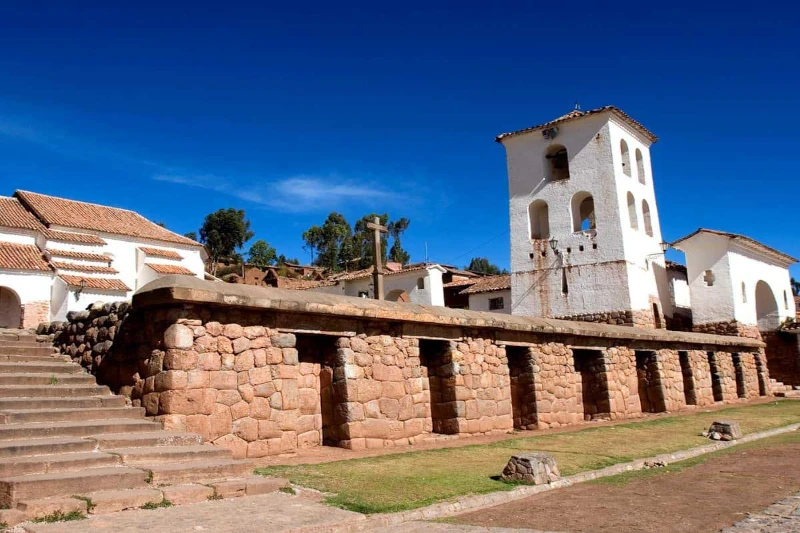
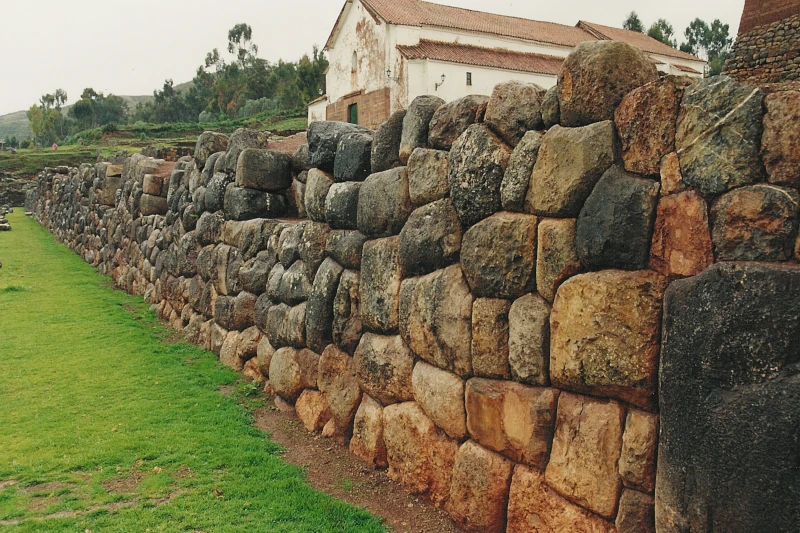
At the heart of Chinchero is the legacy of Tupac Inca Yupanqui, one of the most celebrated emperors of the Inca Civilization. The remains of what is believed to be his palace stand proudly in Chinchero, showcasing the architectural brilliance of the era. The palace, built with finely cut stones fitted together without mortar, illustrates the precision and skill of Inca stonemasonry. These structures not only served as residences but also as administrative centers, reflecting the dual role of Chinchero in governance and agriculture.
Adjacent to the ancient Inca ruins is the colonial church of Chinchero, constructed in the early 17th century. This church exemplifies the cultural fusion that occurred following the Spanish conquest. Built atop the foundations of the Inca palace, it features stunning frescoes that blend Inca and Spanish artistic influences. The church stands as a symbol of the complex history and cultural exchange that shaped the region, offering insights into how two distinct cultures intertwined over time.
The textile art of Chinchero is an integral part of its cultural heritage. The villagers are renowned for their exquisite weaving skills, which have been passed down through generations. Using natural dyes and traditional techniques, the artisans create vibrant textiles that depict the rich symbolism of Inca cosmology.
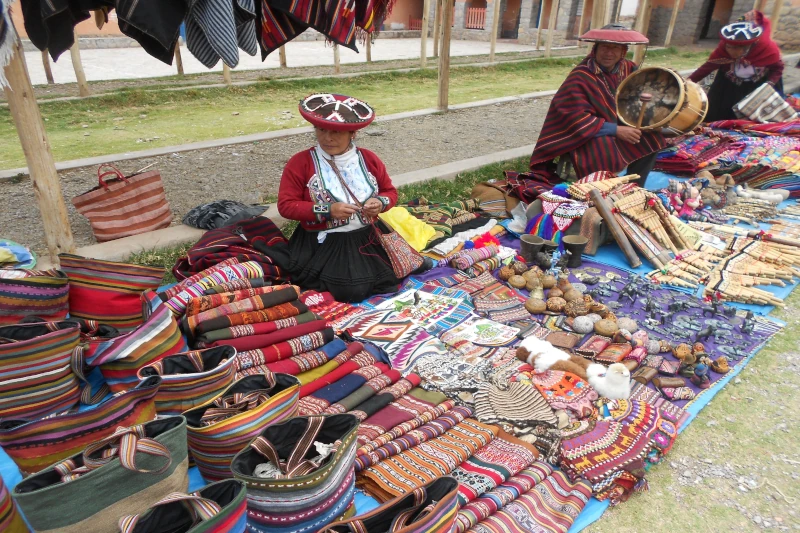
Weaving process in Chinchero is a meticulous art form, beginning with the shearing of sheep or alpacas. The wool is then spun into yarn and dyed using natural ingredients such as cochineal insects for red, plants for green, and minerals for yellow. Moreover the yarn is woven on backstrap looms, resulting in intricate patterns that tell stories of Inca mythology and daily life.
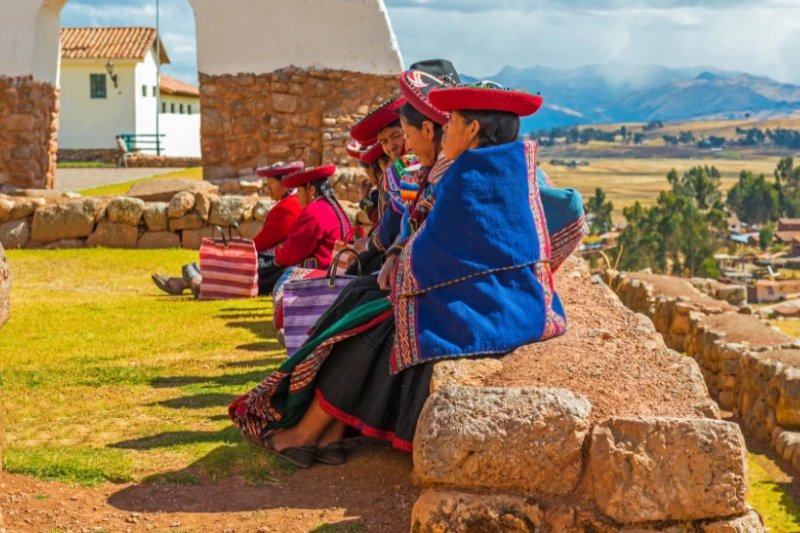
Women in Chinchero play a crucial role in preserving the ancient art of weaving. From a young age, girls are taught the techniques of spinning and weaving by their mothers and grandmothers, ensuring the continuity of this cultural practice. Weaving is not just an economic activity; it is a form of expression and storytelling, with each piece reflecting the weaver’s creativity and connection to her heritage. This tradition empowers women by providing them with a source of income and a voice in their community.
The vibrant colors of Chinchero textiles are derived from natural dyes, sourced from the environment. Each color carries its own symbolic meaning, deeply rooted in Inca cosmology. Red, extracted from cochineal insects, symbolizes life and vitality, while green, obtained from plants, represents fertility and nature. The patterns woven into the textiles often depict animals, plants, and geometric shapes, each with its own significance, telling stories of the Inca world and its beliefs.
Visitors to Chinchero can witness this age-old tradition in action at local weaving cooperatives, where artisans demonstrate their craft and offer their stunning creations for sale. Purchasing these textiles not only supports the local economy but also helps preserve this invaluable cultural tradition. By choosing to buy directly from the artisans, travelers contribute to the sustainability of the community, ensuring that these skills are passed on to future generations.
While Chinchero is a highlight of the Sacred Valley, there are numerous other attractions that beckon exploration.
The salt mines of Maras, located about 40 kilometers from Cusco, are a fascinating site that has been in use since Inca times. Thousands of small salt pools cascade down the mountainside, creating a dazzling display. The salt is harvested using ancient methods, providing a glimpse into the resourcefulness of the Inca civilization.
Maras has been a vital source of salt since Inca times, playing a crucial role in trade and preservation. The Incas cleverly designed the terraces to collect and evaporate saltwater from a subterranean stream, showcasing their advanced understanding of engineering and resource management. This site remains operational today, with local families owning and maintaining individual salt pans, a practice that has been passed down through generations.
Harvesting salt in Maras is a labor-intensive process that relies on traditional techniques. Workers channel saltwater into the pans, allowing the sun to evaporate the water and leave behind crystallized salt. This method is sustainable and environmentally friendly, demonstrating the Inca’s harmonious relationship with nature. Visitors can observe the entire process and even purchase the unique pink-hued salt, which is prized for its mineral content and flavor.
Touring the salt mines of Maras offers a unique glimpse into the past and present of this enduring practice. Visitors can walk along the paths that wind between the pans, witnessing the stunning contrast between the white salt and the surrounding Andean landscape. Guided tours provide insights into the history and cultural significance of Maras, enriching the travel experience with stories of the people who continue to sustain this ancient tradition.
Just a short distance from Maras lies Moray, an archaeological site featuring a series of concentric terraces that resemble an amphitheater. These terraces are believed to have served as an agricultural laboratory for the Incas, allowing them to experiment with different crops and climates. The unique microclimates created by the terraces offer insight into the advanced agricultural techniques of the Inca civilization.
The design of Moray’s terraces creates a series of microclimates, with temperature variations of up to 15°C between the top and bottom. This allowed the Incas to simulate different environmental conditions and study their effects on crops. The knowledge gained from these experiments was invaluable, enabling the Incas to optimize agricultural production across their vast empire, which spanned diverse climatic zones.
Moray was not only an agricultural research center but also held ceremonial significance. The circular design is thought to reflect Inca cosmology, symbolizing the cyclical nature of life and the universe. The site served as a place of learning and worship, where priests and farmers collaborated to enhance agricultural techniques, ensuring food security for the empire.
Exploring Moray offers travelers a fascinating insight into the innovative spirit of the Incas. The site is a testament to their scientific prowess and their ability to adapt to the challenges of their environment. Visitors can walk along the terraces, imagining the bustling activity that once took place, and appreciate the stunning views of the Andes that surround this remarkable laboratory.
Ollantaytambo, situated in the Sacred Valley, is one of the best-preserved Inca towns and serves as a gateway to Machu Picchu. Its narrow cobblestone streets, ancient buildings, and impressive fortress make it a must-visit destination. The fortress, perched high on a hill, offers panoramic views of the valley and provides a glimpse into the strategic military prowess of the Incas.
The town of Ollantaytambo is a marvel of Inca architecture, with its well-planned urban layout and sophisticated water management systems. In effect massive stones used in the construction of the fortress and temples are a testament to the Incas’ engineering skills. The site served as both a military stronghold and a religious center, reflecting the dual purpose of many Inca structures.
Ollantaytambo holds historical significance as the site of a major battle between the Incas and the Spanish conquistadors. In 1536, the Inca resistance, led by Manco Inca Yupanqui, successfully repelled a Spanish attack, using the fortress’s strategic location to their advantage. This victory, although temporary, symbolizes the resilience and determination of the Inca people in the face of foreign invasion.
Today, Ollantaytambo is a vibrant town that retains its Inca heritage while embracing modernity. Visitors can explore its ancient streets, visit the bustling market, and climb the steep terraces of the fortress for breathtaking views. The town is also a starting point for the Inca Trail, offering adventurers a chance to follow in the footsteps of the Incas on their way to Machu Picchu.
The best time to visit Cusco and the Sacred Valley is during the dry season, which runs from May to October. During this period, the weather is mild, and the skies are clear, providing optimal conditions for exploring the ancient sites and enjoying the stunning landscapes.
Understanding the seasonal variations is crucial for planning a trip to the Sacred Valley. The dry season offers the best weather for trekking and sightseeing, but it is also the peak tourist season, which means popular sites can be crowded. Conversely, the wet season, from November to April, sees fewer tourists and lush green landscapes, but heavy rains can disrupt travel plans.
Travelers to the Sacred Valley must be prepared for the high altitude, which can affect even the fittest individuals. Acclimatization is key to avoiding altitude sickness, and it is recommended to spend a few days in Cusco before venturing into the higher altitudes of the valley. Staying hydrated, avoiding alcohol, and taking it easy during the first few days can help mitigate the effects of altitude.
Visiting during one of the Sacred Valley’s many cultural events can add a unique dimension to your trip. Festivals such as Inti Raymi in June celebrate the winter solstice and the Sun God, offering a vibrant display of traditional dances, music, and rituals. These events provide a deeper understanding of the region’s cultural heritage and offer a chance to witness the living traditions of the Andean people.
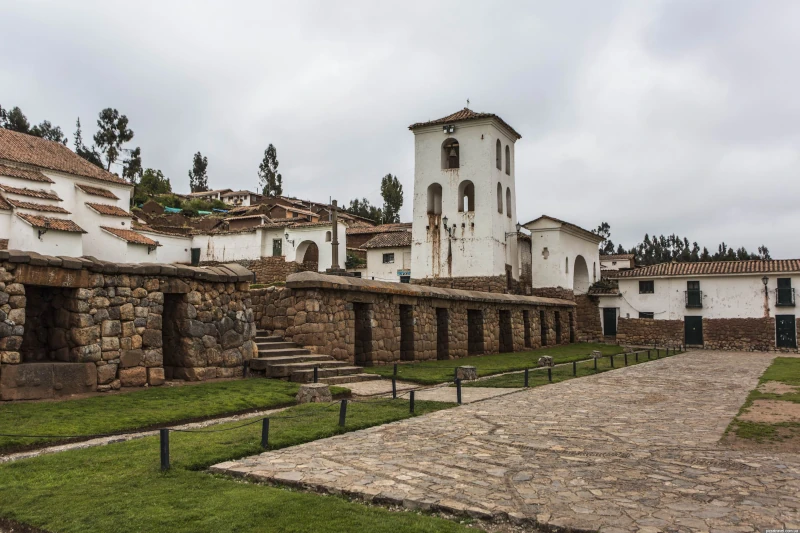
A visit to the Sacred Valley is incomplete without exploring the vibrant local markets, where a kaleidoscope of colors, sounds, and aromas awaits. Markets such as the one in Chinchero offer a unique opportunity to interact with local artisans and purchase traditional crafts, textiles, and fresh produce. Supporting these markets not only enriches your travel experience but also contributes to the sustainability of local communities.
Markets in the Sacred Valley are more than just places to buy goods; they are social hubs where communities gather to exchange news, celebrate, and maintain cultural ties. They offer a glimpse into the daily lives of the local people, providing insight into their customs and traditions. By participating in this vibrant atmosphere, visitors can gain a deeper appreciation for the region’s cultural diversity.
Supporting local markets is an essential aspect of an ethical and sustainable tour packages. By purchasing directly from artisans and farmers, travelers help sustain local economies and preserve traditional crafts. This approach ensures that tourism benefits the community as a whole, rather than just a few individuals or corporations. Being mindful of where and how you spend your money can have a lasting positive impact on the region.
Many markets and communities in the Sacred Valley offer immersive experiences and workshops for visitors. These activities provide hands-on learning opportunities, from pottery and weaving to cooking traditional dishes. Participating in these workshops not only supports local artisans but also allows travelers to gain a deeper understanding of the skills and knowledge that have been passed down through generations.
The Chinchero Inca site and the Sacred Valley are a testament to the ingenuity and cultural richness of the Inca civilization. From the architectural marvels of Chinchero to the vibrant textile art and the awe-inspiring landscapes of the Sacred Valley tour, this region offers a captivating journey through time and culture. By exploring these treasures and supporting local communities, visitors can forge a deeper connection with the heritage of the Andes and contribute to the preservation of this remarkable legacy.
In conclusion, whether you are a travel enthusiast, a cultural aficionado, or a history buff, the Sacred Valley of the Incas promises an enriching experience that will leave a lasting impression. The blend of history, culture, and natural beauty creates a unique tapestry that invites exploration and understanding, ensuring that every visit is a journey of discovery and connection.

