
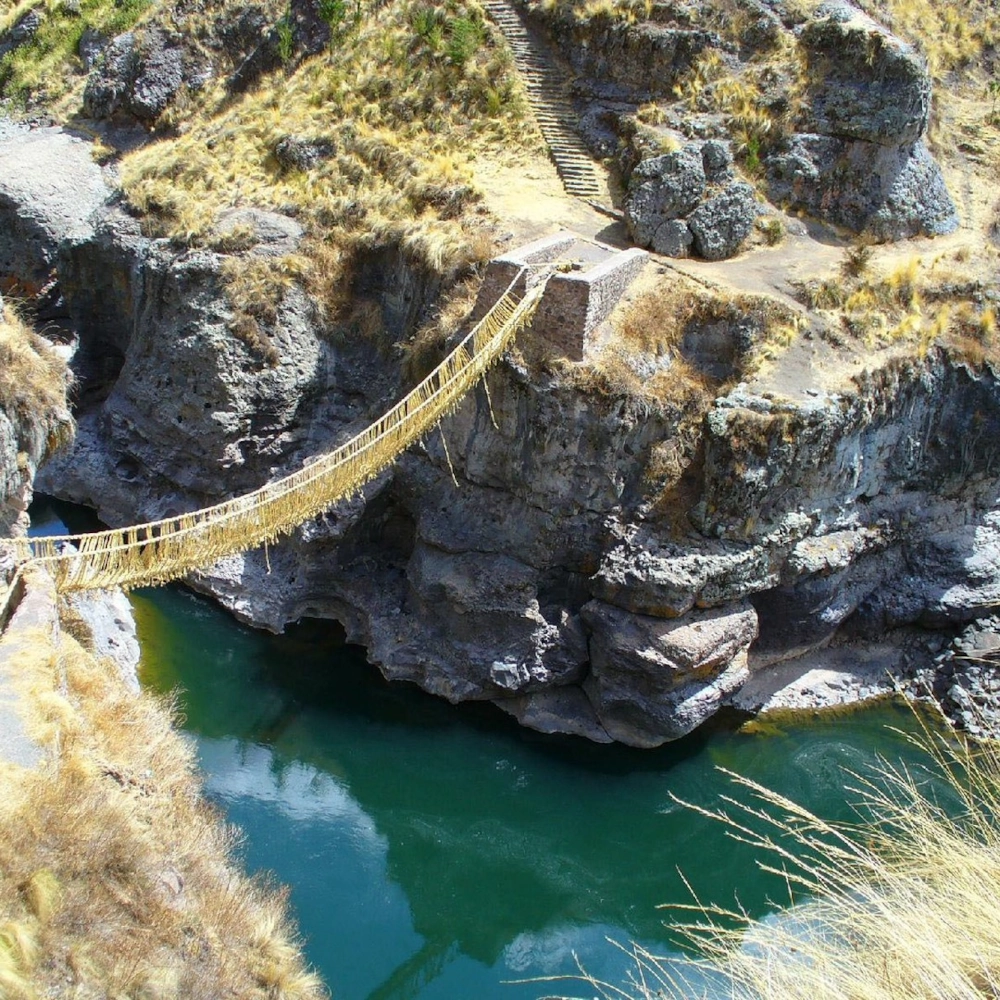
Nestled deep within the Sacred Valley, the Qeswachaka Bridge is a testament to the engineering prowess and cultural depth of the Inca Empire. This bridge, woven entirely from natural fibers, has been in continuous use for over 500 years. Its existence is not merely a feat of engineering but a living narrative of the cultural and historical richness of the Andean people. It stands not only as a functional piece of infrastructure but also as a symbol of the rich traditions that have defined Peruvian culture for centuries. For those exploring the top things to do in Cusco, a visit to this bridge offers a unique glimpse into the enduring legacy of the Inca trail and its cultural significance. Visitors to the bridge are not just crossing a river; they are traversing a bridge that has witnessed the passage of time and the evolution of a civilization.
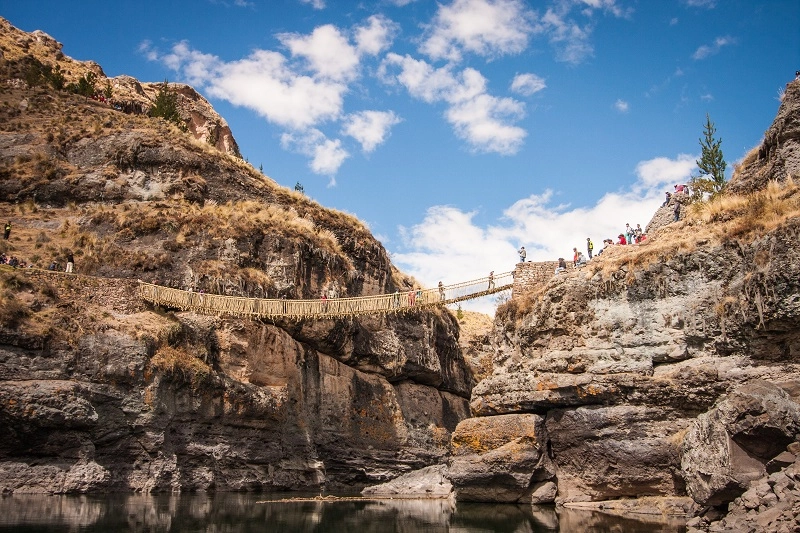
The Qeswachaka Bridge is one of the last remaining examples of Inca suspension bridge technology. Built by the indigenous people of the Inca Valley, it showcases the ingenuity and resourcefulness of the Inca civilization. Its construction is a vivid reminder of a time when natural resources were used not only sustainably but also ingeniously to solve complex engineering challenges. The bridge’s continuous maintenance and reconstruction highlight the community’s commitment to preserving their cultural heritage. This dedication is a testament to the strength of the community’s identity and their desire to maintain a tangible link to their ancestors. The process of rebuilding the bridge serves as a practical lesson in unity and resilience, illustrating how traditional practices can thrive in a modern world.
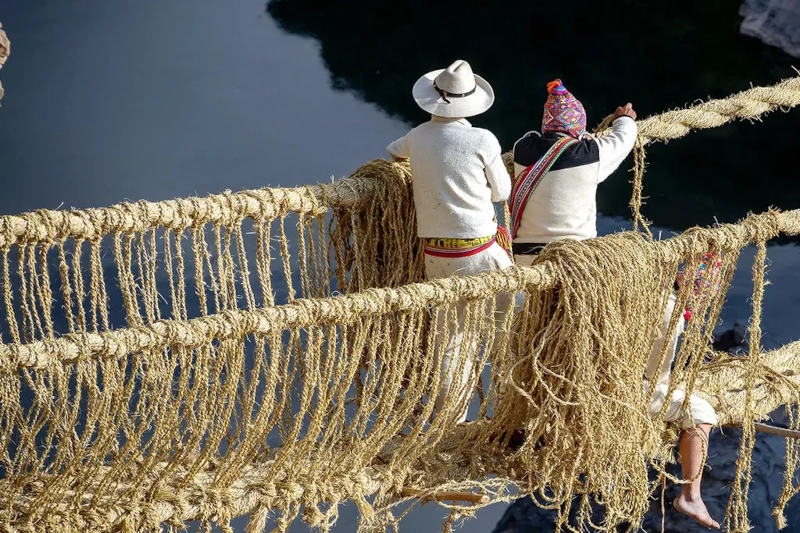
The bridge is constructed from q’oya grass, a plant native to the Andes. Every year, local communities come together to harvest this grass, which is then woven into long ropes. This process is not only a technical endeavor but a communal activity that binds the community together, reinforcing social bonds and shared responsibilities. These ropes are braided and tied together to form a strong, flexible structure capable of supporting those who traverse it. This annual rebuilding process not only preserves the structural integrity of the bridge but also reinforces communal bonds and cultural traditions. The act of construction itself is an elaborate ritual that includes blessings and offerings to ensure the safety and durability of the bridge. It is a vivid illustration of how engineering and spirituality are intertwined in Andean culture.

In addition to its practical purpose, the Qeswachaka Bridge is deeply embedded in the spiritual and cultural fabric of the local communities. It is more than just a crossing; it is a living connection to the wisdom of the Inca Empire. The bridge is a crucial part of the annual festival celebrating its reconstruction, which includes traditional music, dance, and ceremonies that honor the spirits of the ancestors and the Pachamama, or Mother Earth. This festival is a vibrant expression of cultural pride and continuity, drawing participants from near and far. The bridge thus serves as a focal point for cultural expression, a place where history and present-day identity intersect. It is a place where the past is celebrated and the future is envisioned, making it a powerful symbol of endurance and legacy.
Renowned for its vast network of roads and bridges, the Inca Empire maintained communication and trade across its territory. Qeswachaka Bridge stands out as a striking example of this engineering skill. It also reflects the ingenuity of the Inca civilization. It was part of a system that allowed the Incas to efficiently govern and control their vast empire, demonstrating their advanced understanding of engineering and logistics. This network was crucial for maintaining the empire’s cohesion and facilitating the movement of armies and goods, underscoring the strategic importance of such infrastructure.
Bridges like Qeswachaka were essential for the movement of people and goods across the challenging Andean terrain. They were lifelines that connected remote communities, enabling trade and cultural exchange that enriched the empire. The Inca trail, a system of roads that connected the empire, was crucial for administrative and military purposes. These trails allowed for the rapid movement of the Chasquis, the empire’s relay messengers, who carried messages and goods across long distances at remarkable speeds. This communication network was a marvel of its time, enabling the swift transfer of information across vast distances and contributing to the cohesion and stability of the empire.
The engineering marvels of the Inca Empire continue to inspire admiration today. The wisdom embedded in their construction techniques is evident in the enduring nature of these structures. Their ability to withstand the test of time is a testament to the advanced knowledge and skills of the Inca engineers. Machu Picchu, another iconic symbol of Inca ingenuity, shares the same innovative spirit and showcases the empire’s architectural prowess. Both sites demonstrate the Incas’ ability to harmonize their structures with the natural landscape, creating functional and aesthetically pleasing designs that have captivated historians and architects alike.
For travelers seeking an authentic experience of Peruvian culture, a visit to the Qeswachaka Bridge offers a unique opportunity to witness living history. It is a chance to step back in time and experience a piece of the ancient world that remains vibrant and relevant today. Located at an elevation of approximately 3,700 meters, the bridge is accessible from Cusco and provides a striking contrast to the more frequented tourist sites like Machu Picchu. Its remote location offers a more intimate and personal experience, allowing visitors to truly connect with the natural beauty and cultural significance of the region.
When planning your visit, consider the timing of the annual reconstruction festival, typically held in June. This event provides a deeper insight into the community’s cultural practices and offers a chance to engage with the local people. Travelers are encouraged to participate in the festivities, which include traditional music and dance, as well as opportunities to learn about the bridge’s construction techniques firsthand. It is advisable to prepare for high altitudes and varying weather conditions, ensuring a comfortable and enjoyable visit. Engaging with local guides can enhance the experience, offering valuable insights into the history and significance of the bridge.
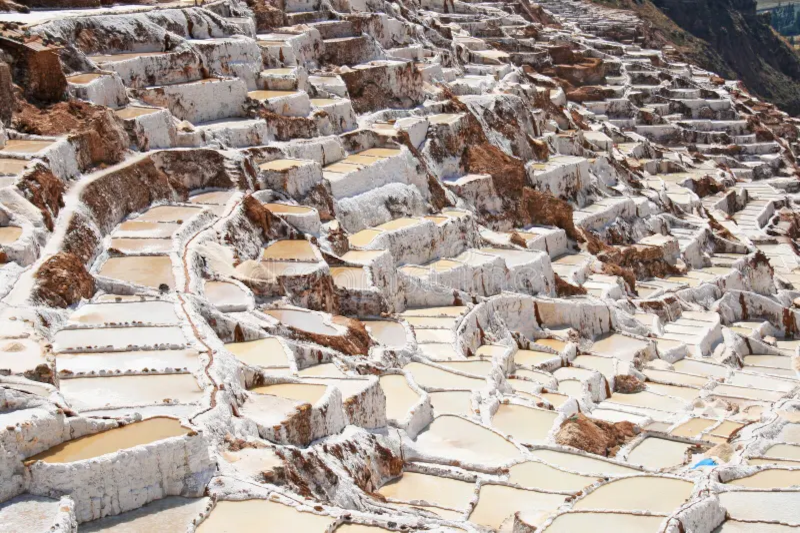
Travelers can explore the Sacred Valley, known for its stunning landscapes and rich history. From the vibrant markets of Pisac to the ancient ruins of Ollantaytambo, the valley offers countless opportunities to immerse oneself in Andean traditions. For adventure seekers, a Maras ATV tour provides an exhilarating way to explore the salt pans and surrounding landscapes. Sites like the agricultural terraces of Moray and the salt pans of Maras offer unique perspectives on the region’s history, making the Sacred Valley, the heart of Inca civilization, a living museum where the past is celebrated.
The Qeswachaka Bridge is a poignant reminder of the importance of preserving cultural heritage. It stands as a testament to the enduring spirit of the Andean people and their commitment to maintaining their traditions. As modern infrastructure continues to encroach upon traditional practices, the bridge stands as a symbol of resistance and resilience. It calls on us to appreciate and honor the wisdom of ancient civilizations while fostering a deeper understanding of the diverse cultures that enrich our world. This preservation effort highlights the delicate balance between progress and tradition, reminding us of the need to respect and protect our shared cultural heritage.
In conclusion, exploring the history of the Qeswachaka Bridge offers a window into the past, connecting us with the legacy of the Inca Empire and the vibrant traditions of the Peruvian people. It is a journey that enriches the soul and broadens the mind, making it an essential experience for anyone interested in the rich tapestry of Andean civilizations. The bridge is not just a relic of a bygone era but a living testament to the enduring strength and ingenuity of a people who have shaped the cultural landscape of Peru. It invites us to reflect on our own connections to the past and the ways in which history continues to influence our lives today.

