
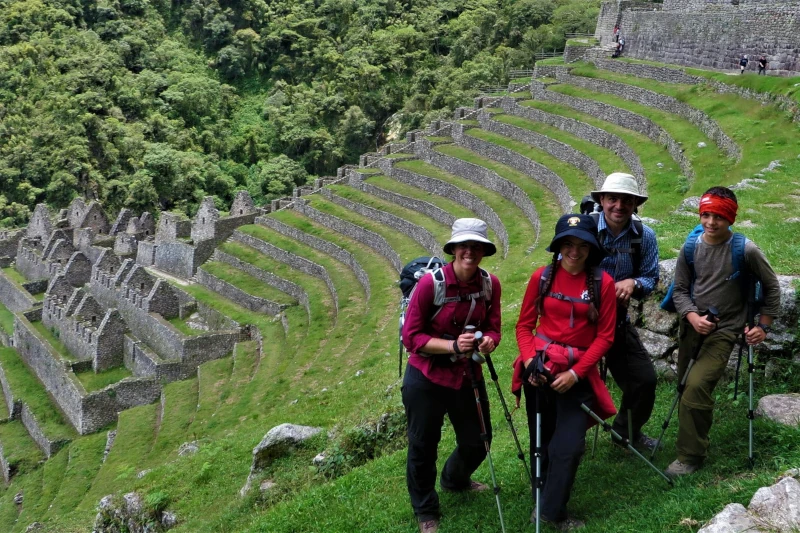
The Sacred Valley of the Incas, known for its fertile land and stunning scenery, serves as the starting point for many trekkers heading to Machu Picchu. The valley’s altitude ranges from 2,800 meters (9,186 feet) to 3,000 meters (9,842 feet) above sea level, making it an ideal place to begin your acclimatization process.
Spending a few days here not only helps your body adjust to the altitude but also offers a chance to explore the rich cultural heritage of the area. The valley is dotted with picturesque towns and villages such as Pisac and Ollantaytambo, each offering unique insights into the life and traditions of the Andean people.
The Sacred Valley is more than just a scenic backdrop; it was a vital region for the Inca civilization. The valley’s fertile plains allowed the Incas to cultivate crops that were essential for sustaining their empire. Corn, potatoes, and quinoa were among the staples that not only fed the local population but also were integral in trade across the empire.
As you explore this region, you’ll encounter ancient ruins, traditional markets, and vibrant communities that offer a glimpse into the enduring legacy of the Inca culture. The architecture and agricultural terraces in the valley are a testament to the ingenuity and adaptability of the Inca people, who were able to thrive in such a diverse and challenging environment.
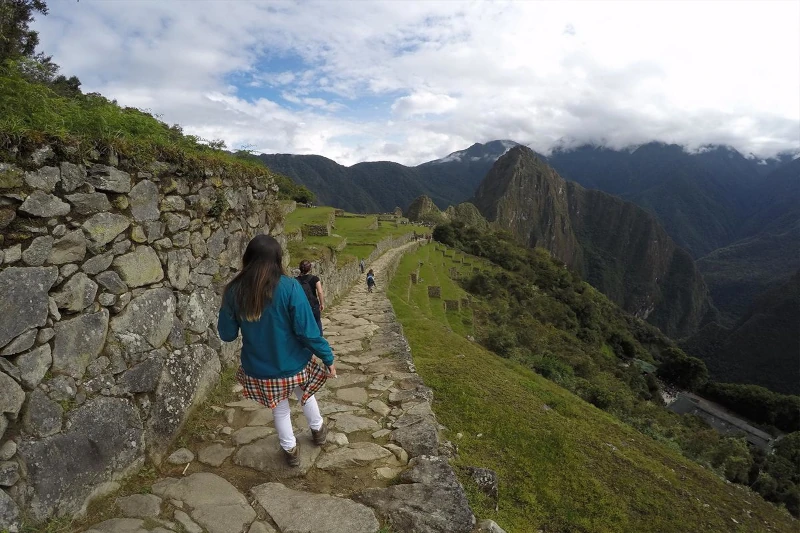
Acclimatization is the process of allowing your body to adjust to the lower oxygen levels found at high altitudes. This physiological adaptation is crucial for preventing altitude sickness, which can occur when you ascend to higher elevations too quickly. Failing to acclimatize properly can lead to altitude sickness, a condition that can range from mild headaches and dizziness to more severe symptoms like nausea and shortness of breath. In extreme cases, altitude sickness can develop into high altitude pulmonary edema (HAPE) or high altitude cerebral edema (HACE), both of which require immediate medical attention. Understanding the signs and symptoms of altitude sickness is essential for all trekkers, as prompt action can prevent complications.
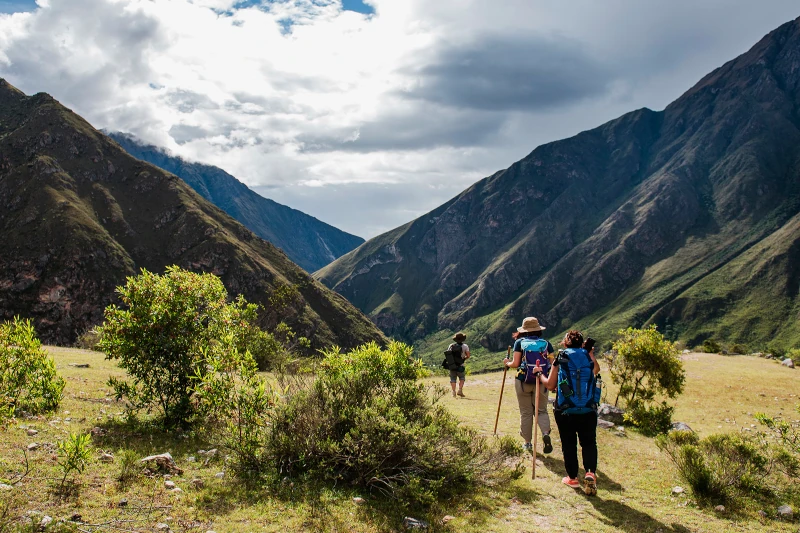
If you’re looking for an alternative to the bustling Inca Trail tour, the Lares Trek offers a unique experience. This trek takes you through remote Andean villages, providing a chance to immerse yourself in the local culture while enjoying stunning mountain vistas. The trek typically ranges between 3,200 meters (10,498 feet) and 4,200 meters (13,779 feet), so proper acclimatization is crucial. The Lares Trek is less crowded than the Inca Trail, offering a more intimate and serene experience, perfect for those looking to connect more deeply with the natural surroundings and local communities.
The Lares Trek is renowned for its cultural richness. As you journey through the Andean highlands, you’ll encounter traditional Quechua-speaking communities, where ancient weaving techniques and customs are still practiced. These communities offer a warm welcome to trekkers and often share their knowledge of traditional crafts and farming methods. This trek offers a deeper understanding of the indigenous cultures that have thrived in these mountains for centuries. The chance to participate in local customs and see firsthand the craftsmanship that goes into traditional textiles adds a rich layer to the trekking experience, making it as much a cultural journey as it is a physical one.
Nestled at the base of Machu Picchu, Aguas Calientes is the final stop before reaching the ancient citadel. At 2,040 meters (6,693 feet), it offers a significant drop in altitude, which can be a relief after days spent trekking at higher elevations. This small town is bustling with activity, offering a range of accommodations, restaurants, and hot springs for weary travelers to enjoy. The town’s proximity to Machu Picchu makes it a convenient base for exploring the ruins, and its vibrant atmosphere provides a lively contrast to the serene landscapes encountered during the trek.
Reaching Machu Picchu is the highlight of any trek in the Andes. To make the most of your visit, consider the following tips:
Altitude sickness can affect anyone, regardless of age or physical fitness. Here are some practical tips to help prevent it:
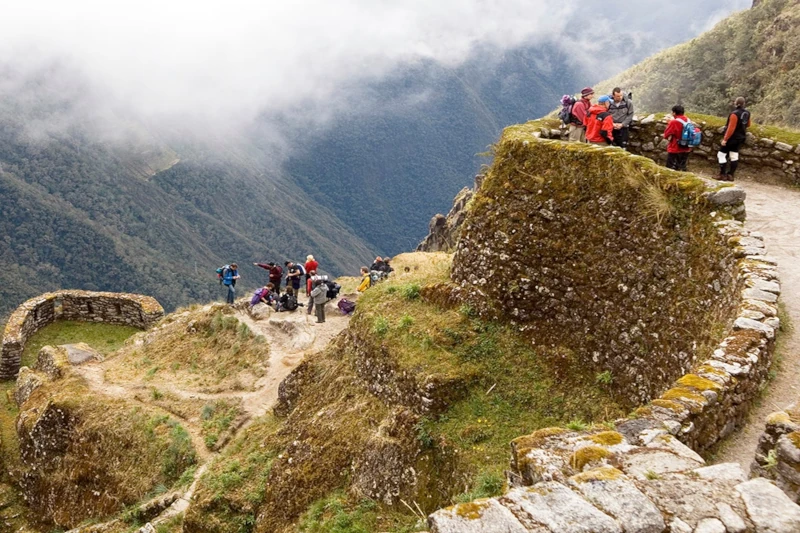
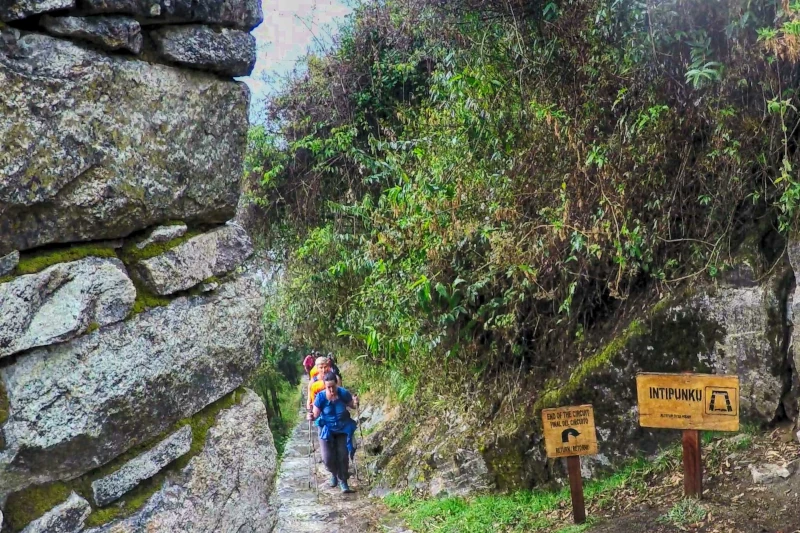
Trekking the Inca Trail to Machu Picchu 4 days or exploring alternative routes like the Lares Trek is a journey through time and culture. By understanding the importance of altitude acclimatization and taking steps to prevent altitude sickness, you can fully embrace the adventure and the cultural tapestry of the Andean regions. Whether you’re marveling at the engineering feats of Machu Picchu or engaging with local communities, this experience promises to leave a lasting impression. The journey is as much about personal growth as it is about exploration, offering opportunities to learn, connect, and reflect.
Prepare wisely, respect the local culture, and let the spirit of the Andes guide your steps. With the right mindset and preparation, your journey to the heart of the Inca Empire will be both rewarding and unforgettable. Embrace the challenges and triumphs along the way, and you will return with stories and memories that will inspire others to embark on their own adventures.

