
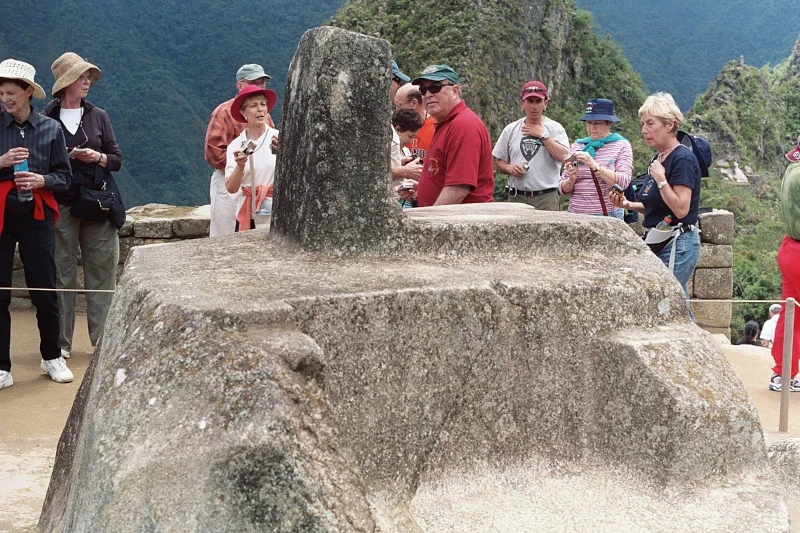
The Intihuatana, often referred to as the “Hitching Post of the Sun,” is a ritual stone associated with the Inca’s astronomical and religious practices. Carved directly from the bedrock of Machu Picchu, the stone is a masterpiece of Inca engineering and spirituality. Its name, derived from the Quechua language, reflects its purpose: “inti” meaning sun and “huatana” meaning to tie or hitch. Thus, the Intihuatana was believed to tether the sun, ensuring its return to the earth during the solstices.
The Intihuatana stone is situated in one of the most sacred areas of Machu Picchu, a site that was likely a royal estate or religious retreat for Inca emperors. Historical evidence suggests that the stone served as an astronomical calendar, helping the Inca predict solstices and equinoxes with remarkable precision. This understanding of celestial events was crucial for agricultural planning and religious ceremonies.
The Spanish conquistadors, who sought to dismantle indigenous religious practices, often destroyed such stones throughout the empire. However, the Intihuatana at Machu Picchu was spared, likely due to the site’s remote and hidden location, preserving this vital piece of Inca history.
The Intihuatana was more than a scientific tool; it was an integral part of the Inca society’s religious fabric. Ceremonies conducted around the stone aimed to ensure bountiful harvests and were central to the spiritual life of the community. These rituals were led by high priests who were considered the intermediaries between the gods and the people.
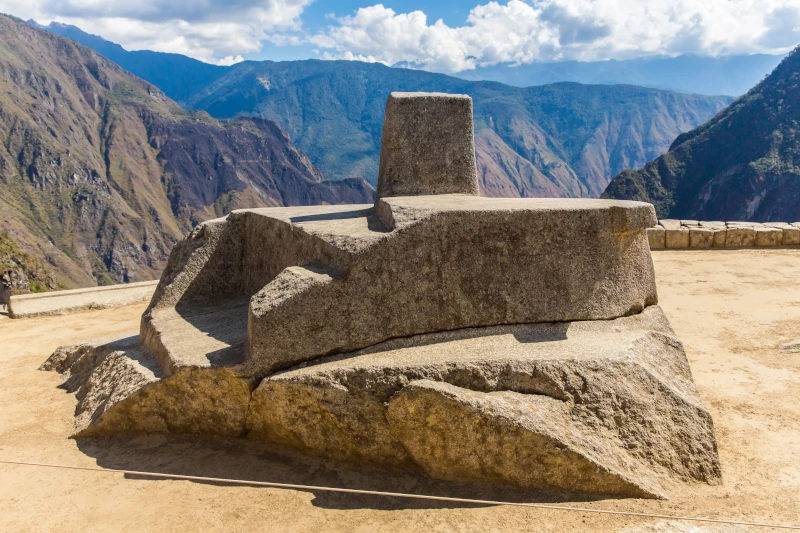
Intihuatana’s preservation through the ages was partly due to its strategic concealment. When explorer Hiram Bingham rediscovered Machu Picchu in 1911, he found the site remarkably intact. The Intihuatana stone’s survival offers us a rare glimpse into the sophisticated knowledge and spiritual life of the Inca, unhindered by the extensive destruction seen in other parts of the empire.
The craftsmanship of the Intihuatana stone reflects the broader architectural genius of the Inca. Its precise angles and alignment demonstrate a deep understanding of both engineering and the cosmos. The stone was designed to align with specific astronomical events, showcasing the Inca’s ability to integrate their spiritual beliefs with scientific observation.
Machu Picchu itself is a testament to the ingenuity and architectural prowess of the Inca civilization. Built in the 15th century under the reign of Pachacuti, the site is strategically located between the Andes and the Amazon Basin, offering stunning views and a wealth of natural resources.
The Sacred Valley, a region encompassing Cusco and several important Inca sites, was the heartland of the empire. Machu Picchu’s location in the Sacred Valley underscores its significance as both a spiritual and administrative hub. The valley’s fertile lands supported a thriving agricultural economy, while its rivers and mountain passes facilitated trade and communication.
The Sacred Valley’s fertile plains were vital to the Inca’s agricultural success. Terraces built into the slopes allowed for diverse crop cultivation and efficient water management. This agricultural base supported Machu Picchu’s population, sustaining the empire’s growth and prosperity.
The valley’s geography facilitated trade routes that connected different parts of the empire. These routes allowed for the exchange of goods, ideas, and culture, strengthening the Inca’s political and economic power. Machu Picchu was a key node in these networks, linking the mountains to the inca jungle.
The Sacred Valley was not just an economic hub; it was a spiritual center. The alignment of the valley’s sites with celestial phenomena underscored the Inca’s belief in their divine connection to the land. Machu Picchu’s placement within this sacred landscape reflects its role as a place of worship and reflection.
For modern travelers, the Inca Trail remains a popular route to Machu Picchu, with the Short Inca Trail offering a more accessible option for those with limited time. This trail provides a glimpse into the stunning landscapes and rich history of the region, culminating in the awe-inspiring arrival at the Sun Gate with a view of Machu Picchu.
The Short Inca Trail is a condensed version of the classic trek, offering breathtaking views and a taste of Inca history. Hikers traverse ancient paths, passing through cloud forests and archaeological sites, before reaching the Sun Gate. This route is ideal for those seeking adventure without committing to the longer trek.
Huayna Picchu, the towering peak behind the citadel, offers an adventurous climb and breathtaking vistas. Scaling this peak was likely a rite of passage for Inca priests and astronomers, who used the vantage point for celestial observations. Today, it remains a challenging but rewarding endeavor for visitors seeking panoramic views of Machu Picchu full day.
The Sun Gate, or Inti Punku, marks the entrance to Machu Picchu from the Inca Trail. For the Inca, it symbolized the transition from the earthly realm to the sacred city. Arriving at the Sun Gate at sunrise allows modern visitors to experience the same awe and reverence that the Inca felt as they entered the holy city.
The Intihuatana stone’s primary function was as an astronomical tool, but its purpose extended beyond scientific measurements. It was an integral part of the Inca’s spiritual practices, symbolizing the connection between the earthly and celestial realms.
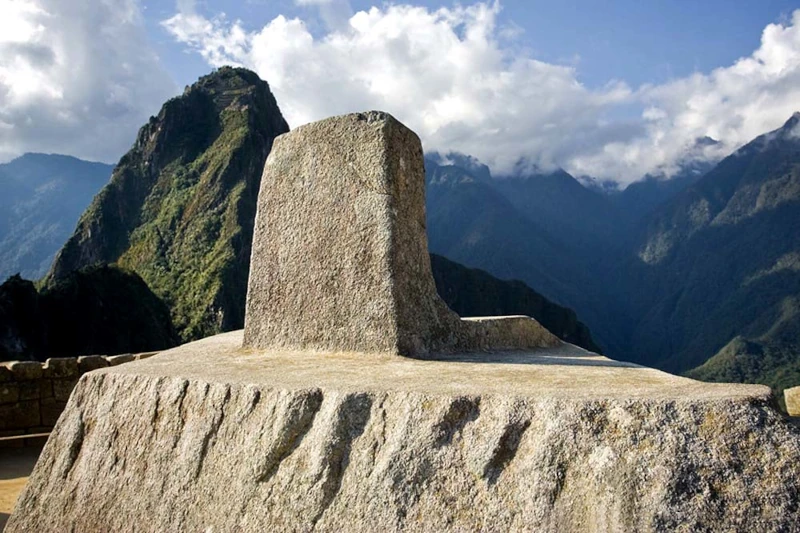
The stone’s precise alignment with the cardinal points allowed the Inca to track the movement of the sun throughout the year. During the winter solstice, the sun’s position would cast no shadow on the stone, marking the shortest day of the year. This event was crucial for planning agricultural activities and conducting religious ceremonies to honor Inti, the sun god.
The Intihuatana was aligned not only to the solstices but also to equinoxes and other significant celestial events. This alignment allowed the Inca to create a reliable calendar for agricultural and ceremonial purposes, ensuring that their rituals and planting cycles were in harmony with the cosmos.
Beyond its practical uses, the Intihuatana symbolized the Inca’s mastery over nature and their divine right to rule. By “tying” the sun, the Inca demonstrated their control over the natural world, reinforcing their authority and legitimizing their leadership.
The ability to predict celestial events was vital for agricultural success. The Inca used the Intihuatana to determine the best times for planting and harvesting, aligning their agricultural activities with the sun’s cycles. This synchronization with nature was a cornerstone of their civilization’s prosperity.
In addition to its practical applications, the Intihuatana served as a spiritual conduit for the Inca. The stone was believed to hold the power of the sun, acting as a mediator between the deities and the earthly realm. Rituals performed at the stone were thought to ensure the harmony and prosperity of the empire, reinforcing the Inca’s divine right to rule.
Ceremonies at the Intihuatana were elaborate affairs, involving offerings, music, and dance. These rituals were designed to honor the gods and seek their favor, ensuring the empire’s continued success and spiritual harmony. Participants believed that these ceremonies connected them directly to the divine.
The Intihuatana was more than a tool; it was a sacred object that embodied the Inca’s relationship with the divine. Its presence at Machu Picchu served as a constant reminder of the gods’ influence on daily life and the importance of maintaining balance between the earthly and spiritual worlds.
For the Inca, the Intihuatana represented their cultural identity and spiritual heritage. It was a tangible link to their past and a symbol of their enduring connection to the cosmos. Today, it continues to inspire those who visit, offering a glimpse into the rich spiritual life of the Inca civilization.
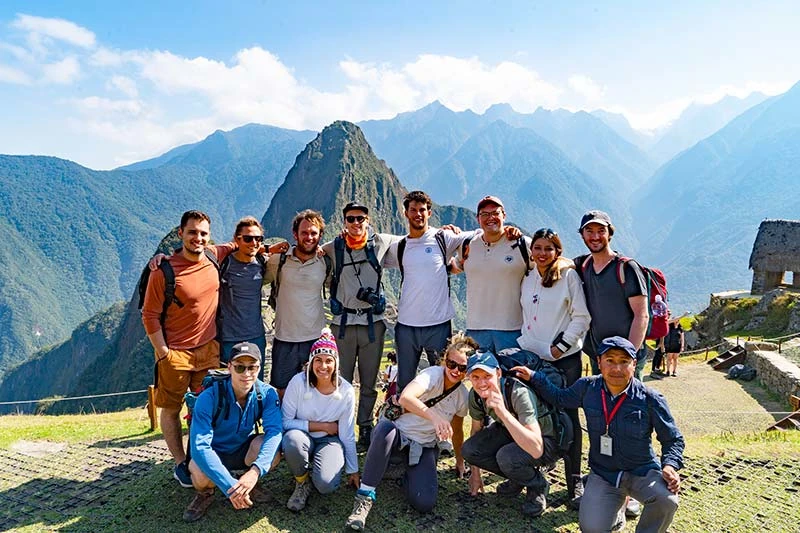
Today, Machu Picchu is a UNESCO World Heritage Site and one of the New Seven Wonders of the World. Visitors can explore the ancient city, marvel at its architectural feats, and connect with its rich cultural heritage. The Intihuatana stone remains a focal point for many, offering a tangible link to the spiritual and scientific achievements of the Inca.
To visit Machu Picchu and the Intihuatana, travelers must purchase Machu Picchu tickets in advance, as daily visitor numbers are limited to preserve the site. It is advisable to book tickets well ahead of time, especially during peak tourist seasons. For those looking to hike the Inca Trail, securing a permit is also essential.
When planning a visit to Machu Picchu, timing is crucial. The best time to visit Cusco is during the dry season, from May to September, when the weather is favorable for hiking and exploring. Booking accommodations and transportation early can ensure a smooth and memorable experience.
Navigating Machu Picchu requires some preparation, as the site is vast and filled with historical landmarks. Hiring a knowledgeable guide can enhance your visit, providing insights into the history and significance of each location. Comfortable walking shoes and ample water are essential for a full day of exploration.
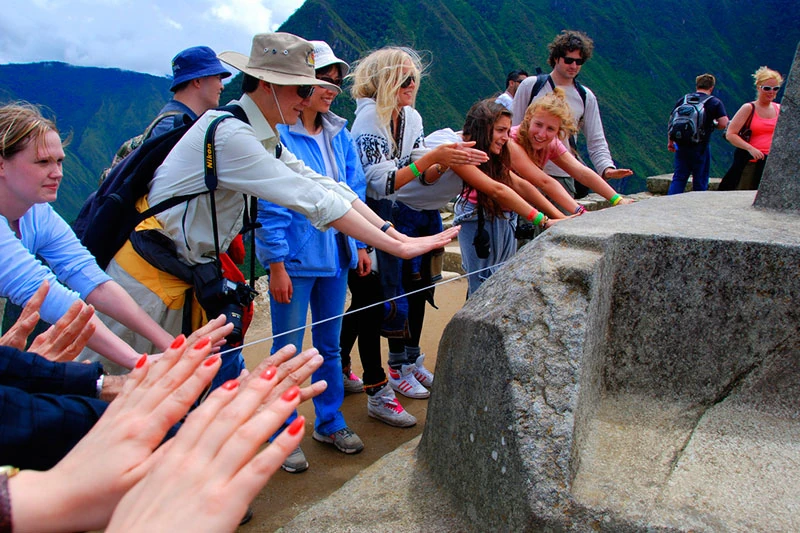
Visitors are encouraged to respect the site’s cultural and historical significance. Following the designated paths, refraining from touching the stones, and adhering to site regulations helps preserve Machu Picchu for future generations. Awareness of the site’s spiritual importance can deepen your connection to this ancient wonder.
Ollantaytambo, a town in the Sacred Valley, serves as a gateway to Machu Picchu. Its well-preserved ruins and traditional Andean wildlife and culture make it a worthwhile stop on any journey through the region.
Ollantaytambo was a key military, agricultural, and religious center during the Inca Empire. Its strategic location and impressive fortifications reflect its importance in the defense and administration of the region. The town’s layout and structures offer valuable insights into Inca urban planning and architectural techniques.
The ruins of Ollantaytambo are a fascinating site to explore, with terraces, temples, and plazas that showcase Inca ingenuity. The Temple of the Sun and the Enclosure of the Ten Niches are particularly noteworthy, demonstrating advanced stonework and astronomical alignment.
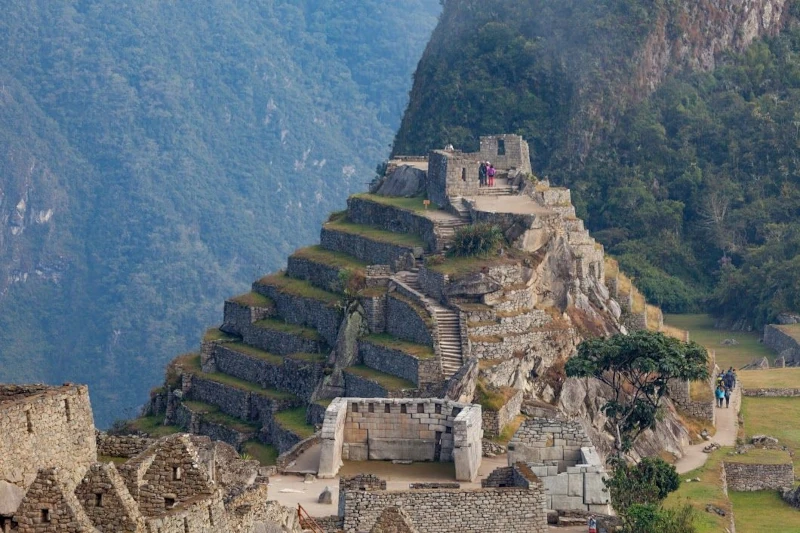
Ollantaytambo is not just an archaeological site; it’s a living town with vibrant cultural traditions. Visitors can immerse themselves in Andean culture by participating in local festivals, sampling traditional cuisine, and engaging with the community. This cultural exchange enriches the experience of visiting the Sacred Valley.
The Intihuatana at Machu Picchu stands as a testament to the Inca’s sophisticated understanding of astronomy and their deep spiritual connection to the natural world. As you explore the Sacred Valley and its many wonders, let the Intihuatana guide you in uncovering the rich tapestry of history and culture that defines this remarkable civilization. Whether you are trekking the Short Inca Trail, climbing Huayna Picchu, or wandering through Cusco, the echoes of the past resonate in every stone and shadow, inviting you to connect with the legacy of the Inca.

