
Nestled in the heart of the Andes, the South Valley of Peru offers a treasure trove of cultural and historical attractions that often go unnoticed by the typical tourist. While many travelers flock to the iconic Sacred Valley and the bustling city of Cusco, the South Valley presents an equally captivating yet more tranquil experience. This region, rich in history and tradition, is an essential addition to any Peru travel guide.
In contrast to the more frequented locales, the South Valley offers an unspoiled beauty that appeals to those seeking a more intimate encounter with Peru’s heritage. The landscapes here are a canvas of rolling hills, terraced fields, and quaint villages that seem to whisper stories of the past. Each corner of the South Valley holds a secret waiting to be discovered, offering travelers a chance to connect deeply with the land and its history.
The South Valley is a perfect vacation trip for those who wish to explore beyond the conventional routes. Here, you can immerse yourself in the unique tapestry of Andean civilizations and discover lesser-known sites that tell the stories of ancient peoples. This region’s cultural mosaic is a vibrant blend of traditions, where age-old customs continue to thrive amidst modern influences, providing a unique perspective on the Andean way of life.
The South Valley is not just a feast for the eyes but also a journey through time. Its historical significance is evident in the ancient ruins and colonial architecture that dot the landscape. From the ingenious Inca engineering marvels to the exquisite artistry of colonial churches, the South Valley is a testament to the enduring legacy of its inhabitants. Each site tells a story of innovation, resilience, and cultural fusion, making the South Valley a must-visit for history enthusiasts.
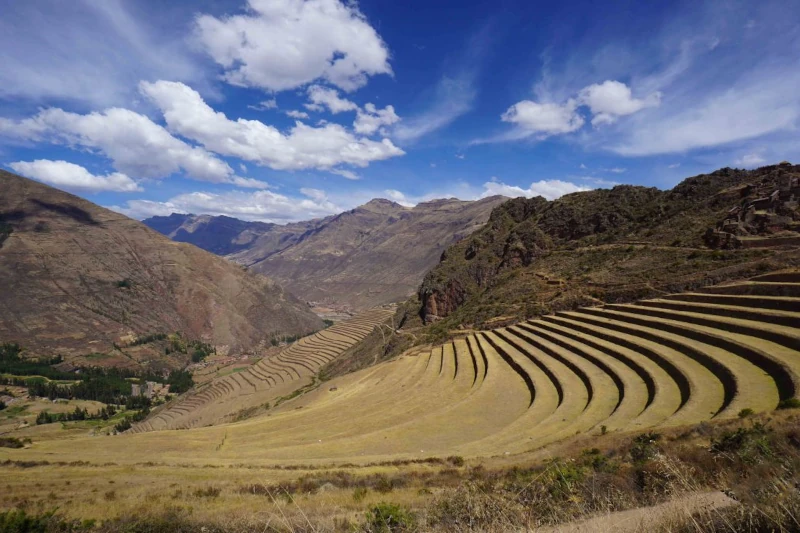
Tipón is an impressive archaeological site that showcases the ingenuity of Inca hydraulic engineering. Located approximately 23 kilometers southeast of Cusco, this site features a complex system of terraces and water channels that continue to function to this day. The Incas constructed these terraces to optimize agriculture at high altitudes, demonstrating their sophisticated understanding of irrigation.
For those interested in the intersection of history and technology, Tipón is a must-see. As you walk through the site, you can marvel at the precision with which the water flows through the channels, a testament to the Inca’s mastery of their environment. This site exemplifies the Incas’ ability to harmonize technology with nature, creating sustainable agricultural solutions that supported their civilization for centuries.
The terraces of Tipón are more than just engineering feats; they are a testament to the Incas’ agricultural prowess. These terraces allowed for the cultivation of a variety of crops at different altitudes, maximizing agricultural output. The sophisticated irrigation system ensured a steady water supply, vital for sustaining crops in the Andean climate, showcasing the Incas’ foresight in agricultural planning.
Beyond its technical marvels, Tipón offers cultural insights into Inca society. The site is believed to have been a royal estate or a ceremonial center, indicating its importance in Inca culture. Exploring Tipón provides a glimpse into the daily lives and spiritual practices of the Incas, offering a deeper understanding of their civilization’s complexity.
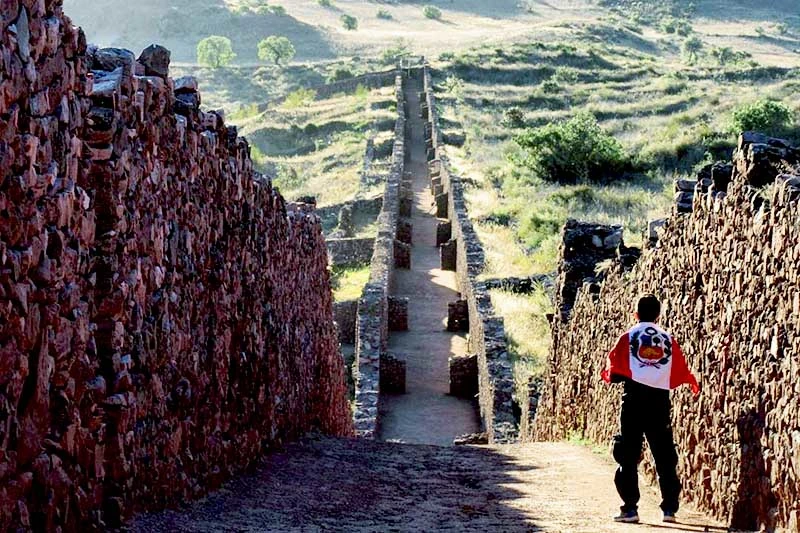
Before the Incas, the Wari civilization thrived in the Andes. Pikillacta, a vast archaeological site located about 32 kilometers from Cusco, offers insight into this pre-Inca society. Covering over 50 hectares, Pikillacta is one of the most extensive Wari sites in Peru.
The site’s layout includes residential areas, ceremonial spaces, and streets, highlighting the Wari’s organizational skills and urban planning. The structured design of Pikillacta is a testament to the Wari’s advanced understanding of urban development, providing a fascinating contrast to the organic growth of Inca cities. This meticulous planning reflects a sophisticated approach to community living and resource management.
Exploring Pikillacta provides a fascinating contrast to the Inca sites more commonly visited in the region, allowing travelers to gain a broader understanding of Andean history. The distinct architectural style and layout offer clues about the social structure and daily life of the Wari people, offering a window into a civilization that laid the groundwork for future Andean cultures.
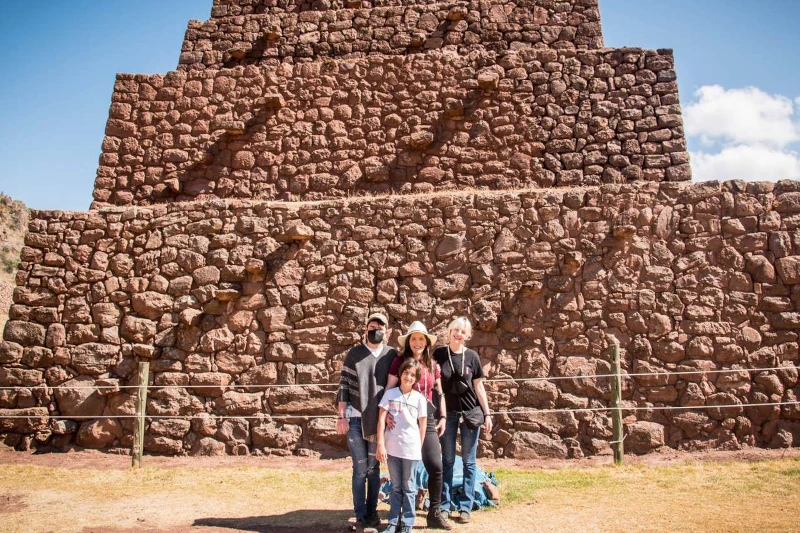
The stonework and construction techniques at Pikillacta reveal the Wari’s architectural prowess. The large-scale structures and intricate designs demonstrate their skill in crafting functional yet aesthetically pleasing buildings. These architectural wonders stand as a testament to the Wari’s ingenuity and their influence on subsequent Andean cultures.
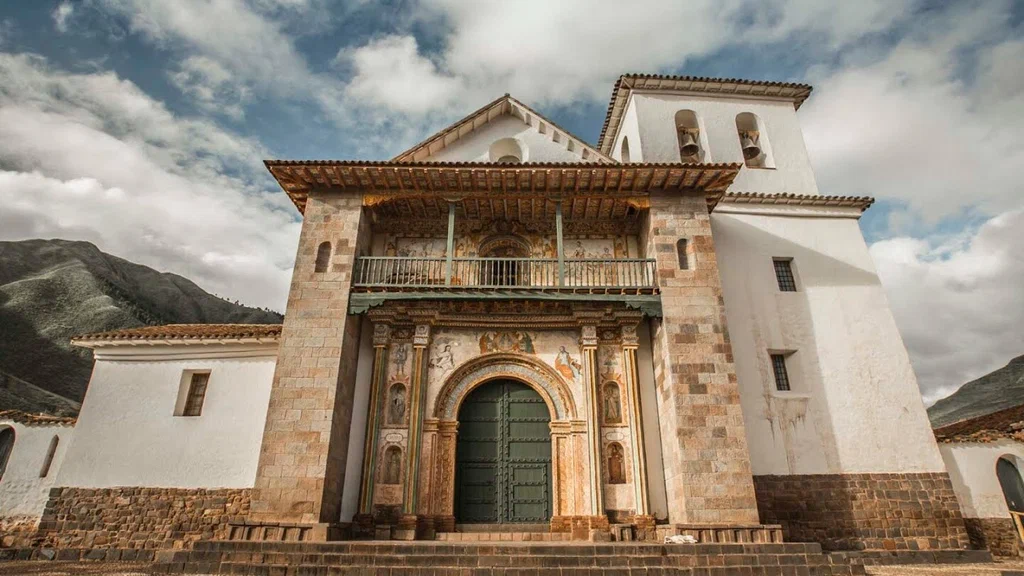
The small town of Andahuaylillas is home to a hidden gem known as the “Sistine Chapel of the Andes.” This church, officially called San Pedro Apóstol, is renowned for its breathtaking murals and intricate woodwork. Built in the 16th century, the church is a stunning blend of indigenous and colonial art, reflecting the cultural syncretism of the region.
Visitors to Andahuaylillas can admire the vibrant frescoes that cover the walls and ceiling, depicting biblical scenes interwoven with local motifs. The church stands as a testament to the artistic and cultural fusion that characterizes much of Peru’s heritage. This blend of styles offers insights into the cultural exchanges between indigenous communities and European settlers during the colonial period.
The intricate woodwork and gold leaf embellishments within the church highlight the craftsmanship of local artisans. Each detail is meticulously crafted, showcasing the artistic talent present in the region during the colonial era. The church’s architecture reflects a harmonious blend of European and indigenous influences, making it a unique cultural landmark.
Andahuaylillas hold significant cultural importance as a symbol of religious and cultural convergence. The church serves as a reminder of the region’s complex history, where diverse beliefs and traditions coexisted and evolved. This cultural significance adds depth to the experience of visiting Andahuaylillas, offering a richer understanding of Peru’s multifaceted heritage.
To make the most of your visit to the South Valley, consider spending a full day exploring the various attractions. Start your journey early in Cusco, allowing you ample time to visit each site without feeling rushed. Many travel packages include guided tours of the South Valley attractions, providing valuable insights into the history and significance of each location.
When planning your trip, remember to account for the altitude. The South Valley, like much of the region around Cusco, is situated at high altitudes, which can affect travelers unaccustomed to such conditions. It is advisable to acclimate in Cusco before venturing further, ensuring a comfortable and enjoyable experience. Strategic planning can enhance your trip, allowing you to explore with ease and comfort.
Opting for guided tours can enrich your experience, offering expert knowledge and insights into the South Valley’s attractions. Guides can provide historical context and anecdotes that bring the sites to life, making your visit more meaningful. These guided experiences can also help navigate logistical challenges, ensuring a seamless travel experience.
Consider transportation options and accessibility when planning your trip. The South Valley is accessible by road from Cusco, and various tour operators offer transport services. Understanding the logistics of getting to and from the sites can help you make the most of your time, ensuring you don’t miss any of the South Valley’s hidden gems.
In addition to exploring historical sites, take the time to engage with the local culture. The South Valley is home to vibrant communities that maintain traditional Andean customs. Markets in towns like Oropesa, known for its delicious bread, offer a chance to interact with locals and sample regional specialties.
Sampling local cuisine is an essential part of experiencing the South Valley’s culture. The region’s culinary offerings reflect its agricultural heritage and diverse influences. From traditional dishes to unique local specialties, the flavors of the South Valley provide a delicious insight into the area’s cultural richness.
Participating in local festivals and events, if your timing allows, can provide a deeper connection to the area’s cultural heritage. These experiences enrich your understanding of the contemporary Andean way of life and the enduring legacy of ancient civilizations. Engaging with local communities offers a more authentic travel experience, allowing you to appreciate the region’s cultural vibrancy.
Exploring local craftsmanship and traditional practices can enhance your cultural experience. The South Valley is known for its skilled artisans who produce beautiful textiles, pottery, and other crafts. Visiting workshops and markets allows you to witness these traditions firsthand, gaining a deeper appreciation for the region’s artistic heritage.
The South Valley of Peru is a region that captivates with its blend of natural beauty, historical significance, and cultural richness. As a travel writer, conveying the depth and diversity of this area allows readers to appreciate the uniqueness of Andean cultures.
By venturing off the beaten path and exploring attractions such as Tipón, Pikillacta, and Andahuaylillas, travelers gain a more comprehensive understanding of Peru’s rich tapestry. These sites, each with its own story to tell, contribute to the broader narrative of Andean civilizations. This journey through time offers a profound connection to the past, enriching your travel experience.
Whether you’re crafting a Peru travel guide or simply seeking inspiration for your next adventure, the South Valley offers an unforgettable journey into the heart of ancient history and living culture. As you explore, remember to immerse yourself fully, for it is through these experiences that the true essence of the Andes comes to life. Embracing the region’s cultural heritage provides a deeper appreciation for its history and traditions.
By embracing the allure of the South Valley, you not only enrich your own travels but also share the timeless stories of this remarkable region with the world. Sharing your experiences can inspire others to explore the South Valley, ensuring that its stories continue to be told for generations to come. Through these shared narratives, the South Valley’s timeless allure endures, captivating travelers from around the globe.

