
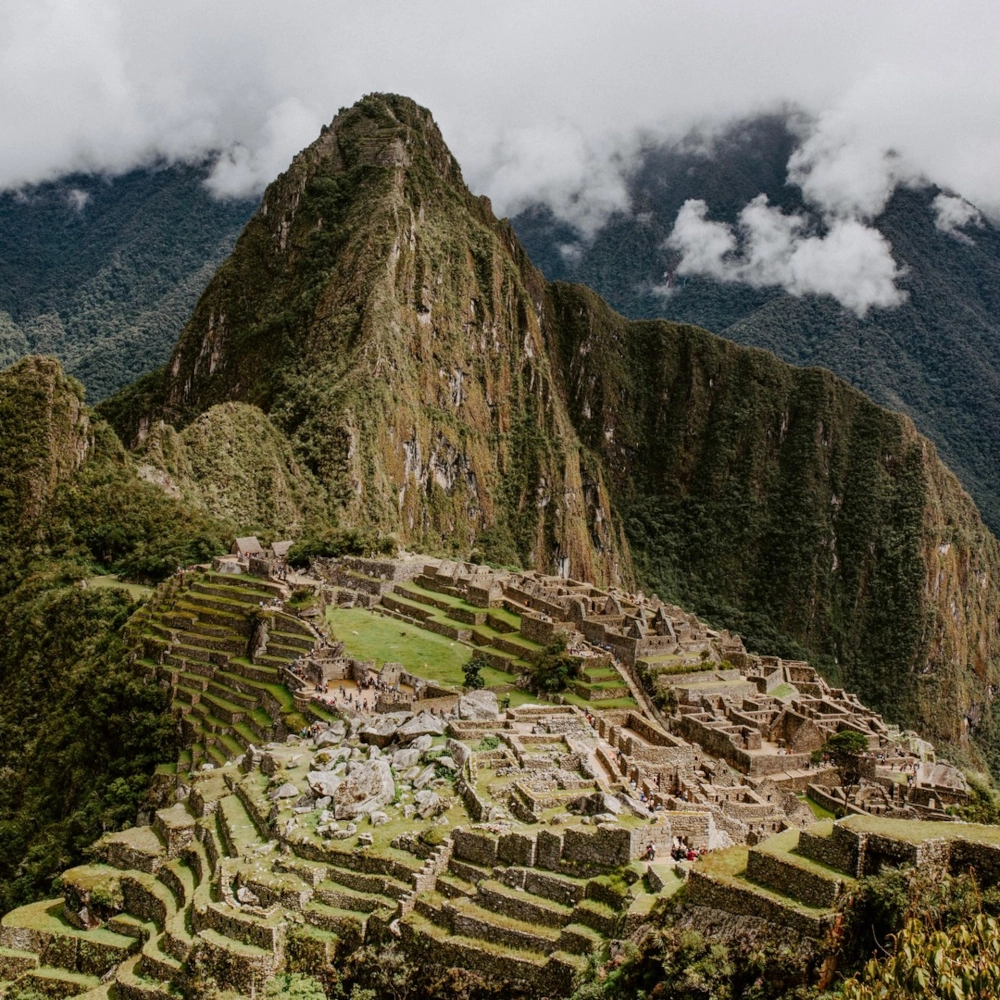
Cusco, perched at an elevation of about 3,400 meters (11,200 feet), serves, above all, as the main gateway to both Rainbow Mountain and Machu Picchu. Once the capital of the Inca Empire, Cusco is a city rich in history and cultural significance. Moreover, walking through its cobbled streets, you can observe a remarkable blend of Inca and Spanish colonial architecture, which, as a matter of fact, tells stories of past eras and offers an immersive glimpse into the city’s layered past.
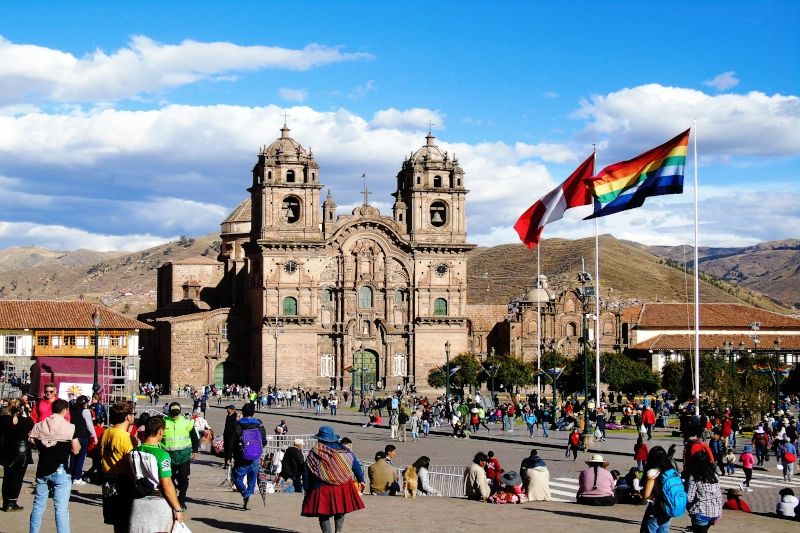
Cusco is often referred to as the “Historical Capital of Peru,” and for good reason. Its profound impact on the country’s cultural heritage is undeniable. As you navigate the city, you will discover architectural marvels such as the Qorikancha Temple, which was once entirely covered in gold. Additionally, the layers of history are visible in every corner, from ancient Inca walls to colonial cathedrals, thus providing a tangible connection to the past. In effect, the city itself serves as a living museum, reflecting centuries of culture, conquest, and adaptation.
The vibrancy of Cusco’s culture is, indeed, palpable, with festivals, local markets, and daily traditions offering a vivid glimpse into the lives of its inhabitants. For instance, the annual Inti Raymi festival is a spectacular celebration of the Inca sun god. Furthermore, visitors can immerse themselves in the lively San Pedro Market, where traditional foods and handcrafted goods vividly showcase the city’s rich cultural tapestry. Consequently, each interaction provides a sense of connection to the enduring traditions of the Andean people.
Cusco’s culinary scene is, by all means, a delightful fusion of traditional Andean flavors and modern gastronomy. The city offers a wide variety of dining experiences—from street food stalls serving anticuchos to fine dining restaurants with creative interpretations of local ingredients. Moreover, sampling local delicacies such as cuy (guinea pig) and quinoa-based dishes is, without doubt, an essential part of the Cusco experience. Indeed, food here not only nourishes the body but also tells the story of the region’s rich history and cultural evolution.
Just a short distance from Cusco lies the Sacred Valley, which, moreover, was crucial to the Inca civilization. With its fertile lands and strategic location, the valley served as a major agricultural hub. Today, visitors can explore ancient ruins, bustling traditional markets, and vibrant villages such as Pisac and Ollantaytambo. Consequently, the Sacred Valley offers both historical depth and a living glimpse into Andean life.
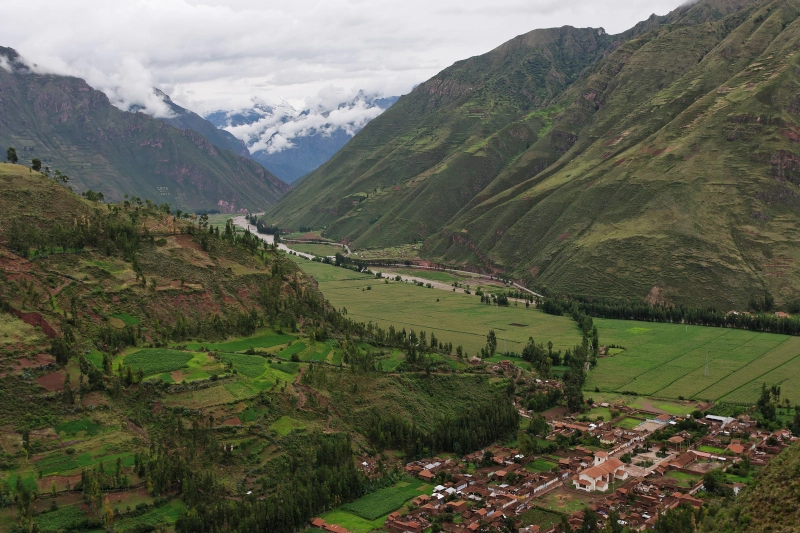
Pisac is renowned not only for its impressive archaeological site but also for its bustling market. The ruins of Pisac, perched high on a hill, offer stunning views and insights into Inca engineering. Additionally, down in the village, the Pisac Market provides a sensory feast, with stalls brimming with colorful textiles, ceramics, and jewelry crafted by local artisans. As a result, Pisac perfectly exemplifies the combination of history and vibrant culture, making it a must-visit destination.
Ollantaytambo, in particular, is a living Inca town that offers a unique glimpse into ancient urban planning. The village, set against terraced hillsides, is home to ruins that exhibit impressive stone masonry. Moreover, walking through its narrow streets feels like stepping back in time, where the layout and structures remain largely unchanged since the Inca era. Thus, Ollantaytambo provides a rare opportunity to experience an authentic, functioning Inca settlement.
The Salt Mines of Maras and the circular terraces of Moray are two lesser-known yet equally fascinating sites in the Sacred Valley. The Maras salt pans are, indeed, a testament to ingenious Inca engineering, with thousands of salt pools still harvested today. Meanwhile, Moray’s concentric terraces reveal ancient agricultural experimentation, believed to simulate different microclimates.
Moreover, for travelers seeking an adventurous twist, an Maras ATV tour provides an exhilarating way to explore both Maras and Moray, covering rugged paths and offering stunning views along the way. Consequently, visiting these sites—whether on foot or by ATV—provides insights into the ingenuity and resourcefulness of the Inca civilization while combining cultural discovery with adventure.
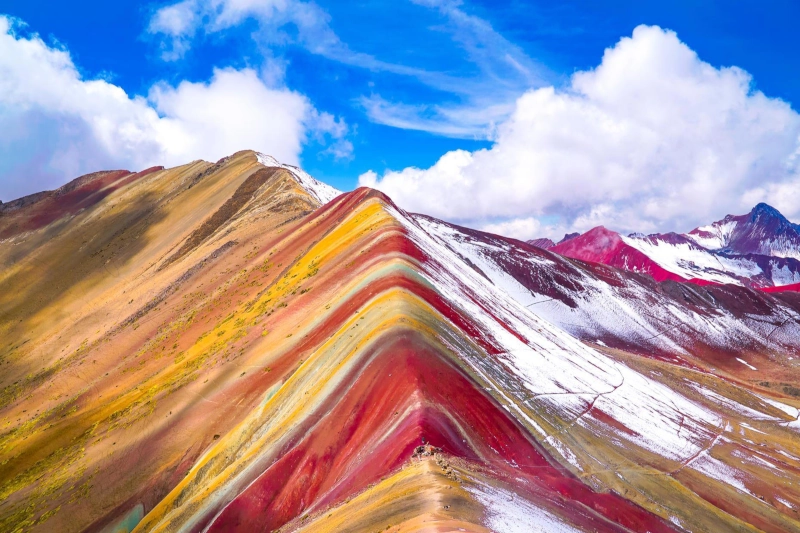
One of the most awe-inspiring natural wonders in the Andes is Rainbow Mountain, or Vinicunca, which is famed for its strikingly vibrant colors. The hues of the mountain, as it happens, are the result of mineral deposits accumulated over millions of years, creating a natural palette that appears almost surreal.
The geological formations of Rainbow Mountain are, to be sure, a marvel of nature. Each stripe represents a different mineral deposit: reds from iron oxide, yellows from sulfur, and greens from chlorite. Hence, the mountain forms a breathtaking mosaic that attracts geologists, hikers, and photographers alike. Moreover, studying its composition offers insights into the natural history of the Andes.
The Rainbow Mountain tour typically begins in Cusco, with an early morning departure. Adventurous travelers can, for example, opt for a Rainbow Mountain ATV tour, which adds an exhilarating twist to the journey. The ATV ride covers rugged terrain while offering spectacular views, thus enhancing the adventure.
For those who prefer a traditional approach, the Rainbow Mountain hike is, undoubtedly, a rewarding alternative. The trail meanders through picturesque landscapes, culminating in a final ascent that reveals the full spectrum of the mountain’s colors. Although this trek requires a good level of fitness, the panoramic views at the summit make every step worthwhile.
Rainbow Mountain is not merely a destination; rather, the trek unveils breathtaking landscapes along the way. Travelers may encounter llamas and alpacas grazing on the slopes, while the area’s unique ecosystem hosts rare plant species. Consequently, the journey offers not only stunning visuals but also opportunities to engage with the biodiversity of the high Andes.
Rainbow Mountain is not merely a destination; rather, the trek unveils breathtaking landscapes along the way. Travelers may encounter llamas and alpacas grazing on the slopes, while the area’s unique ecosystem hosts rare plant species. Consequently, the journey offers not only stunning visuals but also opportunities to engage with the biodiversity of the high Andes.
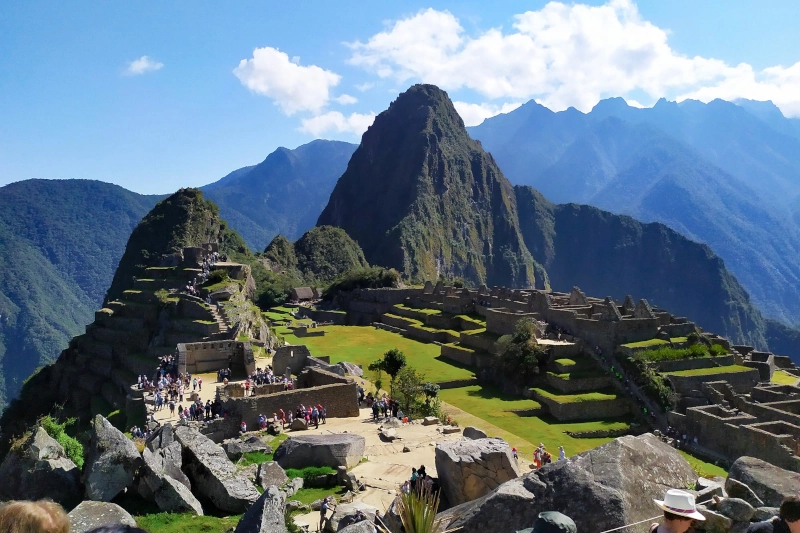
Rainbow Mountain is not merely a destination; rather, the trek unveils breathtaking landscapes along the way. Travelers may encounter llamas and alpacas grazing on the slopes, while the area’s unique ecosystem hosts rare plant species. Consequently, the journey offers not only stunning visuals but also opportunities to engage with the biodiversity of the high Andes.
To reach Machu Picchu, many travelers choose the classic Inca Trail, a multi-day trek following the ancient paths used by the Incas. The trail traverses diverse ecosystems, from cloud forests to alpine tundra, and passes numerous Inca ruins. Therefore, each step along this historic path allows travelers to connect with the rich legacy of the Inca civilization.
For those seeking different adventures, alternative routes such as the Salkantay Trek or the Lares Trek offer unique perspectives and landscapes. These paths, moreover, provide a more solitary experience, allowing hikers to connect deeply with nature. Each route presents its own charm and challenges, thereby ensuring that every traveler finds a path that suits their interests.
The town of Aguas Calientes, located at the base of Machu Picchu, serves as the final stop before ascending to the citadel. This bustling town offers a range of accommodations and dining options, providing a convenient resting point for travelers. Furthermore, its hot springs are a popular site for relaxation, offering a soothing conclusion to a day of exploration.
The Andes are not simply a geographical feature but a cultural landscape deeply embedded in Andean cosmology. The Inca and other indigenous cultures hold profound respect for nature, viewing mountains as sacred entities and sources of life. Consequently, this worldview is reflected in their architecture, agriculture, and ceremonial traditions, which visitors can experience firsthand at iconic sites like Rainbow Mountain and Machu Picchu.
Interacting with local communities significantly enhances the travel experience, offering a deeper understanding of Andean culture. Whether participating in traditional ceremonies or learning indigenous crafts, travelers gain insights into the enduring legacy of the Inca. Hence, respectful engagement with the locals can lead to meaningful exchanges and further enrich the journey.
When traveling to high elevations such as Cusco, Rainbow Mountain, and Machu Picchu, proper acclimatization is essential. To that end, here are some key acclimatization tips: spend a few days in Cusco before undertaking treks to adjust to the altitude, stay well-hydrated, eat light meals, and avoid alcohol. Moreover, consulting a healthcare professional before the trip is advisable for personalized guidance. Following these tips can significantly reduce the risk of altitude sickness and help ensure a more enjoyable and safe journey.
The best time to visit Cusco, the Rainbow Mountain and Machu Picchu is during the dry season, from May to September. During this period, weather conditions are more stable, providing clearer views and more comfortable hiking experiences. Therefore, planning your visit during this time ensures you can fully appreciate the region’s landscapes and architectural wonders.
Embarking on a tour of Rainbow Mountain and Machu Picchu offers, by all means, more than just breathtaking scenery; it is an exploration of the rich cultural heritage of the Andes. From the vibrant streets of Cusco to the mystical ruins of Machu Picchu, each location tells the story of a civilization that thrived amidst the mountains. Moreover, as you traverse these paths, you gain a deeper appreciation for the intricate tapestry of history and culture that defines this remarkable region.
Whether you are a travel writer seeking to convey the depth of Andean cultures or a curious traveler eager to explore, these destinations promise an unforgettable journey into the heart of Peru’s natural and cultural wonders. Each step not only uncovers the beauty of the landscapes but also reveals the soul of a people who have lived in harmony with their environment for centuries.

