

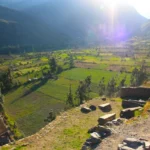

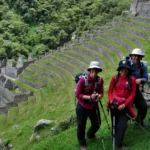
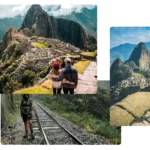
Exploring the Sacred Valley of the Incas offers an unforgettable journey through time, revealing the awe-inspiring achievements of the Inca civilization. Among its many treasures, the Chinchero Inca site stands out as a remarkable testament to the architectural and cultural prowess of the Incas. Situated in Peru, this enchanting village captivates visitors with its stunning views, vibrant textile art, and rich history. In this article, we will delve into the highlights of the Chinchero site, the art of textile weaving, and other top things to see in Cusco.

Chinchero, often referred to as the “Birthplace of the Rainbow,” is a small Andean village located about 30 kilometers from Cusco.

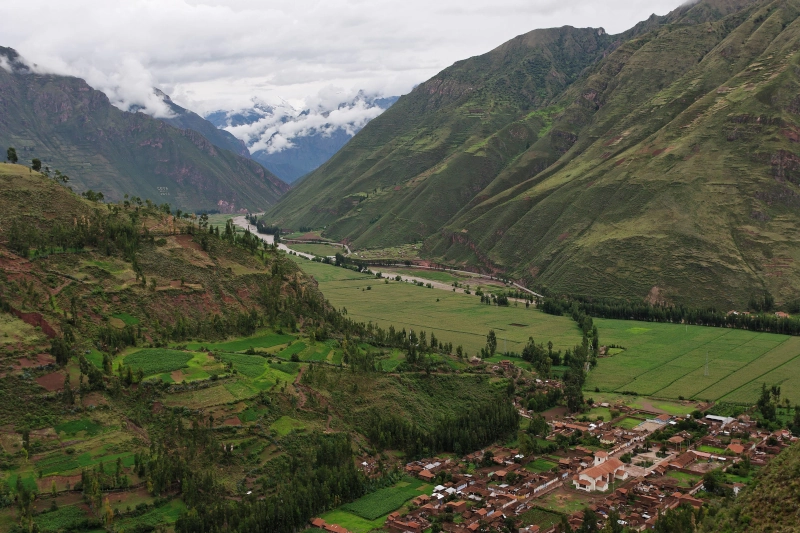
 Perched at an altitude of 3,762 meters, it offers breathtaking views of the Sacred Valley and the snow-capped peaks that cradle it. Its strategic position made Chinchero an important agricultural center during the Inca Empire.

Geographical and Historical Significance

The village of Chinchero is more than just a picturesque setting; it is a place steeped in history and geographical importance. Its elevation and location in the Andes provided the Incas with a defensible position and a fertile ground for agriculture. The terrain is characterized by its terraced fields, which were cleverly designed to maximize agricultural output. These terraces are a testament to the Incas’ ingenuity in overcoming the challenges posed by the mountainous landscape.
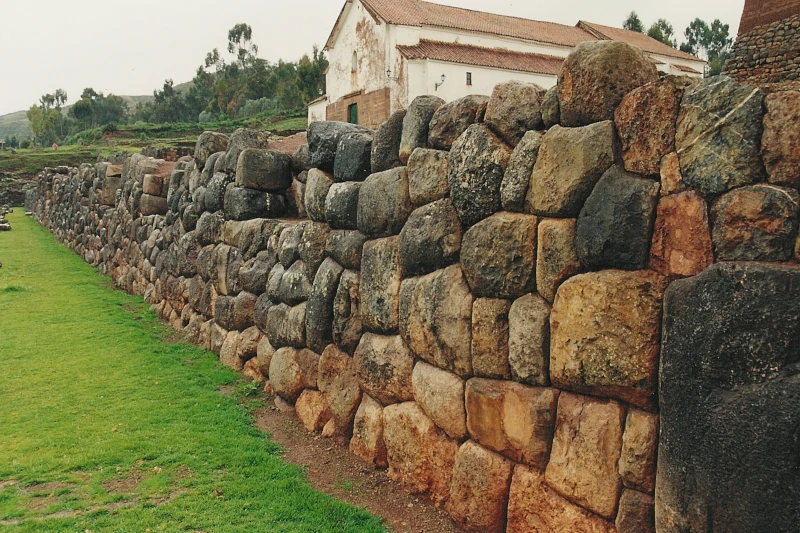
Chinchero Polygonal Inca Stone Wall

The Legacy of Tupac Inca Yupanqui

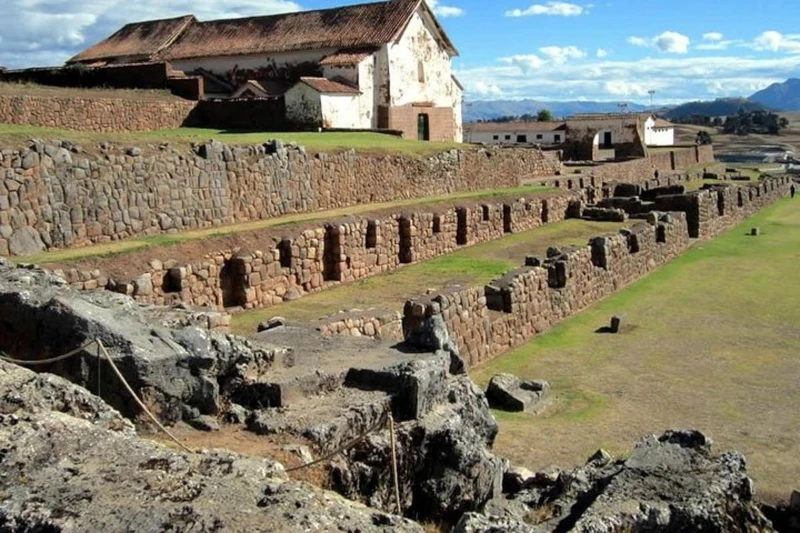
At the heart of Chinchero is the legacy of Tupac Inca Yupanqui, one of the most celebrated emperors of the Inca Civilization. The remains of what is believed to be his palace stand proudly in Chinchero, showcasing the architectural brilliance of the era. The palace, built with finely cut stones fitted together without mortar, illustrates the precision and skill of Inca stonemasonry. These structures not only served as residences but also as administrative centers, reflecting the dual role of Chinchero in governance and agriculture.

Cultural Fusion: The Colonial Church

Adjacent to the ancient Inca ruins is the colonial church of Chinchero, constructed in the early 17th century. This church exemplifies the cultural fusion that occurred following the Spanish conquest. Built atop the foundations of the Inca palace, it features stunning frescoes that blend Inca and Spanish artistic influences. The church stands as a symbol of the complex history and cultural exchange that shaped the region, offering insights into how two distinct cultures intertwined over time.

Textile Art: The Living Heritage of Chinchero

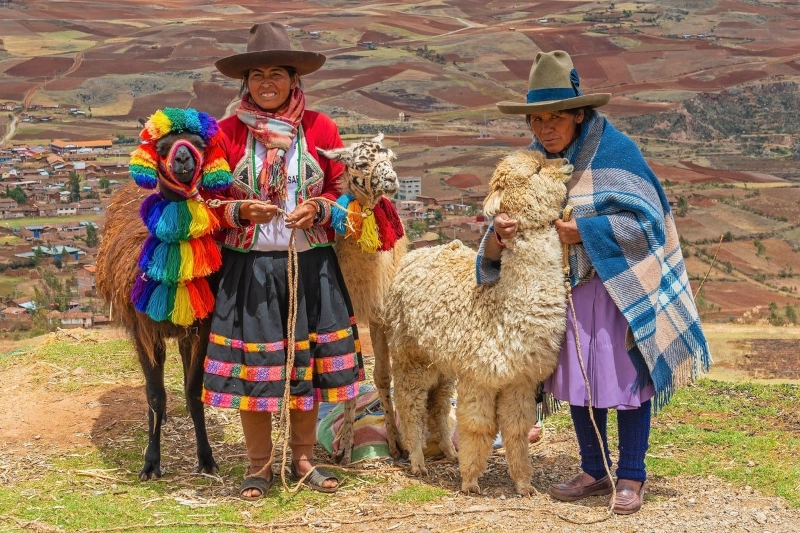
The textile art of Chinchero is an integral part of its cultural heritage. The villagers are renowned for their exquisite weaving skills, which have been passed down through generations. Using natural dyes and traditional techniques, the artisans create vibrant textiles that depict the rich symbolism of Inca cosmology.
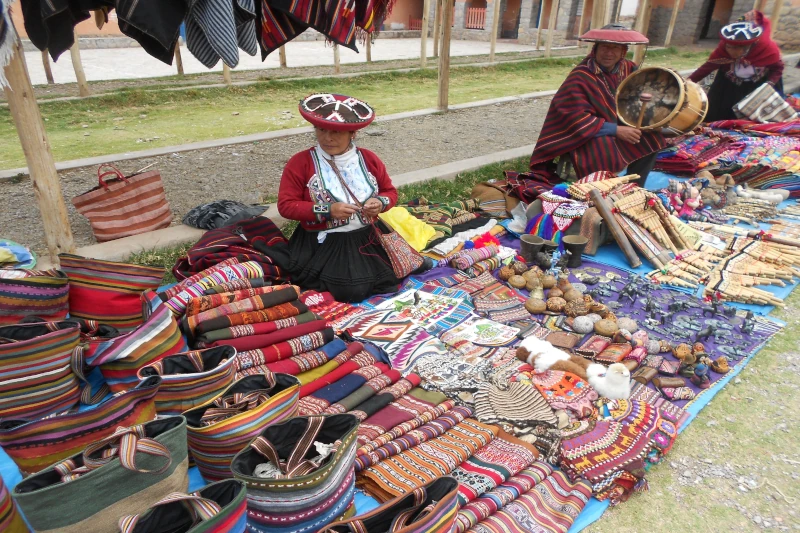
Chinchero Market Textiles Woman Weaving

The Art of Weaving: A Tradition Preserved

Weaving process in Chinchero is a meticulous art form, beginning with the shearing of sheep or alpacas. The wool is then spun into yarn and dyed using natural ingredients such as cochineal insects for red, plants for green, and minerals for yellow. Moreover the yarn is woven on backstrap looms, resulting in intricate patterns that tell stories of Inca mythology and daily life.

The Role of Women in Weaving

Women in Chinchero play a crucial role in preserving the ancient art of weaving. From a young age, girls are taught the techniques of spinning and weaving by their mothers and grandmothers, ensuring the continuity of this cultural practice. Weaving is not just an economic activity; it is a form of expression and storytelling, with each piece reflecting the weaver’s creativity and connection to her heritage. This tradition empowers women by providing them with a source of income and a voice in their community.

Natural Dyes and Symbolic Patterns

The vibrant colors of Chinchero textiles are derived from natural dyes, sourced from the environment. Each color carries its own symbolic meaning, deeply rooted in Inca cosmology. Red, extracted from cochineal insects, symbolizes life and vitality, while green, obtained from plants, represents fertility and nature. The patterns woven into the textiles often depict animals, plants, and geometric shapes, each with its own significance, telling stories of the Inca world and its beliefs.

Supporting the Local Economy

Visitors to Chinchero can witness this age-old tradition in action at local weaving cooperatives, where artisans demonstrate their craft and offer their stunning creations for sale. Purchasing these textiles not only supports the local economy but also helps preserve this invaluable cultural tradition. By choosing to buy directly from the artisans, travelers contribute to the sustainability of the community, ensuring that these skills are passed on to future generations.
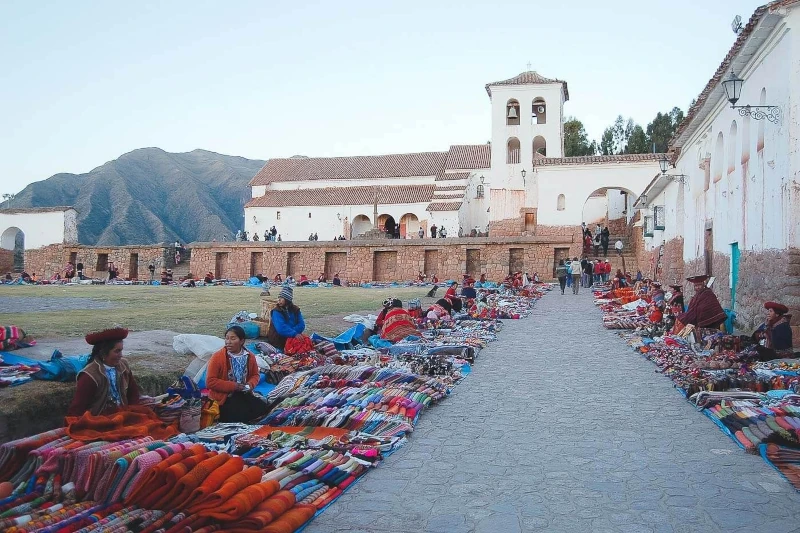
Chinchero Market Textiles Colonial Church

Exploring the Sacred Valley: Beyond Chinchero

While Chinchero is a highlight of the Sacred Valley, there are numerous other attractions that beckon exploration.

Maras: The Salt Mines of the Incas

The salt mines of Maras, located about 40 kilometers from Cusco, are a fascinating site that has been in use since Inca times. Thousands of small salt pools cascade down the mountainside, creating a dazzling display. The salt is harvested using ancient methods, providing a glimpse into the resourcefulness of the Inca civilization.

Historical Importance of Maras

Maras has been a vital source of salt since Inca times, playing a crucial role in trade and preservation. The Incas cleverly designed the terraces to collect and evaporate saltwater from a subterranean stream, showcasing their advanced understanding of engineering and resource management. This site remains operational today, with local families owning and maintaining individual salt pans, a practice that has been passed down through generations.

The Process of Salt Harvesting

Harvesting salt in Maras is a labor-intensive process that relies on traditional techniques. Workers channel saltwater into the pans, allowing the sun to evaporate the water and leave behind crystallized salt. This method is sustainable and environmentally friendly, demonstrating the Inca’s harmonious relationship with nature. Visitors can observe the entire process and even purchase the unique pink-hued salt, which is prized for its mineral content and flavor.

Experiencing Maras as a Traveler

Touring the salt mines of Maras offers a unique glimpse into the past and present of this enduring practice. Visitors can walk along the paths that wind between the pans, witnessing the stunning contrast between the white salt and the surrounding Andean landscape. Guided tours provide insights into the history and cultural significance of Maras, enriching the travel experience with stories of the people who continue to sustain this ancient tradition.

Moray: The Agricultural Laboratory

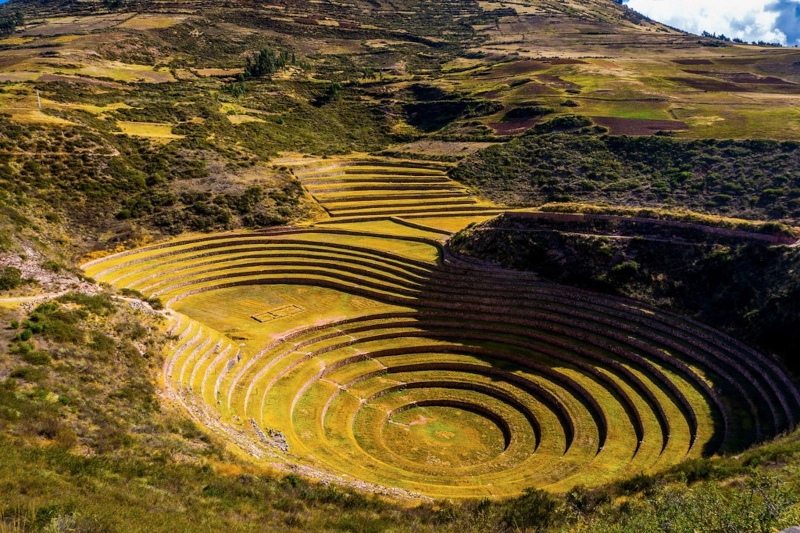
Just a short distance from Maras lies Moray, an archaeological site featuring a series of concentric terraces that resemble an amphitheater. These terraces are believed to have served as an agricultural laboratory for the Incas, allowing them to experiment with different crops and climates. The unique microclimates created by the terraces offer insight into the advanced agricultural techniques of the Inca civilization.

Understanding the Microclimates

The design of Moray’s terraces creates a series of microclimates, with temperature variations of up to 15°C between the top and bottom. This allowed the Incas to simulate different environmental conditions and study their effects on crops. The knowledge gained from these experiments was invaluable, enabling the Incas to optimize agricultural production across their vast empire, which spanned diverse climatic zones.

The Role of Moray in Inca Society

Moray was not only an agricultural research center but also held ceremonial significance. The circular design is thought to reflect Inca cosmology, symbolizing the cyclical nature of life and the universe. The site served as a place of learning and worship, where priests and farmers collaborated to enhance agricultural techniques, ensuring food security for the empire.
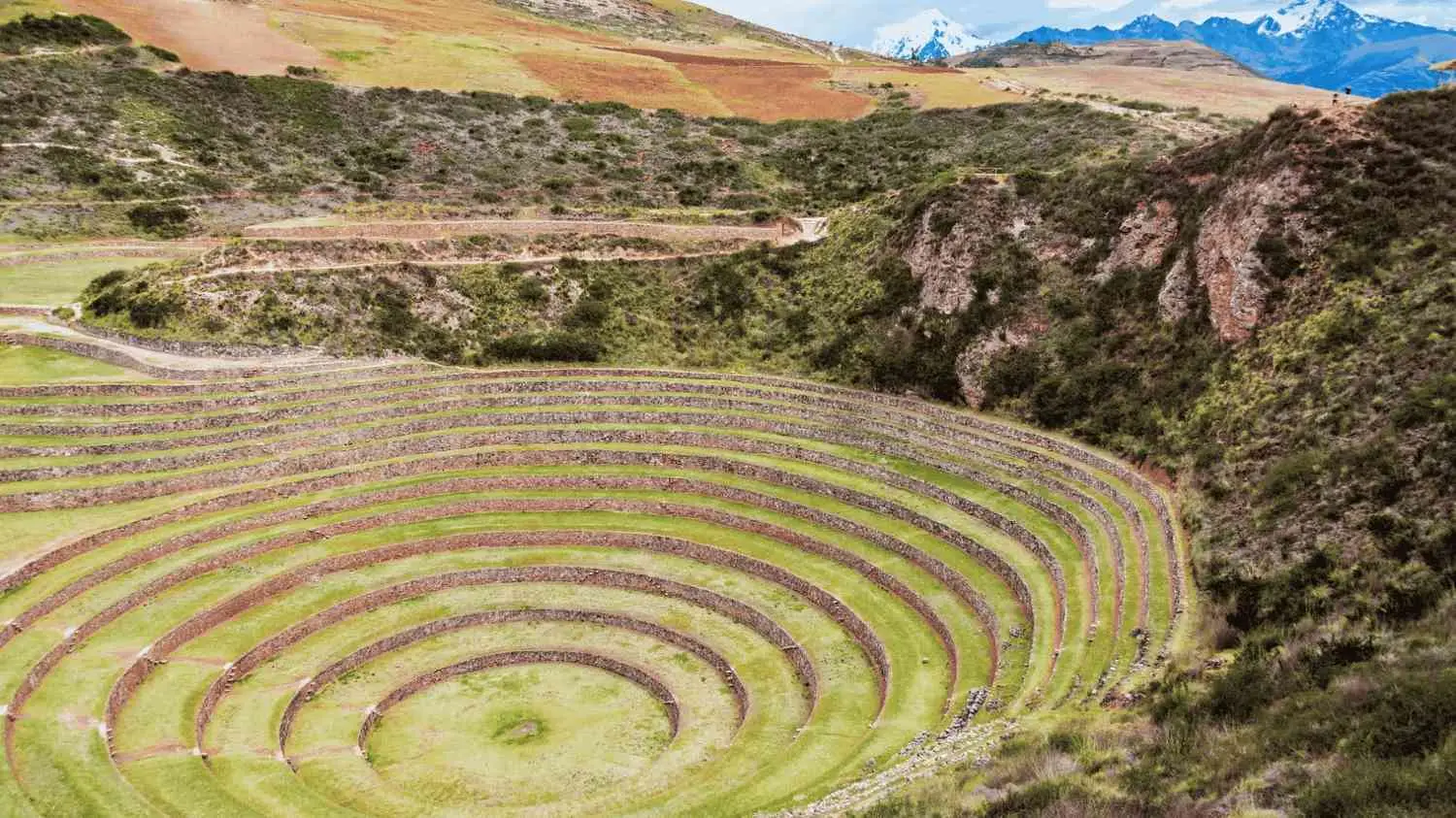
Moray Circular Terraces Aerial View

Visiting Moray: A Journey into Innovation

Exploring Moray offers travelers a fascinating insight into the innovative spirit of the Incas. The site is a testament to their scientific prowess and their ability to adapt to the challenges of their environment. Visitors can walk along the terraces, imagining the bustling activity that once took place, and appreciate the stunning views of the Andes that surround this remarkable laboratory.

Ollantaytambo: A Living Inca Town

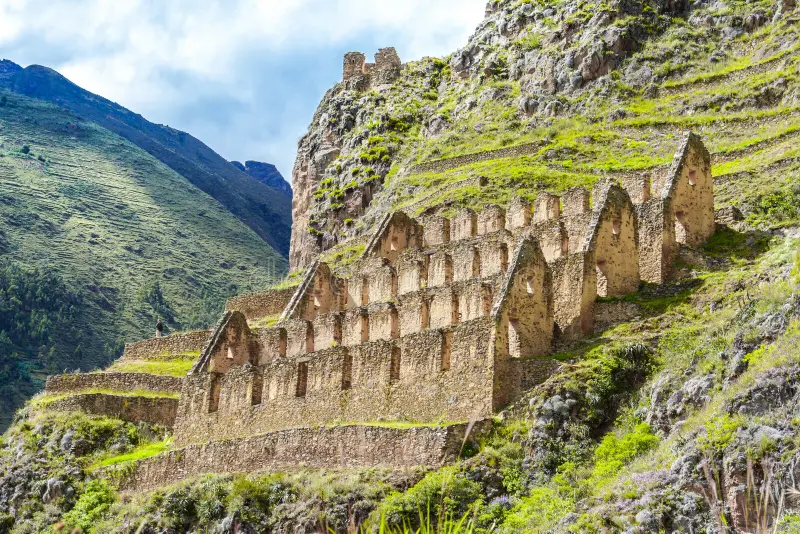
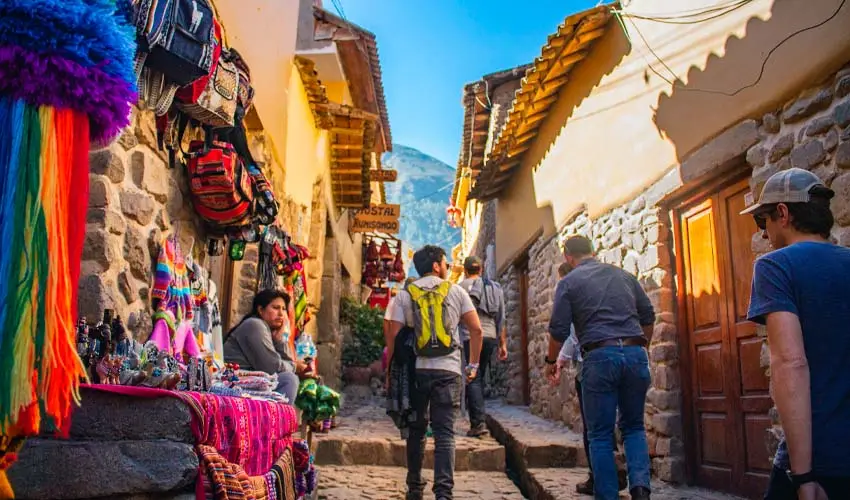
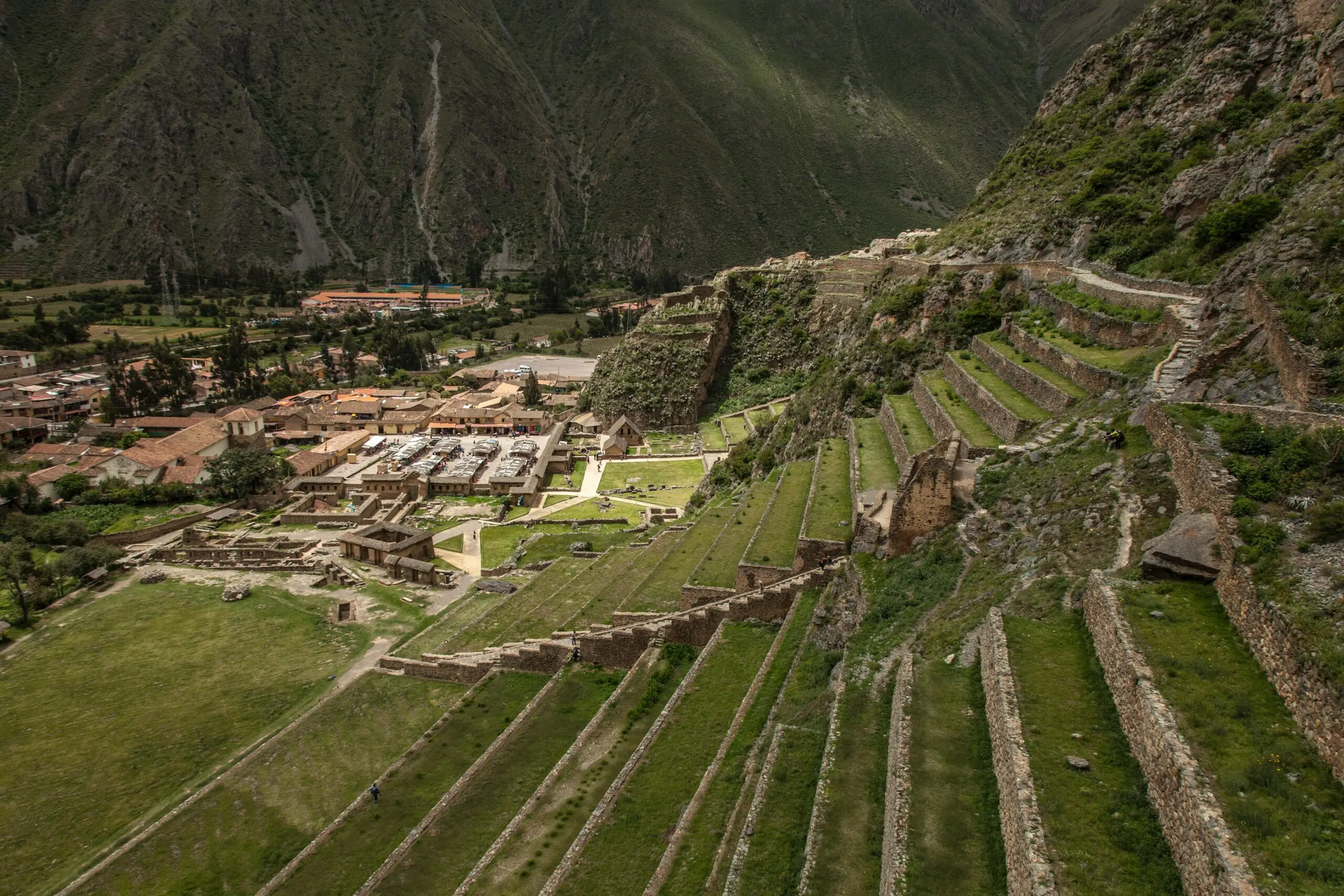
Ollantaytambo, situated in the Sacred Valley, is one of the best-preserved Inca towns and serves as a gateway to Machu Picchu. Its narrow cobblestone streets, ancient buildings, and impressive fortress make it a must-visit destination. The fortress, perched high on a hill, offers panoramic views of the valley and provides a glimpse into the strategic military prowess of the Incas.

The town of Ollantaytambo is a marvel of Inca architecture, with its well-planned urban layout and sophisticated water management systems. In effect massive stones used in the construction of the fortress and temples are a testament to the Incas’ engineering skills. The site served as both a military stronghold and a religious center, reflecting the dual purpose of many Inca structures.

The Battle of Ollantaytambo

Ollantaytambo holds historical significance as the site of a major battle between the Incas and the Spanish conquistadors. In 1536, the Inca resistance, led by Manco Inca Yupanqui, successfully repelled a Spanish attack, using the fortress’s strategic location to their advantage. This victory, although temporary, symbolizes the resilience and determination of the Inca people in the face of foreign invasion.

Experiencing Ollantaytambo Today

Today, Ollantaytambo is a vibrant town that retains its Inca heritage while embracing modernity. Visitors can explore its ancient streets, visit the bustling market, and climb the steep terraces of the fortress for breathtaking views. The town is also a starting point for the Inca Trail, offering adventurers a chance to follow in the footsteps of the Incas on their way to Machu Picchu.

Best Time to Visit Cusco and the Sacred Valley

The best time to visit Cusco and the Sacred Valley is during the dry season, which runs from May to October. During this period, the weather is mild, and the skies are clear, providing optimal conditions for exploring the ancient sites and enjoying the stunning landscapes.

Navigating the Seasons

Understanding the seasonal variations is crucial for planning a trip to the Sacred Valley. The dry season offers the best weather for trekking and sightseeing, but it is also the peak tourist season, which means popular sites can be crowded. Conversely, the wet season, from November to April, sees fewer tourists and lush green landscapes, but heavy rains can disrupt travel plans.

Travelers to the Sacred Valley must be prepared for the high altitude, which can affect even the fittest individuals. Acclimatization is key to avoiding altitude sickness, and it is recommended to spend a few days in Cusco before venturing into the higher altitudes of the valley. Staying hydrated, avoiding alcohol, and taking it easy during the first few days can help mitigate the effects of altitude.

Cultural Events and Festivals

Visiting during one of the Sacred Valley’s many cultural events can add a unique dimension to your trip. Festivals such as Inti Raymi in June celebrate the winter solstice and the Sun God, offering a vibrant display of traditional dances, music, and rituals. These events provide a deeper understanding of the region’s cultural heritage and offer a chance to witness the living traditions of the Andean people.

Supporting Local Markets and Communities
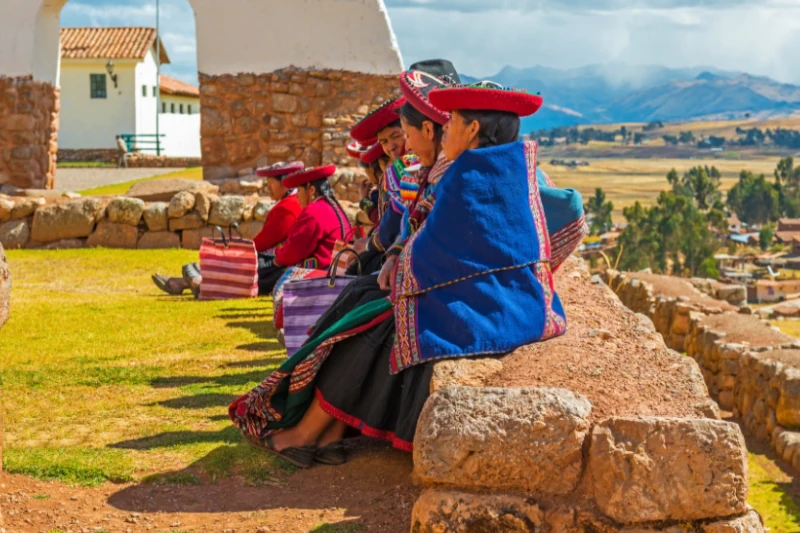
Chinchero Women Traditional Dress Portrait

A visit to the Sacred Valley is incomplete without exploring the vibrant local markets, where a kaleidoscope of colors, sounds, and aromas awaits. Markets such as the one in Chinchero offer a unique opportunity to interact with local artisans and purchase traditional crafts, textiles, and fresh produce. Supporting these markets not only enriches your travel experience but also contributes to the sustainability of local communities.

The Role of Markets in Community Life

Markets in the Sacred Valley are more than just places to buy goods; they are social hubs where communities gather to exchange news, celebrate, and maintain cultural ties. They offer a glimpse into the daily lives of the local people, providing insight into their customs and traditions. By participating in this vibrant atmosphere, visitors can gain a deeper appreciation for the region’s cultural diversity.

Ethical and Sustainable Tourism

Supporting local markets is an essential aspect of an ethical and sustainable tour packages. By purchasing directly from artisans and farmers, travelers help sustain local economies and preserve traditional crafts. This approach ensures that tourism benefits the community as a whole, rather than just a few individuals or corporations. Being mindful of where and how you spend your money can have a lasting positive impact on the region.

Many markets and communities in the Sacred Valley offer immersive experiences and workshops for visitors. These activities provide hands-on learning opportunities, from pottery and weaving to cooking traditional dishes. Participating in these workshops not only supports local artisans but also allows travelers to gain a deeper understanding of the skills and knowledge that have been passed down through generations.

A Journey Through Time and Culture

The Chinchero Inca site and the Sacred Valley are a testament to the ingenuity and cultural richness of the Inca civilization. From the architectural marvels of Chinchero to the vibrant textile art and the awe-inspiring landscapes of the Sacred Valley tour, this region offers a captivating journey through time and culture. By exploring these treasures and supporting local communities, visitors can forge a deeper connection with the heritage of the Andes and contribute to the preservation of this remarkable legacy.

In conclusion, whether you are a travel enthusiast, a cultural aficionado, or a history buff, the Sacred Valley of the Incas promises an enriching experience that will leave a lasting impression. The blend of history, culture, and natural beauty creates a unique tapestry that invites exploration and understanding, ensuring that every visit is a journey of discovery and connection.
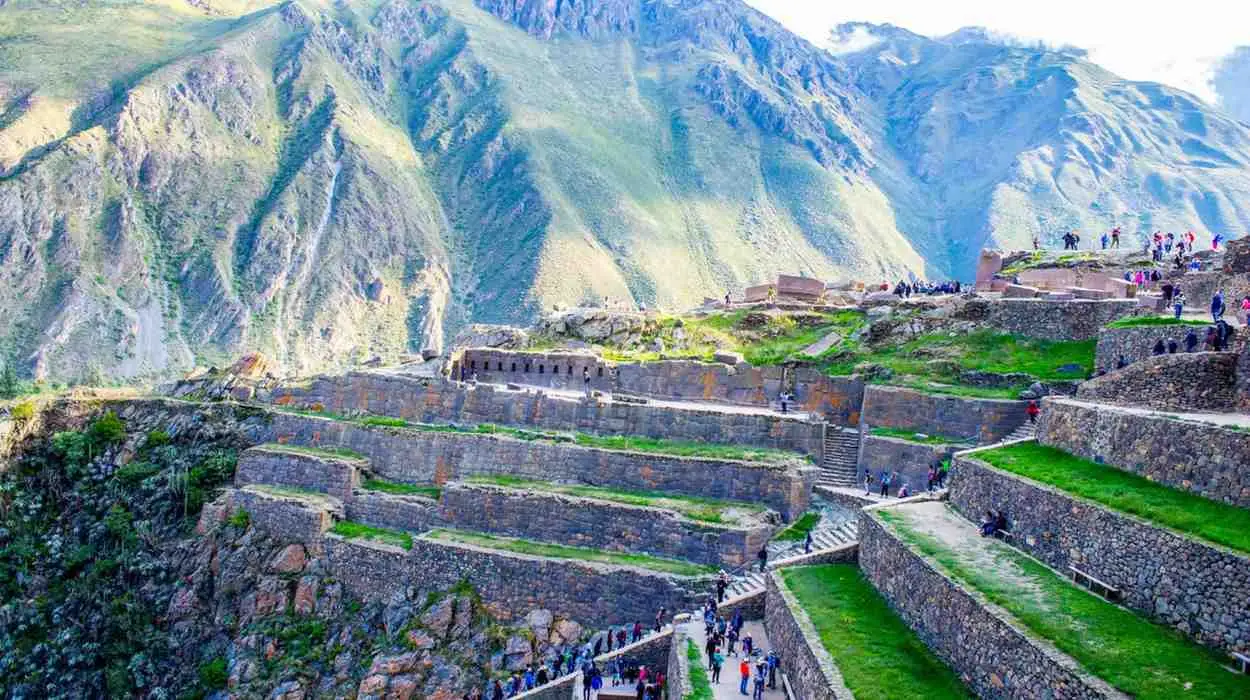
Ollantaytambo, often referred to simply as Ollanta, is a town steeped in history. Situated at an altitude of about 2,792 meters (9,160 feet) above sea level, it was once a strategic military, agricultural, and religious center of the Inca Empire. Its strategic location made it a vital link between the highlands and the jungle, allowing the Incas to control and manage their extensive empire effectively. The town served as a royal estate for Emperor Pachacuti, who is credited with its construction. Under his reign, Ollantaytambo became a hub of culture and power, a place where the Emperor could enjoy the fruits of his conquests while overseeing his realm.

The Inca Legacy

The Incas, renowned for their advanced engineering and architectural skills, left an indelible mark on Ollantaytambo. Their influence is visible in the town’s unique layout, featuring narrow cobblestone streets and terraced fields, which is a testament to their ingenuity. These terraces not only served agricultural purposes but also demonstrated the Incas’ ability to harmonize with nature, creating a sustainable environment that supported their population. The archaeological site at Ollantaytambo is one of the few places where the Incas successfully repelled Spanish forces, making it a symbol of resistance and resilience. The victory here is a poignant reminder of the Incas’ strategic brilliance and their determination to preserve their culture and autonomy in the face of foreign invasion.

Architectural Marvels

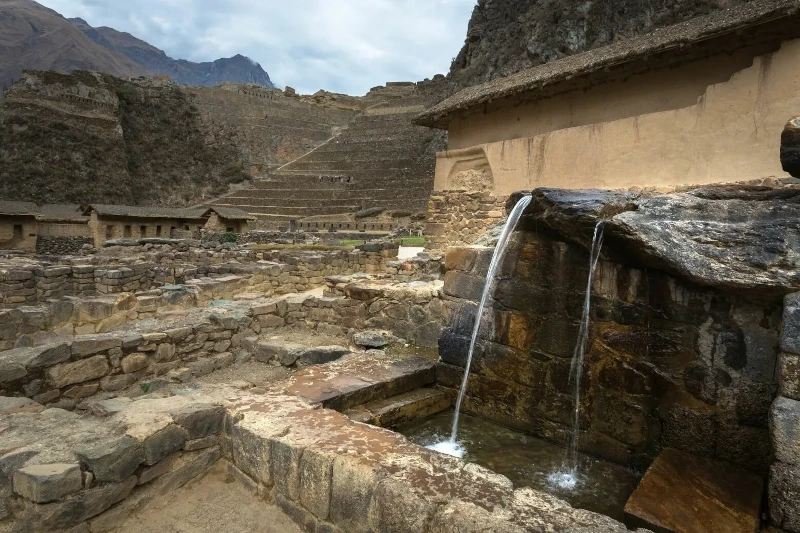
Ollantaytambo Inca Fountain Terraces

The Ollantaytambo ruins offer a glimpse into the past with their impressive stonework and terraces. The Temple Hill, also known as the Fortress, is a remarkable structure composed of massive stone blocks, some weighing over 50 tons. These blocks, transported from quarries miles away, were expertly carved and fitted together without the use of mortar, a feat that continues to puzzle modern engineers. The precision of Inca masonry continues to fascinate archaeologists and visitors alike, as it speaks to a level of craftsmanship and understanding of materials that was unparalleled at the time. Walking among these structures, one can’t help but feel the echoes of a time when the Inca Empire was at its zenith, a civilization advanced in both technology and spirituality.

Exploring the Sacred Valley

While Ollantaytambo is a focal point, the Sacred Valley encompasses several other noteworthy sites that are worth exploring. Each location within the valley holds its own unique charm and historical significance, offering a comprehensive glimpse into the world of the Incas.

Pisac

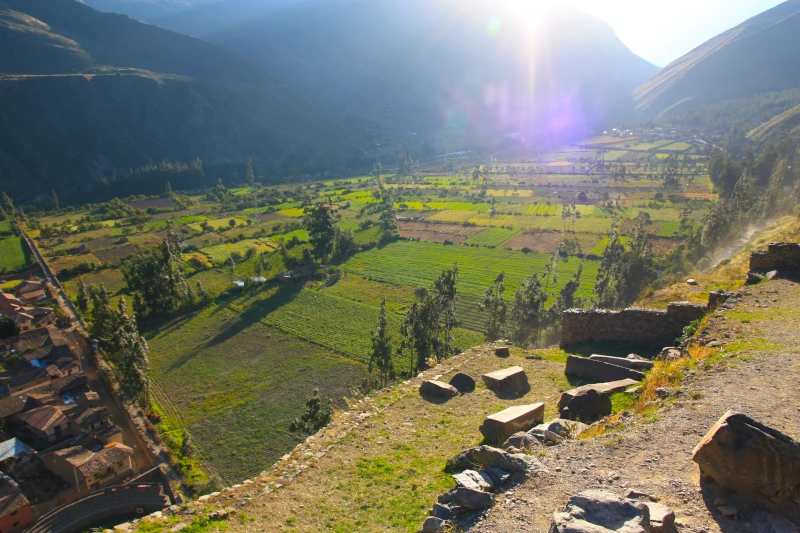
Pisac is renowned for its vibrant market and impressive ruins. The archaeological site is perched on a hillside, offering breathtaking views of the valley. This vantage point was strategically chosen by the Incas to oversee the surrounding lands and ensure their security. Pisac’s terraces are among the most extensive in the region, showcasing the Incas’ agricultural prowess. These terraces are a testament to the advanced farming techniques employed by the Incas, which allowed them to cultivate a variety of crops efficiently. The town’s market is a hub of activity, where you can find handcrafted goods, traditional textiles, and local produce. It is a place where the past and present converge, offering visitors a chance to experience the vibrant culture of the Andes firsthand.

Chinchero

Chinchero, often called the “birthplace of the rainbow,” is a picturesque village known for its traditional weaving techniques and colonial church. The village is a living museum where time seems to stand still, allowing visitors to experience the daily life of the Andean people. The ruins of Chinchero are believed to be the remains of an Inca royal estate, a place where the Emperor and his court could escape the rigors of political life. Visitors can witness weaving demonstrations and learn about the significance of textiles in Andean culture. These textiles, rich in symbolism and technique, tell the story of a people who have maintained their traditions for centuries, adapting and thriving in harmony with their environment.

Moray and Maras

Moray is an archaeological site that features circular terraces, which are thought to have been an agricultural laboratory for the Incas. These terraces, with their varying microclimates, allowed the Incas to experiment with different crops, enhancing their agricultural knowledge and efficiency. Nearby, the Maras salt ponds are a striking sight. Thousands of salt ponds, fed by a natural spring, have been harvested since pre-Inca times. The contrast of white salt against the red earth creates a unique and captivating landscape, a testament to the ingenuity and resourcefulness of the Andean people. Visiting these sites offers a deeper understanding of how the Incas harnessed natural resources to sustain and expand their empire.

Travel Tips for Visiting Ollantaytambo and the Sacred Valley

Ollantaytambo Terraces Tourists Climbing

Embarking on a journey to Ollantaytambo and the Sacred Valley requires some preparation to ensure a memorable experience. Proper planning will not only enhance your visit but also ensure that you respect the local customs and environment.

Acclimatization to Altitude

Given the high altitude of the region, it’s important to acclimatize to avoid altitude sickness. Spend a few days in Cusco, which sits at a higher altitude, to adjust before exploring the valley. This gradual adjustment will help your body acclimate, reducing the risk of discomfort. Stay hydrated, eat light meals, and avoid strenuous activities during your initial days. These simple precautions can make a significant difference in your ability to enjoy your trip to its fullest.

Best Time to Visit

The Best time to visit the Sacred Valley is during the dry season, from May to September. During this period, the weather is generally clear and mild, making it perfect for exploring the ruins and enjoying outdoor activities. However, this is also the peak tourist season, so plan and book accommodations in advance. Visiting during the shoulder months of April and October can offer a balance of pleasant weather and fewer crowds, allowing for a more intimate experience.

Ollantaytambo Pinkuylluna Storehouses Hillside

Transportation and Accessibility

Public transportation options, like buses and taxis, are available, but for more flexibility, consider hiring a private guide or renting a car. Having a guide can enhance your experience with detailed historical and cultural insights, providing context that enriches your understanding of the sites you visit. Remember to wear comfortable shoes, as exploring the ruins often involves walking on uneven terrain. Being well-prepared will ensure that you can fully appreciate the beauty and history of the region.

Cultural Etiquette

Respect for local customs and traditions is paramount. Always ask for permission before taking photographs of people, and be mindful of sacred sites. Engaging with locals and participating in community-led tours can provide a deeper understanding of the culture and support the local economy. These interactions often reveal the warmth and hospitality of the Andean people, creating memories that linger long after the journey ends.

Ollantaytambo Market Alley Textiles

Conclusion

The Sacred Valley, with Ollantaytambo at its core, offers a rich tapestry of history, culture, and natural beauty. From the ingenious engineering of the Inca ruins to the vibrant traditions that persist today, the valley invites you to explore and connect with an ancient civilization that continues to inspire. It is a place where history and modernity coexist, offering insights into a world that values both progress and tradition. With thoughtful preparation and an open mind, your journey through Ollantaytambo and the Sacred Valley will be both enlightening and unforgettable. Whether you’re a travel writer aiming to capture the essence of the Andes or a curious traveler seeking adventure, the secrets of the Sacred Valley await your discovery. This journey promises not only to reveal the mysteries of the past but also to inspire a deeper appreciation for the enduring legacy of the Incas.

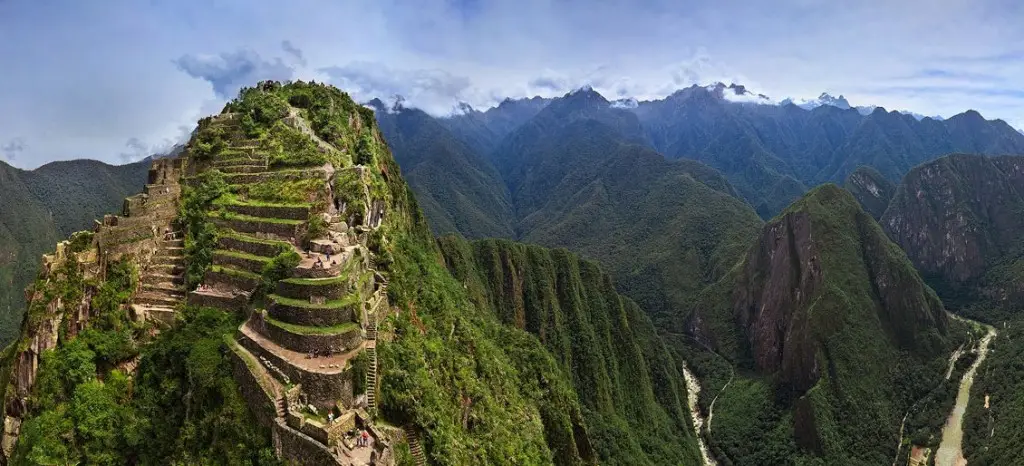
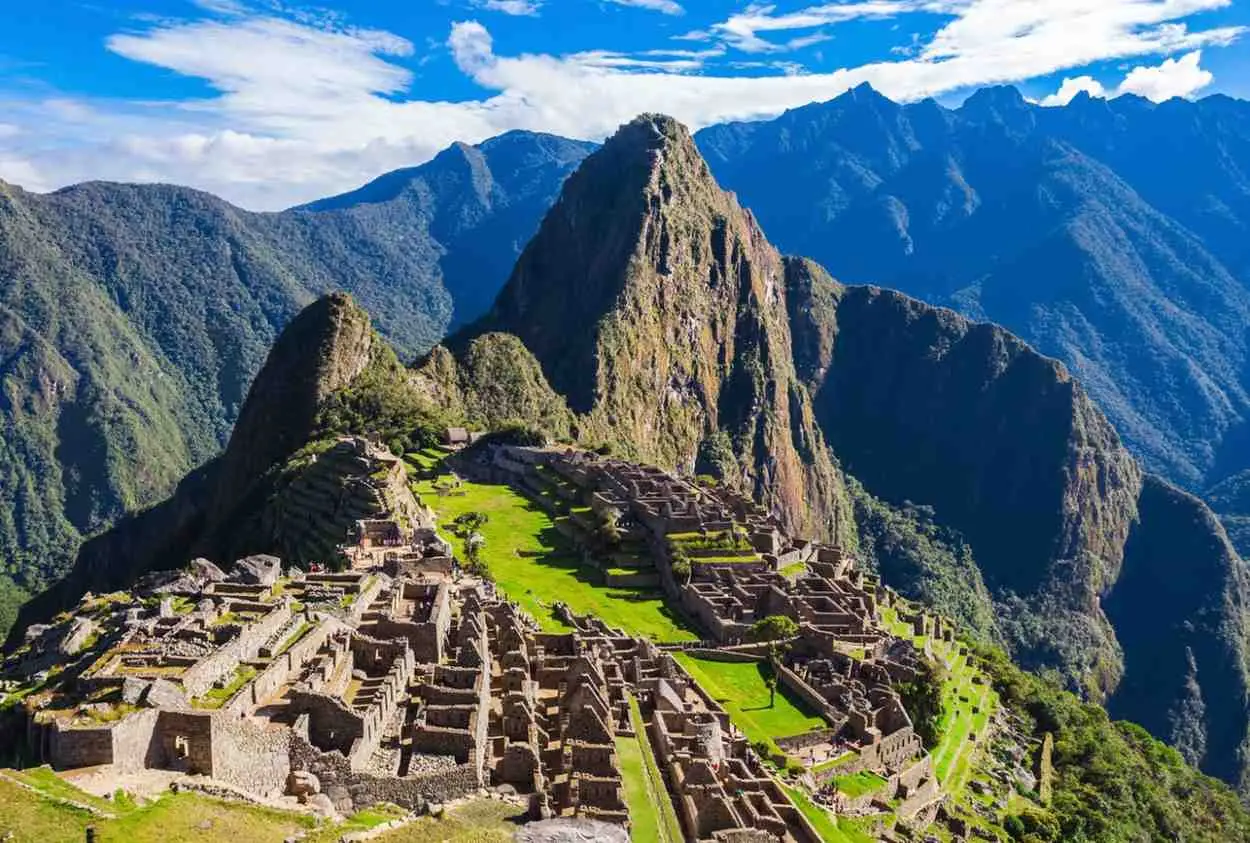
The allure of Huayna Picchu extends beyond its physical beauty; it is a place steeped in mystery and legend. Each step you take on its ancient paths is a journey back in time, offering insights into the engineering marvels and spiritual practices of a civilization that continues to captivate the world. With its blend of awe-inspiring scenery and rich cultural history, a visit to Huayna Picchu is not just a hike but a profound exploration of human ingenuity and the enduring bond between people and the land.

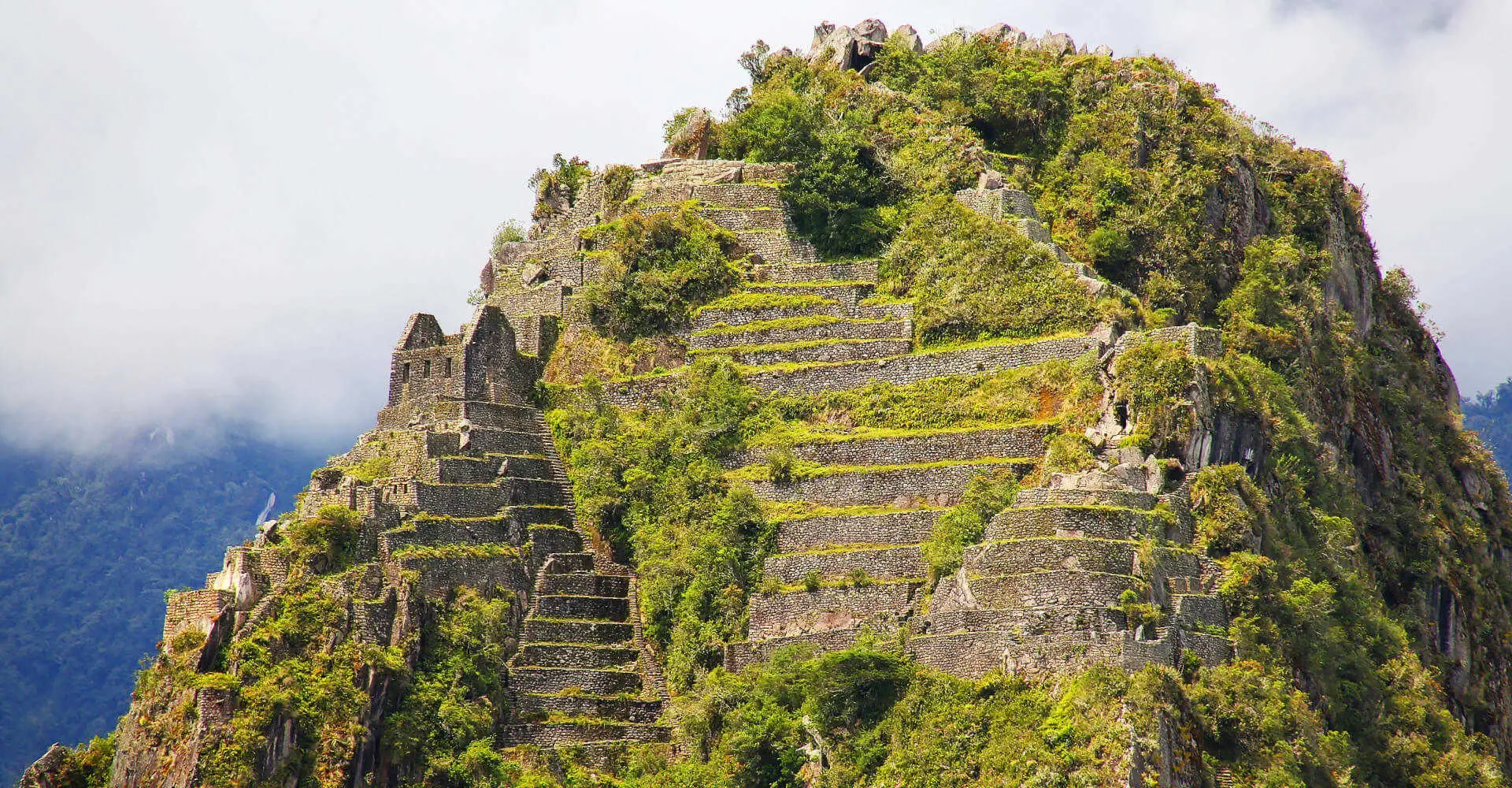
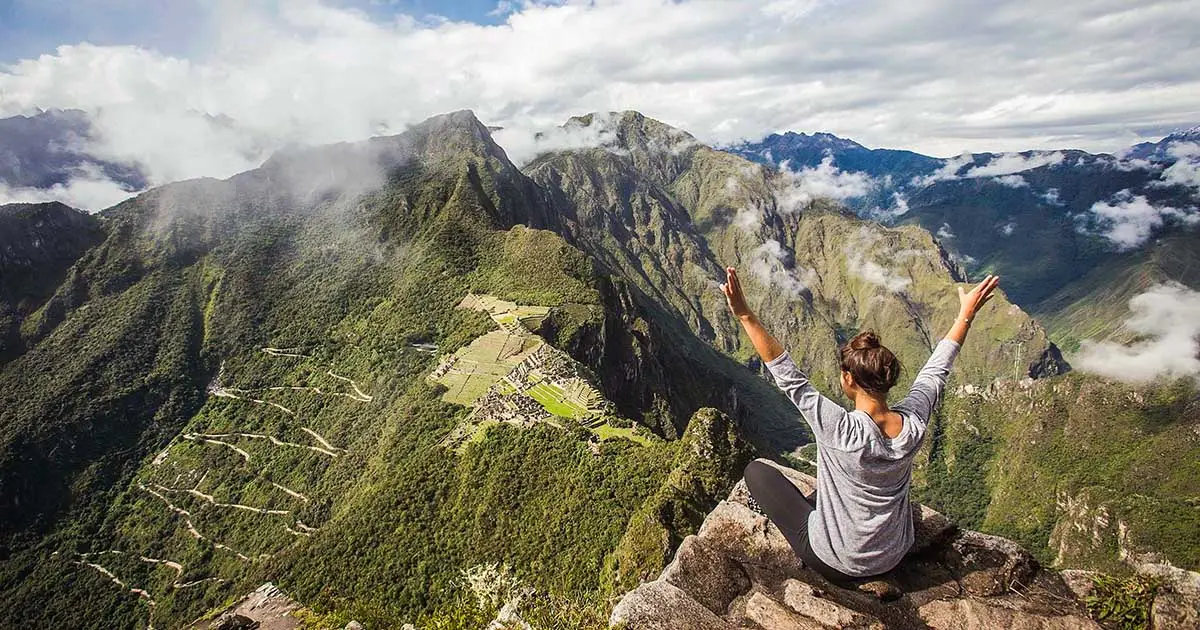
Huayna Picchu, often overshadowed by its more famous neighbor, Machu Picchu, offers an exhilarating experience for those eager to explore the heart of the Andes. Standing at an altitude of approximately 2,720 meters (8,920 feet), this peak provides a unique vantage point over the ancient city of Machu Picchu. From this height, the panoramic views are nothing short of spectacular, with the ancient ruins sprawling below and the majestic Andes stretching into the horizon. The climb itself is an adventure, presenting a physical challenge that is rewarded by the unparalleled beauty awaiting at the summit.

The mountain’s name, Huayna Picchu, translates to “Young Peak” in Quechua, the indigenous language of the Andes. This linguistic heritage adds a layer of cultural richness to the experience, inviting hikers to connect with the land’s ancestral roots. As you ascend the steep trails, you become part of a narrative that has been unfolding for centuries, one that speaks of resilience, spirituality, and a deep connection to the earth. The journey to Huayna Picchu is as much about personal reflection as it is about discovery, offering a chance to engage with the spirit of the Andes in a truly meaningful way.

Securing Your Huayna Picchu Tickets

Huayna Picchu Terraces Misty Close Up

Planning your visit requires securing the sought-after Machu Picchu and Huayna Picchu tickets. Due to limited availability, it is advisable to book your tickets well in advance. These tickets often sell out quickly, given the limited number of hikers allowed each day. This scarcity underscores the need for careful planning and consideration, ensuring that each visitor can enjoy the experience without overwhelming the delicate balance of this historical site.

The tickets can be purchased through authorized online platforms or in person at Machu Picchu  ticket offices in Cusco, Aguas Calientes, or Ollantaytambo. Each ticket grants access to both Machu Picchu and Huayna Picchu, allowing you to explore these iconic sites within a single visit. It’s important to note that the demand for these tickets is high, so flexibility in your travel dates can be advantageous. By securing your tickets early, you not only guarantee your entry but also allow yourself ample time to prepare for the physical and logistical aspects of the journey.

Ticket Types and Considerations

When purchasing your tickets, consider the different types available:

  • Machu Picchu Only: Grants access to the main archaeological site.
  • Machu Picchu + Huayna Picchu: Includes the hike to Huayna Picchu, offering a comprehensive exploration.

Ensure you choose the ticket that aligns with your travel plans and physical readiness for the hike. It’s also worth considering the time slots offered, as some visitors prefer to climb in the early morning for cooler temperatures and fewer crowds. Understanding the nuances of each ticket type can greatly enhance your experience, allowing you to tailor your visit to your interests and capabilities.

Preparing for the Hike

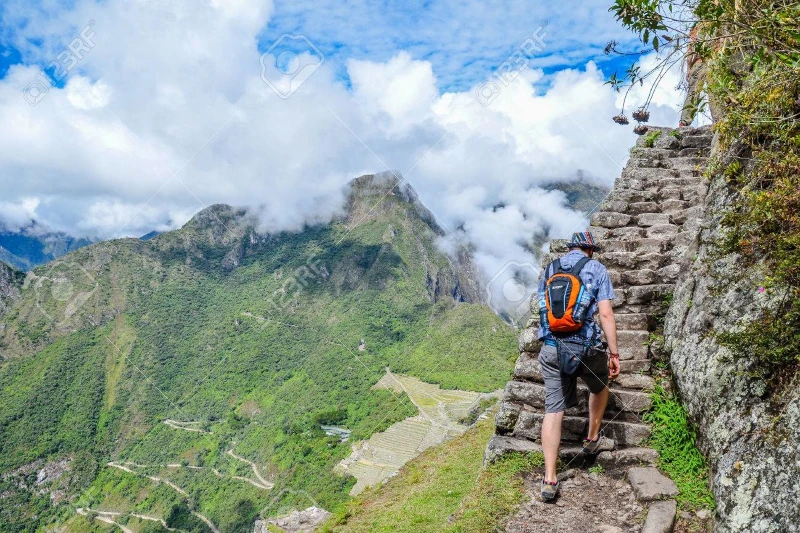
The Huayna Picchu hike is not for the faint-hearted. It is a steep and challenging climb that requires a moderate level of fitness. The inca trail comprises narrow paths and rocky steps, with some sections featuring handrails for safety. As you navigate these rugged trails, you’ll be challenged both physically and mentally, making the experience all the more rewarding. The sense of accomplishment upon reaching the summit is unmatched, offering a tangible connection to the perseverance and strength of the Incan people.

Tourist Climbing Huayna Picchu Stairs

Essential Gear and Tips

To make the most of your hike, consider the following essentials:

  • Sturdy Footwear: Hiking boots with good grip are crucial.
  • Weather-Appropriate Clothing: Layers are recommended, as temperatures can vary.
  • Water and Snacks: Staying hydrated and energized is key.
  • Camera: Capture the breathtaking vistas along the way.

Begin your hike early in the morning to avoid the midday heat and enjoy a quieter experience. Additionally, carrying a small backpack can help manage your belongings without hindering your movement. Adequate preparation can significantly enhance your comfort and enjoyment, allowing you to focus on the breathtaking views and the history that surrounds you.

The Journey to Machu Picchu

Your adventure typically begins in Cusco, the gateway to the Sacred Valley of the Incas. From Cusco, you can travel to Ollantaytambo, a charming town rich in Incan history. Here, you can catch a train to Aguas Calientes, the town at the foot of Machu Picchu. This journey is an experience in itself, as you traverse landscapes that have inspired generations of explorers and historians. Each leg of the trip offers its own unique insights into the region’s cultural and natural heritage.

Exploring Cusco and Ollantaytambo

Cusco, once the capital of the Inca Empire, is a city steeped in history. Take time to explore its cobblestone streets, vibrant markets, and historical sites such as the Qorikancha Temple. Ollantaytambo, on the other hand, is renowned for its well-preserved Incan ruins and stunning natural surroundings. Both locations provide a window into the past, where ancient traditions and modern life coexist harmoniously.

These towns offer a glimpse into the daily life and architectural ingenuity of the Inca civilization, setting the stage for your visit to Machu Picchu. As you wander through these historic locales, you’ll gain a deeper understanding of the Incan way of life, from their agricultural practices to their spiritual beliefs. Each moment spent in these towns adds depth to your overall journey, enriching your appreciation for the cultural tapestry that defines the Andes.

Views from the Top

Huayna Picchu Panorama River Valley

Reaching the summit of Huayna Picchu rewards you with panoramic views of Machu Picchu and the surrounding Andes. The sight of the ancient city nestled amidst lush green terraces and rugged peaks is nothing short of awe-inspiring. From this vantage point, the grandeur of Machu Picchu is fully revealed, showcasing the intricate planning and architectural prowess that went into its construction. The vistas invite contemplation, encouraging you to reflect on the ingenuity and vision of the Inca civilization.

At the top, you will also find the Temple of the Moon, an archaeological site carved into the mountain’s side. This site is believed to have held ceremonial significance for the Incas, adding a spiritual dimension to your journey. The Temple of the Moon serves as a reminder of the sacred nature of the Andes, where every stone and path holds a story waiting to be told. Exploring these ancient sites provides a profound connection to the past, enriching your understanding of the spiritual and cultural landscape of the Incas.

Intihuatana: The Hitching Post of the Sun

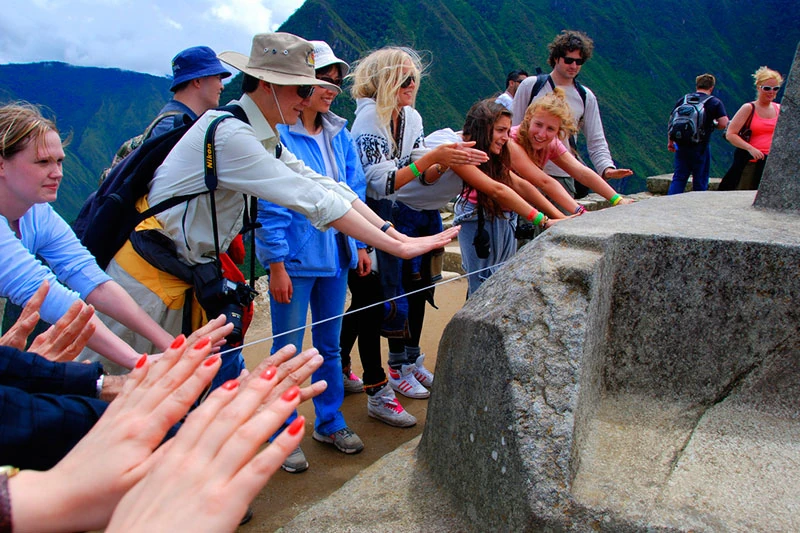
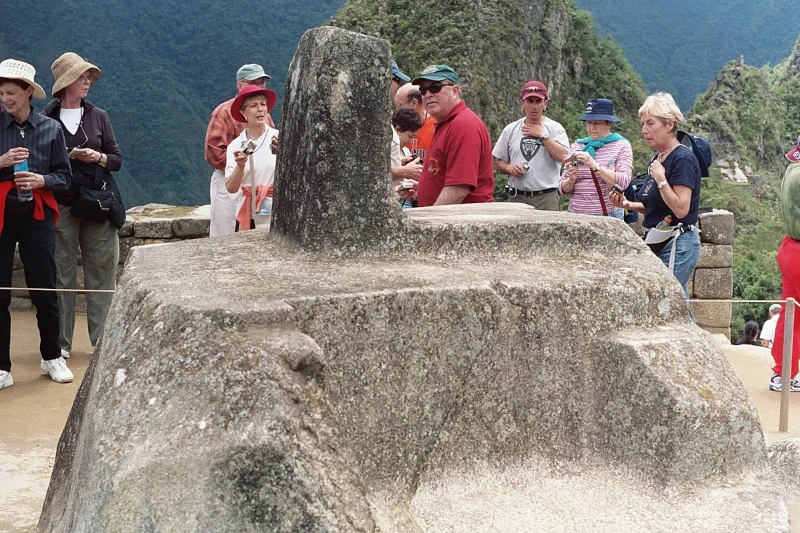
As you explore Machu Picchu, one of the must-see sites is the Intihuatana stone. This carved rock is thought to have been used by the Incas as an astronomical clock or calendar. Its name, “Intihuatana,” means “Hitching Post of the Sun” in Quechua, reflecting its cultural importance in Incan rituals. The stone is a testament to the Incas’ advanced understanding of astronomy and their ability to integrate this knowledge into their spiritual practices.

The Intihuatana is more than just an artifact; it is a symbol of the deep connection between the Incas and the cosmos. As you stand before it, you can imagine the ceremonies and observations that took place here, each one a blend of science and spirituality. The experience of witnessing the Intihuatana provides a unique perspective on the Incan worldview, where the heavens and the earth were inextricably linked.

Tips for a Memorable Visit

To ensure a memorable and respectful visit:

  • Respect the Environment: Follow designated paths and avoid touching or climbing on ruins.
  • Embrace the Experience: Take time to pause and reflect on the history and beauty surrounding you.
  • Engage with Local Guides: Their insights can enrich your understanding of the sites.

By approaching your journey with respect and curiosity, you contribute to the preservation of these invaluable cultural treasures. It’s important to remember that Machu Picchu full day and Huayna Picchu are not just tour packages destinations but sacred sites that hold deep significance for the descendants of the Inca civilization. Your visit can be a powerful way to honor this heritage, ensuring that future generations can also experience the wonder and majesty of these remarkable places.

Huayna Picchu Summit Woman Arms Raised

Conclusion

A visit to Huayna Picchu and Machu Picchu is more than a hike; it is a journey through history, culture, and natural beauty. As you ascend the sacred paths of the Andes, you walk in the footsteps of the Incas, connecting with the ancient legacy they left behind. Prepare well, tread lightly, and let the spirit of the Andes guide your way. This adventure offers a chance to step outside of the everyday and immerse yourself in a world where the past comes alive, and the landscape tells stories that have been passed down through generations.

Whether you are a seasoned traveler or a cultural enthusiast, this adventure promises to be a transformative experience, one that will deepen your appreciation for the rich tapestry of Andean civilizations. As you reflect on your journey, you’ll find that the lessons of the Andes extend far beyond the trail, offering insights into resilience, creativity, and the enduring power of human connection with

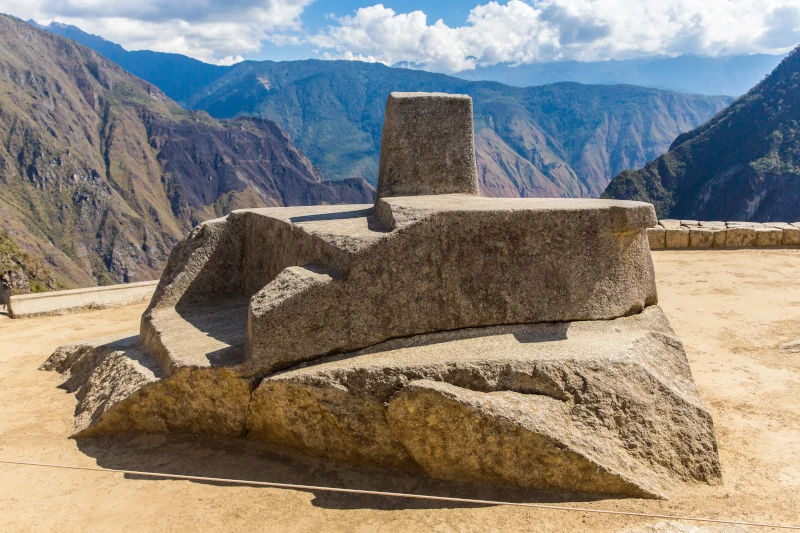
The Intihuatana, often referred to as the “Hitching Post of the Sun,” is a ritual stone associated with the Inca’s astronomical and religious practices. Carved directly from the bedrock of Machu Picchu, the stone is a masterpiece of Inca engineering and spirituality. Its name, derived from the Quechua language, reflects its purpose: “inti” meaning sun and “huatana” meaning to tie or hitch. Thus, the Intihuatana was believed to tether the sun, ensuring its return to the earth during the solstices.

Historical Significance

The Intihuatana stone is situated in one of the most sacred areas of Machu Picchu, a site that was likely a royal estate or religious retreat for Inca emperors. Historical evidence suggests that the stone served as an astronomical calendar, helping the Inca predict solstices and equinoxes with remarkable precision. This understanding of celestial events was crucial for agricultural planning and religious ceremonies.

The Spanish conquistadors, who sought to dismantle indigenous religious practices, often destroyed such stones throughout the empire. However, the Intihuatana at Machu Picchu was spared, likely due to the site’s remote and hidden location, preserving this vital piece of Inca history.

The Role in Inca Society

The Intihuatana was more than a scientific tool; it was an integral part of the Inca society’s religious fabric. Ceremonies conducted around the stone aimed to ensure bountiful harvests and were central to the spiritual life of the community. These rituals were led by high priests who were considered the intermediaries between the gods and the people.

Intihuatana Stone Urubamba Canyon View

Preservation and Discovery

Intihuatana’s preservation through the ages was partly due to its strategic concealment. When explorer Hiram Bingham rediscovered Machu Picchu in 1911, he found the site remarkably intact. The Intihuatana stone’s survival offers us a rare glimpse into the sophisticated knowledge and spiritual life of the Inca, unhindered by the extensive destruction seen in other parts of the empire.

Architectural Marvel

The craftsmanship of the Intihuatana stone reflects the broader architectural genius of the Inca. Its precise angles and alignment demonstrate a deep understanding of both engineering and the cosmos. The stone was designed to align with specific astronomical events, showcasing the Inca’s ability to integrate their spiritual beliefs with scientific observation.

Machu Picchu: A Center of Inca Civilization

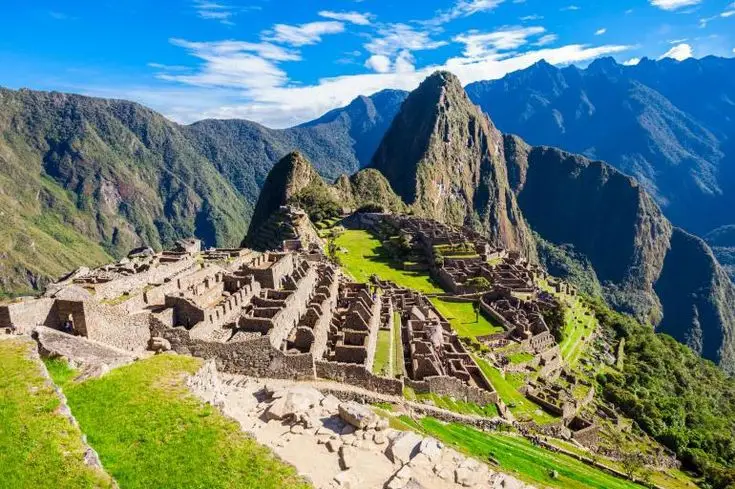
Machu Picchu itself is a testament to the ingenuity and architectural prowess of the Inca civilization. Built in the 15th century under the reign of Pachacuti, the site is strategically located between the Andes and the Amazon Basin, offering stunning views and a wealth of natural resources.

Connection to the Sacred Valley

The Sacred Valley, a region encompassing Cusco and several important Inca sites, was the heartland of the empire. Machu Picchu’s location in the Sacred Valley underscores its significance as both a spiritual and administrative hub. The valley’s fertile lands supported a thriving agricultural economy, while its rivers and mountain passes facilitated trade and communication.

The Sacred Valley’s fertile plains were vital to the Inca’s agricultural success. Terraces built into the slopes allowed for diverse crop cultivation and efficient water management. This agricultural base supported Machu Picchu’s population, sustaining the empire’s growth and prosperity.

Trade and Communication

The valley’s geography facilitated trade routes that connected different parts of the empire. These routes allowed for the exchange of goods, ideas, and culture, strengthening the Inca’s political and economic power. Machu Picchu was a key node in these networks, linking the mountains to the inca jungle.

Spiritual Importance

The Sacred Valley was not just an economic hub; it was a spiritual center. The alignment of the valley’s sites with celestial phenomena underscored the Inca’s belief in their divine connection to the land. Machu Picchu’s placement within this sacred landscape reflects its role as a place of worship and reflection.
Intihuatana Sacred Stone Ritual Tourists

The Short Inca Trail and Huayna Picchu

For modern travelers, the Inca Trail remains a popular route to Machu Picchu, with the Short Inca Trail offering a more accessible option for those with limited time. This trail provides a glimpse into the stunning landscapes and rich history of the region, culminating in the awe-inspiring arrival at the Sun Gate with a view of Machu Picchu.

Experiencing the Short Inca Trail

The Short Inca Trail is a condensed version of the classic trek, offering breathtaking views and a taste of Inca history. Hikers traverse ancient paths, passing through cloud forests and archaeological sites, before reaching the Sun Gate. This route is ideal for those seeking adventure without committing to the longer trek.

Huayna Picchu: The Guardian Peak

Huayna Picchu, the towering peak behind the citadel, offers an adventurous climb and breathtaking vistas. Scaling this peak was likely a rite of passage for Inca priests and astronomers, who used the vantage point for celestial observations. Today, it remains a challenging but rewarding endeavor for visitors seeking panoramic views of Machu Picchu full day.

The Sun Gate, or Inti Punku, marks the entrance to Machu Picchu from the Inca Trail. For the Inca, it symbolized the transition from the earthly realm to the sacred city. Arriving at the Sun Gate at sunrise allows modern visitors to experience the same awe and reverence that the Inca felt as they entered the holy city.

The Purpose of the Intihuatana

The Intihuatana stone’s primary function was as an astronomical tool, but its purpose extended beyond scientific measurements. It was an integral part of the Inca’s spiritual practices, symbolizing the connection between the earthly and celestial realms.

The stone’s precise alignment with the cardinal points allowed the Inca to track the movement of the sun throughout the year. During the winter solstice, the sun’s position would cast no shadow on the stone, marking the shortest day of the year. This event was crucial for planning agricultural activities and conducting religious ceremonies to honor Inti, the sun god.

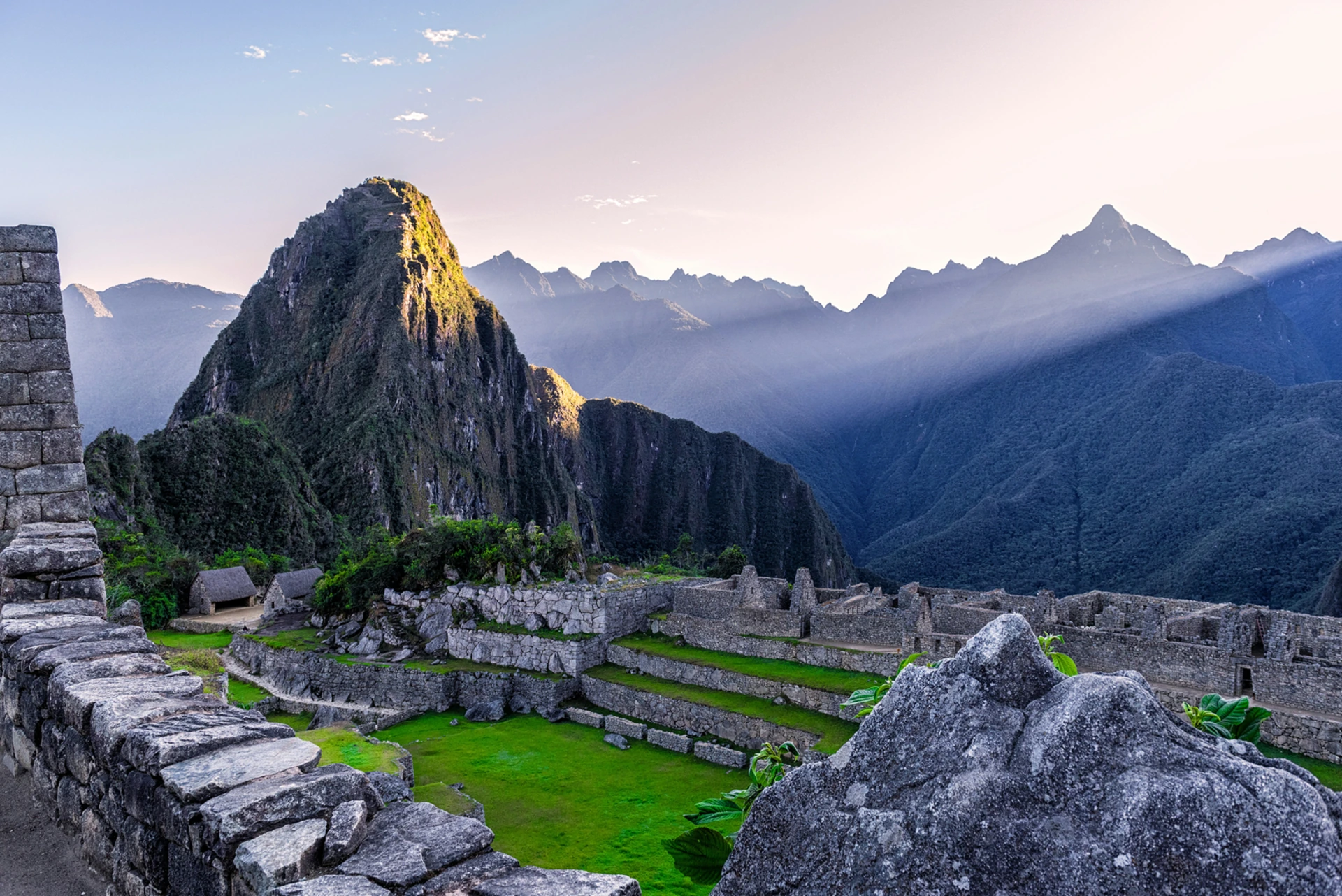
Machu Picchu Sunrise Light Rays

Tracking Celestial Events

The Intihuatana was aligned not only to the solstices but also to equinoxes and other significant celestial events. This alignment allowed the Inca to create a reliable calendar for agricultural and ceremonial purposes, ensuring that their rituals and planting cycles were in harmony with the cosmos.

Symbol of Power

Beyond its practical uses, the Intihuatana symbolized the Inca’s mastery over nature and their divine right to rule. By “tying” the sun, the Inca demonstrated their control over the natural world, reinforcing their authority and legitimizing their leadership.

Agricultural Planning

The ability to predict celestial events was vital for agricultural success. The Inca used the Intihuatana to determine the best times for planting and harvesting, aligning their agricultural activities with the sun’s cycles. This synchronization with nature was a cornerstone of their civilization’s prosperity.

In addition to its practical applications, the Intihuatana served as a spiritual conduit for the Inca. The stone was believed to hold the power of the sun, acting as a mediator between the deities and the earthly realm. Rituals performed at the stone were thought to ensure the harmony and prosperity of the empire, reinforcing the Inca’s divine right to rule.

Rituals and Ceremonies

Ceremonies at the Intihuatana were elaborate affairs, involving offerings, music, and dance. These rituals were designed to honor the gods and seek their favor, ensuring the empire’s continued success and spiritual harmony. Participants believed that these ceremonies connected them directly to the divine.

The Intihuatana was more than a tool; it was a sacred object that embodied the Inca’s relationship with the divine. Its presence at Machu Picchu served as a constant reminder of the gods’ influence on daily life and the importance of maintaining balance between the earthly and spiritual worlds.

Symbol of Cultural Identity

For the Inca, the Intihuatana represented their cultural identity and spiritual heritage. It was a tangible link to their past and a symbol of their enduring connection to the cosmos. Today, it continues to inspire those who visit, offering a glimpse into the rich spiritual life of the Inca civilization.

Visiting Machu Picchu and the Intihuatana Today

Machu Picchu Intihuatana Stone Tourists

Today, Machu Picchu is a UNESCO World Heritage Site and one of the New Seven Wonders of the World. Visitors can explore the ancient city, marvel at its architectural feats, and connect with its rich cultural heritage. The Intihuatana stone remains a focal point for many, offering a tangible link to the spiritual and scientific achievements of the Inca.

Tickets and Travel Tips

To visit Machu Picchu and the Intihuatana, travelers must purchase Machu Picchu tickets in advance, as daily visitor numbers are limited to preserve the site. It is advisable to book tickets well ahead of time, especially during peak tourist seasons. For those looking to hike the Inca Trail, securing a permit is also essential.

Planning Your Visit

When planning a visit to Machu Picchu, timing is crucial. The best time to visit Cusco is during the dry season, from May to September, when the weather is favorable for hiking and exploring. Booking accommodations and transportation early can ensure a smooth and memorable experience.

Navigating Machu Picchu requires some preparation, as the site is vast and filled with historical landmarks. Hiring a knowledgeable guide can enhance your visit, providing insights into the history and significance of each location. Comfortable walking shoes and ample water are essential for a full day of exploration.

Respecting the Heritage

Visitors are encouraged to respect the site’s cultural and historical significance. Following the designated paths, refraining from touching the stones, and adhering to site regulations helps preserve Machu Picchu for future generations. Awareness of the site’s spiritual importance can deepen your connection to this ancient wonder.

Ollantaytambo: The Gateway to Machu Picchu

Ollantaytambo, a town in the Sacred Valley, serves as a gateway to Machu Picchu. Its well-preserved ruins and traditional Andean wildlife and culture make it a worthwhile stop on any journey through the region.

Ollantaytambo was a key military, agricultural, and religious center during the Inca Empire. Its strategic location and impressive fortifications reflect its importance in the defense and administration of the region. The town’s layout and structures offer valuable insights into Inca urban planning and architectural techniques.

Exploring the Ruins

The ruins of Ollantaytambo are a fascinating site to explore, with terraces, temples, and plazas that showcase Inca ingenuity. The Temple of the Sun and the Enclosure of the Ten Niches are particularly noteworthy, demonstrating advanced stonework and astronomical alignment.

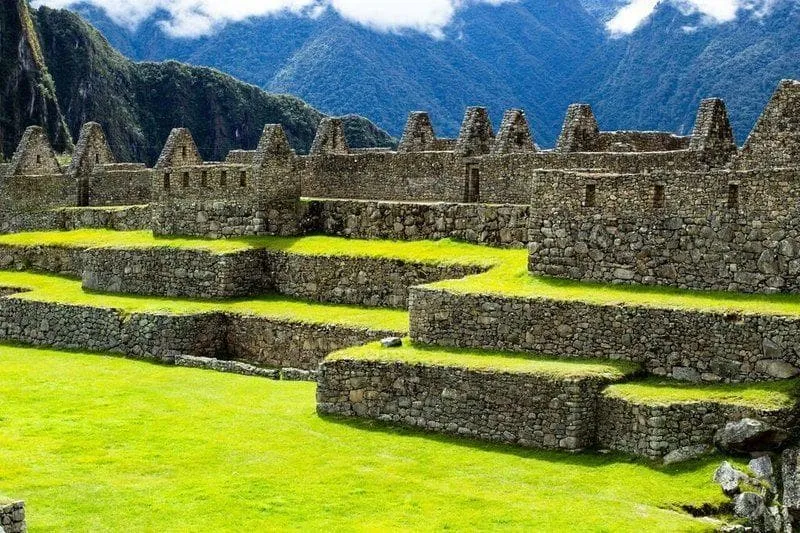
Machu Picchu Ruins Terraces Daytime

Cultural Experiences

Ollantaytambo is not just an archaeological site; it’s a living town with vibrant cultural traditions. Visitors can immerse themselves in Andean culture by participating in local festivals, sampling traditional cuisine, and engaging with the community. This cultural exchange enriches the experience of visiting the Sacred Valley.

Conclusion

The Intihuatana at Machu Picchu stands as a testament to the Inca’s sophisticated understanding of astronomy and their deep spiritual connection to the natural world. As you explore the Sacred Valley and its many wonders, let the Intihuatana guide you in uncovering the rich tapestry of history and culture that defines this remarkable civilization. Whether you are trekking the Short Inca Trail, climbing Huayna Picchu, or wandering through Cusco, the echoes of the past resonate in every stone and shadow, inviting you to connect with the legacy of the Inca.

Nestled in the heart of the Andes, the South Valley of Peru offers a treasure trove of cultural and historical attractions that often go unnoticed by the typical tourist. While many travelers flock to the iconic Sacred Valley and the bustling city of Cusco, the South Valley presents an equally captivating yet more tranquil experience. This region, rich in history and tradition, is an essential addition to any Peru travel guide.

In contrast to the more frequented locales, the South Valley offers an unspoiled beauty that appeals to those seeking a more intimate encounter with Peru’s heritage. The landscapes here are a canvas of rolling hills, terraced fields, and quaint villages that seem to whisper stories of the past. Each corner of the South Valley holds a secret waiting to be discovered, offering travelers a chance to connect deeply with the land and its history.

South Valley Peru Off-the-Beaten-Path Attractions Near Cusco

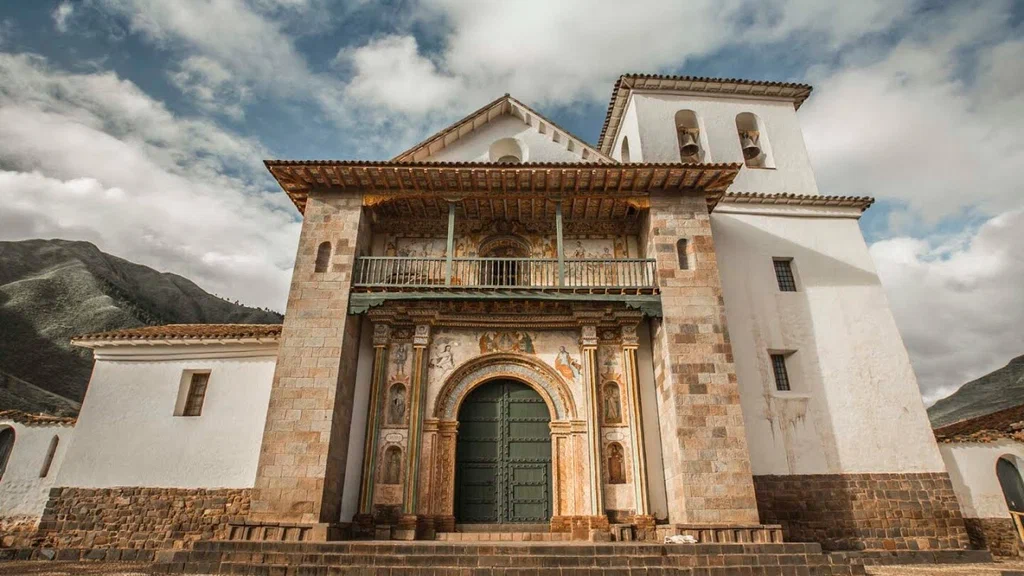
Andahuaylillas Church Facade Cusco

The South Valley is a perfect vacation trip for those who wish to explore beyond the conventional routes. Here, you can immerse yourself in the unique tapestry of Andean civilizations and discover lesser-known sites that tell the stories of ancient peoples. This region’s cultural mosaic is a vibrant blend of traditions, where age-old customs continue to thrive amidst modern influences, providing a unique perspective on the Andean way of life.

The South Valley is not just a feast for the eyes but also a journey through time. Its historical significance is evident in the ancient ruins and colonial architecture that dot the landscape. From the ingenious Inca engineering marvels to the exquisite artistry of colonial churches, the South Valley is a testament to the enduring legacy of its inhabitants. Each site tells a story of innovation, resilience, and cultural fusion, making the South Valley a must-visit for history enthusiasts.

Tipón is an impressive archaeological site that showcases the ingenuity of Inca hydraulic engineering. Located approximately 23 kilometers southeast of Cusco, this site features a complex system of terraces and water channels that continue to function to this day. The Incas constructed these terraces to optimize agriculture at high altitudes, demonstrating their sophisticated understanding of irrigation.

Engineering Mastery

For those interested in the intersection of history and technology, Tipón is a must-see. As you walk through the site, you can marvel at the precision with which the water flows through the channels, a testament to the Inca’s mastery of their environment. This site exemplifies the Incas’ ability to harmonize technology with nature, creating sustainable agricultural solutions that supported their civilization for centuries.

Agricultural Innovation

The terraces of Tipón are more than just engineering feats; they are a testament to the Incas’ agricultural prowess. These terraces allowed for the cultivation of a variety of crops at different altitudes, maximizing agricultural output. The sophisticated irrigation system ensured a steady water supply, vital for sustaining crops in the Andean climate, showcasing the Incas’ foresight in agricultural planning.

Beyond its technical marvels, Tipón offers cultural insights into Inca society. The site is believed to have been a royal estate or a ceremonial center, indicating its importance in Inca culture. Exploring Tipón provides a glimpse into the daily lives and spiritual practices of the Incas, offering a deeper understanding of their civilization’s complexity.

Pikillacta: A Glimpse into Pre-Inca Civilizations

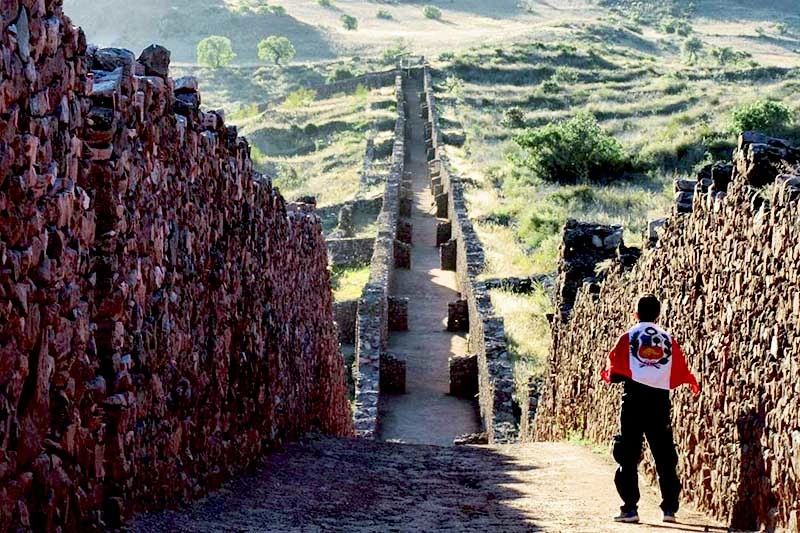
Before the Incas, the Wari civilization thrived in the Andes. Pikillacta, a vast archaeological site located about 32 kilometers from Cusco, offers insight into this pre-Inca society. Covering over 50 hectares, Pikillacta is one of the most extensive Wari sites in Peru.

Piquillacta Archaeological Site Stone Corridor

Urban Planning

The site’s layout includes residential areas, ceremonial spaces, and streets, highlighting the Wari’s organizational skills and urban planning. The structured design of Pikillacta is a testament to the Wari’s advanced understanding of urban development, providing a fascinating contrast to the organic growth of Inca cities. This meticulous planning reflects a sophisticated approach to community living and resource management.

Exploring Pikillacta provides a fascinating contrast to the Inca sites more commonly visited in the region, allowing travelers to gain a broader understanding of Andean history. The distinct architectural style and layout offer clues about the social structure and daily life of the Wari people, offering a window into a civilization that laid the groundwork for future Andean cultures.

Architectural Wonders

The stonework and construction techniques at Pikillacta reveal the Wari’s architectural prowess. The large-scale structures and intricate designs demonstrate their skill in crafting functional yet aesthetically pleasing buildings. These architectural wonders stand as a testament to the Wari’s ingenuity and their influence on subsequent Andean cultures.

Andahuaylillas: The Sistine Chapel of the Andes

The small town of Andahuaylillas is home to a hidden gem known as the “Sistine Chapel of the Andes.” This church, officially called San Pedro Apóstol, is renowned for its breathtaking murals and intricate woodwork. Built in the 16th century, the church is a stunning blend of indigenous and colonial art, reflecting the cultural syncretism of the region.

Artistic Fusion

Visitors to Andahuaylillas can admire the vibrant frescoes that cover the walls and ceiling, depicting biblical scenes interwoven with local motifs. The church stands as a testament to the artistic and cultural fusion that characterizes much of Peru’s heritage. This blend of styles offers insights into the cultural exchanges between indigenous communities and European settlers during the colonial period.

The intricate woodwork and gold leaf embellishments within the church highlight the craftsmanship of local artisans. Each detail is meticulously crafted, showcasing the artistic talent present in the region during the colonial era. The church’s architecture reflects a harmonious blend of European and indigenous influences, making it a unique cultural landmark.

Cultural Significance

Andahuaylillas hold significant cultural importance as a symbol of religious and cultural convergence. The church serves as a reminder of the region’s complex history, where diverse beliefs and traditions coexisted and evolved. This cultural significance adds depth to the experience of visiting Andahuaylillas, offering a richer understanding of Peru’s multifaceted heritage.

Planning Your Perfect South Valley Trip

To make the most of your visit to the South Valley, consider spending a full day exploring the various attractions. Start your journey early in Cusco, allowing you ample time to visit each site without feeling rushed. Many travel packages include guided tours of the South Valley attractions, providing valuable insights into the history and significance of each location.

Strategic Planning

When planning your trip, remember to account for the altitude. The South Valley, like much of the region around Cusco, is situated at high altitudes, which can affect travelers unaccustomed to such conditions. It is advisable to acclimate in Cusco before venturing further, ensuring a comfortable and enjoyable experience. Strategic planning can enhance your trip, allowing you to explore with ease and comfort.

Opting for guided tours can enrich your experience, offering expert knowledge and insights into the South Valley’s attractions. Guides can provide historical context and anecdotes that bring the sites to life, making your visit more meaningful. These guided experiences can also help navigate logistical challenges, ensuring a seamless travel experience.

Raqchi Temple Wiracocha Ruins

Logistics and Accessibility

Consider transportation options and accessibility when planning your trip. The South Valley is accessible by road from Cusco, and various tour operators offer transport services. Understanding the logistics of getting to and from the sites can help you make the most of your time, ensuring you don’t miss any of the South Valley’s hidden gems.

In addition to exploring historical sites, take the time to engage with the local culture. The South Valley is home to vibrant communities that maintain traditional Andean customs. Markets in towns like Oropesa, known for its delicious bread, offer a chance to interact with locals and sample regional specialties.

Culinary Delights

Sampling local cuisine is an essential part of experiencing the South Valley’s culture. The region’s culinary offerings reflect its agricultural heritage and diverse influences. From traditional dishes to unique local specialties, the flavors of the South Valley provide a delicious insight into the area’s cultural richness.

Participating in local festivals and events, if your timing allows, can provide a deeper connection to the area’s cultural heritage. These experiences enrich your understanding of the contemporary Andean way of life and the enduring legacy of ancient civilizations. Engaging with local communities offers a more authentic travel experience, allowing you to appreciate the region’s cultural vibrancy.

Craftsmanship and Traditions

Exploring local craftsmanship and traditional practices can enhance your cultural experience. The South Valley is known for its skilled artisans who produce beautiful textiles, pottery, and other crafts. Visiting workshops and markets allows you to witness these traditions firsthand, gaining a deeper appreciation for the region’s artistic heritage.

The South Valley’s Timeless Allure

The South Valley of Peru is a region that captivates with its blend of natural beauty, historical significance, and cultural richness. As a travel writer, conveying the depth and diversity of this area allows readers to appreciate the uniqueness of Andean cultures.

A Journey Through Time

By venturing off the beaten path and exploring attractions such as Tipón, Pikillacta, and Andahuaylillas, travelers gain a more comprehensive understanding of Peru’s rich tapestry. These sites, each with its own story to tell, contribute to the broader narrative of Andean civilizations. This journey through time offers a profound connection to the past, enriching your travel experience.

Whether you’re crafting a Peru travel guide or simply seeking inspiration for your next adventure, the South Valley offers an unforgettable journey into the heart of ancient history and living culture. As you explore, remember to immerse yourself fully, for it is through these experiences that the true essence of the Andes comes to life. Embracing the region’s cultural heritage provides a deeper appreciation for its history and traditions.

By embracing the allure of the South Valley, you not only enrich your own travels but also share the timeless stories of this remarkable region with the world. Sharing your experiences can inspire others to explore the South Valley, ensuring that its stories continue to be told for generations to come. Through these shared narratives, the South Valley’s timeless allure endures, captivating travelers from around the globe.

Introduction to the Qeswachaka Bridge

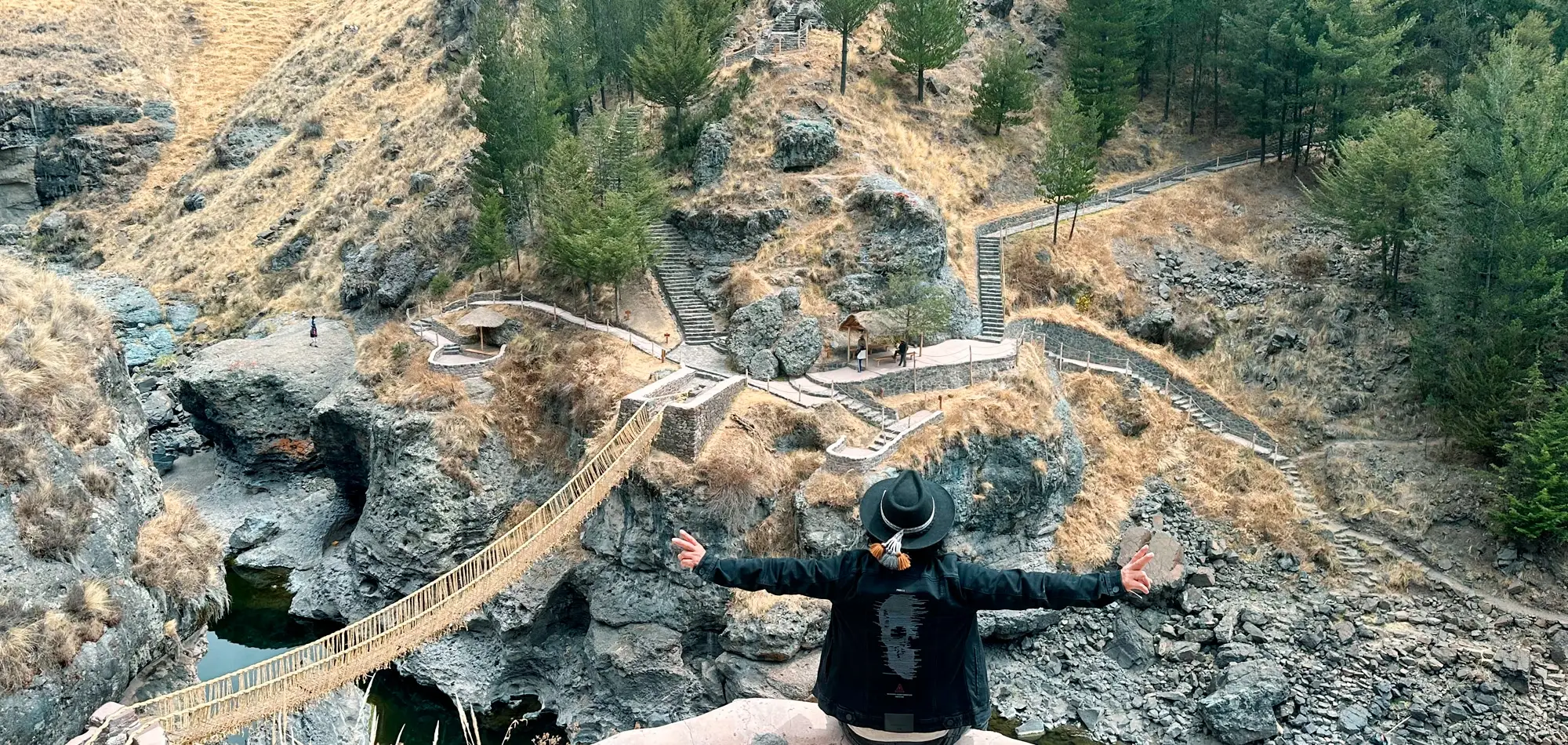
Nestled deep within the Sacred Valley, the Qeswachaka Bridge is a testament to the engineering prowess and cultural depth of the Inca Empire. This bridge, woven entirely from natural fibers, has been in continuous use for over 500 years. Its existence is not merely a feat of engineering but a living narrative of the cultural and historical richness of the Andean people. It stands not only as a functional piece of infrastructure but also as a symbol of the rich traditions that have defined Peruvian culture for centuries. For those exploring the top things to do in Cusco, a visit to this bridge offers a unique glimpse into the enduring legacy of the Inca trail and its cultural significance. Visitors to the bridge are not just crossing a river; they are traversing a bridge that has witnessed the passage of time and the evolution of a civilization.

Qeswachaka Inca Rope Bridge

Ingenious Inca Suspension Technology

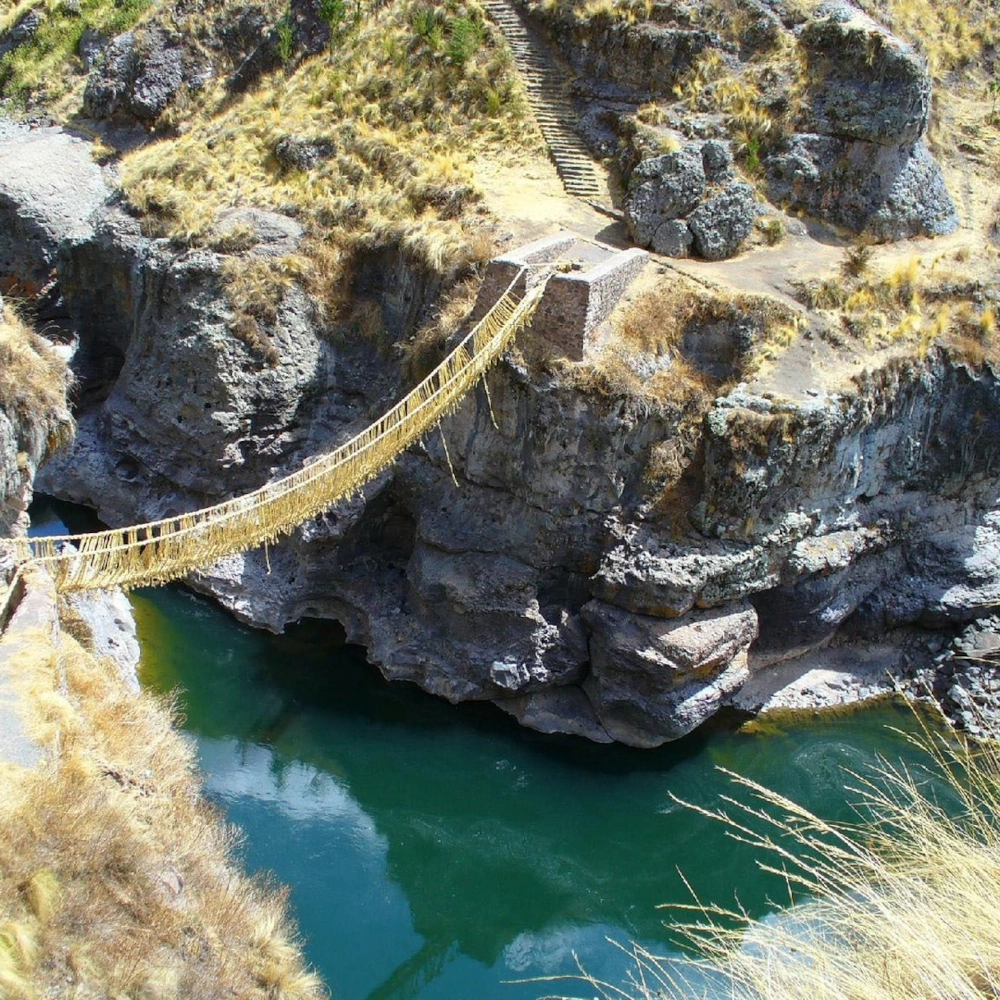
The Qeswachaka Bridge is one of the last remaining examples of Inca suspension bridge technology. Built by the indigenous people of the Inca Valley, it showcases the ingenuity and resourcefulness of the Inca civilization. Its construction is a vivid reminder of a time when natural resources were used not only sustainably but also ingeniously to solve complex engineering challenges. The bridge’s continuous maintenance and reconstruction highlight the community’s commitment to preserving their cultural heritage. This dedication is a testament to the strength of the community’s identity and their desire to maintain a tangible link to their ancestors. The process of rebuilding the bridge serves as a practical lesson in unity and resilience, illustrating how traditional practices can thrive in a modern world.

Construction Materials and Community Bonding

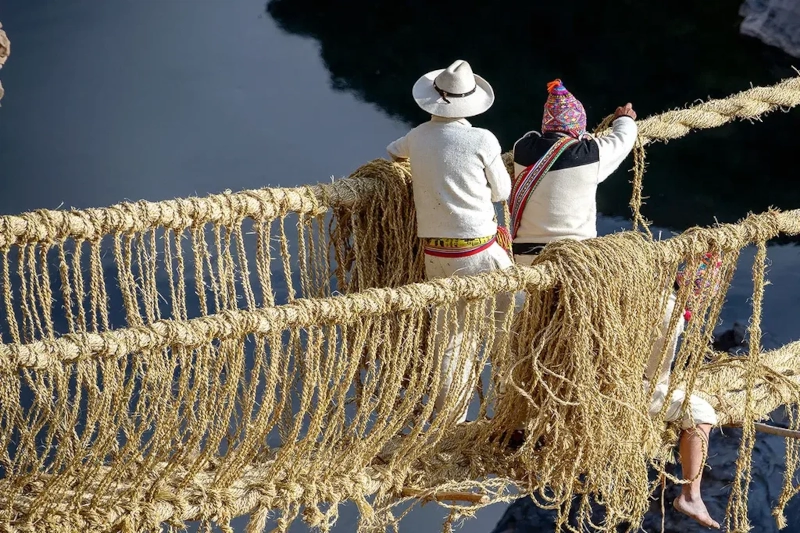
The bridge is constructed from q’oya grass, a plant native to the Andes. Every year, local communities come together to harvest this grass, which is then woven into long ropes. This process is not only a technical endeavor but a communal activity that binds the community together, reinforcing social bonds and shared responsibilities. These ropes are braided and tied together to form a strong, flexible structure capable of supporting those who traverse it. This annual rebuilding process not only preserves the structural integrity of the bridge but also reinforces communal bonds and cultural traditions. The act of construction itself is an elaborate ritual that includes blessings and offerings to ensure the safety and durability of the bridge. It is a vivid illustration of how engineering and spirituality are intertwined in Andean culture.

Qeswachaka Rope Bridge Traditional Dress

Cultural and Spiritual Importance

In addition to its practical purpose, the Qeswachaka Bridge is deeply embedded in the spiritual and cultural fabric of the local communities. It is more than just a crossing; it is a living connection to the wisdom of the Inca Empire. The bridge is a crucial part of the annual festival celebrating its reconstruction, which includes traditional music, dance, and ceremonies that honor the spirits of the ancestors and the Pachamama, or Mother Earth. This festival is a vibrant expression of cultural pride and continuity, drawing participants from near and far. The bridge thus serves as a focal point for cultural expression, a place where history and present-day identity intersect. It is a place where the past is celebrated and the future is envisioned, making it a powerful symbol of endurance and legacy.

The Bridge and the Inca Road Network

Renowned for its vast network of roads and bridges, the Inca Empire maintained communication and trade across its territory. Qeswachaka Bridge stands out as a striking example of this engineering skill. It also reflects the ingenuity of the Inca civilization. It was part of a system that allowed the Incas to efficiently govern and control their vast empire, demonstrating their advanced understanding of engineering and logistics. This network was crucial for maintaining the empire’s cohesion and facilitating the movement of armies and goods, underscoring the strategic importance of such infrastructure.

A Lifeline Across the Andes

Bridges like Qeswachaka were essential for the movement of people and goods across the challenging Andean terrain. They were lifelines that connected remote communities, enabling trade and cultural exchange that enriched the empire. The Inca trail, a system of roads that connected the empire, was crucial for administrative and military purposes. These trails allowed for the rapid movement of the Chasquis, the empire’s relay messengers, who carried messages and goods across long distances at remarkable speeds. This communication network was a marvel of its time, enabling the swift transfer of information across vast distances and contributing to the cohesion and stability of the empire.

Engineering Marvels of the Inca Civilization

The engineering marvels of the Inca Empire continue to inspire admiration today. The wisdom embedded in their construction techniques is evident in the enduring nature of these structures. Their ability to withstand the test of time is a testament to the advanced knowledge and skills of the Inca engineers. Machu Picchu, another iconic symbol of Inca ingenuity, shares the same innovative spirit and showcases the empire’s architectural prowess. Both sites demonstrate the Incas’ ability to harmonize their structures with the natural landscape, creating functional and aesthetically pleasing designs that have captivated historians and architects alike.

Queswachaka Inca Rope Bridge Overlook

Visiting the Qeswachaka Bridge Today

For travelers seeking an authentic experience of Peruvian culture, a visit to the Qeswachaka Bridge offers a unique opportunity to witness living history. It is a chance to step back in time and experience a piece of the ancient world that remains vibrant and relevant today. Located at an elevation of approximately 3,700 meters, the bridge is accessible from Cusco and provides a striking contrast to the more frequented tourist sites like Machu Picchu. Its remote location offers a more intimate and personal experience, allowing visitors to truly connect with the natural beauty and cultural significance of the region.

Annual Reconstruction Festival

When planning your visit, consider the timing of the annual reconstruction festival, typically held in June. This event provides a deeper insight into the community’s cultural practices and offers a chance to engage with the local people. Travelers are encouraged to participate in the festivities, which include traditional music and dance, as well as opportunities to learn about the bridge’s construction techniques firsthand. It is advisable to prepare for high altitudes and varying weather conditions, ensuring a comfortable and enjoyable visit. Engaging with local guides can enhance the experience, offering valuable insights into the history and significance of the bridge.

Exploring the Sacred Valley Region

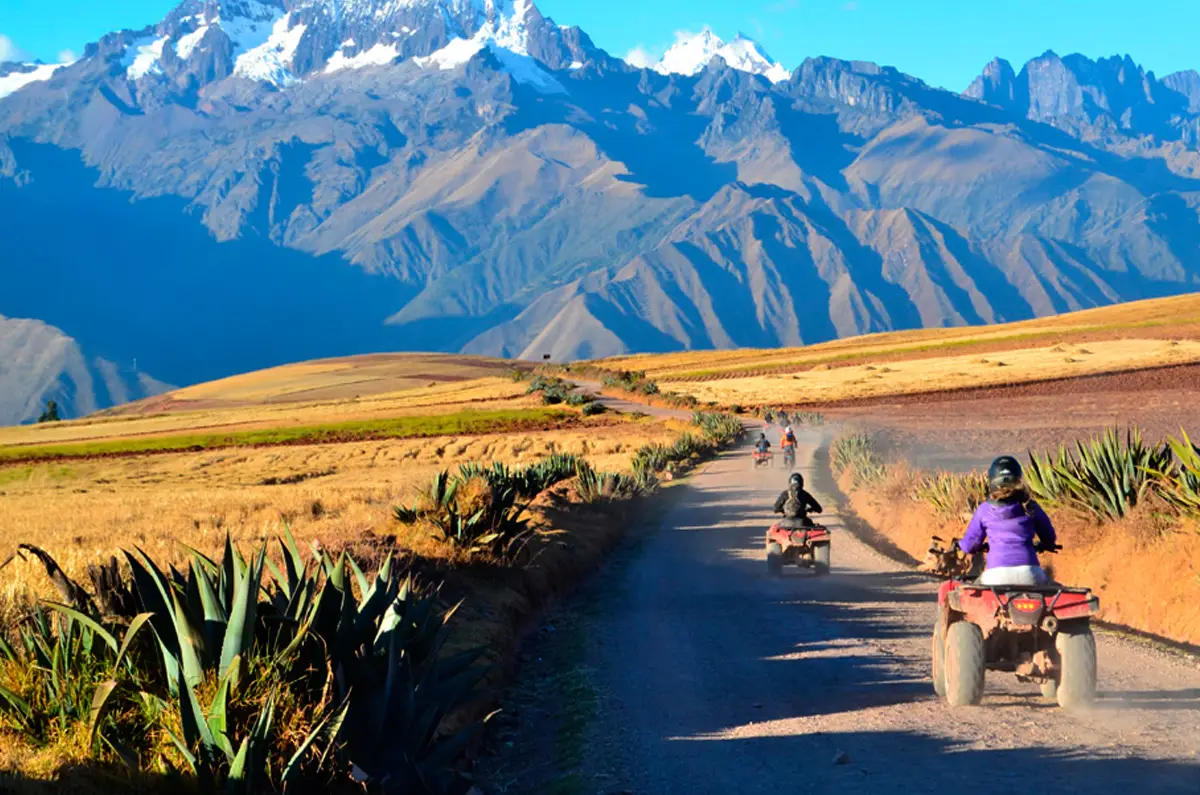
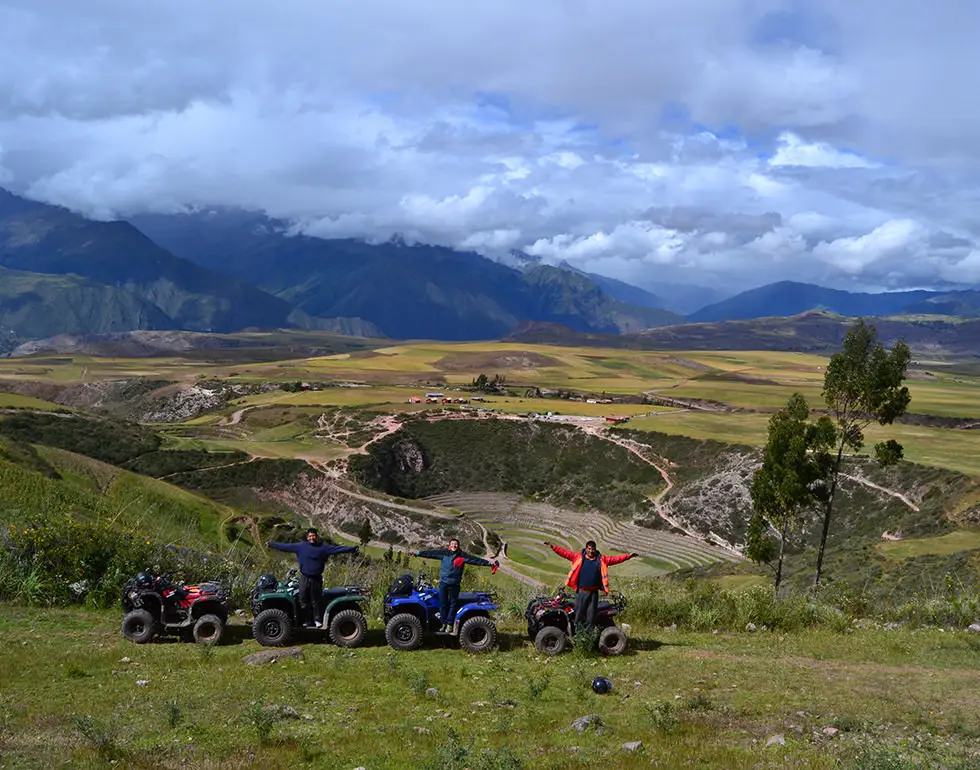
Travelers can explore the Sacred Valley, known for its stunning landscapes and rich history. From the vibrant markets of Pisac to the ancient ruins of Ollantaytambo, the valley offers countless opportunities to immerse oneself in Andean traditions. For adventure seekers, a Maras ATV tour provides an exhilarating way to explore the salt pans and surrounding landscapes. Sites like the agricultural terraces of Moray and the salt pans of Maras offer unique perspectives on the region’s history, making the Sacred Valley, the heart of Inca civilization, a living museum where the past is celebrated.

Sacred Valley Terraces Aerial View

Preservation and Cultural Heritage

The Qeswachaka Bridge is a poignant reminder of the importance of preserving cultural heritage. It stands as a testament to the enduring spirit of the Andean people and their commitment to maintaining their traditions. As modern infrastructure continues to encroach upon traditional practices, the bridge stands as a symbol of resistance and resilience. It calls on us to appreciate and honor the wisdom of ancient civilizations while fostering a deeper understanding of the diverse cultures that enrich our world. This preservation effort highlights the delicate balance between progress and tradition, reminding us of the need to respect and protect our shared cultural heritage.

Conclusion

In conclusion, exploring the history of the Qeswachaka Bridge offers a window into the past, connecting us with the legacy of the Inca Empire and the vibrant traditions of the Peruvian people. It is a journey that enriches the soul and broadens the mind, making it an essential experience for anyone interested in the rich tapestry of Andean civilizations. The bridge is not just a relic of a bygone era but a living testament to the enduring strength and ingenuity of a people who have shaped the cultural landscape of Peru. It invites us to reflect on our own connections to the past and the ways in which history continues to influence our lives today.

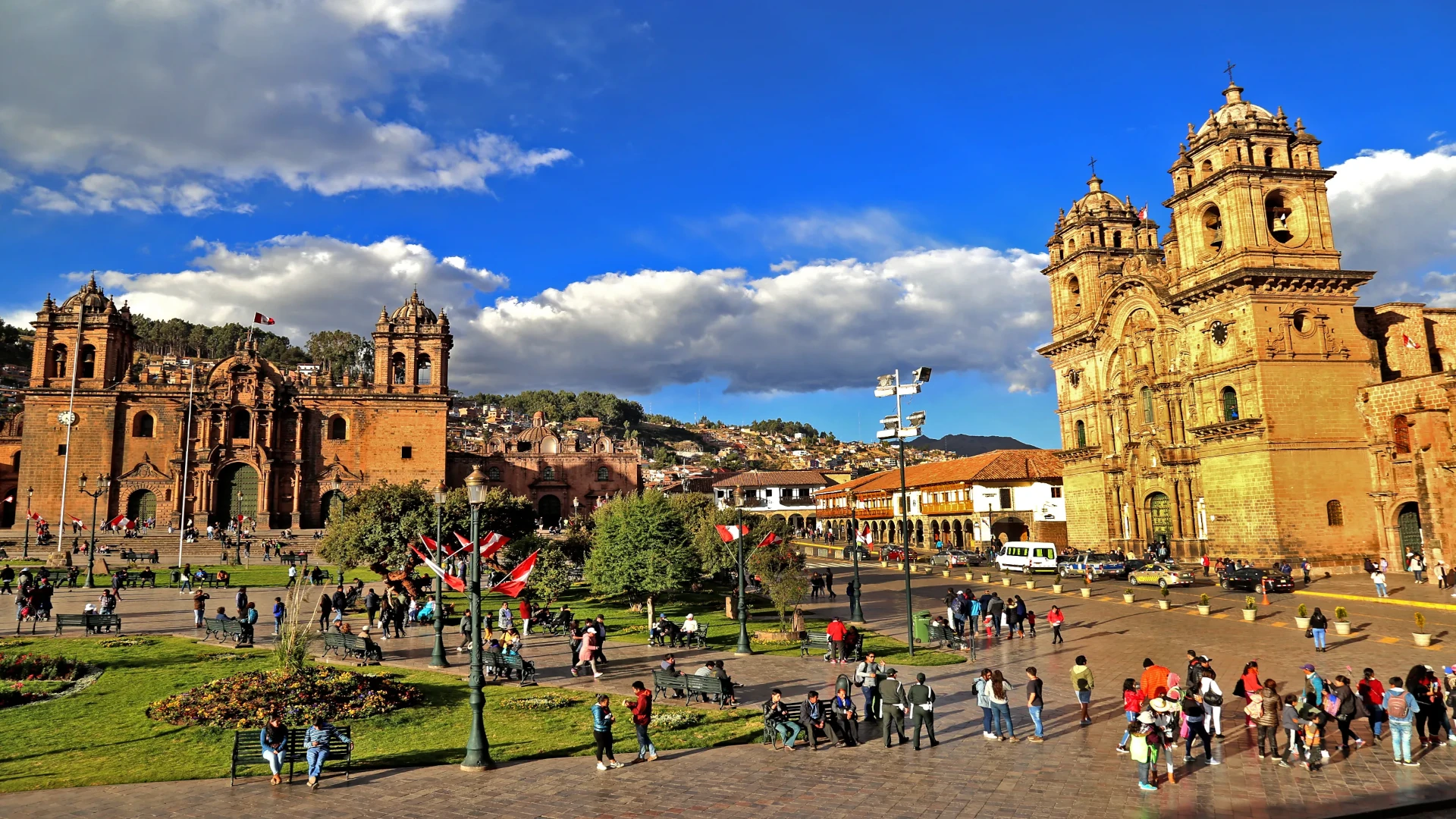
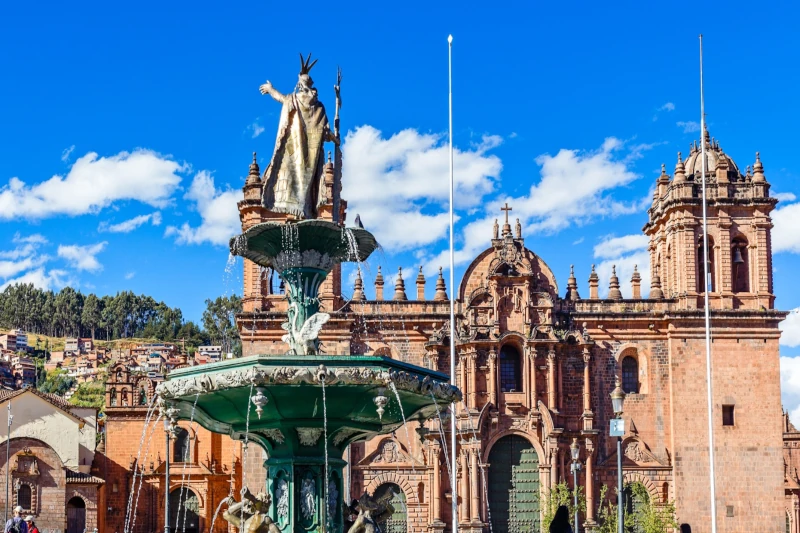
Cusco, perched at an elevation of about 3,400 meters (11,200 feet), serves, above all, as the main gateway to both Rainbow Mountain and Machu Picchu. Once the capital of the Inca Empire, Cusco is a city rich in history and cultural significance. Moreover, walking through its cobbled streets, you can observe a remarkable blend of Inca and Spanish colonial architecture, which, as a matter of fact, tells stories of past eras and offers an immersive glimpse into the city’s layered past.

Cusco Plaza De Armas Cathedral Daytime

Historical Significance of Cusco

Cusco is often referred to as the “Historical Capital of Peru,” and for good reason. Its profound impact on the country’s cultural heritage is undeniable. As you navigate the city, you will discover architectural marvels such as the Qorikancha Temple, which was once entirely covered in gold. Additionally, the layers of history are visible in every corner, from ancient Inca walls to colonial cathedrals, thus providing a tangible connection to the past. In effect, the city itself serves as a living museum, reflecting centuries of culture, conquest, and adaptation.

Cultural Vibrancy and Local Life

The vibrancy of Cusco’s culture is, indeed, palpable, with festivals, local markets, and daily traditions offering a vivid glimpse into the lives of its inhabitants. For instance, the annual Inti Raymi festival is a spectacular celebration of the Inca sun god. Furthermore, visitors can immerse themselves in the lively San Pedro Market, where traditional foods and handcrafted goods vividly showcase the city’s rich cultural tapestry. Consequently, each interaction provides a sense of connection to the enduring traditions of the Andean people.

The Culinary Scene in Cusco

Cusco’s culinary scene is, by all means, a delightful fusion of traditional Andean flavors and modern gastronomy. The city offers a wide variety of dining experiences—from street food stalls serving anticuchos to fine dining restaurants with creative interpretations of local ingredients. Moreover, sampling local delicacies such as cuy (guinea pig) and quinoa-based dishes is, without doubt, an essential part of the Cusco experience. Indeed, food here not only nourishes the body but also tells the story of the region’s rich history and cultural evolution.

The Enigmatic Sacred Valley

Just a short distance from Cusco lies the Sacred Valley, which, moreover, was crucial to the Inca civilization. With its fertile lands and strategic location, the valley served as a major agricultural hub. Today, visitors can explore ancient ruins, bustling traditional markets, and vibrant villages such as Pisac and Ollantaytambo. Consequently, the Sacred Valley offers both historical depth and a living glimpse into Andean life.

Sacred Valley Agricultural Terraces Sunlight

Pisac: A Blend of History and Handicrafts

Pisac is renowned not only for its impressive archaeological site but also for its bustling market. The ruins of Pisac, perched high on a hill, offer stunning views and insights into Inca engineering. Additionally, down in the village, the Pisac Market provides a sensory feast, with stalls brimming with colorful textiles, ceramics, and jewelry crafted by local artisans. As a result, Pisac perfectly exemplifies the combination of history and vibrant culture, making it a must-visit destination.

Ollantaytambo: The Living Inca Town

Ollantaytambo, in particular, is a living Inca town that offers a unique glimpse into ancient urban planning. The village, set against terraced hillsides, is home to ruins that exhibit impressive stone masonry. Moreover, walking through its narrow streets feels like stepping back in time, where the layout and structures remain largely unchanged since the Inca era. Thus, Ollantaytambo provides a rare opportunity to experience an authentic, functioning Inca settlement.

Maras and Moray: Agricultural Marvels

The Salt Mines of Maras and the circular terraces of Moray are two lesser-known yet equally fascinating sites in the Sacred Valley. The Maras salt pans are, indeed, a testament to ingenious Inca engineering, with thousands of salt pools still harvested today. Meanwhile, Moray’s concentric terraces reveal ancient agricultural experimentation, believed to simulate different microclimates. 

Moreover, for travelers seeking an adventurous twist, an Maras ATV tour provides an exhilarating way to explore both Maras and Moray, covering rugged paths and offering stunning views along the way. Consequently, visiting these sites—whether on foot or by ATV—provides insights into the ingenuity and resourcefulness of the Inca civilization while combining cultural discovery with adventure.

The Journey to Rainbow Mountain

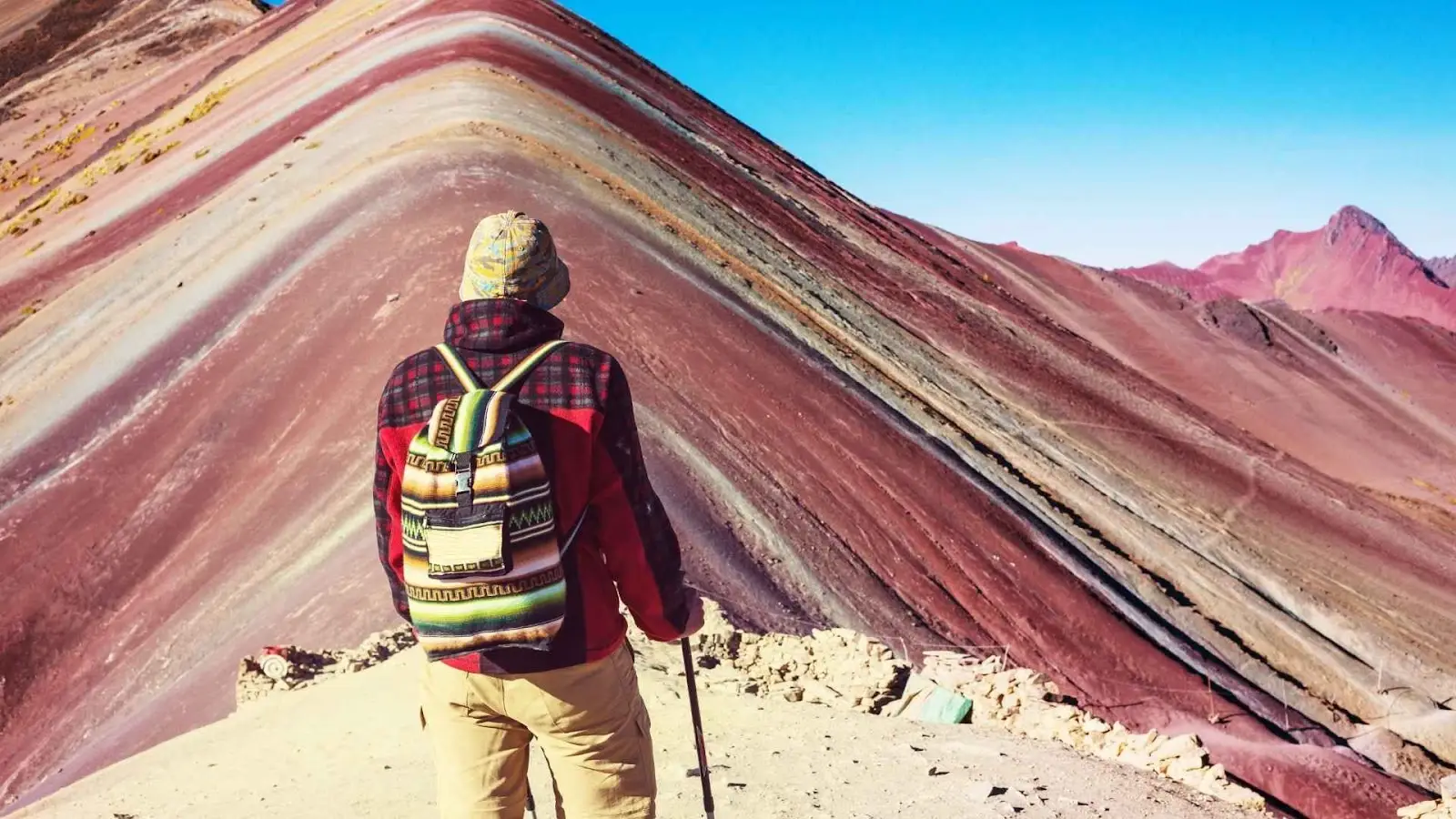
One of the most awe-inspiring natural wonders in the Andes is Rainbow Mountain, or Vinicunca, which is famed for its strikingly vibrant colors. The hues of the mountain, as it happens, are the result of mineral deposits accumulated over millions of years, creating a natural palette that appears almost surreal.

Geological Wonders of Rainbow Mountain

The geological formations of Rainbow Mountain are, to be sure, a marvel of nature. Each stripe represents a different mineral deposit: reds from iron oxide, yellows from sulfur, and greens from chlorite. Hence, the mountain forms a breathtaking mosaic that attracts geologists, hikers, and photographers alike. Moreover, studying its composition offers insights into the natural history of the Andes.

Embarking on the Rainbow Mountain Tour

The Rainbow Mountain tour typically begins in Cusco, with an early morning departure. Adventurous travelers can, for example, opt for a Rainbow Mountain ATV tour, which adds an exhilarating twist to the journey. The ATV ride covers rugged terrain while offering spectacular views, thus enhancing the adventure. 

For those who prefer a traditional approach, the Rainbow Mountain hike is, undoubtedly, a rewarding alternative. The trail meanders through picturesque landscapes, culminating in a final ascent that reveals the full spectrum of the mountain’s colors. Although this trek requires a good level of fitness, the panoramic views at the summit make every step worthwhile.

The Flora and Fauna of the Region

Rainbow Mountain is not merely a destination; rather, the trek unveils breathtaking landscapes along the way. Travelers may encounter llamas and alpacas grazing on the slopes, while the area’s unique ecosystem hosts rare plant species. Consequently, the journey offers not only stunning visuals but also opportunities to engage with the biodiversity of the high Andes.

Machu Picchu: The Lost City of the Incas

Rainbow Mountain is not merely a destination; rather, the trek unveils breathtaking landscapes along the way. Travelers may encounter llamas and alpacas grazing on the slopes, while the area’s unique ecosystem hosts rare plant species. Consequently, the journey offers not only stunning visuals but also opportunities to engage with the biodiversity of the high Andes.

Machu Picchu Classic View Sunny Day

Architectural Marvels of Machu Picchu

Rainbow Mountain is not merely a destination; rather, the trek unveils breathtaking landscapes along the way. Travelers may encounter llamas and alpacas grazing on the slopes, while the area’s unique ecosystem hosts rare plant species. Consequently, the journey offers not only stunning visuals but also opportunities to engage with the biodiversity of the high Andes.

The Classic Inca Trail

To reach Machu Picchu, many travelers choose the classic Inca Trail, a multi-day trek following the ancient paths used by the Incas. The trail traverses diverse ecosystems, from cloud forests to alpine tundra, and passes numerous Inca ruins. Therefore, each step along this historic path allows travelers to connect with the rich legacy of the Inca civilization.

Alternative Routes to Machu Picchu

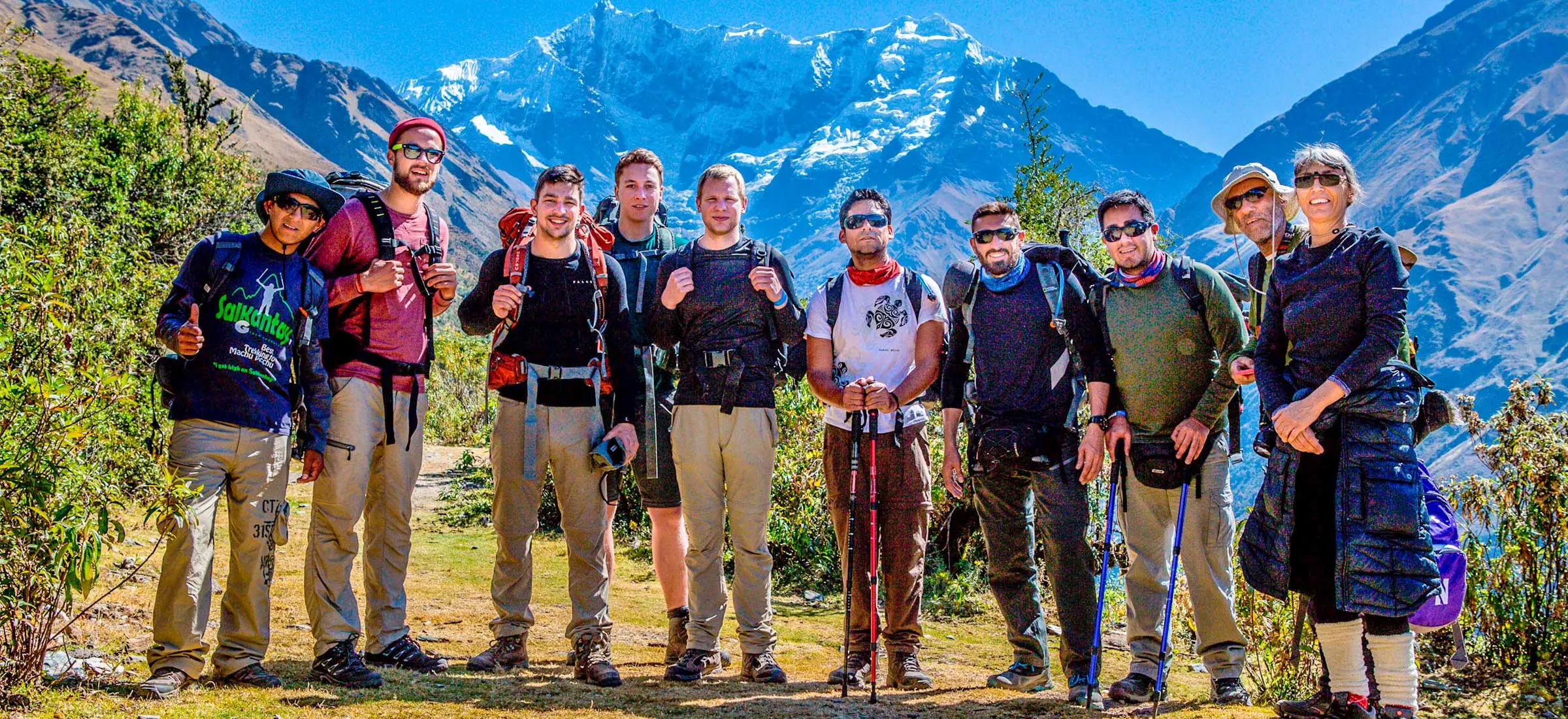
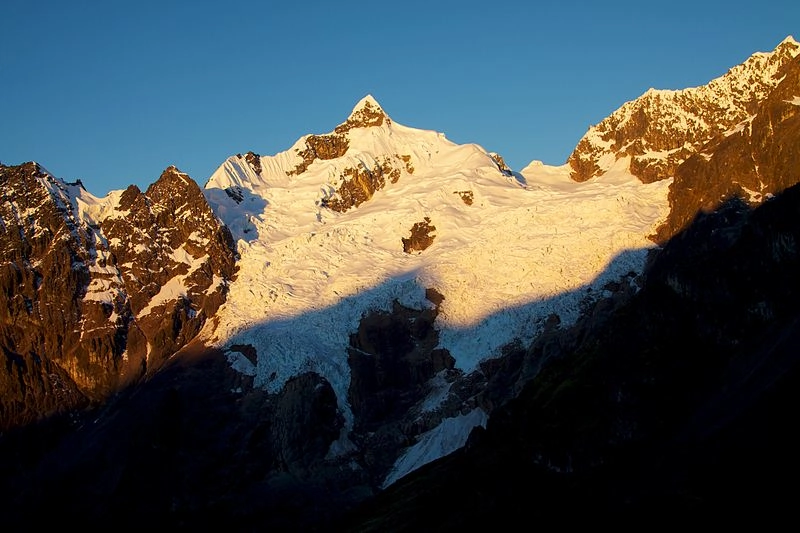
For those seeking different adventures, alternative routes such as the Salkantay Trek or the Lares Trek offer unique perspectives and landscapes. These paths, moreover, provide a more solitary experience, allowing hikers to connect deeply with nature. Each route presents its own charm and challenges, thereby ensuring that every traveler finds a path that suits their interests.

Aguas Calientes: The Gateway to Machu Picchu

The town of Aguas Calientes, located at the base of Machu Picchu, serves as the final stop before ascending to the citadel. This bustling town offers a range of accommodations and dining options, providing a convenient resting point for travelers. Furthermore, its hot springs are a popular site for relaxation, offering a soothing conclusion to a day of exploration.

Cultural Insights and Practical Tips

Understanding the Andean Worldview

The Andes are not simply a geographical feature but a cultural landscape deeply embedded in Andean cosmology. The Inca and other indigenous cultures hold profound respect for nature, viewing mountains as sacred entities and sources of life. Consequently, this worldview is reflected in their architecture, agriculture, and ceremonial traditions, which visitors can experience firsthand at iconic sites like Rainbow Mountain and Machu Picchu.

Engaging with Local Communities

Interacting with local communities significantly enhances the travel experience, offering a deeper understanding of Andean culture. Whether participating in traditional ceremonies or learning indigenous crafts, travelers gain insights into the enduring legacy of the Inca. Hence, respectful engagement with the locals can lead to meaningful exchanges and further enrich the journey.

Preparing for High Altitudes

When traveling to high elevations such as Cusco, Rainbow Mountain, and Machu Picchu, proper acclimatization is essential. To that end, here are some key acclimatization tips: spend a few days in Cusco before undertaking treks to adjust to the altitude, stay well-hydrated, eat light meals, and avoid alcohol. Moreover, consulting a healthcare professional before the trip is advisable for personalized guidance. Following these tips can significantly reduce the risk of altitude sickness and help ensure a more enjoyable and safe journey.

Rainbow Mountain Vinicunca Trekking Backpacker

Best Time to Visit

The best time to visit Cusco, the Rainbow Mountain and Machu Picchu is during the dry season, from May to September. During this period, weather conditions are more stable, providing clearer views and more comfortable hiking experiences. Therefore, planning your visit during this time ensures you can fully appreciate the region’s landscapes and architectural wonders.

Conclusion

Embarking on a tour of Rainbow Mountain and Machu Picchu offers, by all means, more than just breathtaking scenery; it is an exploration of the rich cultural heritage of the Andes. From the vibrant streets of Cusco to the mystical ruins of Machu Picchu, each location tells the story of a civilization that thrived amidst the mountains. Moreover, as you traverse these paths, you gain a deeper appreciation for the intricate tapestry of history and culture that defines this remarkable region.

Whether you are a travel writer seeking to convey the depth of Andean cultures or a curious traveler eager to explore, these destinations promise an unforgettable journey into the heart of Peru’s natural and cultural wonders. Each step not only uncovers the beauty of the landscapes but also reveals the soul of a people who have lived in harmony with their environment for centuries.

Nestled in the heart of the Andes, Cusco is, above all, a vibrant tapestry of history, culture, and breathtaking landscapes. As the former capital of the Inca Empire, it not only preserves its ancient legacy but also serves as a gateway to some of the most renowned archaeological sites in the world. Additionally, whether you’re a history buff, a nature enthusiast, or simply in search of an unforgettable adventure, the best Cusco Peru vacation packages promise, likewise, an experience like no other.

Salkantay Trek: A Journey Through Time and Nature

One of the most popular alternatives to the classic Inca Trail, the Salkantay Trek offers a more immersive experience of the Andean wilderness. Furthermore, this trek is not just a hike; rather, it’s a journey through both time and nature. As you embark on this adventure, you will pass through diverse ecosystems, each with its own unique charm and beauty. For example, from the lush, green cloud forests teeming with life to the stark, awe-inspiring snow-capped peaks, every step, accordingly, offers a new perspective.

Salkantay Trek Group Mountain Glacier

The Culmination: Machu Picchu and Andean Wonders

The culmination of the Salkantay Trek is the majestic Machu Picchu, a testament to the ingenuity of the Inca civilization. Moreover, arriving at Machu Picchu after days of trekking through the Andes is a moment of triumph and awe. Indeed, it’s a chance to stand in the footprints of an ancient civilization and marvel at their architectural mastery. In addition, the trek itself is renowned for its breathtaking views and the opportunity to connect deeply with nature. As you traverse the rugged terrain, you’ll encounter unique flora and fauna, witness the grandeur of Salkantay Mountain, and enjoy, above all, the tranquility of the Andean landscapes.

The experience of the Salkantay Trek is enhanced by the camaraderie shared among trekkers. Consequently, the journey fosters a sense of community, as travelers from around the world come together to conquer the Andes. Likewise, this shared experience often leads to lifelong friendships, forged under the stars of the Andean night sky. Thus, the trek is not only about the destination, but also about the stories shared and the memories created along the way.

Inca Trails: Walking in the Footsteps of the Incas

The Inca Trails are a network of paths that once connected the vast expanses of the Inca Empire, offering a unique way to explore the heart of the Andes. In short, walking these ancient trails is like stepping back in time, where every stone has a story and every turn leads to a new discovery. Additionally, these ancient paths were, after all, the lifelines of the Inca civilization, connecting distant communities and facilitating trade and communication across the empire.

The journey along the Inca Trails is not merely about reaching a destination; rather, it’s about experiencing the landscape as the Incas once did. For example, each trail offers its own set of challenges and rewards, from the breathtaking views of the Sacred Valley to the mystical cloud forests that whisper tales of ancient times. Likewise, the trails vary in difficulty and length, thereby allowing travelers to choose the path that best suits their interests and abilities.

Choosing between the classic Inca Trail and one of the lesser-known routes depends, specifically, on what you seek from your adventure. The classic Inca Trail is renowned for its historical significance and stunning vistas, while alternative routes often offer solitude and a chance to explore lesser-known Inca sites. Consequently, regardless of the path chosen, the Inca Trails provide a profound connection to the past, allowing travelers to walk in the footsteps of the Incas and feel, in effect, the pulse of history beneath their feet.

Alternative Inca Trails: Hidden Gems of the Andes

While the classic Inca Trail garners much attention, there are, meanwhile, alternative trails that offer unique experiences away from the crowds. For instance, the Lares Trek is known for its cultural immersion, taking trekkers through traditional Andean villages where age-old customs and lifestyles remain largely unchanged. Consequently, this route offers a rare glimpse into the daily lives of the Andean people and the opportunity to engage with local communities in a meaningful way.

Lares Trek Sunset Snow Peaks

Another compelling alternative is the Choquequirao Trek, which leads adventurers to the “sister city” of Machu Picchu. Although Choquequirao is less visited, it is equally mesmerizing, providing a sense of discovery and exploration. Furthermore, the trek to Choquequirao is challenging but rewarding, and the site itself is a marvel of Incan architecture and design, perched dramatically above the Apurímac River.

Therefore, these alternative trails offer a chance to explore the Andes from a different perspective. They provide opportunities for solitude and introspection, away from the hustle and bustle of the more popular routes. For those seeking adventure and an authentic connection with the Andean world, these hidden gems of the Andes promise, ultimately, an unforgettable journey through history and nature.

Explore the Sacred Valley

Ollantaytambo: A Living Inca Town

Ollantaytambo is a remarkable town that has preserved its Inca roots, offering a unique glimpse into the past. Indeed, it’s a place where history comes alive, with ancient ruins standing as silent witnesses to a bygone era. The town is renowned for its impressive terracing and the ruins of an ancient fortress, both of which are a testament to the engineering prowess of the Inca civilization.

The narrow cobblestone streets and traditional architecture of Ollantaytambo serve, likewise, as reminders of its storied history. In effect, walking through the town feels like stepping into a living museum, where every corner tells a story of the people who once thrived here. Moreover, the town is still inhabited by descendants of the Incas, and their cultural practices and traditions continue to thrive, making Ollantaytambo an essential stop on any Sacred Valley tour.

Ollantaytambo Terraces Town Aerial View

Ollantaytambo is not only about the past but also about the present. As a result, the vibrant community here represents a blend of history and modernity, where traditional Andean customs coexist harmoniously with contemporary life. Visitors can explore the bustling market, enjoy traditional Andean cuisine, and participate in local festivals that celebrate the town’s rich cultural heritage. Therefore, this dynamic blend of old and new makes Ollantaytambo a fascinating destination for travelers seeking a deeper understanding of the Andean world.

Pisac: A Blend of History and Culture

Nestled in the Sacred Valley, Pisac is famous for both its vibrant market and its impressive archaeological site. Additionally, the market is a bustling hub where you can find traditional crafts, textiles, and local produce. Furthermore, it’s a vibrant tapestry of colors, sounds, and scents, offering a sensory experience that immerses visitors in the local culture. Moreover, the market is an excellent place to interact with the local Quechua-speaking community and learn about their traditions and way of life.

Perched high on a hill overlooking the valley, the ruins of Pisac offer stunning views and insights into the agricultural practices of the Incas. Specifically, this remarkable site showcases ancient engineering at its finest. Terraced fields cascade down the mountainside, demonstrating not only the ingenuity but also the adaptability of Inca agriculture. Indeed, these terraces were used for farming, revealing the Incas’ advanced understanding of agriculture and their ability to adapt to the challenging Andean environment.

Exploring Pisac provides a deeper appreciation of the Inca civilization and its achievements. Furthermore, the site includes temples, terraces, and a complex water system, showcasing the advanced engineering skills of the ancient civilization. Consequently, each structure tells a story of the ingenuity and resourcefulness of the Incas, offering a glimpse into a world where nature and human innovation coexisted in harmony.

Chinchero: The Weaving Capital of Peru

Chinchero is often referred to as the “Weaving Capital of Peru,” renowned for its vibrant textiles and traditional weaving techniques. In fact, this small town in the Sacred Valley offers a unique opportunity to witness the intricate art of Andean weaving, which has been passed down through generations. Moreover, visitors can observe master weavers at work, using age-old techniques to create textiles rich in color and symbolism.

Furthermore, beyond its weaving heritage, Chinchero is also home to a beautiful colonial church built on the foundations of an Inca palace. Consequently, the church stands as a stunning example of Andean Baroque architecture, with intricate frescoes adorning its walls. Therefore, exploring Chinchero becomes a journey through time, where the legacy of the Incas is interwoven with the influences of colonial Spain.

Additionally, Chinchero’s market is another highlight, offering a vibrant array of handmade goods, from intricately woven textiles to traditional pottery and jewelry. As a result, the market becomes a lively gathering place for locals and visitors alike, providing a glimpse into the daily lives and cultural traditions of the Chinchero community. Hence, for those interested in the arts and crafts of the Andes, Chinchero is, undoubtedly, a must-visit destination.

Experience the Wonders of Cusco

Cusco City Tour: A Walk Through History

Cusco is a city where the past and present coexist harmoniously, offering a rich tapestry of history and culture. A Cusco city tour takes you through its charming streets, where colonial architecture stands alongside ancient Inca walls. Moreover, the city’s rich history is evident in every corner, from the grand Plaza de Armas to the majestic Cathedral, each site telling a story of a different era.

The tour typically includes visits to Qorikancha, the Temple of the Sun, and the San Pedro Market. Notably, Qorikancha—once the most important temple in the Inca Empire—is a testament to the architectural prowess of the Incas. The temple’s walls were once covered in gold, reflecting the importance of the sun god in Inca religion. Today, however, the site presents a fascinating blend of Inca and Spanish architecture, with the colonial Church of Santo Domingo built atop its foundations.

Meanwhile, the San Pedro Market is a vibrant hub of activity, offering a sensory feast of sights, sounds, and smells. It is an excellent place to experience local culture and sample traditional Andean cuisine, from hearty soups to exotic fruits. Consequently, the market serves as a microcosm of Cusco’s rich cultural heritage, where locals and visitors come together to celebrate the flavors and traditions of the Andes.

Cusco Plaza De Armas Pachacutec Fountain Cathedral

Rainbow Mountains: A Natural Spectacle

The Rainbow Mountains, or Vinicunca, are a natural wonder that has captured the imagination of travelers worldwide. Known for their striking colors, these mountains are a geological marvel, with mineral deposits creating a rainbow-like effect across the landscape. Moreover, although the hike to the summit is challenging, it is incredibly rewarding, offering panoramic views that stretch as far as the eye can see.

Beyond their striking appearance, the Rainbow Mountains hold deep spiritual significance for local communities. Accordingly, Andean mythology ties the colors to ancient beliefs and natural forces. For the local Quechua-speaking communities, the mountains are sacred, playing an important role in traditional rituals and ceremonies.

Additionally, hiking to the Rainbow Mountains offers a unique blend of natural beauty and cultural richness. The journey leads you through remote Andean villages, where you can experience the warmth and hospitality of the local people. In addition, it provides a meaningful opportunity to connect with the land and its people, learn about their traditions, and gain a deeper appreciation of the Andean way of life.

San Blas: The Artistic Heart of Cusco

San Blas, often called the artistic heart of Cusco, is a captivating neighborhood filled with creativity and charm. Nestled just above the Plaza de Armas, San Blas welcomes visitors with narrow cobblestone streets, vibrant artisan shops, and a lively atmosphere. Additionally, as you walk through the district, you will find that each corner reveals a new artistic surprise, from hand-carved wooden doors to colorful murals celebrating Andean culture.

Furthermore, San Blas is known for its talented artisans, many of whom have honed their skills through generations. Visitors can explore workshops where skilled craftsmen create intricate ceramics, textiles, and paintings. Likewise, the neighborhood is home to the historic San Blas Church, famous for its elaborately carved pulpit, considered one of the finest in Latin America.

Moreover, the peaceful atmosphere of San Blas makes it an ideal place to relax and immerse yourself in the bohemian spirit of Cusco. Whether you choose to sip a coffee in a cozy café, browse artisan boutiques, or simply take in the panoramic views of the city below, San Blas offers an enchanting escape that beautifully blends tradition, creativity, and culture.

Unveil the Mysteries of Machu Picchu

No visit to Cusco is complete without a journey to Machu Picchu, the crown jewel of the Inca Empire. This iconic site is a symbol of the Inca’s architectural genius and remains one of the most significant archaeological sites in the world. Whether you arrive via the Inca Trail or by train, the sight of Machu Picchu emerging from the mist is unforgettable, a moment that captures both the imagination and the soul.

Exploring the ruins of Machu Picchu provides an opportunity to uncover the mysteries of this ancient city. The precision of its stonework, the alignment with astronomical events, and the sheer scale of the site reveal the Inca’s deep understanding of engineering and astronomy. Each structure—such as the Temple of the Sun or the Intihuatana Stone—offers insights into the spiritual and scientific knowledge of the Incas.

Additionally, Machu Picchu is not just a place of historical significance; it is also a site of profound natural beauty. Surrounded by towering peaks, the citadel boasts breathtaking views of the surrounding mountains and the winding Urubamba River below. The lush greenery, combined with the gentle sound of wind passing through ancient stones, creates a sense of peace and wonder that invites reflection and inspiration.

Furthermore, the journey to Machu Picchu is just as remarkable as the destination itself. Whether you trek the Inca Trail, explore the Salkantay route, or choose the scenic train ride, you will experience spectacular landscapes, diverse ecosystems, and the spirit of adventure that has captivated travelers for centuries. Ultimately, Machu Picchu is a place that captures the heart and soul, leaving visitors with lifelong memories.

Machu Picchu Classic Panoramic Daytime

Choosing the Right Peru Vacation Package

When selecting a Peru vacation package, it is essential to consider both your interests and your fitness level, in order to ensure a fulfilling and enjoyable experience. Whether you prefer trekking, cultural tours, or a combination of both, there are options thoughtfully designed for every type of traveler. Moreover, each package offers a unique perspective on the region, thereby providing valuable insights into the history, traditions, and culture of the Andes.

Additionally, look for packages that include accommodations, transportation, and entry fees to ensure a seamless and hassle-free experience. A well-planned itinerary allows you to make the most of your time in this remarkable region and ensures that you do not miss any must-see attractions. Furthermore, consider the level of guidance you prefer—whether it’s a fully guided tour with in-depth commentary or a more flexible, independent exploration—so that your trip aligns perfectly with your personal travel style.

When choosing a package, also take into account the time of year, as weather conditions can significantly influence your experience. The dry season, from May to September, is ideal for trekking and outdoor activities, while the wet season, from November to March, offers lush landscapes and fewer crowds. Each season has its own advantages; therefore, selecting the right time can greatly enhance your trip and ensure you enjoy the region at its best.

Finally, consider the sustainability and broader impact of your travel choices. Many tour operators now offer eco-friendly options that actively support local communities and promote responsible tourism. By choosing such options, you not only have a more meaningful experience but also help preserve the natural beauty and cultural heritage of the Andes for future generations, ensuring that Cusco remains an inspiring destination for years to come.

Conclusion

Cusco and its surrounding landscapes offer a journey through time, seamlessly blending the legacy of the ancient Inca civilization with vibrant, modern culture. The best Cusco Peru vacation packages provide a comprehensive experience filled with adventure, history, and tradition. Whether you are trekking through the Andes, exploring ancient ruins, or immersing yourself in daily Andean life, Cusco promises an unforgettable adventure—one that creates memories to cherish for a lifetime.

The Sacred Valley, often called the heart of the Inca civilization, offers more than just picturesque views. Moreover, the Maras ATV tour provides a deep dive into the history and traditions of the Andean people while revealing hidden spots that many travelers miss. 

As visitors navigate each twist and turn on the ATV, they move not only through the landscape but also through time, where ancient traditions and modern life coexist harmoniously. Consequently, this dynamic interaction between past and present, along with the discovery of hidden spots, makes the Maras ATV tour an unforgettable way to explore the Sacred Valley and its rich cultural heritage.

Discovering the Sacred Valley

The Sacred Valley, nestled in the heart of the Andes, is a treasure trove of natural beauty and historical significance. It stretches from Cusco, the former capital of the Inca Empire, to the majestic Machu Picchu. This region is renowned for its picturesque landscapes, traditional villages, and ancient ruins, making it one of the top places to visit in Cusco. The valley’s diverse topography, ranging from lush plains to rugged mountain slopes, offers a unique setting for exploration and discovery.

Quad Biking Sacred Valley Snowy Mountains

Stories Embedded in the Andean Landscape

The Sacred Valley is not just about its visual appeal; it’s also about the stories embedded in its soil. Each village, ruin, and natural formation holds a narrative waiting to be unraveled. The local communities, with their vibrant traditions and way of life, add layers of depth to the experience. From the vibrant markets to the serene temples, each element of the Sacred Valley tells a tale of a civilization that thrived in harmony with nature.

The Maras Salt Mines (Salineras)

The Maras Salt Mines, known locally as Salineras, are a remarkable sight to behold. Thousands of salt ponds cascade down a hillside, creating a geometric mosaic that glows under the Andean sun. These salt mines have been in use since pre-Inca times, and the methods of salt extraction remain largely unchanged. The mineral-rich waters from a subterranean stream are channeled into the ponds, where the sun evaporates the water, leaving behind pure salt crystals.

Traditional Salt Harvesting Practices

As you explore the salt mines, you’ll learn about the traditional techniques used by local families to harvest the salt. This is a living testament to the ingenuity and resilience of the Andean people. Walking through the mines, one can witness the meticulous process that has been passed down through generations, a practice that reflects a deep understanding of and respect for natural resources. The Maras Salt Mines are not only an economic resource but also a cultural heritage site that embodies the sustainable practices of the Andean people.

Exploring Moray: The Inca Agricultural Laboratory

Continuing the ATV tour, you’ll arrive at Moray, an archaeological site that showcases the Inca’s advanced understanding of agriculture. Moray consists of a series of concentric terraces, forming a natural amphitheater. Each terrace represents a different microclimate, which allowed the Incas to experiment with various crops and agricultural techniques. This innovative approach to agriculture speaks volumes about the Inca’s adaptability and scientific acumen.

A Window into Inca Agricultural Science

This site provides a fascinating glimpse into the agricultural practices of the Incas and their ability to adapt to the challenging Andean environment. It’s a perfect spot for photography enthusiasts, offering unique perspectives and stunning views. The terraces of Moray are a testament to the Incas’ ingenuity, reflecting their ability to manipulate their environment to suit their agricultural needs. As you walk through the terraces, you can almost imagine the bustling activity of ancient farmers experimenting with crops, a silent echo of the past that still resonates today.

Moray Circular Terraces Golden Light

Maras ATV Tour Through the Sacred Valley

Riding an ATV through the rugged terrain of the Sacred Valley is an exhilarating experience. The tour typically starts in the town of Maras, where you’ll receive a safety briefing and instructions on how to operate the ATVs. Once you’re equipped and ready, you’ll set off on a journey that combines adventure with cultural discovery. The thrill of navigating through diverse landscapes adds an adrenaline rush to the historical exploration, making the experience unforgettable.

Immersive Off-Road Exploration

The Maras ATV tour offers an immersive way to experience the Sacred Valley, allowing you to cover more ground and access remote areas that are otherwise difficult to reach. As you ride through the trails, you’ll encounter breathtaking vistas and hidden gems that are not visible from the main roads. This off-road adventure is not just about the ride; it’s about immersing yourself in the vibrant tapestry of Andean life, feeling the wind on your face as you journey through history.

Photography Tips for Capturing the Valley

Photographing the Sacred Valley requires a keen eye and a few strategic tips to capture its essence. Here are some photography tips to enhance your travel stories:

  • Golden Hour Magic: The best time for photography is during the golden hours, shortly after sunrise or before sunset. The soft light during these times enhances the textures and colors of the landscape. Capturing the valley during these hours brings out the natural beauty in a way that resonates with the viewer, adding warmth and depth to your images.
  • Incorporate Local Life: Capture images of local people in traditional attire, bustling markets, and daily activities to add depth and cultural context to your photos. Including locals in your photographs gives a face to the cultural narrative, offering viewers a more personal connection to the place.
  • Vary Your Perspectives: Experiment with different angles and compositions. Use the natural contours of the land, such as the terraces of Moray or the geometric patterns of the salt mines, to create dynamic images. Exploring various perspectives allows you to tell a more comprehensive story, showcasing the multifaceted beauty of the region.
  • Focus on Details: Don’t forget to capture close-up shots of intricate details like the texture of the salt crystals or the vibrant colors of Andean textiles. These details highlight the craftsmanship and artistry of the Andean people, offering a deeper insight into their world.
Atv Moray Maras Group Valley

Adapting to High Altitude

The Sacred Valley sits at a high altitude, with elevations ranging from 2,800 meters (9,200 feet) to over 3,500 meters (11,500 feet) above sea level. Altitude can affect visitors differently, so it’s important to take precautions to ensure a comfortable experience.

Acclimatize Properly: Spend a few days in Cusco or a nearby lower-altitude location before embarking on the Maras ATV tour to help your body adjust. This acclimatization period is crucial for preventing altitude sickness and ensuring you can fully enjoy your adventure.

Stay Hydrated: Drink plenty of water to combat the dehydrating effects of high altitude. Hydration helps your body cope with the lower oxygen levels, reducing the risk of headaches and fatigue.

Take It Slow: Avoid strenuous activities during the first few days and listen to your body. Pacing yourself allows you to enjoy the journey without overexertion, ensuring a more pleasant experience.

Cultural Connections in the Sacred Valley

While the landscapes of the Sacred Valley are captivating, it’s the cultural richness that truly enchants visitors. The Andean worldview is deeply rooted in a harmonious relationship with nature and the cosmos. This connection is evident in the architecture, agricultural practices, and spiritual beliefs of the Andean people. Understanding this worldview adds depth to your experience, allowing you to appreciate the region beyond its physical beauty.

The Andean Worldview and Way of Life

The Andean worldview emphasizes balance and respect for all living things, a philosophy that is reflected in every aspect of life in the Sacred Valley. From the way crops are planted to the construction of homes, this intrinsic connection with nature guides daily life. As you explore the valley, you’ll see this harmony manifested in the vibrant festivals, traditional crafts, and communal practices that have been preserved over centuries.

The Importance of the Quechua Language

The Quechua language, spoken by millions across the Andes, is a vital part of Andean identity. It is not merely a means of communication but a repository of cultural knowledge and tradition. Understanding a few basic Quechua phrases can enhance your interactions with locals and provide deeper insights into their way of life. Speaking even a few words of Quechua can open doors to more meaningful connections, showing respect and appreciation for the local culture.

Quechua Women Traditional Dress Llamas Alpaca

Preserving Andean Identity Through Language

Quechua is more than just a language; it’s a link to the past and a bridge to the future. As you hear it spoken, you’ll gain a greater appreciation for the stories and wisdom that have been passed down through generations. Whether it’s a greeting or a simple thank you, using Quechua enriches your travel experience and helps preserve this linguistic heritage.

Festivals and Andean Traditions

The Sacred Valley is alive with vibrant festivals and traditions that celebrate the Andean way of life. From the colorful Inti Raymi festival, honoring the Sun God, to the lively celebrations of local patron saints, these events offer a unique glimpse into the spiritual and cultural fabric of the region. Participating in these festivals allows you to witness firsthand the joy and community spirit that define Andean life.

Living Traditions That Endure

These celebrations are not just about the festivities; they are a reflection of the values and beliefs that have sustained Andean communities for centuries. Through music, dance, and rituals, locals express gratitude, seek blessings, and honor their ancestors. Joining in these celebrations provides a deeper understanding of the Andean worldview and the enduring traditions that continue to thrive.

Conclusion: A Journey Through Culture, Nature, and Time

Atv Maras Dirt Road Group

The Maras ATV Tour is more than just an adventure; it’s an exploration of the cultural and historical tapestry of the Andes. Traveling with a reputable tour company ensures a safe and immersive experience. As a travel writer, this journey provides a wealth of material to craft stories that capture the essence of the Sacred Valley and its people. The landscapes, culture, and hisory intertwine to create a narrative that is as rich and diverse as the region itself.

By weaving together historical insights, cultural nuances, and vivid descriptions of the landscapes, you can create narratives that resonate with readers and convey the depth and diversity of the Andean world. Whether you’re drawn to the ancient mysteries of the Incas or the vibrant traditions of modern Andean communities, the Maras ATV Tour offers a unique lens through which to explore and share the beauty of this remarkable region. The journey through the Sacred Valley is not just a travel experience; it’s an invitation to connect with a world that is as timeless as it is enchanting.

Embark on this journey and let the stories unfold. The Sacred Valley awaits, ready to inspire and captivate. With every mile traveled and every story told, you become a part of the living history of this magical place, a storyteller carrying the legacy of the Andes to the world.

Embark on an unforgettable journey through the stunning landscapes of the Andes with the Humantay Lagoon day tour from Cusco. Indeed, this adventure offers more than just breathtaking views; it provides a deep dive into the cultural and historical richness of the Andean region. Known for its turquoise waters and majestic backdrop, Humantay Lagoon is a jewel of the Sacred Valley and, consequently, a perfect alternative to the more trodden Inca Trail or Short Inca Trail.

The Sacred Valley, or “Valle Sagrado,” is a place of immense beauty and profound history. Once the heart of the Inca Empire, it is dotted with archaeological sites and vibrant indigenous communities. Moreover, with its rich soil and mild climate, the valley serves as an agricultural haven, just as it did in ancient times. Therefore, visitors on the Humantay Lagoon tour can explore this sacred landscape, discovering the stories each mountain, river, and field holds.

Humantay Lake Turquoise Water Glacier

The Heart of the Inca Empire

The Sacred Valley was more than just a geographical location; in fact, it served as the agricultural, spiritual, and cultural hub of the Inca Empire. Its fertile lands sustained the large population and, consequently, supported the empire’s expansion. Furthermore, evidence of the Incas’ advanced agricultural techniques, such as terracing and irrigation, remains visible today and continues to benefit local farmers. By exploring the valley, you can therefore witness firsthand the ingenuity and enduring legacy of the Inca civilization.

Archaeological Marvels

Throughout the Sacred Valley, you’ll encounter numerous archaeological sites that offer a glimpse into the past. For example, the ancient ruins of Pisac, Ollantaytambo, Maras, and Moray are prime examples of Inca architecture and engineering prowess. In addition, these sites are strategically located and were used for religious, military, and agricultural purposes. Consequently, as you wander through these ruins, you’ll feel the presence of history, with each stone and structure narrating the stories of a once-great empire.

Cultural Tapestry of Indigenous Communities

The Sacred Valley is home to vibrant indigenous communities that have preserved their cultural heritage for centuries. Specifically, the Quechua people, descendants of the Incas, continue to practice traditional customs and celebrate their rich cultural identity through festivals, music, and art. Moreover, engaging with these communities offers a unique opportunity to learn about their way of life and gain insights into their enduring connection with the land and their ancestors.

The Humantay Lagoon Tour: A Journey Through Time

The Humantay Lagoon tour begins in Cusco, the historic capital of the Inca Empire. As you leave the city, you’ll traverse through picturesque villages and scenic landscapes. Furthermore, the journey itself is a cultural immersion, as you observe the traditional lifestyles of the Andean people, who continue to practice age-old customs passed down through generations.

Departure from Cusco: Gateway to the Andes

Starting your journey in Cusco, you are immediately immersed in the rich history of the Andes. Known for its well-preserved colonial architecture and vibrant markets, Cusco serves as the perfect introduction to the region. As you make your way out of the city, the landscape transforms, offering glimpses of rural Andean life. Consequently, the journey to the trailhead is a cultural tapestry, where each village you pass through offers insights into the daily lives of the Andean people.

The Scenic Trek to Humantay Lagoon

Upon reaching the trailhead, you’ll embark on a hike to the lagoon. Indeed, the Humantay hike is a relatively moderate trek that rewards you with stunning vistas at every turn. In addition, the trail winds through diverse landscapes, from verdant fields to rugged mountain terrain.

As you ascend, the air becomes crisper, and the landscape more dramatic, with towering peaks and lush valleys unfolding before you. In this way, the trek is a journey through time, where each step brings you closer to nature and the history embedded in the Andes.

Humantay Lake Trekking Trail Hikers

Cultural Encounters Along the Way

One of the highlights of the Humantay Lagoon tour is the opportunity to interact with local communities along the way. For instance, as you trek, you’ll encounter shepherds tending to their flocks and farmers working the land, often willing to share their stories and traditions. Moreover, these interactions provide a deeper understanding of the Andean way of life, where customs and beliefs are passed down through generations, creating a living history that enriches your experience.

Salkantay Trek: An Inca Trail Alternative

For those seeking an alternative to the crowded Inca Trail, the Salkantay trek is an excellent choice. Named after the towering Salkantay Mountain, this trek offers a more solitary experience, allowing you to connect with nature and history in a profound way. The Humantay Lagoon is a highlight of this trek, providing a serene spot for reflection and admiration.

Solitude and Serenity in the Andes

The Salkantay trek offers a unique opportunity to experience the Andes in a more intimate and serene setting. Unlike the bustling Inca Trail, the Salkantay route is less traveled, allowing you to immerse yourself in the natural beauty and solitude of the mountains. The trek takes you through diverse ecosystems, from cloud forests to high-altitude plains, each offering its own unique sights and sounds. This solitude allows for a deeper connection with the environment and a chance to reflect on the majesty of the Andes.

Connecting with Nature and History

The Salkantay trek is not just a physical journey but a spiritual one. As you make your way through the rugged terrain, you’ll encounter ancient Inca sites and pathways that have been used for centuries. These historical landmarks offer a glimpse into the past, where the Incas once walked and worshipped the mountain gods. The trek provides an opportunity to connect with this rich history, understanding the significance of the land and its sacredness to the Andean people.

Highlights of the Salkantay Trek

The Humantay Lagoon is undoubtedly one of the highlights of the Salkantay trek. Its pristine beauty and tranquil setting offer a moment of respite and reflection. Other notable stops along the trek include the Salkantay Pass, with its breathtaking views of the surrounding peaks, and the cloud forest, where diverse flora and fauna thrive. Each segment of the trek presents its own unique challenges and rewards, making the journey a memorable and transformative experience.
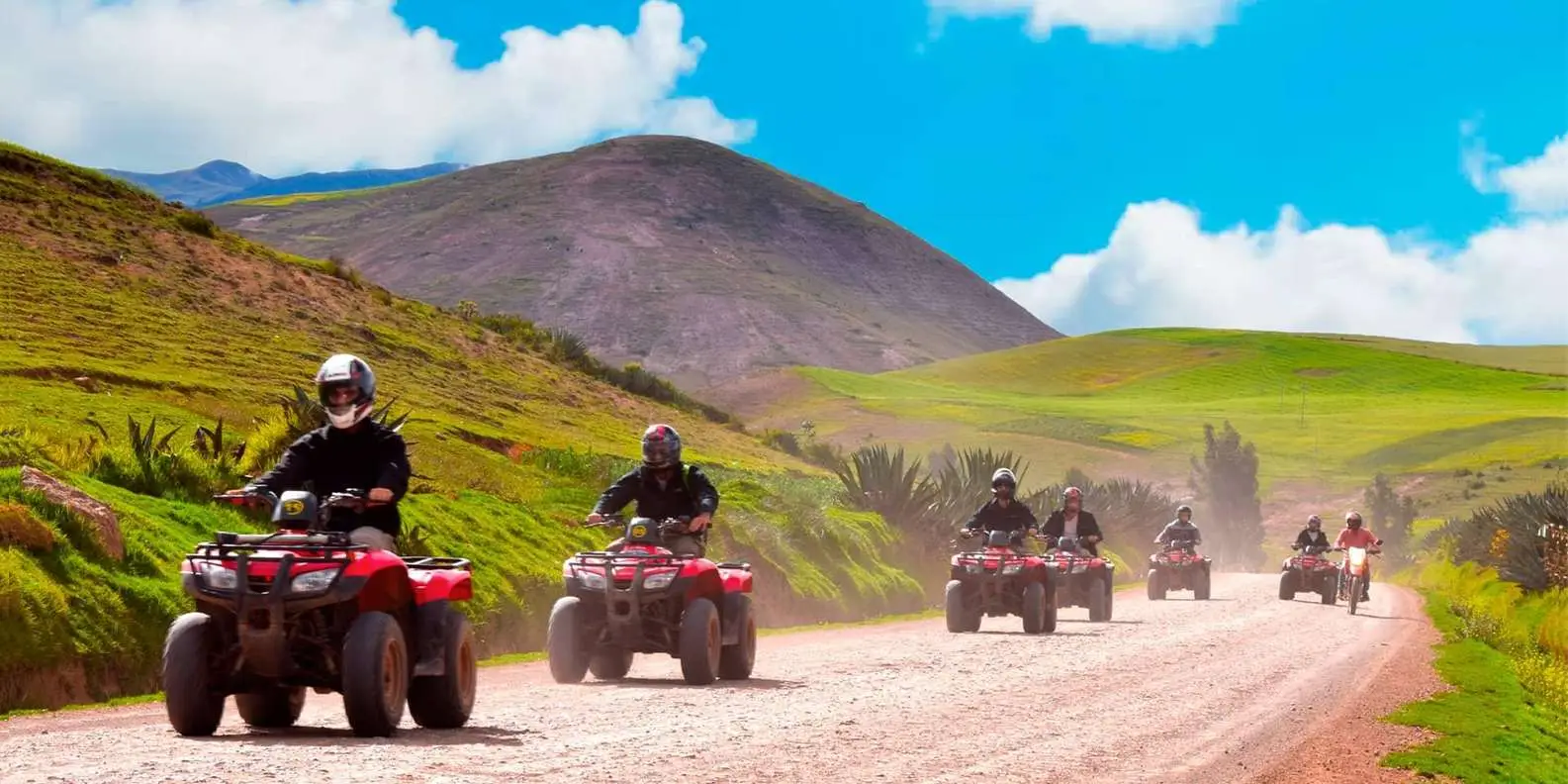
Salkantay Trek Hikers Snow Mountain

The Majestic Humantay Lagoon

Perched at an elevation of over 4,200 meters (13,800 feet), Humantay Lagoon is a natural wonder. Its crystal-clear, turquoise waters are fed by the melting glaciers of the surrounding mountains. The lagoon’s vibrant color and tranquil setting make it a photographer’s paradise.

The Geological Marvel of Humantay Lagoon

Humantay Lagoon is not only a feast for the eyes but also a geological marvel. The lagoon was formed thousands of years ago as a result of glacial activity, where melting glaciers carved out the basin that now holds the azure waters. The surrounding mountains, with their snow-capped peaks, continue to feed the lagoon, creating a dynamic ecosystem that supports diverse plant and animal life. Understanding the geological processes that shaped the lagoon adds to its mystique and allure.

The Spiritual Significance of the Lagoon

Humantay Lagoon holds deep spiritual significance for the indigenous Andean communities. The site is sacred, and locals perform rituals and offerings to honor the mountain deities, or “Apus.” These traditions reflect Andean cosmology, which emphasizes respect and reverence for nature. By visiting the lagoon, travelers can witness these ceremonies firsthand, gaining insight into the cultural and religious beliefs preserved across generations.

Capturing the Lagoon’s Beauty: Photography Tips

To capture the full splendor of Humantay Lagoon, consider these photography tips:

  • Golden Hour Magic: Visit during the golden hours, shortly after sunrise or before sunset, when the light is soft and warm, enhancing the lagoon’s colors. The gentle light during these times adds a magical quality to your photographs, highlighting the turquoise hues of the water and the ruggedness of the surrounding peaks.
  • Polarizing Filter: Use a polarizing filter to reduce glare and enhance the contrast of the sky and water. This tool is essential for capturing the lagoon’s vibrant colors and the clarity of its waters, allowing for more vivid and striking images.
  • Wide-Angle Lens: A wide-angle lens is perfect for capturing the expansive beauty of the lagoon and its mountainous surroundings. This lens allows you to encompass more of the landscape in each shot, providing a panoramic view that showcases the grandeur of the setting.

Best Time to Visit Cusco and the Lagoon

The best time to visit Cusco and embark on the Humantay Lagoon tour is during the dry season, from May to September. During these months, you can expect clear skies and mild temperatures, ideal for hiking and photography. However, be prepared for chilly temperatures, especially at higher altitudes.

Seasonal Variations and Weather Considerations

Understanding the seasonal variations in the Andes is crucial for planning your visit. The dry season, from May to September, offers the best weather conditions for trekking, with minimal rainfall and clear skies. However, temperatures can fluctuate significantly, especially at higher altitudes, so it’s important to be prepared for colder weather. The rainy season, from October to April, brings lush greenery and fewer crowds, but the trails can be muddy and more challenging to navigate.

Planning Your Itinerary

When planning your itinerary, book your tours in advance with a trusted tour company. Visiting at the start or end of the dry season offers better weather and fewer crowds. Regardless of when you visit, allocate extra time in Cusco to acclimate to the altitude and explore the city’s rich cultural offerings.

Humantay Lake Hiker Glacier View

Practical Tips for a Memorable Visit

To ensure a memorable visit to Cusco and the Humantay Lagoon, consider the following tips:

  • Acclimatization: Spend a few days in Cusco to acclimate to the altitude before embarking on the hike. This will help prevent altitude sickness and ensure you can fully enjoy the trek without discomfort.
  • Layered Clothing: Wear layers to adjust to changing temperatures throughout the day. The weather can vary dramatically, so having layers allows you to stay comfortable as conditions change.
  • Hydration and Snacks: Bring plenty of water and high-energy snacks to keep you fueled during the hike. Staying hydrated and nourished is essential for maintaining energy levels and enjoying the trek.
  • Respect Local Customs: Be mindful of local customs and traditions. Always ask for permission before photographing people, and show respect for the cultural practices and beliefs of the Andean communities.

Cultural Insights: Before Machu Picchu

Before the iconic Machu Picchu was constructed, the region around Humantay Lagoon played a significant role in the spiritual and cultural life of the Incas. The lagoon was considered sacred, a place where the Incas would conduct rituals and offerings to the mountain deities, or “Apus.” These traditions continue today, with local communities often visiting the lagoon to perform ceremonies honoring the natural world.

The Spiritual Legacy of the Incas

Rituals and ceremonies still performed today reveal the spiritual legacy of the Incas. They believed that mountains, rivers, and lagoons housed spirits, conducting offerings to honor these deities. Humantay Lagoon served as one sacred site where such offerings sought the favor of the “Apus” and the land’s fertility. Learning about these practices provides a richer understanding of the cultural depth of the Andean region.
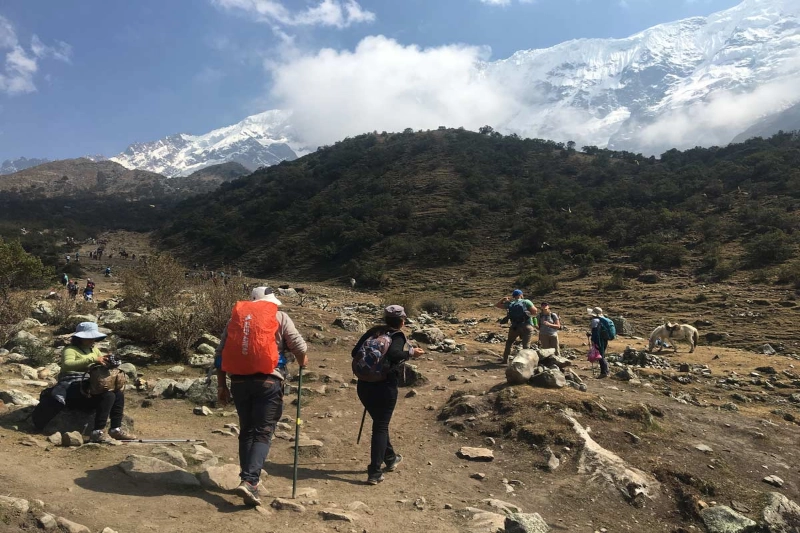
Modern-Day Practices and Traditions

Today, the indigenous communities around the Humantay Lagoon continue to uphold their ancestral traditions. Pilgrimages to the lagoon are common, where ceremonies are performed to give thanks and seek blessings. These practices are a testament to the enduring cultural heritage of the Andean people and their deep connection to the land. Visitors to the lagoon have the opportunity to witness these ceremonies, offering a unique insight into the living traditions of the region.
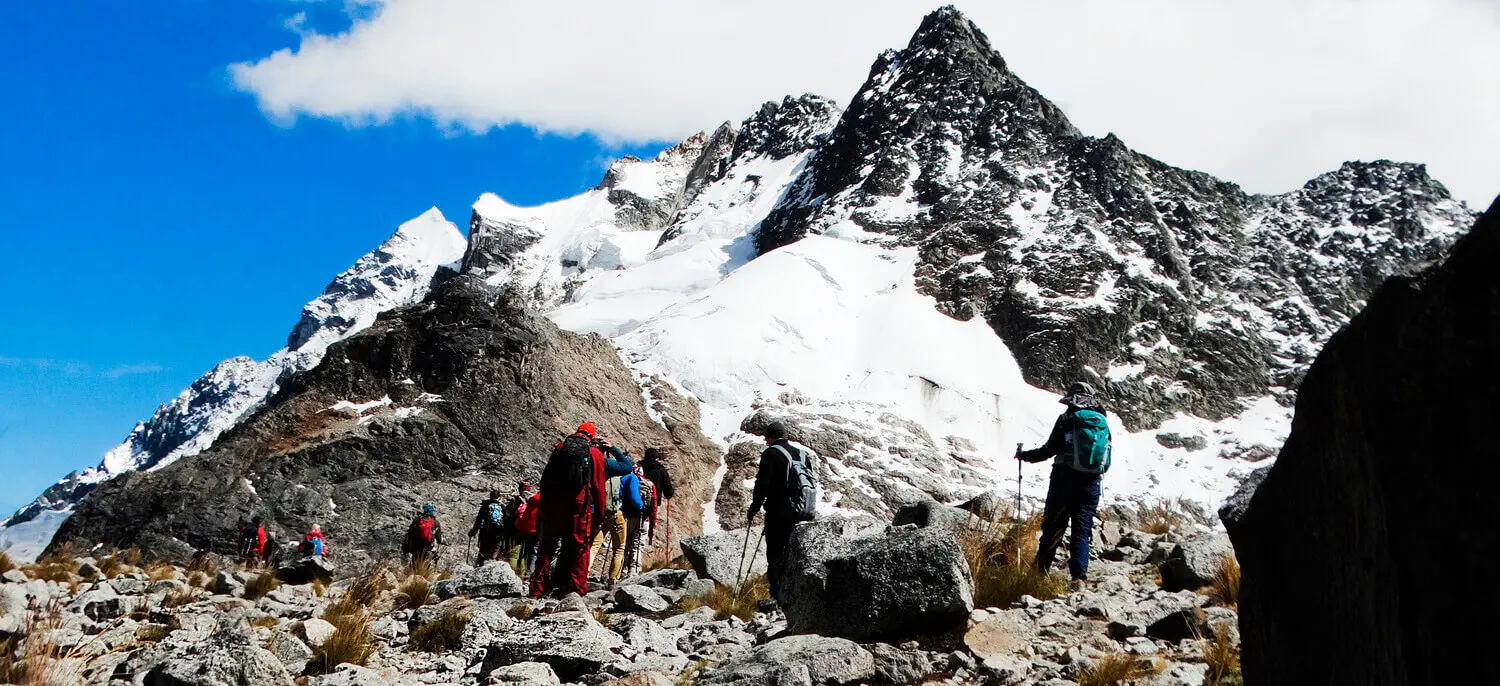
The Linguistic Tapestry of the Andes

The Andean region is a linguistic tapestry, with Quechua being the most widely spoken indigenous language. During your tour, you’ll likely hear Quechua phrases and songs, reflecting the deep-rooted cultural heritage of the Andean people. Understanding even a few words can enrich your experience and foster a deeper connection with the local communities. Learning simple greetings or expressions in Quechua can open doors to meaningful interactions and show respect for the cultural identity of the people you encounter.

Practical Tips for the Humantay Lake Tour

To make the most of your Humantay Lake tour, consider these practical tips:

  • Acclimatization: Spend a few days in Cusco to acclimate to the altitude before embarking on the hike. This will help prevent altitude sickness.
  • Layered Clothing: Wear layers to adjust to changing temperatures throughout the day.
  • Hydration and Snacks: Bring plenty of water and high-energy snacks to keep you fueled during the hike.
  • Respect Local Customs: Be mindful of local customs and traditions. Always ask for permission before photographing people.

Preparing for the Trek

Preparation is key to a successful and enjoyable trek to Humantay Lagoon. Begin by acclimating to the altitude in Cusco to minimize the risk of altitude sickness. Engage in light activities and drink plenty of water to help your body adjust. 
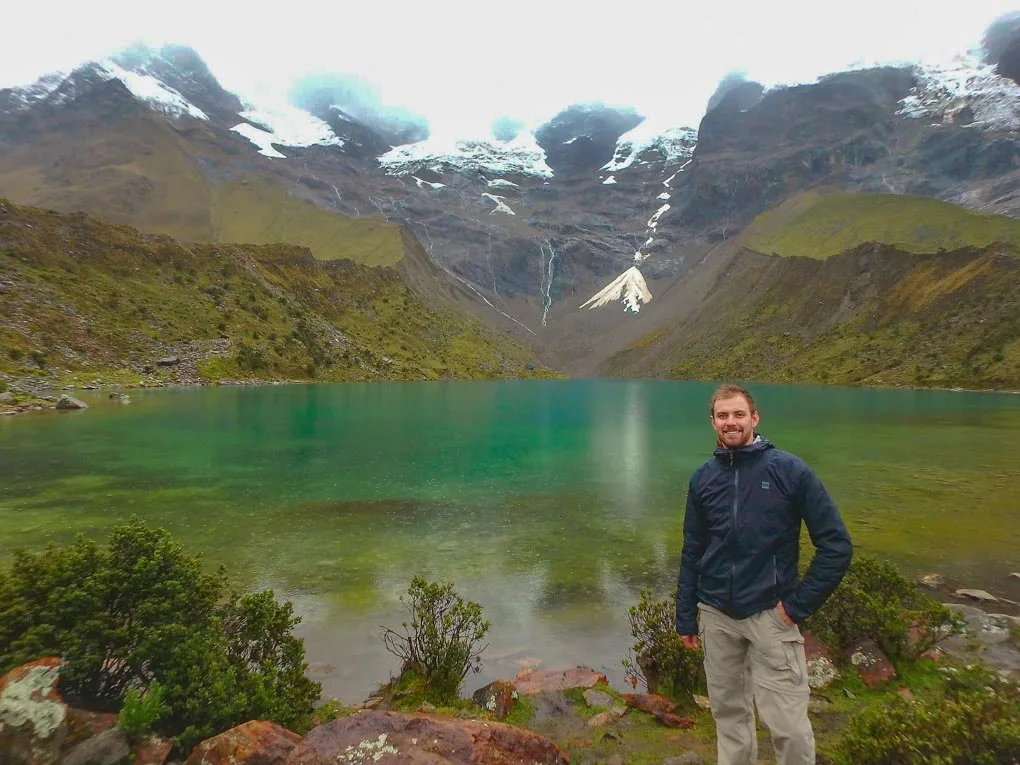
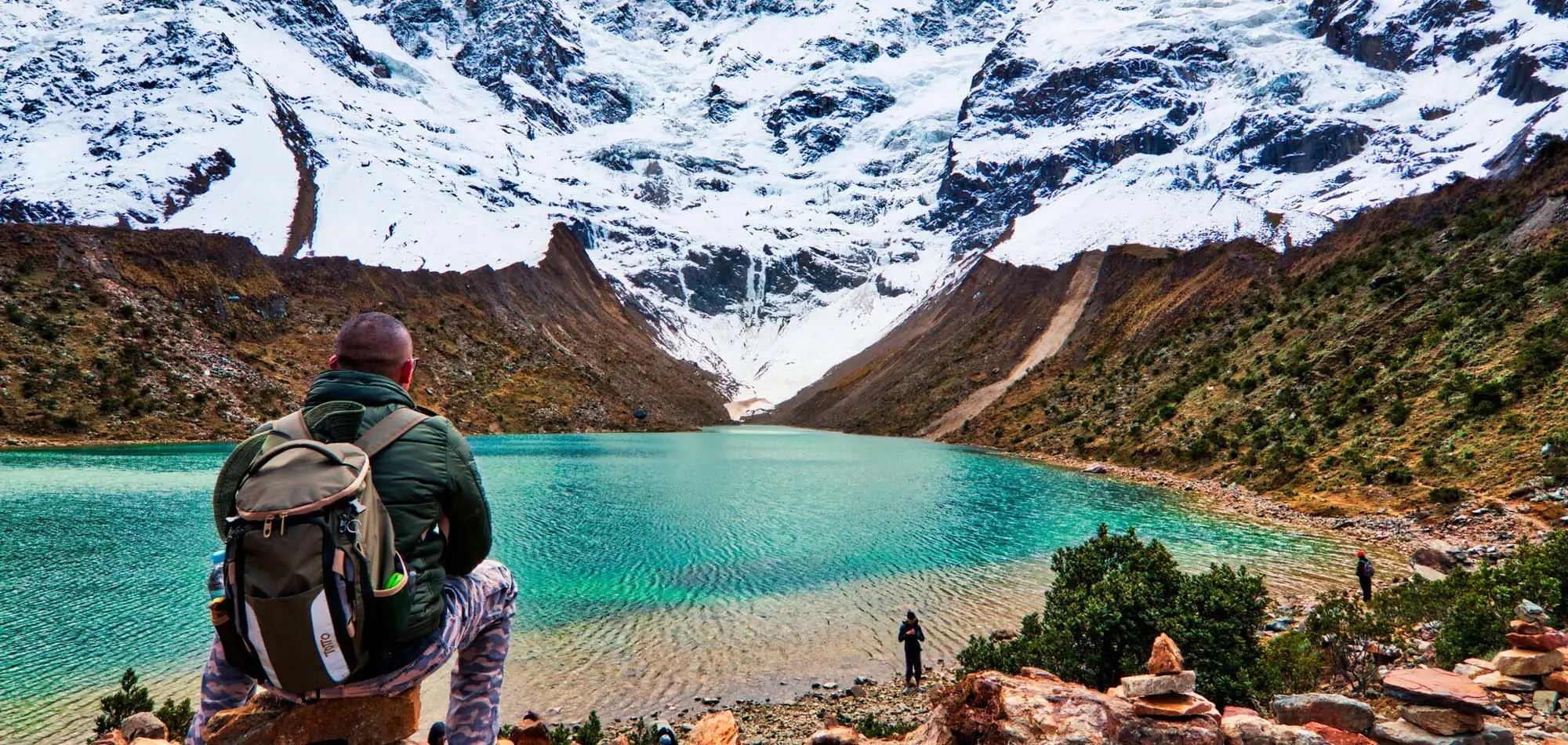
When packing for the trek, prioritize layered clothing to accommodate the varying temperatures. A good pair of hiking boots is essential for navigating the rugged terrain comfortably.

Humantay Lake Backpacker Viewpoint

Essential Gear and Supplies

Having the right gear and supplies can make all the difference during your trek. In addition to layered clothing, pack a daypack with essentials such as a reusable water bottle, high-energy snacks, and a first aid kit. A hat and sunglasses will protect you from the intense Andean sun, while a rain jacket is advisable in case of unexpected showers. Consider bringing a camera or smartphone to capture the stunning landscapes and memorable moments along the way.

Respect and Cultural Sensitivity

While exploring the Sacred Valley and Humantay Lagoon, it’s important to approach the experience with respect and cultural sensitivity. Be mindful of local customs and traditions, and seek permission before photographing individuals or participating in ceremonies. Showing respect for the cultural practices of the Andean communities fosters positive interactions and enhances your understanding of the region’s rich heritage.

Conclusion

The Humantay Lagoon day tour from Cusco is more than just an adventure; it’s a journey into the heart of the Andes, where nature and culture intertwine. By exploring this sacred landscape, you’ll gain a deeper appreciation for the region’s historical significance and cultural richness. Whether you’re a travel writer seeking inspiration or an enthusiast of indigenous cultures, this tour offers a unique perspective on the Andean world.

Embark on this unforgettable adventure and let the captivating beauty and history of the Sacred Valley leave an indelible mark on your soul. The experience promises not only breathtaking vistas but also meaningful encounters with the people and stories that have shaped the Andes for centuries.

Official endorsement

Associations & Certifications

We operate under the regulations and standards of Peru's leading tourism entities.

MINCETUR DIRCETUR GERCETUR ESSNA Marca Perú SUNAT Authorized Operator TripAdvisor GetYourGuide Viator WeTravel Y tú qué planes Peru Rail