The Sacred Valley and Machu Picchu tour takes you far beyond everyday routine. This tour brings together culture, nature, and ancient architecture. As a result, it creates an experience that is profoundly spiritual and deeply human. So, let’s explore more about Cuzco Machu Picchu, and how a  2 day machu picchu and sacred valley tour is both meaningful and beautiful.

The Heartbeat of the Valley

The terrain is the sensation that life in this valley never slows down. It is still alive and with the same zeal that saw farmers, builders, and philosophers build an empire that was in harmony with the land.

  • Living in an ancient culture.
  • Whispering mountain air.
  • Timeless human balance.
  • Sacred natural harmony.
  • Eternal valley rhythm.
  • Heritage through silence.

It’s within the soil, the pattern of cultivating, through the sounds of the breeze that smacks the terraces. Every field, every cut stone, each ritual is an uninterrupted connection between the people and the Earth. 

The Journey Inward

As you ascend, the more peaceful the entire world appears. Air becomes lighter, and your thoughts slow, and your senses are sharper. There is a purity to the quiet, the weight of every move that anchors you in the moment.

  • Inner peace awakening.
  • Ancient stone breath.
  • Sacred architectural harmony.
  • Quiet human reflection.
  • Mountain spiritual energy.
  • Timeless mindful stillness.

Their stone structures, constructed with unimaginable accuracy, appear to be in constant communication, like the mountains. It is easy to see why the people who designed the structures did not see any distinction between purpose and art.

The Dialogue Between Earth and Sky

The way walls are arranged, the way light reflects through the stone walls, and the way that water flows through secret channels. It’s like the construction workers sculpted the mountain rather than constructing on it.

  • Celestial architectural balance.
  • Earthly divine connection.
  • Eternal natural rhythm.
  • Whispered cosmic harmony.
  • Light shadow dance.
  • Ancient silent dialogue.

The entire structure was designed as a dialogue between the sky and Earth. The stone’s reflections of sunlight are captured with precision, and shadows move with the changing seasons.

Being Observant of Ancient Relics

Here, you are a spectator and a participant. This world is growing and shrinking around you. Within a short span of time, you forget the modern surrounding world and remember what it means to be in tune with the world.

  • Silence seems controlled.
  • You don’t interrupt peace.
  • Design is intentional.
  • Endure the passage of time.

The Two Day Tour of Sacred Valley

The first day is a time when you are asked to pause and observe all the silence, the colors, and the textures, which occur naturally. On day two, the daylight breaks over the old rock and brings something new.

  • Peaceful dawn glow.
  • Gentle sacred rhythm.
  • Reflective morning silence.
  • Living in timeless balance.
  • Awakened human spirit.
  • Quiet mountain rebirth.

The view isn’t extravagant or loud. The effect is subtle, even sacred. The mist disperses while the air vibrates warm, as you feel the weight of years melt with the dawn light.

A Culture That Never Faded

In modern times, technological advancement is often measured by speed. But here, the pace of progress is defined by perseverance, skill, and connections. The individuals who continue this tradition haven’t lost sight of it. 

  • Living a timeless tradition.
  • Harmonious daily rhythm.
  • Evolving ancient practice.
  • Respectful cultural continuity.
  • Enduring spiritual heritage.
  • Human connection preserved.

This is apparent in the ways traditional values can be preserved without resistance. The past and the future exist without conflict. It’s not like being an uninvolved observer from afar.

Travel With A Reputable Name

If you go on a trip with Go Xplore Peru, it’s an exchange with the past. The Sacred Valley and Machu Picchu Tour is designed for people seeking to learn more than look. 

  • Authentic guided insight.
  • Immersive cultural depth.
  • Seamless travel experience.
  • Emotional human discovery.
  • Thoughtful sacred exploration.
  • Purposeful mindful travel.

This itinerary combines comfort with authenticity. Thus, it allows you to experience an intimate connection to the world of today that honors its origins.

Conclusion

The Machu Picchu Sacred Valley journey will remind the visitor that culture stays with you. It is something that will keep you on track long after your trip ends. Finally, with Go Exploring Peru, you’re led through the revelation of historical significance.

FAQs

What is the duration of the Machu Picchu Sacred Valley?

It typically lasts for two days and allows you to think and reflect.

  • Nature.
  • Immersion.
  • Culture.

What’s unique about 2 day tour Sacred Valley and Machu adventure?

It’s not only about visiting historical places, as you grasp the harmony of spirit that lies behind structures.

  • Experience the present culture.
  • Learn about the history.
  • Hidden traditional craftwork.

Are you physically exhausted by the trip?

Your fitness is essential as the journey is about perseverance and moving in the moment. 

  • Speed.
  • Persistence.
  • Depth of knowledge.

What type of person enjoys the most?

This tour is excellent for those seeking the following values.

  • Meaningful and informative.
  • Calmness and serenity.
  • Sense of connection. 

The​‍​‌‍​‍‌ Sacred Valley is not only famous for its ruins but is also filled with vibrant history, culture, and amazing nature. Each town looks pretty with its old-fashioned streets made of stone, colorful markets, and magnificent views of the mountains or the river. Moving around the valley is an ideal combination of the outdoors and the past, and you actually get to know how the old ones lived.

In this blog, we will discuss everything you can do and see on the Cusco Sacred Valley tour.

What Makes Cusco So Famous

Cusco is really the essence of the Andes. The town blends Inca heritage with the appeal of the Spaniards, making it a very memorable place. Walking through the city is like being in two different times concurrently. Also, there are the old rocks of ancient walls that have stood for ages, right next to the brightly coloured markets and the cafés full of joy. Cusco in itself is a very fascinating place to visit.

The Sacred Valley​ and its Charm

The Sacred Valley is going to give you a sense of serenity from the moment you arrive. It has this tranquility that urban areas are not able to offer. All the villages have their own pace. It is the pace that is influenced by the habits of the locals and their uncomplicated daily life. Markets are stocked with the local products, farmers deliver fresh fruits and vegetables, and children play in the squares. It is one that makes your life slower, which is actually the best ​‍​‌‍​‍‌thing.

Now we can start discussing all of the areas to visit and see in a Cusco tour package. 

1. Explore Pisac Ruins and Town

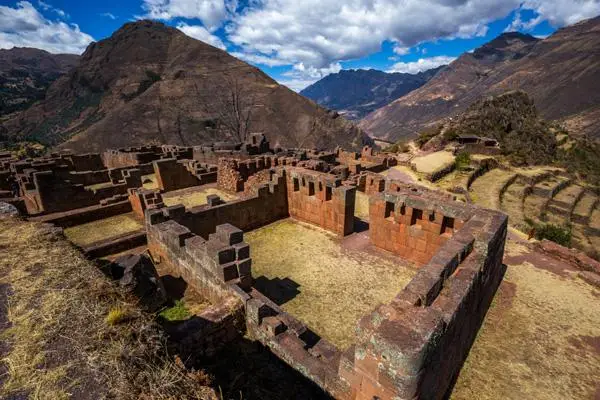
Pisac is known for its ruins that lie on the hillside above the town. You can hike up to see the terraces and stone structures. A tour package Peru would be the most suitable option to get back down, as it goes through the less crowded areas of the ruins for a more serene experience. The town is full of tiny shops that sell real handicrafts and a few cafés that have views of the ​‍​‌‍​‍‌mountains.

2. Visit Chinchero

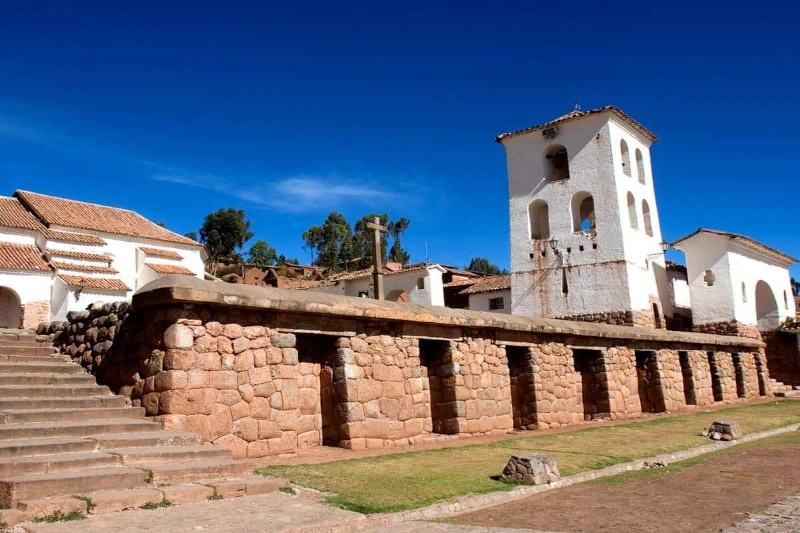
Chinchero​‍​‌‍​‍‌ is not as crowded, which is nice to see. You can walk through and enjoy the cobblestone streets and admire the traditional houses. From their terraces, seeing the mountains with snow on their tops, like Salkantay, is really nice. If you are willing to take pictures, you must certainly be there when the sun is just starting to shine because the light is perfect. ​‍​‌‍​‍‌

3. Wander Through Ollantaytambo

Ollantaytambo preserves its ancient layout, with streets designed during the Inca era. Its citadel and terraces are awesome and help to understand the old methods of defense. A Cusco city tour in the morning would be great. Local markets are full of fresh fruits and vegetables, and also sell good-quality handmade ​‍​‌‍​‍‌products.

4. Explore Moray Ruins and Maras Salt Mines

Moray consists of circular terraces that the Incas used for their agricultural experiments. Close to Maras, there are salt mines that have thousands of small ponds sparkling in the sun. Coming here is a revelation of both the old methods and the current ways of the locals. Strolling among the salt ponds provides a beautiful sight. 

5. Things to Do in the Sacred Valley

You should definitely try to do all these things on a Cusco sacred valley tour​: 

  1. Visit traditional markets for textiles and handicrafts.
  2. You can taste the local cuisine in small restaurants.
  3. You can attend cultural events or festivals if available.
  4. If you like photography, there are many terraces, ruins, and mountain landscapes.
  5. You should try to explore small villages off the main roads to see daily life.
  6. Visit Sacsayhuaman near Cusco for impressive stone walls.
  7. You can try horseback riding through parts of the valley.
  8. Learn about traditional farming methods still in use today.

Getting Around and Tips

To get between towns, you can use local colectivos and taxis, which are common. A few travelers also opt for a guided tour as they can cover many places in a day. In case you are planning a Peru tour package from the USA, it is advisable to carry your layers as the mornings are cold while the afternoons are warm. Drinking enough water is a must. Do not forget to take your time. There is no fun in rushing.

Conclusion 

The Sacred Valley is a combination of the past, culture, and nature. Living a few days among its towns, ruins, and markets gives you a wider understanding of the region besides simply taking the Machu Picchu trail. Every single point of the valley is like a different world, which stays with you as the most beautiful part of your Peru journey. Without a doubt, you must take the Cusco Sacred Valley ​‍​‌‍​‍‌tour​.

Goxplore Peru is a tourism operator company. With over 7 years of experience in the Peruvian market, they are dedicated to offering optimal services. They offer personalized and professional attention at competitive prices.

In 2025, if you want to go on a tour of the Inca Trail, you’ll find many companies available. Each of these offer different packages and expeditions at varying prices. But how do you decide which one will be perfect for you? Don’t judge a book by its cover, and understand the itinerary before booking one. 

In this blog, we will discuss how you can choose the one that is best for you. We will be discussing the top companies that offer the Inca Trail tour at affordable prices. 

Are Inca Trail tours really worth it?

The Inca Trail is like a historic path that leads to the citadel of Machu Picchu. It is best known for its long and beautiful pathways built around the Andes. Trekking through this trail can prove to be a really worthwhile experience. If you take a tour here, it will definitely be worth it and more.

This trail is so famous that people visit Peru specifically to hike it. Inca Trail guided tours offer you the perfect opportunity to experience and immerse yourself in the rich culture of the ancient Inca civilization. This culture has been preserved for centuries and is indeed a beautiful one. The ability to do a trek here is something every adventurer should try.

How to Choose the Right Inca Trail Tour Company

Here are the key points you should keep in mind before picking a company for your Inca Trail tour:

Customizable Tour Options

You should definitely choose a company that will allow you to customize the tour and packages to your needs. The best Inca trail tour operators will give you a flexible schedule and touring options. This flexibility allows you to make the most of your trip under your specific conditions. 

Size of Hiking Groups 

The sizes of hiking groups will matter more than you may think. This is because too many people in one single trekking group can sometimes ruin the vibe. You’re going to find that an ideal group size for a Peru Inca Trail hike is 8-10 people.

Quality of Equipment 

Since you won’t be carrying too much luggage, your tent and accommodations will be provided by the company itself. The nights in the Andes will definitely get chilly with time. If you can, ask about the quality of the gear and tents before starting your journey.

Number and Treatment of Porters

The porters are going to be the backbone of your trip. They’ll be carrying your heavy load for you. The company must provide an ideal number of porters for you. More importantly, it is crucial to assess how each company prioritizes the well-being of its porters. Without them, the trek will fall apart. 

Safety and Company Expertise

Naturally, the touring company should always be vigilant for your safety. It should be your primary concern. Choosing a reputable company ensures that your trek goes smoothly and, more importantly, that the company has all the necessary licenses. A good company should also provide a satellite phone, in case of any emergency. 

Online Reviews

If you read about the online reviews and testimonials of companies before choosing one. These reviews will help you understand how the company operates. All Inca Trail tour companies have a TripAdvisor platform on their website. 

Benefits of Choosing the Best Inca Trail Tour Operators

But how would it be beneficial to do so much research just to pick a touring company? Here are some reasons why choosing the right touring company is beneficial:

Safety First 

Any touring company should be able to ensure your safety at every point of this trek. Specifically at higher altitudes, when the air gets thin, and at night. 

Experienced Guidance 

A good company will have tour guides and locals who give you a much deeper insight into the place and its history. 

Logistics

The right company will handle all the accommodations and local transport with ease. Your only job is to enjoy the trek and its surroundings.

Time Efficiency

Time management is a big factor in these trips. The right company will help you make the most of your Peru Machu Picchu Inca Trail hike in the limited time.  

Ethical and Environmental Practices

The reputable companies should only use safe and eco-friendly activities. This is crucial for you and the environment. 

Conclusion 

Going for a trek on the Inca Trail is going to be an adventure you’ll be telling everyone. But the more important aspect of this adventure will be the company that takes you there. Researching before choosing any company is a much better option than going without. Inca trail tours are going to be a great way for you to enjoy mountain treks.

At Goxplore Peru, we are dedicated to helping people discover Machu Picchu in a way that feels real and memorable. We are working with the best tour guides and locals to make sure your tour stays perfect.

FAQs

What is the best trekking company for the Inca Trail?

Goxplore Peru is the best Inca Trail tour company. They have been operating on the Inca Trail with the best tour guides and porters. 

How to know if a travel company is good for the Inca Trail?

You should check the TripAdvisor page for that company. If the company has more than 100 reviews, then you can consider booking from there. 

Will the Inca Trail be a difficult trek?

If you have been on other treks before, you will find this one moderately difficult. But Inca trail guided tours will definitely be a challenging one for beginners. 

How high does this trail go?

The Inca Trail is going to start from 3000 meters, and the maximum height will be 4215 meters above sea level. 

How are Ethical Inca Trail tour companies different?

These companies follow an ethical obligation of keeping their surroundings clean and their porters happy. They will use eco-friendly methods and preserve nature. 

The Inca Jungle Trek is one of the most adventurous ways to reach Machu Picchu. This 4-day trek has many activities. You’ll do biking, hiking, and even zip-lining through the Peruvian jungle. The Inca Jungle Trek is perfect for travelers seeking both adventure and cultural experiences. You will have the chance to experience rainforests and visit indigenous towns.

The Inca Jungle Trail will surprise you each day. This begins in Cusco, on a short bus ride to the trailhead. You’ll stop on the way to get photos and eat some snacks. The trail is well organised. At Goxplore Peru, you can find perfect guides who ensure your safety and a comfortable trek.

Tour Details – Inca Jungle Trek 4 Days with Goxplore Peru

  • Biking: Ride approximately 65 km of beautiful downhill roads that will take about 3-4 hours.  
  • Rafting on the River: You will get a thrilling 1-1.5 hours of rafting the Santa Maria rivers with fun but safe rapids.
  • Accommodation: Enjoy great sleep time at the hotels in Santa Maria and nearby when we trek.
  • Meals Included: It has healthy meals to keep you energized with the required power levels.

Day 1: Cusco to Santa Maria

The day begins with pickup at your hotel in Cusco. The trek starts high up at altitude after a beautiful bus ride, giving you a bird’s eye view of the Andes. To reach Santa Maria, you must cross rivers, villages, and farms. Lunch is served during the journey.

There is a guide briefing on mountain biking the Inca Jungle Trail, including safety measures and advice on riding on mountain trails. The first day is of a moderate pace and serves as a good build-up for the second and third days.

Day 2: Adventure in Santa Teresa

Day two is action-packed. Downhill mountain trails go through forests and along waterfalls. There are sporadic hiking sections on the Inca Jungle Trek.  Therefore, you can reach remote areas that are inaccessible by bike. You eat lunch in Santa Teresa so you can try local cuisine.

Afternoon guests will usually have optional activities. This includes zip-lining or soaking in natural hot springs. So, the relaxing time keeps this section of the trek fun and balanced. Guides are always available to keep everyone entertained and safe while executing the more elements.

Day 3: Hidroelectrica and Aguas Calientes

On the third day, you will get breakfast early. Then, a stunning hike along the trails to Hidroelectrica will commence. This hike is on the train way to Aguas Calientes. It is the town at the base of Machu Picchu.

In Aguas Calientes, you will get a pause at your hotel. You can spend parts of your free evening shopping in local marketplaces.

Day 4: Exploring Machu Picchu

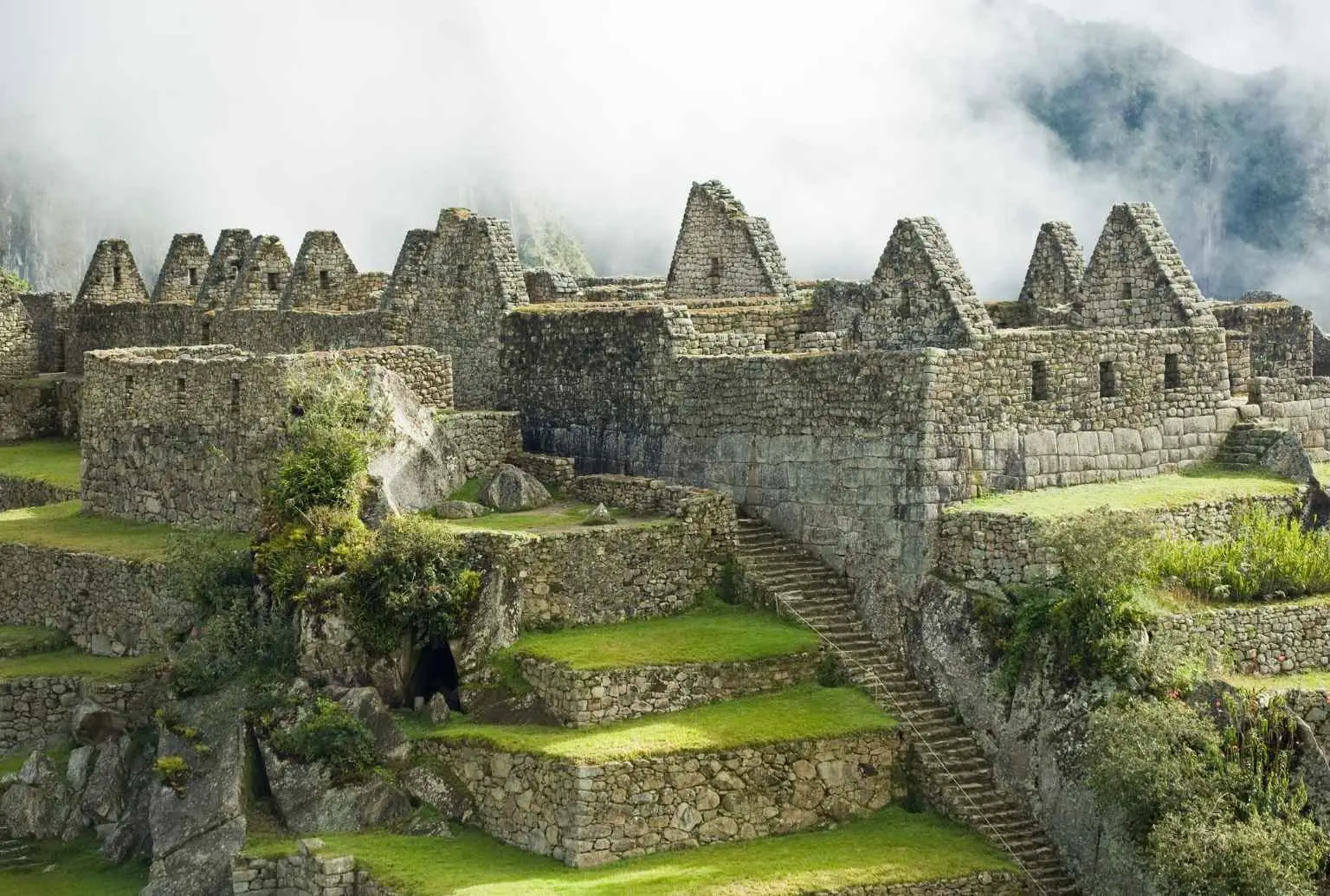
It is your last day of the trek. In Machu Picchu, you can see a beautiful sunrise over the historic city. The Inca Trail Machu Picchu has great stonework, terracing, and temples.

Guides tell you about the history of how the Incas built and populated this wonderful city. Visitors return to Aguas Calientes for lunch after a morning tour, then board the train to return to Cusco.

What’s Included on the Trek

  • Transport from Cusco to the trailhead beginning points.
  • Guided treks and bike tours.
  • Day meals on the trek.
  • Lodgings in Aguas Calientes, Santa Teresa, and Santa Maria.
  • Sport zip-lining.

The Inca Jungle Trail Machu Picchu tour price is per individual and suitable for small groups of people.

Inca Jungle Trek Tips

  • You should get appropriate footwear for walking and rain- and sun-resistant clothing.
  • Pack light but in layers if the temperature changes.
  • A camera or cell phone to document pictures is strongly suggested.
  • Prepare yourself for biking and average hiking.

The Inca Jungle Trail in Peru is suitable for people who love to explore the wonders of nature. Our guides are always there to assist and manage hikers.

What to Pack on the Inca Jungle Trek

Light packing is essential for the 4-day Inca Trail to Machu Picchu. You’ll only have to carry it over relatively flat walking stretches. Backpacks can also be carried by the guide for a small additional charge if necessary, but it is not often needed.  

Here are the things that you should definitely carry with you:

  • Carry lightweight garments in case the weather takes an unexpected turn.
  • Pack a poncho or raincoat in case of sudden rain showers.
  • Always carry sunscreen to shield yourself from the sun’s harmful rays.
  • Include insect repellent that protects against being in very jungle-like scenarios.
  • You will need a small refillable water bottle for hydration.

Conclusion

The Inca Jungle Trek is an amazing four-day tour. It combines history, culture, and thrill. You will not be bored when you are riding mountain bikes down muddy roads. Trekking through the jungle and entering Machu Picchu on foot makes your tour all the more interesting.  

Begin your journey today with Goxplore Peru. Book your place on an unforgettable Inca jungle trek, visit ancient ruins, and enjoy the adrenaline rush of the Inca jungle trail to Machu Picchu.

Rainbow Mountain stands out against the stunning landscape of Peru. About 143 kilometres away from the city of Cusco, this incredible landmark is a sight that people visit Peru to see. People who have been here explain their experience of trekking this mountain as one of the best adventures they’ve had. If you’ve already reached Cusco and are wondering about your next move, don’t look further than this beauty.

Going from Cusco to Rainbow Mountain will obviously be a long process, but not as long as you might perceive it to be. In this blog, we will discuss all the tips, routes, and costs for the Rainbow Mountain tour in Cusco and how it can be the perfect one as well. 

Why is the Rainbow Mountain Tour So Famous?

Rainbow Mountain has only recently been opened to tourists. Even though Rainbow Mountain tours have only been open for not too long, it has transformed into a site everyone wants to see for themselves. If you are confused about it, here are some points that may change your mind:

  • A tour here isn’t that long compared to others. Small tours can take only half a day, which makes it easier to add to your itinerary.
  • The trek here may seem challenging, but it can nonetheless be done by all. The views and experience make it worthwhile. 
  • Of course, since it’s a harder trek, there are fewer crowds here. This will provide you with a sense of achievement that only a few achieve. 
  • You’ll experience a different, often overlooked side of Peru. The wildlife here is an amazing sight, filled with llamas. 
  • After all, the trek is challenging. It’s a good way to test your strength and endurance. 

Some Essential Tips for Visiting Rainbow Mountain

Now that you have decided to visit this beauty, some important tips can go a long way in ensuring your trip goes wonderfully. These tips are:

  1. Pack one night before

This is something that can set the tone of your adventure. Packing one night before is a good way to make sure everything you need is in order. However, if you do decide to wing it and pack right before the tour, chances are you might forget something extremely important. So pack your bag one night before and cross-check all the important items.

  1. Bring a raincoat

The weather in this area can change without giving any obvious signals. A raincoat doesn’t take much space anyway, and it can be of great advantage if it starts raining. This way, you can prevent your body’s temperature from dropping and ultimately induce a cold. 

  1. Bring water

No, there will be no water available between the mountains. You can ask someone else, but the best solution is to carry at least 2.5 L of water. Utilize it wisely and pack it in hydration backpacks, as they are easier to carry. 

  1. Bring some snacks 

Snacks are obviously important, but which ones should you bring? You can bring along some protein bars, energy bars, trail mix, or even some local snacks. They’ll help you feel full and energize you throughout your tour. 

  1. Coca leaves

This may seem surprising to many, but coca leaves are indeed very helpful in this regard. When you’re at high altitudes, if you’re not that experienced, you may feel altitude sickness. Chewing on coca leaves is a good way to alleviate this sickness. The locals there may or may not have them, so it’s better to carry your own. 

  1. Bring your camera

This will be a trip you’ll fondly remember and tell everyone about. It’ll be a great option for you to capture most of it in photos and videos. 

  1. Pick a good tour company. 

A good tour company will have the perfect itinerary for you. They will include meals, transportation from Cusco to Rainbow Mountain, and local areas, and will have other sites and places as well. You should browse through their packages and select the best deal that meets your requirements. 

How much would it cost to visit Rainbow Mountain?

If you’re looking to visit this place alongside your original trip, you may have to plan it differently. However, a more sensible option would be to choose a tour that also covers this mountain. Most tours originating from Cusco and its surrounding areas include the Rainbow Mountains as part of them. For example, Goxplore Peru has tours that go from Cusco to Vinicunca Rainbow Mountain. 

Regarding costs, if you decide to visit Rainbow Mountain in addition to your original tour, the price will vary significantly. It depends on what kinds of activities you do. But the safer approach is to book one that covers other parts of the area as well. This way, you reduce the overall cost of your trip and visit more places as well. The average Cusco vacation package costs around $ 750 USD. 

Cusco to Rainbow Mountain – Everything you need to know about the routes 

There is no single route to the mountain. It will involve different methods of transportation. The distance from Cusco to Rainbow Mountain is around an 85km drive to Cusipata and then a 4km trek. You would have to go with a reputable tour operator, so it’s recommended to follow their guidance only. They will have a local guide who will make the tour far easier. 

You should refrain from taking taxis and instead follow your tour operator’s instructions. They are familiar with all the proper Rainbow Mountain hikes and treks. If you plan to take this trip, you should get accustomed to some long treks. 

Conclusion 

A visit to the Rainbow Mountain will be a perfect part of your overall trip in Cusco. It involves trekking, walking in the mountains, and a range of adventurous activities you can imagine. And the best part is that all of this adventure would be done on the beautiful, colored sands of this mountain. There are all sorts of packages available that provide Rainbow Mountain tours in Cusco. 

Goxplore Peru is a tourism operator company. With over 7 years of experience in the Peruvian market, they are committed to providing exceptional services. They offer personalized and professional attention at competitive prices.

FAQs

  1. What is the best time to visit Rainbow Mountain?

The best time is from May to September, during the dry season. This is when the weather is clear and ideal for tours.

  1. Will the treks be challenging?

Yes, the Rainbow Mountain trek in Peru will be challenging for beginners. But once you’ve reached the destination, it all becomes worth it. 

  1. What are the ideal clothes to carry?

The best option would be to carry light clothes for the day and warm layers for the night. Just for safety, pack a raincoat as well. 

  1. Which package should I book for my visit to Cusco?

When booking vacation packages in Cusco, look for options within your budget. Most importantly, they should also cover Rainbow Mountain tours. 

  1. What should I do if I get altitude sickness?

Rainbow Mountain is about 5200 meters above sea level, so you might experience altitude sickness. Rest, chew coca leaves, or drink their tea to help ease the symptoms. 

Cusco is the gateway city before visiting Machu Picchu. It is an important destination to visit before getting on the trails and treks of Machu Picchu. This way, you can get acclimatized to the weather and terrains of the further destinations. Acclimatizing in Cusco is highly recommended, as the treks and terrain ahead become increasingly challenging.

If you have decided to stay here for a while before travelling to Machu Picchu, it is a great decision to begin your Cusco Peru tour. But this place in itself has many things to do and places to visit. In this blog, we will discuss the top things to do in Cusco.

Why Visiting Cusco is Advised before Machu Picchu?

Cusco is located just before Machu Picchu. This old city has an amazing culture that makes it a great place to visit. It’s advised for first-time trekkers to stay here first for a few days, as:

  • It’s a great place to acclimate to the climate and terrain elevation for more challenging tours down the line. 
  • This city was once the capital of the Inca Empire. For this reason, there are numerous churches and museums in the area.
  • You can explore the sacred valley here. It is loaded with ruins, terraces, and charming towns of Pisac and Ollantaytambo. Here, you have the opportunity to explore these important sites at your leisure.
  • Staying in Cusco also helps you plan a smoother travel route, as most trains and guided tours to Machu Picchu depart from the city or nearby towns.

Cusco is not just a stop; granted, it does help you acclimate. It has so many little details and places to visit. It will surely be worth your time, and it also provides a welcome rest stop to pause and take in the beauty of nature.

Some Important Things to Do in Cusco 

Now that we have discussed that Cusco is just as important a place and necessary to visit before Machu Picchu. Let us examine what to do in Cusco, Peru: 

1. Plaza De Armas

The first site you’d see when you enter Cusco is the Plaza De Armas. It’s a beautiful and large plaza in the heart of this city. They have beautiful parades and festivals if you arrive at just the right time. You should wander around freely, check out the local shops, and the architecture. However, be cautious of scammers attempting to sell you items and tours. 

2. Coca museum

The Coca museum is made around the most beloved leaf of all Peruvians. The coca leaf is a good remedy for altitude sickness. This museum is a good way to learn about the history and ancient uses of coca leaves. If you think they are only good for making cocaine, then this place will definitely surprise you. 

3. Hike to Cristobal church

The San Cristóbal Church is not far from Cusco. In fact, it can prove to be a fun little trek for you and your group. You should ask the locals and time this little trek for the sunrise or sunset. This adds a whole other flair to this trek.

4. Get a Local Almuerzo at Mercado San Blas

This small and humble market in the city is considered by many to be the best. Getting an Almuerzo in Mercado San Blas is one of the best things to do in Cusco. This way, you can also try the local food for a much cheaper price.

5. The Sacred Valley

You’ll find that exploring the Sacred Valley is the primary reason for many people who decide to visit this city. You should also experience this valley in all its glory. Remember that some highlights of the Sacred Valley in Cusco city tours include the artisanal goods available at Pisac Market. There are also archeological ruins in Ollantaytambo and the royal estate of Tupac Inca Yupanqui.

6. The Souvenir shops 

You’ll definitely have some extra time. So what better way to spend it than visiting the souvenir shops in the city? There are small souvenir shops and small artisanal traders sitting on every corner. Once you have reached your home and find yourself reminiscing about your times here, souvenirs are there for you.

7. Climb to Cristo Blanco 

You will also see that the Cristo Blanco is a white stone statue of Christ that resembles the famous one. However, it is located on a hill outside Cusco. You should definitely try this small trek. These types of climbs and treks can help you get around the feeling and prepare for larger treks.

8. Enjoy the nightlife 

Cusco’s nightlife is surprisingly amazing and alive. If you’re only here for a night, then you can go into the clubs here and have a great time. 

Most importantly, by undertaking small climbs and treks, you can acclimate yourself to the higher terrains and weather conditions. Consider this Cusco city tour as a small preparation before the Machu Picchu tour.

Conclusion  

You will find that the trails and treks in Machu Picchu are indeed very difficult. But it’s all good since you would have already taken some time in Cusco before that. That’s why visiting Cusco before engaging in larger treks can prove to be a great option. Now that you have decided to stay here, don’t worry. There are many different activities to do, places to visit, and nightlife to enjoy here. Cusco Peru, tours can be a perfect little stop, and most importantly, it will help to acclimate yourself. 

Goxplore Peru is a tourism operator company. With over 7 years of experience in the Peruvian market, they are dedicated to offering optimal services. They offer personalized and professional attention at competitive prices.

FAQs

1. How far is Cusco from Machu Picchu?

The city is approximately 80 km away from the base of Machu Picchu.

2. Is Cusco really worth visiting? 

Yes, you will find that Cusco city tour indeed is very much worth it. It acts as a small one or two-night stop before larger treks to Machu Picchu. 

3. What all things can you do in Cusco?

This city serves as a stop to help you acclimate. There are many Cusco Peru attractions and it also has a vibrant culture of its own that you can enjoy. 

4. How long should one stay in Cusco to properly acclimate themselves?

Two to three days is the recommended optimal stop time to acclimatize yourself properly. This stop is going to help you get used to the climate and terrain here.

5. Are there treks in Cusco?

Yes, there are many small and somewhat difficult treks in Cusco. You can take these treks to get the idea of what you’ll be getting into when beginning your Machu Picchu guided tours. 

If you’re planning a trip to one of the world’s most iconic archaeological sites, Machu Picchu, you’re in for an unforgettable experience. Nestled high in the Andes Mountains of Peru, this ancient Incan city is a marvel of history and architecture. However, the timing of your visit can significantly impact your experience. In this guide, we’ll walk you through the best times to visit Machu Picchu, considering weather, crowds, and other key factors, so you can make the most of your journey.

Understanding Machu Picchu’s Climate

Machu Picchu’s climate is primarily influenced by its location in the Andes, with two distinct seasons: the dry season and the wet season. Understanding these can help you decide when to go.

The Dry Season (April to October)

The dry season is the most popular time to visit Machu Picchu, and for a good reason. From April to October, you can expect clear skies and plenty of sunshine. This is the perfect time for photography, as the visibility is excellent. The dry season also coincides with the peak tourist season, particularly June to August, when visitors from all over the world flock to see the ruins.

Weather Conditions

Machu Picchu Ruins Morning Fog

During the dry season, the days are typically warm with temperatures ranging from 60 to 70 degrees Fahrenheit (15 to 21 degrees Celsius). Nights can be chilly, so it’s essential to pack layers. The lack of rain means that trails are more manageable, making it an ideal time for hiking.

Tourist Activity

Expect a bustling atmosphere during this time, as the site welcomes travelers from across the globe. While this means you might encounter crowds, it also offers a lively and vibrant ambiance that many visitors find exhilarating. Booking accommodations and tours in advance is advisable to secure your preferred options.

Cultural Events

The dry season aligns with several local festivals and events, providing an opportunity to experience Peruvian culture. The Inti Raymi, or Festival of the Sun, in June, is one of the most significant celebrations. Participating in these events can enrich your visit with cultural insights and memorable experiences.

The Wet Season (November to March)

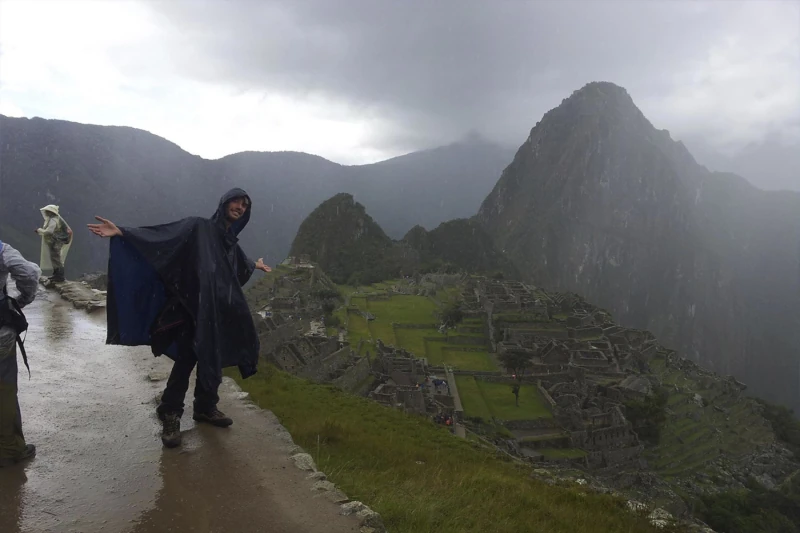
The wet season, from November to March, is characterized by frequent rain showers. While the crowds thin out, the trails can become slippery and the ruins might be shrouded in mist. This can add a mystical element to your photos, but be prepared for potential travel disruptions.

Weather Patterns

Rain is a common feature of the wet season, with some days experiencing heavy downpours. Temperatures remain mild, but the humidity can make it feel warmer. Waterproof clothing and gear are essential to stay comfortable while exploring.

Visitor Experience

With fewer tourists, you can enjoy a more serene experience at the site. The mist and rain can create a unique, almost ethereal atmosphere, perfect for those seeking tranquility and solitude. The reduced crowd size also allows for more personal space and time to contemplate the historical significance of Machu Picchu.

Natural Beauty

The wet season transforms the landscape into a lush, green paradise. The vibrant flora and fauna add an extra layer of beauty to the surroundings, making it an excellent time for nature lovers and photographers. Just be mindful of the potential for trail closures due to weather conditions.

Best Time of Year to Visit Machu Picchu

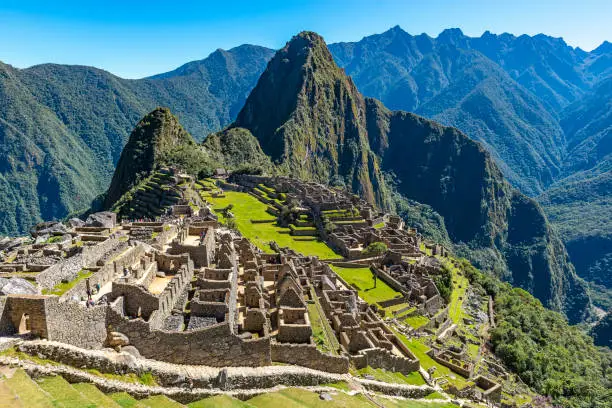
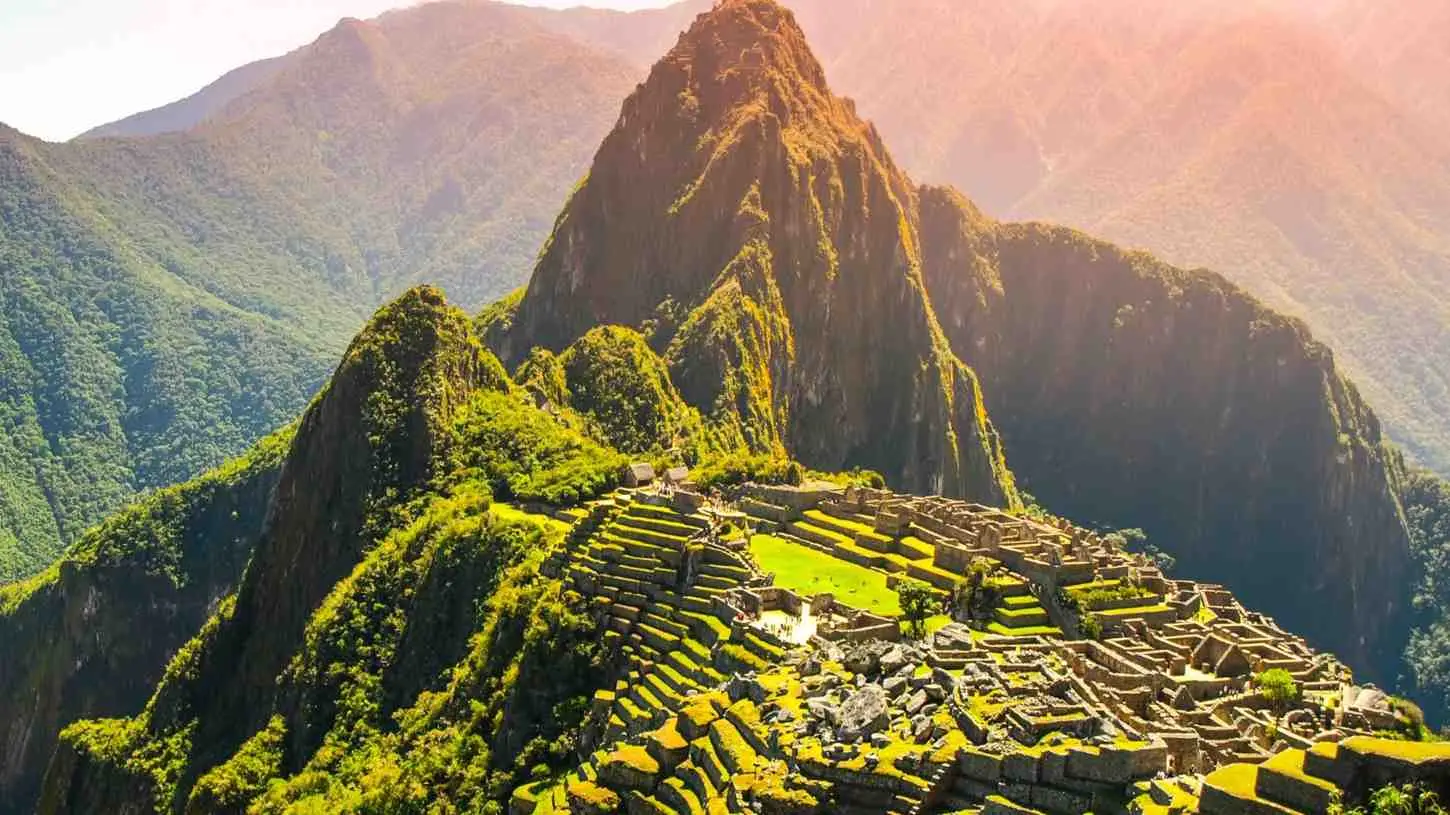
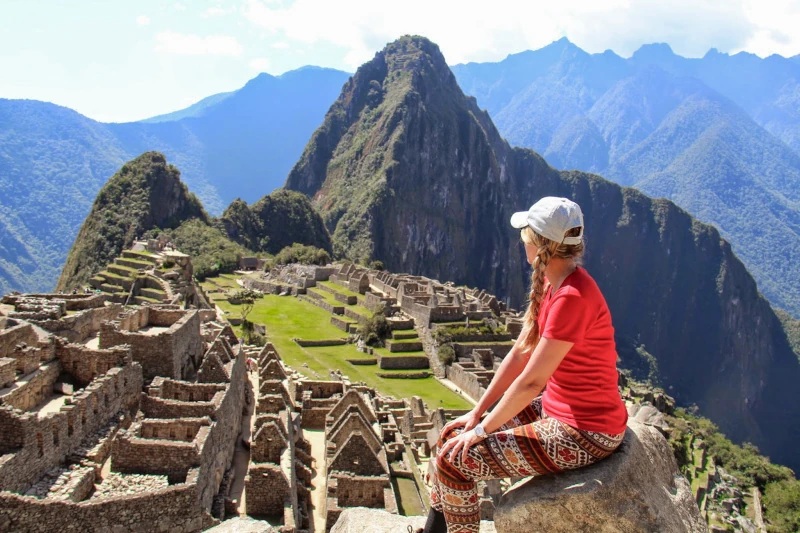
Machu Picchu Classic View Clear Sky

Choosing the best time of year to visit Machu Picchu depends on your preferences for weather, crowd sizes, and travel conditions.

Visiting in the Dry Season

  • Advantages: Clear skies, ideal hiking conditions, vibrant festivals.
  • Disadvantages: Higher prices, larger crowds.

If you prefer pleasant weather and don’t mind sharing the site with other tourists, the dry season is your best bet. This period offers the perfect balance of conditions for exploring the ruins and the surrounding trails.

Peak Tourist Period

The dry season’s peak, particularly from June to August, sees the highest number of visitors. While this means larger crowds, it also brings a lively atmosphere with travelers from all over the world. Engaging with fellow tourists can enhance your experience, offering diverse perspectives and stories.

Cost Implications

Traveling during the dry season often comes with a higher price tag. Flights, accommodations, and Machu Picchu tours may be more expensive due to increased demand. Planning your budget accordingly can help you enjoy your trip without financial stress. If you want to save budget, consider taking the Salkantay mountain trek or the less crowded Lares Trek.

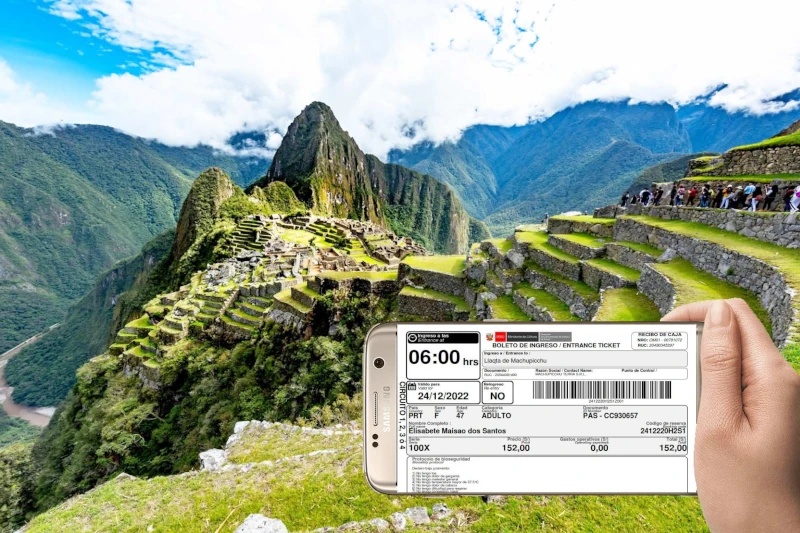
Machu Picchu Entrance Ticket Screenshot

Optimal Hiking Opportunities

The dry season provides the best conditions for hiking. Trails are less slippery, and the weather is generally more stable, making it easier to explore the region’s natural beauty. Whether you’re tackling the Inca Trail tour to Machu Picchu or other nearby routes, you’ll find the experience rewarding.

Visiting in the Wet Season

  • Advantages: Fewer tourists, lower costs, lush green landscapes.
  • Disadvantages: Rainy weather, possible trail closures.

For those seeking a quieter experience and don’t mind a bit of rain, the wet season can be a rewarding time to visit. The landscape is lush and green, providing a stunning backdrop for your visit.

Budget-Friendly Travel

One of the wet season’s significant advantages is its affordability. Lower demand leads to reduced prices for flights, hotels, and tours. This can be an ideal time for budget-conscious travelers seeking to experience Machu Picchu without breaking the bank. Full day trips are also a good option for less expenses. While being careful is important, sometimes the inca trail is closed due works of maintenance.

Weather Preparedness

Being prepared for the rainy season. Packing waterproof gear and staying flexible with your itinerary can help you make the most of your visit. Embracing the weather’s unpredictability can lead to unexpected and delightful discoveries.

Best Time of Day to Visit Machu Picchu

Machu Picchu Golden Hour Huayna Picchu

To make the most of your visit, consider the time of day you plan to explore Machu Picchu.

Early Morning Visits

Arriving early in the morning allows you to witness the sunrise over the ruins, a truly magical experience. The site is less crowded, and the soft morning light is perfect for photography. However, keep in mind that the early morning can be chilly, so dress in layers.

Sunrise Spectacle

Watching the sunrise at Machu Picchu is a breathtaking experience. The first rays of light illuminate the ancient stones, creating a golden glow that enhances the site’s mystical aura. This serene moment is perfect for reflection and capturing unforgettable photographs.

Quiet Exploration

The early morning tranquility offers a unique opportunity to explore without the usual hustle and bustle. You can take your time to appreciate the site’s intricate architecture and stunning views. The peaceful environment allows for a deeper connection with the history and spirit of the place.

Practical Considerations

While the early morning offers many advantages, it’s essential to plan accordingly. Arriving before dawn requires an early start, so ensure you’re well-rested. Pack warm clothing to stay comfortable in the cooler temperatures and bring snacks to keep your energy up.

Afternoon Visits

Visiting in the afternoon means you’ll encounter fewer tourists, as most tour groups leave by midday. The lighting is also softer, casting a warm glow on the ancient stones. Be prepared for potential afternoon showers, especially during the wet season.

Golden Hour Photography

The afternoon light casts a warm, golden hue over the inca city of Machu Picchu, creating stunning photographic opportunities. This time of day enhances the site’s natural beauty and provides unique perspectives for capturing its essence. Photographers will appreciate the soft lighting and dramatic shadows.

Weather Considerations

Afternoon showers are more common during the wet season, so it’s wise to be prepared. Carry a lightweight rain jacket or poncho to stay dry. Embracing the changing weather can lead to memorable experiences, such as witnessing the mist rolling over the mountains.

Tips for Planning Your Machu Picchu Adventure

Machu Picchu Rainy Season Tourist Poncho

Here are some practical tips to help you plan your trip to Machu Picchu:

Book in Advance

Machu Picchu has a daily visitor limit, so it’s essential to book your tickets well in advance, especially during the peak season. Consider purchasing tickets for Huayna Picchu or Machu Picchu Mountain for an additional hiking adventure.

Ticket Reservations

Securing your tickets early ensures you’ll have access to the site on your desired dates. Popular options like Huayna Picchu often sell out quickly, so prioritize these reservations. Booking Machu Picchu through official channels helps avoid scams and ensures a smooth experience.

Tour and Accommodation Planning

In addition to tickets, arrange tours and accommodations ahead of time. Guided tours can enhance your understanding of the site’s history and significance. Researching and booking accommodations in advance ensures you’ll find suitable options that match your preferences and budget.

Acclimate to the Altitude

The high altitude of Machu Picchu is over 7,900 feet above sea level. Spend a few days in Cusco or the Sacred Valley to acclimate before making your way to the ruins. This will help you avoid altitude sickness and ensure a more enjoyable visit.

Altitude Preparation

Acclimatizing is crucial to avoid altitude sickness. Gradually ascending to higher altitudes by spending time in Cusco or the Sacred Valley allows your body to adjust. Staying hydrated and avoiding strenuous activity during this period can also help.

Health Considerations

Be mindful of altitude-related symptoms such as headaches, dizziness, and fatigue. If you experience severe symptoms, seek medical advice promptly. Consulting with your doctor before the trip and considering altitude sickness medication can provide peace of mind.

Cultural Immersion

While acclimating, take the opportunity to explore the local culture and history. Cusco and the Sacred Valley of the incas are rich in historical sites, traditional markets, and cultural experiences. Engaging with local communities adds depth to your journey and enriches your understanding of the region.

Pack Smart

Bring lightweight, moisture-wicking clothing for layering. Don’t forget essentials like sunscreen, insect repellent, and a reusable water bottle. A good pair of hiking boots is crucial for exploring the trails.

Clothing and Gear

Packing smartly is key to a comfortable visit. Layered clothing allows you to adjust to changing temperatures throughout the day. Opt for moisture-wicking fabrics to stay dry and comfortable, and pack a hat and sunglasses for sun protection.

Essential Items

In addition to clothing, carry essential items like sunscreen and insect repellent to protect against sunburn and bug bites. A reusable water bottle is vital for staying hydrated, especially during hikes. Consider a small backpack for carrying your gear and any snacks or personal items.

Respect the Site

Machu Picchu is a UNESCO World Heritage site,so it’s vital to respect the rules and guidelines. Stay on marked paths, avoid touching the ruins, and dispose of waste properly.

Preservation and Conservation

Respecting the site’s rules is essential to preserving its historical and cultural significance. Follow marked paths to protect the fragile environment and avoid causing damage. Adhering to guidelines ensures future generations can enjoy and learn from this remarkable site.

Choose the Perfect Season for Your Machu Picchu Adventure

Visiting Machu Picchu is a once-in-a-lifetime experience that requires careful planning to ensure the best possible adventure. By considering the weather, crowds, and your own preferences, you can choose the ideal time to explore this ancient wonder. Whether you’re drawn to the vibrant energy of the dry season or the lush tranquility of the wet season, Machu Picchu promises an unforgettable journey into the heart of Incan history. So, pack your bags, lace up your hiking boots, and prepare to be awed by the majesty of Machu Picchu.

Nestled between the majestic Andes, the Sacred Valley of the Incas in Peru is a must-visit for anyone yearning to delve into the heart of the ancient Incan civilization. This enchanting region, stretching from Pisac to Ollantaytambo, is a tapestry of awe-inspiring landscapes, vibrant cultures, and profound history. Whether you’re a corporate executive squeezing in a quick getaway, a freelance photographer seeking the perfect shot, or an academic researcher on a quest for cultural insights, the Sacred Valley offers an abundance of experiences.

The Sacred Valley, known as “Wilcamayu” in Quechua, was cherished by the Incas for its fertile lands and strategic location. This valley was the breadbasket of the Inca Empire, providing sustenance through its rich agricultural terraces. It was here that the Incas perfected their advanced farming techniques, which can still be seen today in the lush fields and intricate terracing.

The Strategic Importance of the Sacred Valley

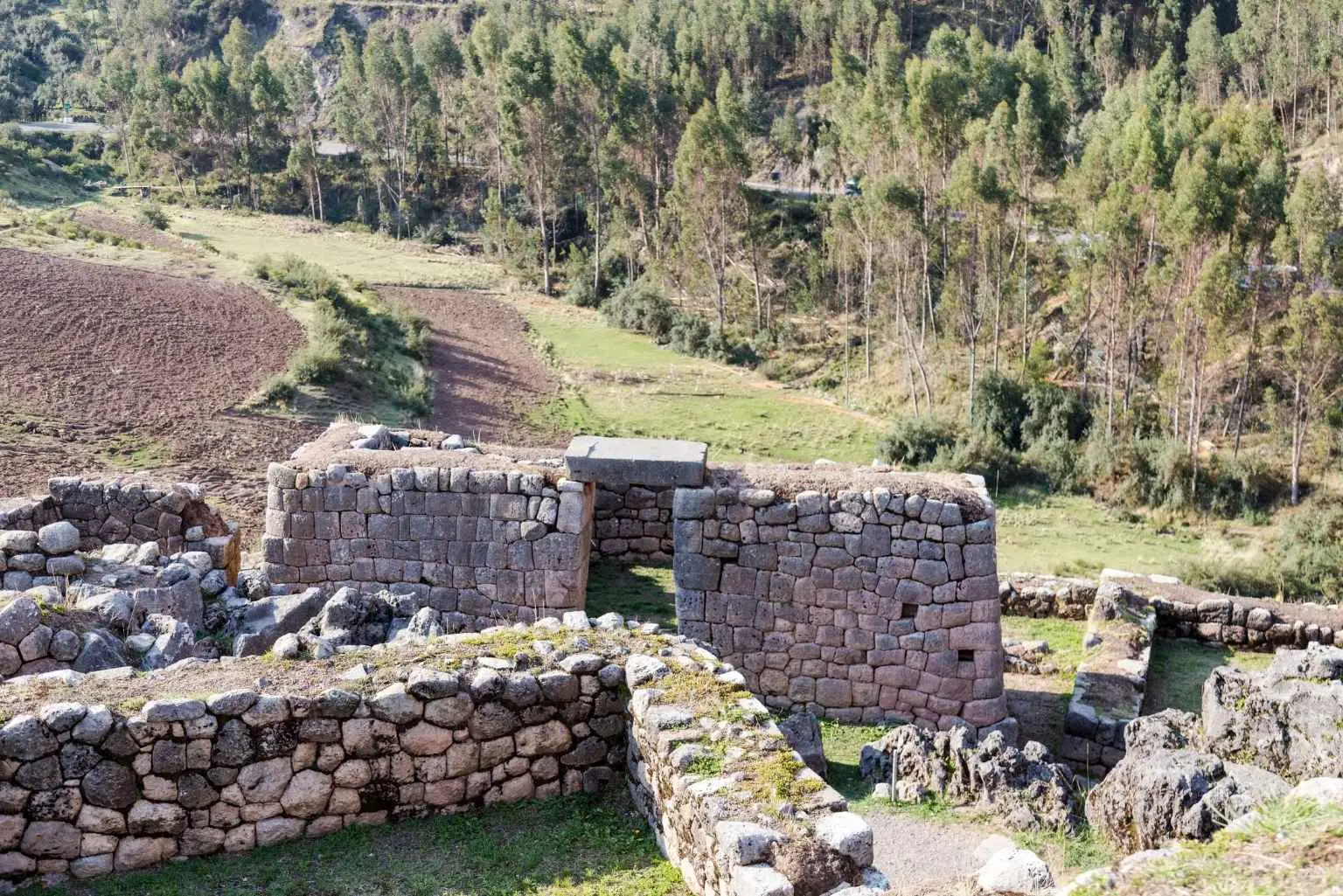
The Incas, well-known for their strategic prowess, valued the Sacred Valley of the incas not only for its fertility but also for its defense capabilities. Moreoverer valley’s unique geography allowed for natural fortifications, and its proximity to the Inca capital of Cusco made it a vital stronghold. In fact the presence of numerous archaeological sites, such as Pisac and Ollantaytambo, bears testimony to its importance.

The valley’s natural barriers, such as steep cliffs and river gorges, provided a formidable defense against invaders. These geographical features were ingeniously integrated into the Incan architecture, creating near-impenetrable fortresses. The strategic placement of watchtowers and signal posts across the valley further demonstrates the Incas’ military foresight.

In addition to its defensive advantages, the valley served as a critical hub for trade and communication. The Incan road system, or Qhapaq Ñan, linked the valley to other parts of the empire, facilitating the movement of goods, people, and ideas. This connectivity helped the Incas maintain control over their vast territories and ensured the efficient administration of their empire.

Agricultural Innovations

The Incas were master agronomists, and the Sacred Valley was their laboratory. They developed sophisticated terracing systems that maximized arable land and conserved water. These terraces, some of which rise over a thousand meters, are engineering marvels that have stood the test of time.

The Incas’ agricultural innovations included the use of microclimates, which allowed them to cultivate a diverse range of crops. They experimented with different altitudes and orientations to optimize growing conditions, a practice that is still studied by modern agronomists. The variety of crops grown in the valley included potatoes, maize, and quinoa, staples that continue to be central to Andean diets.

The complex irrigation networks developed by the Incas ensured a consistent water supply to their terraces. Channels and aqueducts were meticulously designed to distribute water from rivers and streams throughout the year. These systems not only supported agriculture but also demonstrated the Incas’ deep understanding of their environment.

Cultural Significance

The Sacred Valley was more than just an agricultural hub; it was a spiritual center. The Incas believed the valley was a reflection of the Milky Way and revered it as a sacred space. This spiritual connection is evident in the construction of temples and ceremonial sites throughout the region.

The valley’s alignment with celestial bodies played a crucial role in Incan religious practices. Temples were often oriented to capture the sun’s rays during solstices and equinoxes, symbolizing the connection between the heavens and the earth. This celestial architecture reflects the Incas’ sophisticated understanding of astronomy.

In addition to its celestial significance, the valley was a place of pilgrimage and worship. Sacred sites, such as the Temple of the Sun in Pisac, attracted devotees from across the empire. These sites were not only religious centers but also places of political and social importance, where leaders would gather for ceremonies and festivals.

Exploring the Sacred Valley Today

Modern-day travelers can explore the Sacred Valley through a variety of day trips and tours, each offering a unique glimpse into the region’s rich history and culture. Whether you’re traversing the valley by foot, bike, or car, there’s a wealth of experiences to discover.

Must-Visit Destinations

  1. Pisac: Known for its vibrant market and impressive hillside ruins, the inca archaeological site of Pisac is a blend of traditional Andean culture and Incan history. The Pisac archaeological site features ceremonial baths, altars, and agricultural terraces that offer insight into the Incan way of life.The town’s market is a bustling hub of activity, where locals and tourists alike gather to buy and sell goods. Artisans display their crafts, from handwoven textiles to intricate silver jewelry, offering a glimpse into the region’s rich artistic traditions. Visiting the market is an immersive cultural experience that shouldn’t be missed.
  2. Ollantaytambo: This town is a living Incan city, with stone streets and structures that have stood the test of time. The Inca town of Ollantaytambo , once a royal estate, provide stunning views of the valley and showcases the Incas’ architectural prowess.

The town is strategically positioned at the confluence of the Patacancha and Urubamba rivers, making it an ideal location for defense and trade. The terraces and storehouses constructed on the surrounding hillsides illustrate the Incas’ advanced engineering skills. Exploring the narrow cobblestone streets offers a step back in time to the era of Incan dominance.

Pisac Inca Ruins Terraced Fields

Maras and Moray

  • Moray: Famous for its concentric terraces, Moray is believed to have been an agricultural laboratory where the Incas experimented with crop varieties at different altitudes.

Each terrace at Moray creates its own microclimate, with temperature variations allowing for the cultivation of diverse crops. Scholars suggest that Moray was used to study the effects of climate on agriculture, reflecting the Incas’ scientific approach to farming. The site remains a testament to their ingenuity and adaptability.

  • Maras Salt Mines: These ancient salt pans, still in use today, offer a unique glimpse into traditional salt harvesting methods passed down through generations.

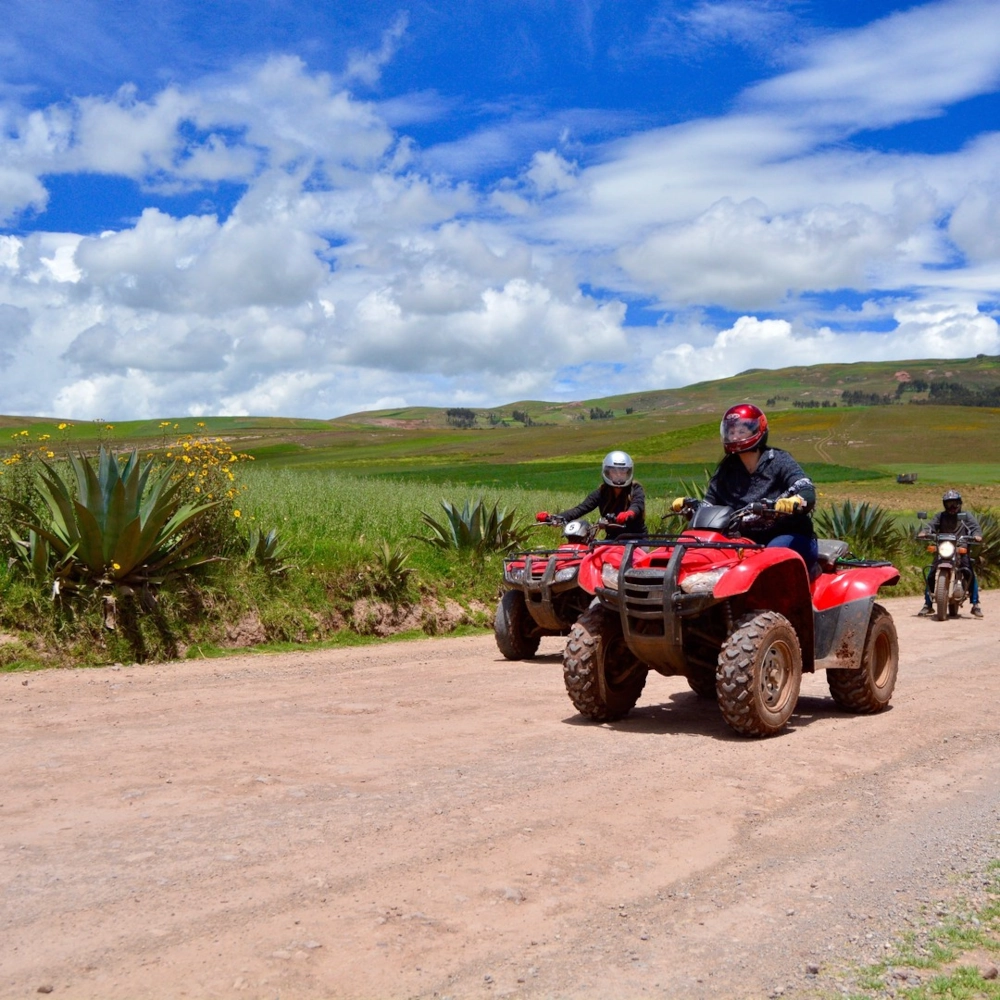
The salt mines of Maras consist of thousands of shallow pools fed by a subterranean stream. As the water evaporates, salt is left behind, which is then harvested by local families. The shimmering white salt pans against the mountain backdrop create a picturesque landscape that is both beautiful and functional. You can arrive there by taking ATVs to Maras and Moray for an adventurer’s greater experience.

Adventurous Enthusiasts

Insider Tips for Sacred Valley Tours
Quad Biking Atv Tour Cusco Countryside

For those with limited time, consider a guided tour that covers multiple sites in one day. This allows you to maximize your experience without feeling rushed. For photographers, early morning or late afternoon visits provide the best lighting conditions for capturing the valley’s natural beauty.

Travelers should wear comfortable walking shoes and bring plenty of water, as the altitude can be challenging for some visitors. It’s also wise to pack layers, as temperatures can fluctuate throughout the day. Engaging with local guides can enrich your understanding of the sites, offering insights into the history and culture that you might otherwise miss.

Consider incorporating a homestay into your itinerary to experience authentic Andean hospitality. Staying with a local family allows you to learn about daily life in the valley and participate in traditional activities. This cultural exchange can deepen your appreciation for the region and its people.

Adventure Activities

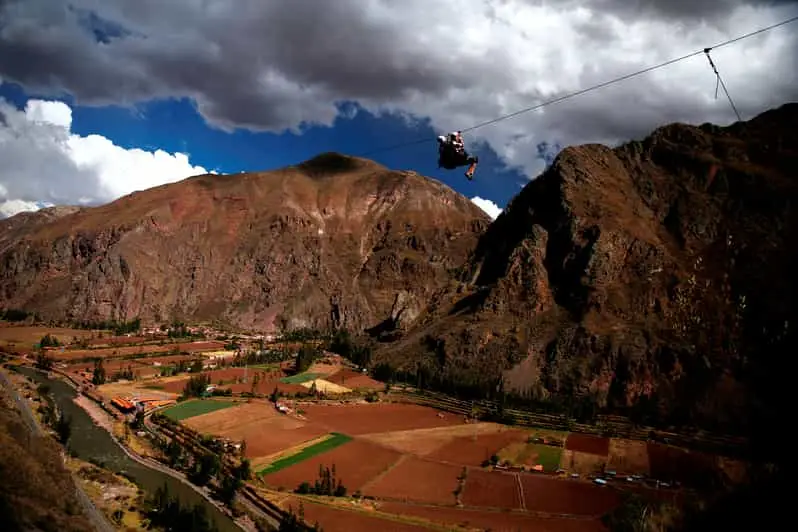
Sacred Valley Zipline Flying

The Sacred Valley is a paradise for adventure seekers, offering activities like trekking, mountain biking, and white-water rafting. The diverse terrain provides opportunities for exploration and adrenaline-pumping experiences.

Trekking routes range from gentle walks to challenging multi-day hikes, catering to all levels of fitness and experience. The famous Inca Trail begins in the Sacred Valley, leading to the awe-inspiring ancient inca  Machu Picchu. Mountain biking is another popular option, with trails that traverse the valley’s breathtaking landscapes.

For thrill-seekers, sky bike,  white-water rafting in the Urubamba River provides an exhilarating way to see the valley. The river’s rapids vary from gentle currents to challenging torrents, ensuring an exciting adventure for all skill levels.

Embracing the Culture of the Sacred Valley

The Sacred Valley is not just about ancient inca ruins; it’s a living, breathing cultural hub. The local Quechua communities maintain their traditions and customs, offering visitors a chance to immerse themselves in authentic Andean culture.

Interacting with Local Communities of the Sacred Valley Cusco

Participating in community-led tours or workshops can enhance your travel experience. Learn about traditional weaving techniques, try your hand at pottery, or join in a Pachamama ceremony to gain a deeper understanding of the indigenous way of life.

Workshops are often held in local villages, where artisans demonstrate their skills and share stories of their craft. Visitors can try their hand at weaving on traditional looms or shape clay into pottery, gaining hands-on experience with Andean art forms. These activities provide a deeper connection to the culture and a tangible memory of your visit.

Joining a Pachamama ceremony, a ritual honoring Mother Earth, offers a unique insight into the spiritual beliefs of the Quechua people. Participants gather to offer thanks and blessings, often involving music, dance, and traditional food. This immersive experience fosters a sense of community and reverence for nature.

Culinary Delights

The Sacred Valley is a paradise for food enthusiasts, offering a range of traditional Andean dishes. Don’t miss out on sampling “cuy” (guinea pig), a local delicacy, or “chicha,” a fermented corn drink with deep cultural roots.

Andean cuisine is characterized by its use of fresh, locally sourced ingredients. Potatoes, corn, and quinoa form the foundation of many dishes, reflecting the valley’s agricultural heritage. Traditional meals often feature hearty stews, grilled meats, and vibrant salsas, offering a taste of the region’s rich culinary tradition.

Dining at a local “picantería,” or traditional eatery, provides an authentic culinary experience. These establishments serve homemade dishes in a communal setting, encouraging interaction with locals and fellow travelers. Sampling local specialties and sharing stories over a meal is a highlight of any visit to the Sacred Valley.

Practical Travel Guidance for Visiting the Sacred Valley of the Incas Peru

When to Visit

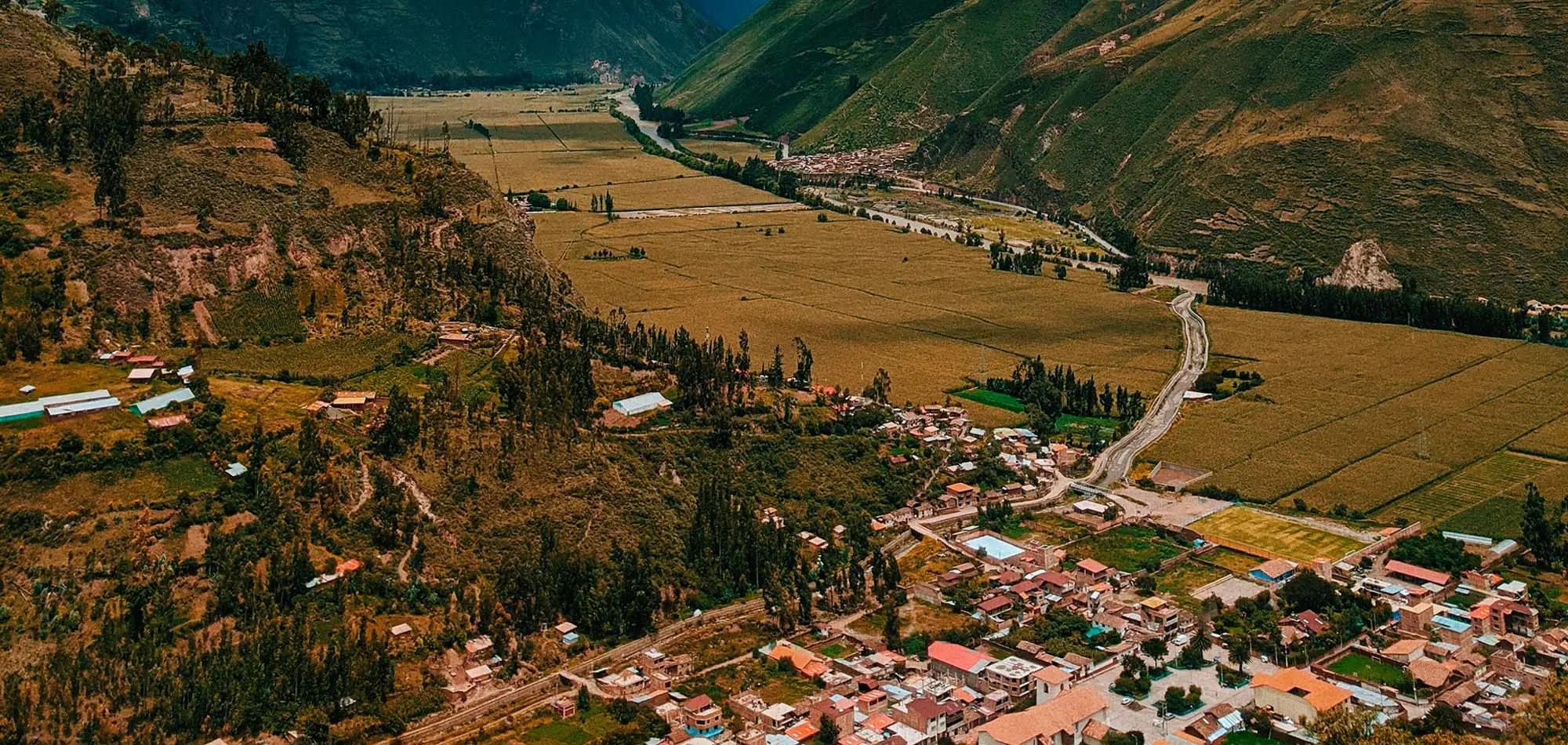
Urubamba Valley Aerial Town Farmland

The best time to visit Cusco and explore the Sacred Valley is during the dry season, from May to October, when the weather is pleasant and the skies are clear. However, visiting during the rainy season has its own charm, with fewer crowds and lush, green landscapes.

During the dry season, temperatures are moderate, and the risk of rain is low, making it ideal for outdoor activities. The clear skies offer spectacular views of the surrounding mountains and valleys. However, this is also the peak tourist season, so popular sites can be crowded.

The rainy season, from November to April, transforms the valley into a verdant paradise, with blossoming flora and flowing rivers. While there is a greater chance of rain, the reduced number of visitors allows for a more tranquil experience. Travelers should be prepared for occasional downpours and muddy trails but will be rewarded with a more intimate connection to the landscape.

Getting There

Most travelers access the Sacred Valley via Cusco, which is well-connected by air to major cities. From Cusco, you can hire a private car, join a tour group, or take public transportation to reach the valley.

The drive from Cusco to the Sacred Valley offers stunning scenery, with winding roads that reveal breathtaking views at every turn. Hiring a private car provides flexibility and comfort, allowing you to explore at your own pace. Tour groups offer guided experiences with knowledgeable guides, while public transportation offers an affordable option for budget-conscious travelers.

Trains also connect Cusco to several destinations within the valley, offering a scenic and comfortable journey. The train ride to Aguas Calientes, the gateway to Machu Picchu, is a popular choice for those wishing to extend their exploration beyond the valley.

Accommodation Options

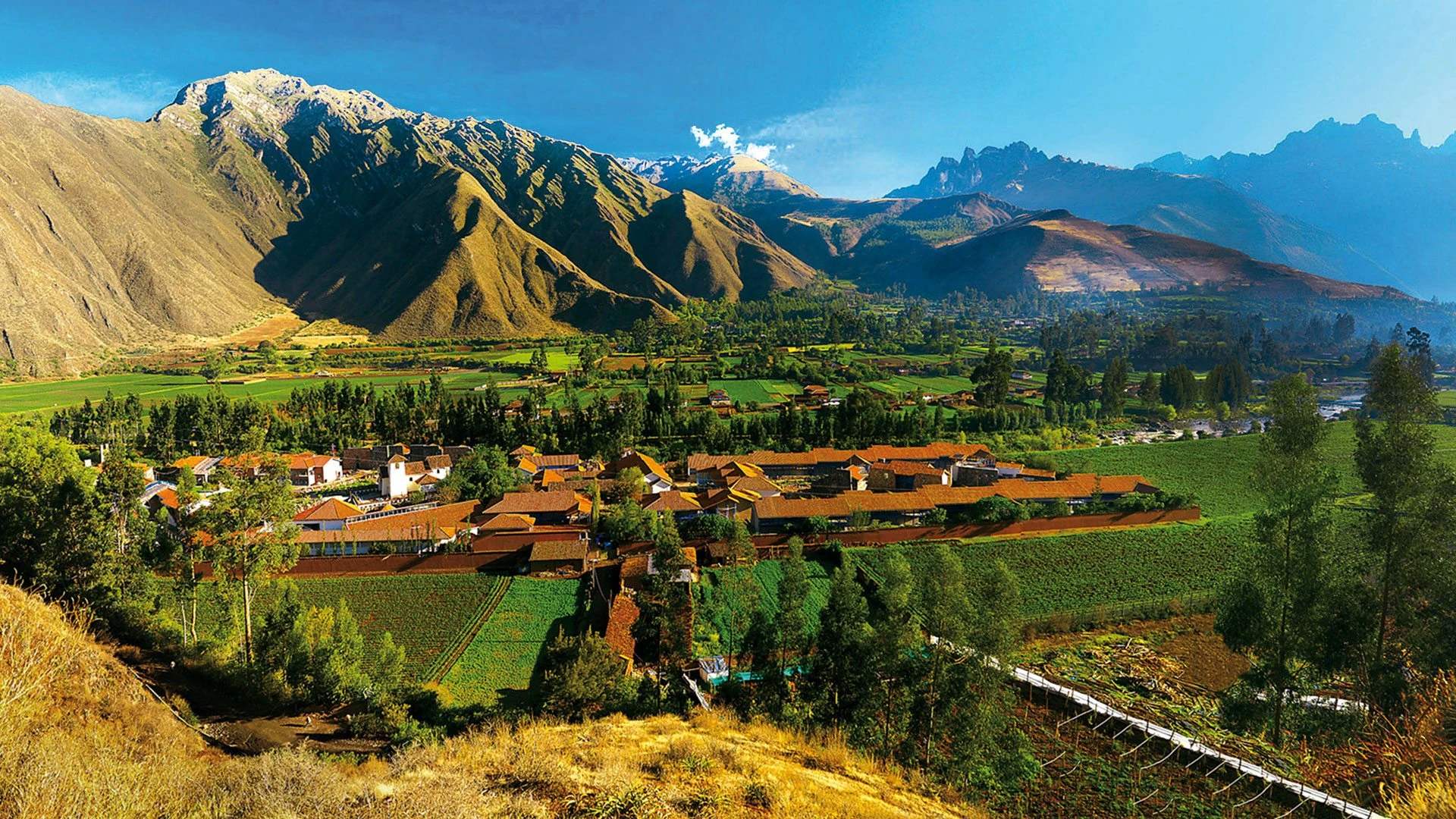
Aranwa Hotel Sacred Valley Aerial View

From luxury hotels to cozy homestays, the Sacred Valley offers a range of accommodations to suit different preferences and budgets. Staying in the valley provides a peaceful retreat and a chance to fully immerse yourself in the surroundings.

Luxury hotels offer world-class amenities, including spas, gourmet dining, and guided excursions. These establishments provide a lavish experience for those seeking comfort and convenience. Many are situated in stunning locations, offering panoramic views of the valley and its majestic peaks.

For a more authentic experience, consider staying in a locally run guesthouse or homestay. These accommodations offer a glimpse into daily life in the valley and provide opportunities to interact with local families. Homestays often include meals and cultural activities, enriching your understanding of the region.

Budget travelers can find affordable hostels and lodges, providing basic amenities and a friendly atmosphere. These accommodations are ideal for meeting fellow travelers and sharing experiences, making them a popular choice for backpackers and solo adventurers.

Let the Sacred Valley Inspire Your Next Journey

The Sacred Valley of the Incas is a captivating destination that seamlessly weaves together history, culture, and breathtaking natural beauty. Whether you’re seeking relaxation, adventure, or cultural enrichment, this remarkable region offers a journey like no other. With its rich tapestry of experiences, the Sacred Valley invites you to step back in time and explore the heart of the Incan civilization.

Embark on your adventure with confidence, armed with the knowledge and insights shared here. The Sacred Valley awaits, ready to reveal its secrets to those who venture into its embrace. Whether it’s the whisper of ancient legends or the vibrant pulse of contemporary Andean life, the valley promises memories that will linger long after you depart.

Exploring Cusco is like stepping into a living museum where history, culture, and modern life converge. Known as the historical capital of Peru, Cusco offers a rich tapestry of experiences that captivate every traveler. Whether you’re a corporate executive seeking a well-organized itinerary, a freelance photographer looking for picturesque spots, or an academic researcher hunting for cultural insights, Cusco has something for you. In this guide, we’ll navigate through the best city tour experiences in Cusco, offering practical advice and insider tips to make your visit unforgettable.

The Essence of Cusco’s History

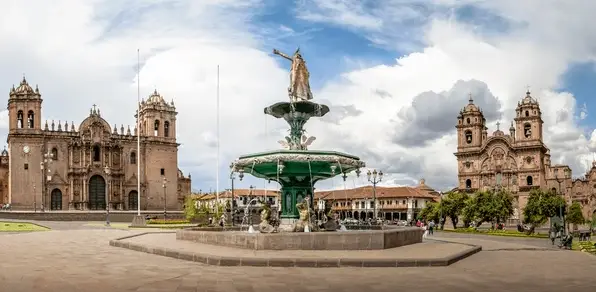
Cusco Plaza De Armas Fountain Daytime

Cusco, once the capital of the Inca Empire, is a city steeped in history. Its cobblestone streets and ancient architecture tell stories of a bygone era. When embarking on a Cusco city tour, you’ll be diving into a world where Inca and Spanish cultures intertwine, creating a unique historical landscape.

Start your exploration at the heart of the city, the Plaza de Armas. This bustling square is surrounded by colonial arcades and the majestic Cusco Cathedral, a testament to Spanish influence. Nearby, you’ll find the Church of the Society of Jesus, another architectural marvel worthy of admiration.

To fully appreciate the historical tapestry of Cusco, consider visiting the Museo Inka, which showcases artifacts from the Inca period. Here, you can find beautifully preserved textiles and ceramics, providing insight into the daily lives of the Inca people. The museum also offers tour guided trips that delve deeper into the significance of these artifacts.

Must-Visit Historical Sites

Cusco is home to numerous historical sites that transport visitors back in time. The San Blas neighborhood, known for its narrow streets and whitewashed buildings, offers a glimpse into the city’s past. As you wander through this charming area, you’ll encounter local artisans and traditional workshops, where you can observe the creation of intricate handicrafts.

Another significant site is the Cusco Museum of Pre-Columbian Art. This museum houses an impressive collection of pre-Columbian artifacts, showcasing the artistic achievements of ancient civilizations. The exhibits are thoughtfully curated to highlight the diversity and creativity of the region’s indigenous cultures.
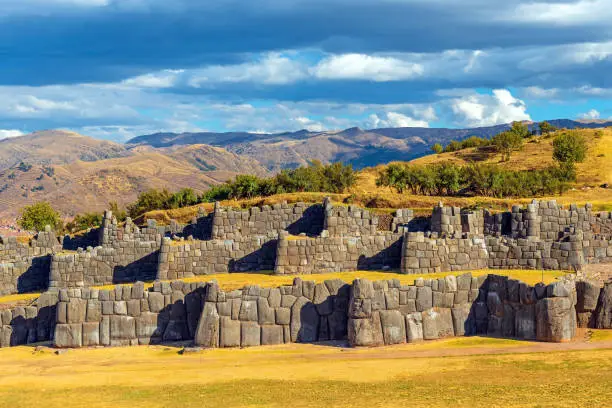
Sacsayhuamán

Sacsayhuaman Fortress Walls Cusco

Perched on a hill overlooking Cusco, Sacsayhuamán is a marvel of Inca engineering. The massive stone walls, constructed without mortar, fit together so precisely that you can’t slide a piece of paper between them. This site not only offers insight into Inca ingenuity but also provides panoramic views of the city below.

The annual Inti Raymi festival, held at Sacsayhuamán, is a vibrant celebration of the winter solstice. Attending this event allows visitors to witness traditional rituals and performances that have been passed down through generations. The festival is a testament to the enduring cultural heritage of the Inca civilization.

Qorikancha

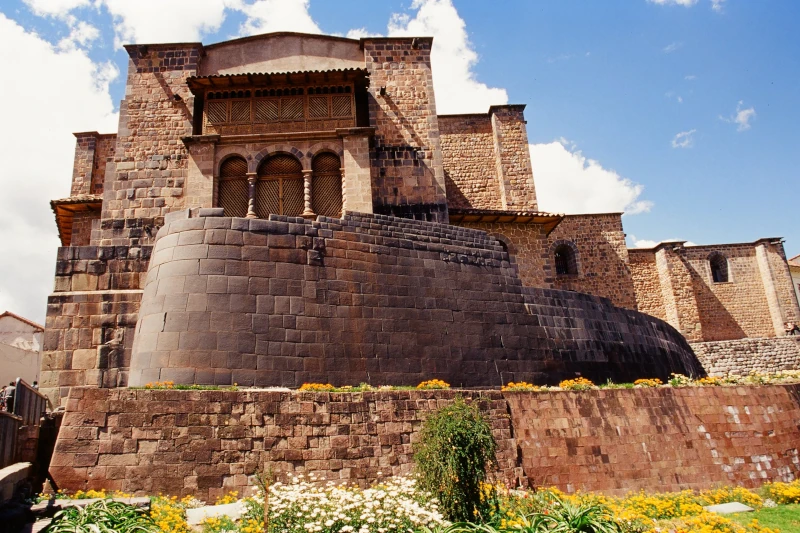
Once the most important temple in the Inca Empire, Qorikancha was dedicated to the Sun God. The Spanish later built the Church of Santo Domingo atop its ruins, blending Inca and colonial architecture. Exploring Qorikancha offers a fascinating glimpse into the city’s layered history.

The site’s museum provides additional context, displaying artifacts discovered during archaeological excavations. These exhibits highlight the temple’s original grandeur and its transformation over time. For a deeper understanding, consider joining a guided tour that delves into the spiritual significance of Qorikancha in Inca cosmology.

The Architectural Marvel of Cusco Cathedral

Cusco Cathedral is not only a religious site but also an architectural masterpiece. Its construction took nearly a century, resulting in a blend of Gothic, Renaissance, and Baroque styles. The cathedral’s interior is adorned with intricate woodwork and religious paintings, offering a glimpse into the artistic achievements of the colonial era.

Visitors can explore the cathedral’s chapels and altars, each dedicated to different saints and adorned with exquisite decorations. The cathedral also houses an impressive collection of colonial art, including works by renowned artists such as Marcos Zapata and Diego Quispe Tito. A visit to Cusco Cathedral is a journey through time, where history and art converge in a stunning display of craftsmanship.

Immersing in Cusco’s Culture

Cultural Experiences Not to Miss

Cusco is not just about ruins and old churches; it’s a vibrant city with a rich cultural life. From traditional music and dance performances to bustling markets, there’s plenty to engage your senses.

San Pedro Market

A visit to San Pedro Market is a must for anyone wanting to experience local life. Here, you’ll find everything from fresh produce to traditional textiles. It’s the perfect place to try local delicacies, such as empanadas and chicha morada, a refreshing purple corn drink.

The market is also a hub for traditional Andean remedies, with vendors offering a variety of herbal medicines and natural products. Engaging with the locals at San Pedro Market provides insight into the daily lives and traditions of Cusco’s residents. Don’t hesitate to ask about the ingredients and preparation methods of the unique products on offer.

Festivals and Celebrations

Cusco’s calendar is filled with festivals, each offering a unique cultural experience. If your visit coincides with Inti Raymi in June, you’re in for a treat. This ancient Inca festival celebrates the winter solstice with colorful parades and traditional rituals.
Semana Santa, or Holy Week, is another significant event in Cusco, featuring religious processions and vibrant street markets. Visitors can witness the blending of indigenous and Catholic traditions during this week-long celebration. Additionally, the Cusco Carnival, held in February, showcases lively dances, music, and traditional costumes, providing an unforgettable cultural experience.

Exploring Cusco’s Ruins

Beyond the City Center

While the city itself is a treasure trove of history and culture, the surrounding areas offer even more to explore. A half-day Cusco city tour can easily take you to some of these nearby ruins, like the Maras salt mines or the agricultural terraces of Moray.

Qorikancha Temple Santo Domingo Cusco

Tambomachay

Known as the “Bath of the Inca,” Tambomachay is a site believed to have been a place for ritual bathing. Its intricate aqueducts and waterfalls reflect the importance of water in Inca society.

Visitors can explore the site and learn about the Inca’s advanced hydraulic engineering techniques, which allowed them to create such sophisticated water systems. The serene ambiance of Tambomachay makes it an ideal spot for reflection and appreciation of the Inca’s reverence for nature. A guided tour can provide additional insights into the site’s historical and spiritual significance.

Puka Pukara

Meaning “Red Fortress,” Puka Pukara is a military ruin that offers insight into the Inca’s strategic prowess. Its location provided a vantage point to guard the entrance to Cusco.

Exploring Puka Pukara allows visitors to imagine the daily life of Inca soldiers stationed at this strategic outpost. The site’s red stone walls, which give it its name, are particularly striking at sunset when they take on a warm glow. Visitors can also enjoy panoramic views of the surrounding valleys, adding to the site’s appeal as a scenic lookout.

Crafting Your Perfect Cusco Itinerary

Tips for a Hassle-Free Experience

Planning a trip to Cusco doesn’t have to be overwhelming. Here are some tips to ensure a smooth and enjoyable visit:

  • Book a Guided Tour: For a comprehensive understanding of Cusco’s history and culture, consider booking a guided tour. Knowledgeable guides can provide context and stories that bring the sites to life.

Guided tours often include transportation and entrance fees, making them a convenient option for exploring multiple sites in a single day. Look for tours that offer small group experiences, allowing for personalized attention and the opportunity to ask questions.

  • Acclimatize to the Altitude: Cusco is located over 11,000 feet above sea level. Give yourself time to acclimatize to prevent altitude sickness. Take it easy on your first day and stay hydrated.

Consider visiting lower-altitude sites or taking leisurely walks around the city to adjust gradually. Drinking coca tea, a traditional remedy for altitude sickness, can also help alleviate symptoms. Listen to your body and avoid strenuous activities until you feel comfortable at the higher elevation.

  • Choose the Right Time to Visit: The dry season, from May to September, is the best time to visit Cusco. The weather is pleasant, and there are fewer chances of rain interfering with your plans.

Keep in mind that the dry season is also the peak tourist season, so popular sites may be more crowded. If you prefer a quieter experience, consider visiting during the shoulder months of April or October. These months offer pleasant weather with fewer tourists, allowing for a more relaxed exploration of the city.

Your Cusco Adventure Awaits

Cusco is more than just a gateway to Machu Picchu; while it’s a destination in its own right, offering a wealth of experiences that cater to diverse interests. Whether you’re delving into the depths of Inca history, immersing yourself in vibrant cultural traditions, or marveling at ancient ruins. In fact Cusco promises a journey like no other. Armed with this travel guide, you’re ready to explore Cusco with confidence and uncover the secrets of this enchanting city.

You plan to do the inca trail to Machu picchu? embark on your Cusco adventure and get the most of your pass through the city.. The city awaits with open arms, ready to share its rich tapestry of history, culture, and unforgettable experiences. Safe travels!

Ready to embark on an unforgettable journey to one of the most iconic places in the world? Machu Picchu awaits with its ancient mysteries and breathtaking views. 

However, navigating the ticket booking process can be a bit daunting. Fear not! Rober and Lety, seasoned travelers with a love for culture, are here to guide you through booking Machu Picchu tickets online with ease.

Understanding Machu Picchu Ticket Types

Machu Picchu Entrance Ticket Screenshot

Before you dive into booking, it’s crucial to understand the different types of tickets available. Machu Picchu offers several ticket options to suit various interests and schedules.

Machu Picchu General Admission

This standard ticket grants you access to the main citadel. It’s the perfect choice if you want to explore the ancient ruins at your own pace. However, keep in mind that these tickets can sell out quickly, especially during peak seasons.

Planning ahead is crucial if you are aiming for a particular date or time slot. Consider visiting Cusco  during the off-peak season to increase your chances of securing a ticket. The general admission ticket allows flexibility in your visit, giving you the freedom to wander and absorb the history steeped within the stones.

Machu Picchu + Huayna Picchu

For those seeking a bit of adventure, the Machu Picchu + Huayna Picchu ticket is a must. It includes entry to the main archaeological site and a climb up Huayna Picchu. This hike offers stunning views but is limited to only a few hundred visitors per day, so early booking is essential.

Huayna Picchu is famous for its challenging trails and the panoramic views it offers of the surrounding Andean landscape. The climb is steep and not for the faint-hearted, but the reward is a breathtaking view that many consider the highlight of their visit. Remember to pack appropriately, as the weather can change rapidly.

Machu Picchu and Mountain

Similar to the Huayna Picchu option, this ticket includes access to the Machu Picchu citadel and the Machu Picchu Mountain. It’s a less crowded alternative with equally spectacular vistas.

Machu Picchu Mountain offers a different perspective of the site and is often considered less strenuous than Huayna Picchu. This route is ideal for those who appreciate nature and want to enjoy a quieter, more reflective experience. The trail is longer, allowing for more leisurely exploration and photo opportunities along the way.

Machu Picchu and Museum

Machu Picchu Site Museum Entrance

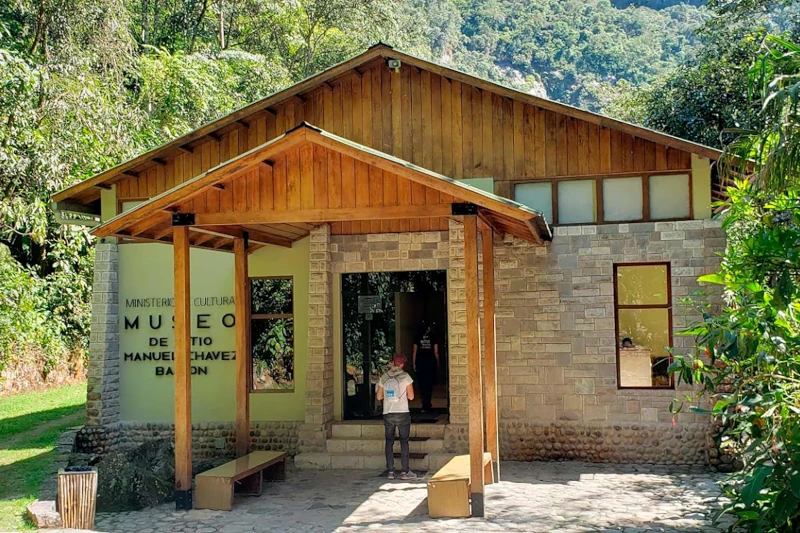
If you’re keen on delving deeper into the history and culture, consider the Machu Picchu + Museum ticket. It combines entry to the ruins and the Manuel Chavez Ballon Museum, providing valuable context to your visit.

The museum, located near Aguas Calientes, offers an insightful glimpse into the archaeological discoveries and the history of the Inca civilization. Viewing artifacts and learning about the site’s excavation can greatly enhance your understanding and appreciation of Machu Picchu. Consider visiting the museum either before or after your trip to the citadel for a comprehensive experience.

Booking Machu Picchu Tickets Online

Now that you’re familiar with the ticket types, let’s dive into the booking process. Follow these tips to secure your tickets seamlessly.

Use the Official Website

The safest and most reliable way to buy Machu Picchu tickets is through the official government website. Here, you can choose your preferred date, time slot, and type of ticket. Beware of third-party sites that may charge inflated prices or provide fraudulent tickets.

When using the official website, ensure your internet connection is stable to avoid interruptions during the booking process. It’s also advisable to create an account beforehand, which can streamline the process. Double-check all the details entered, including dates and ticket types, to prevent any booking errors.

Plan Ahead

The inca citadel of Machu Picchu, the UNESCO World Heritage site, is visitors favorite and tickets often sell out weeks in advance. As soon as you know your travel dates, book your tickets to ensure you don’t miss out on the experience.

Booking in advance not only secures your spot but also provides peace of mind as you plan the rest of your journey. Consider setting reminders for when tickets become available, especially during peak seasons. Planning ahead also allows you to coordinate other aspects of your trip, such as accommodations and transportation.

Be Flexible with Dates and Times

If your preferred date is sold out, consider adjusting your itinerary. Sometimes, visiting on a weekday or opting for an early morning or late afternoon slot can increase your chances of securing tickets. Take in consideration if you plan to take the Inca trail tour to Machu Picchu to match times.

Flexibility can be a significant asset when booking Machu Picchu tickets. Early morning visits often provide a more tranquil experience, while late afternoon slots can offer beautiful lighting for photography. Additionally, being open to visiting on less popular days can help you avoid crowds and enhance your overall experience. While you will be able to plan a schedule to visit the Sacred Valley of the incas.

Additional Tips for a Smooth Visit

Beyond booking, there are a few more considerations to ensure your Machu Picchu adventure goes off without a hitch.

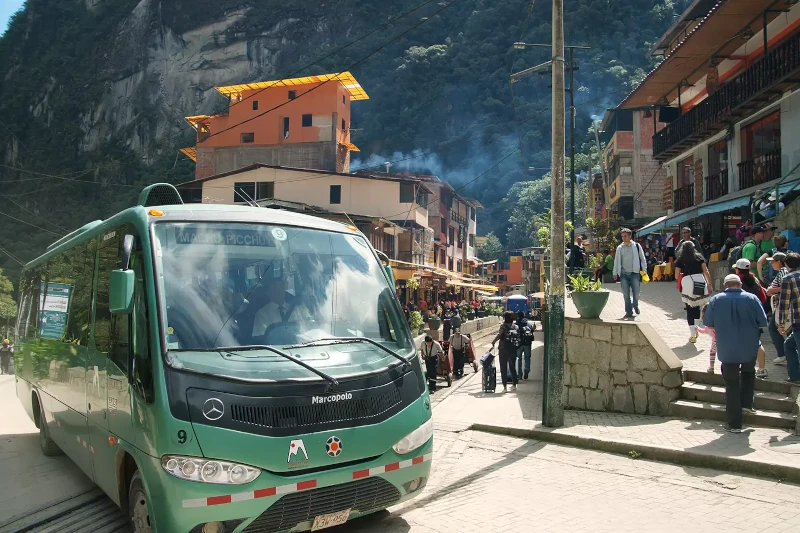
Reserve Consettur Bus Tickets

The Consettur buses transport visitors from Aguas Calientes up to the entrance of Machu Picchu. Reserving your bus tickets online in advance can save you time and hassle on the day of your visit.

Purchasing bus tickets in advance can prevent long lines and ensure you have a guaranteed seat. The ride offers stunning views of the surrounding area, so try to snag a window seat if possible. Departing early in the morning can also help you beat the crowds and enjoy the citadel in the soft morning light.

Machu Picchu Bus Aguas Calientes Street
Check Machu Picchu Circuit Options

Machu Picchu offers several circuits that guide you through different parts of the site. Circuit 2 is popular for its comprehensive route, covering major highlights. Be sure to check your ticket for the designated circuit and plan accordingly. The temple of the sun and the temple of the moon for example, can follow different circuits.

Each circuit offers a unique perspective of Machu Picchu, catering to different interests and physical capabilities. Familiarize yourself with the circuit you are assigned to maximize your exploration. Understanding the circuit layout can also help in planning rest stops and photo opportunities along the way.

Consider VIP or Guided Tours

For a more enriched experience, consider booking a guided tour or opting for VIP tickets. Knowledgeable guides can provide fascinating insights into the history and significance of Machu Picchu, enhancing your visit.

Guided tours can offer a deeper understanding of the Inca culture and the historical context of the inca city of Machu Picchu. VIP tickets often include additional amenities, such as private transportation and exclusive access areas. These options can significantly enhance your visit, providing memorable experiences and personal insights.

What to Do if Tickets Are Sold Out

If you find that tickets are sold out, don’t panic. Here are some options to consider:

  • Check for Last-Minute Cancellations: Sometimes, tickets become available due to cancellations. Keep checking the official website for openings.

Keep a close eye on the official site, as last-minute cancellations can occur frequently. Refresh the page regularly and be prepared to act quickly if a ticket becomes available. Persistence can pay off, especially as the date of your intended visit approaches.

  • Explore Alternative Routes: Consider visiting during the shoulder season when crowds are thinner, or look into alternative treks like the Salkantay or Lares trek, which include Machu Picchu entry.

The shoulder season can offer a quieter and more intimate experience at Machu Picchu. Alternative treks provide unique perspectives of the Andean landscape and often lead to less crowded visits to the citadel. These routes can also enrich your adventure with diverse cultural and natural experiences.

  • Contact Local Tour Operators: Local agencies might have reserved tickets or additional options for accessing the site.

Machu picchu tour operators often have insights into ticket availability and may offer packages that include hard-to-get entry passes. These operators can also customize experiences based on your interests, providing a tailored visit to Machu Picchu. Don’t hesitate to reach out to them for assistance, especially if your travel dates are inflexible.

Final Thoughts for a Successful Travel

Machu Picchu Panoramic Viewpoint Tourist

Booking Machu Picchu tickets online doesn’t have to be a stressful experience. With careful planning and these handy tips, you’ll be well on your way to exploring this incredible wonder of the world. Remember to savor every moment, from the awe-inspiring vistas to the rich cultural history that surrounds you.

Approach your journey with a sense of adventure and openness to new experiences. The memories you create at Machu Picchu will last a lifetime, offering stories and insights to share with friends and family. Safe travels, and enjoy your adventure to Machu Picchu!

Official endorsement

Associations & Certifications

We operate under the regulations and standards of Peru's leading tourism entities.

MINCETUR DIRCETUR GERCETUR ESSNA Marca Perú SUNAT Authorized Operator TripAdvisor GetYourGuide Viator WeTravel Y tú qué planes Peru Rail