


Cusco, the historic capital of the Inca Empire, is a destination rich in culture, history, and breathtaking landscapes. Nestled in the Peruvian Andes right in South America, this enchanting city offers a myriad of experiences for every type of traveler. Whether you’re a corporate executive looking for a premium getaway, a freelance photographer seeking picturesque locations, or an academic researcher in search of cultural insights, Cusco has something for everyone. In this article, we’ll explore the best times to visit Cusco and what you can expect during each season.

Understanding Cusco’s Climate

Cusco’s altitude is approximately 3,400 meters (11,152 feet) above sea level, which significantly influences its climate. The inca city experiences two main seasons: the dry season and the wet season. Understanding these seasons will help you plan your visit to make the most of your time in this vibrant city.
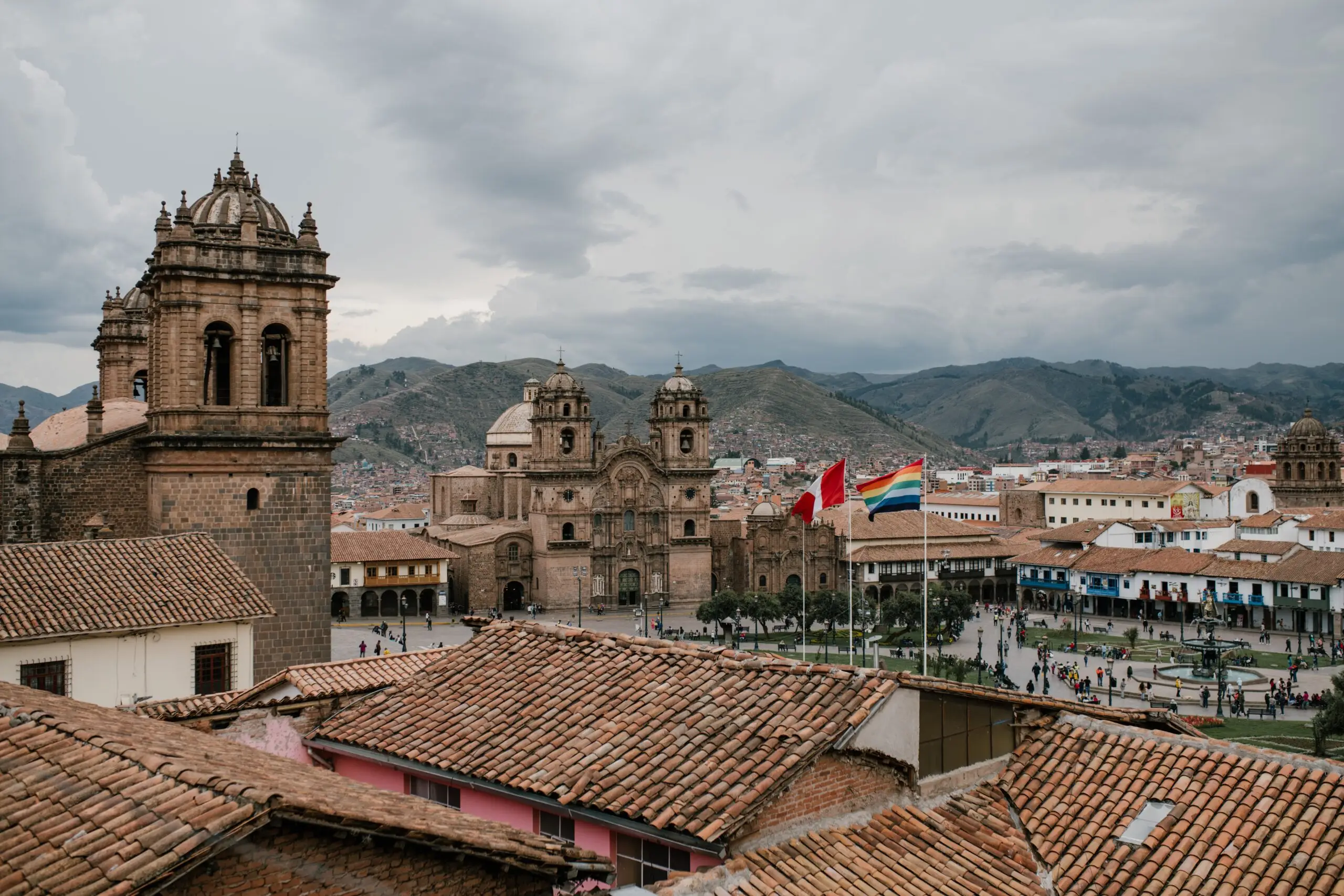
Cusco Plaza De Armas Rooftop View

The Impact of Altitude on Climate

Cusco’s high altitude means that temperatures can vary significantly between day and night. During the day, the sun can be quite intense, leading to warm temperatures, but as soon as it sets, the temperature drops sharply. This diurnal variation is a unique characteristic of Cusco’s climate and is something travelers should be prepared for by dressing in layers.

Dry Season: May to October

The dry season is considered the best time to visit Cusco. During these months, the weather is generally sunny and cool, with minimal rainfall. This is the perfect time for outdoor activities and exploring the numerous Cusco attractions.

May to June: A Photographer’s Dream

May to June marks the beginning of the dry season, a time when the landscape is still lush from the rainy season but under clear skies. Photographers find these months ideal for capturing the vibrant greenery of the surrounding Andes and the architectural beauty of Cusco without the interference of rain.

July to August: Peak Tourist Season

July and August are the most popular months for tourists. The influx of visitors means bustling streets and lively markets. While this is great for those who thrive in energetic environments, it also means that popular sites like Machu Picchu and the Sacred Valley of the incas will be crowded, necessitating early bookings and plans.
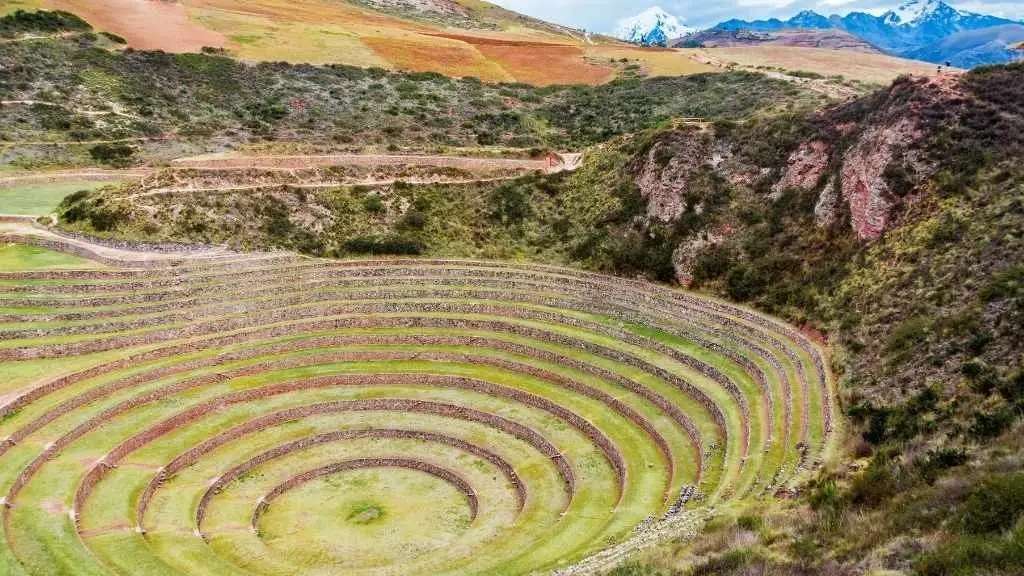
Moray Circular Terraces Aerial View 2

September to October: Tranquil Exploration

As the dry season draws to a close, the weather remains favorable, but the crowds begin to thin out. This is an excellent time for a more relaxed visit. You can explore the historic sites with fewer tourists around, and the atmosphere is generally calmer, providing a more intimate experience of Cusco’s charm.

Wet Season: November to April

The wet season in Cusco is characterized by frequent rainfall, especially in January and February. While it may not be the ideal time for outdoor adventures, there are still plenty of Cusco experiences to enjoy.

November to December: Cultural Immersion

November and December see the onset of the rainy season, but it’s a fantastic time to engage with Cusco’s rich cultural tapestry. The rains are not too intense, and the city hosts several festivals and events that offer deep insights into the local traditions and lifestyle.

January to February: A Quiet Retreat

These months are the rainiest and see fewer tourists, making them perfect for those seeking solitude. While outdoor activities might be limited, this is a wonderful time to enjoy the quiet beauty of Cusco’s museums and indoor attractions, free from the usual tourist hustle and bustle.

March to April: Nature’s Revival

As the wet season winds down, the landscape bursts into life with lush greenery and vibrant flora. Photographers and nature enthusiasts will find this period rewarding, as the rain-soaked landscapes offer a different perspective and a plethora of unique photographic opportunities.

Must-See Attractions and Activities

No matter when you visit, Cusco offers a wealth of attractions and activities to fill your itinerary. Here are some top recommendations:

Explore Cusco’s Historic Center

A visit to Cusco wouldn’t be complete without exploring its historic center, a UNESCO World Heritage site. Wander through the cobblestone streets and marvel at the blend of Inca and colonial architecture. Be sure to visit the Cusco Cathedral and the Qorikancha, Temple of the sun or  “Santo Domingo” temple, two of the city’s most iconic landmarks.

Architectural Marvels

Cusco’s historic center is a testament to its rich past. The blend of Incan and Spanish colonial architecture is evident in every corner. The Cusco Cathedral, with its intricate woodwork and artwork, and the Qorikancha Temple, known for its exquisite stonework, are must-see landmarks that tell stories of a bygone era.

Cultural Vibes

The streets of Cusco are alive with cultural vibrancy. From street performers to local artisans, the historic center is a hub of activity. Spend an afternoon in the Plaza de Armas, where you can enjoy local music and dance performances, or explore the many art galleries in San Blas neighborhood showcasing traditional and contemporary Peruvian art.
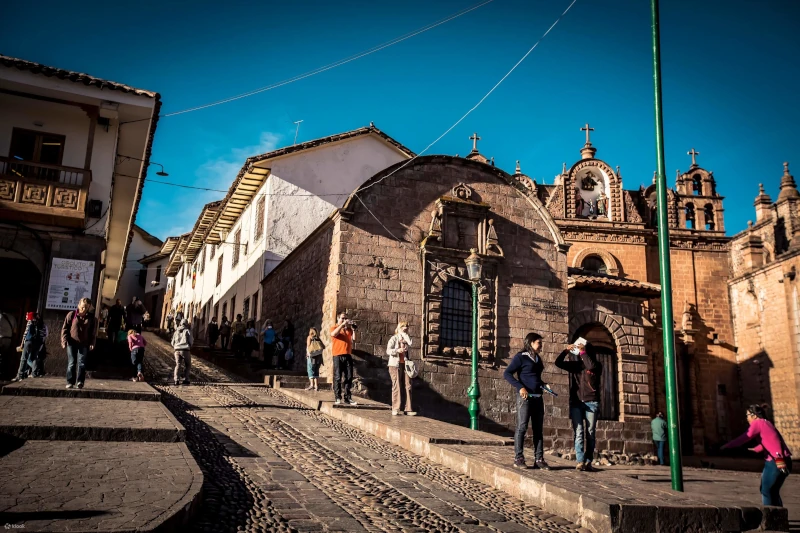
Cusco San Blas Cobblestone Street Church

Culinary Exploration

The historic center is also a culinary hotspot. From street vendors selling traditional snacks to high-end colonial building restaurants offering gourmet Peruvian cuisine, there’s something for every palate. Don’t miss trying the local favorite, “anticuchos,” skewers of marinated meat that are a popular street food. The market of San Pedro has many good options for food.

Discover the Sacred Valley

The Sacred Valley, located just a short drive from Cusco, is home to some of Peru’s most awe-inspiring landscapes and archaeological sites. Explore the ancient ruins of Ollantaytambo and Pisac, and immerse yourself in the vibrant Andean culture of the local communities. You can take tours to closer sites like the Maras salta mines or the agricultural site of Moray.

Ancient Ruins and History

The Sacred Valley is dotted with fascinating archaeological sites. Ollantaytambo’s fortress and Pisac’s terraces are prime examples of Incan ingenuity and provide insight into their sophisticated agricultural and defense systems. These sites offer a glimpse into the past and the opportunity to appreciate the grandeur of the Inca civilization.

Andean Culture and Traditions

The local communities in the Sacred Valley of the incas are rich in tradition. Visitors can participate in cultural workshops, learning about traditional weaving, pottery, and farming techniques that have been passed down through generations. Engaging with the locals provides a deeper understanding of the Andean way of life.

Scenic Beauty and Outdoor Activities

The valley’s breathtaking landscapes are perfect for outdoor enthusiasts. From hiking and biking to horseback riding, the options are endless. The Urubamba River offers opportunities for white-water rafting, while the surrounding mountains provide stunning backdrops for photography and exploration.

Trek to Machu Picchu

For many travelers, trekking to Machu Picchu is the highlight of their visit to Cusco. Whether you choose the  Inca Trail to Machu Picchu, the scenic Salkantay Trek, or the lesser-known Lares hike, you’ll be rewarded with stunning views and a sense of accomplishment as you arrive at this world-famous site.

Choosing the Right Trek

Each trekking route to Machu Picchu offers a unique experience. The Inca Trail is the most famous, combining beautiful mountain scenery with lush cloud-forest, subtropical jungle, and a stunning mix of Inca paving stones, ruins, and tunnels. The Salkantay Trek offers a more remote and scenic journey with diverse landscapes, while the Lares Trek immerses you in traditional Andean culture.

Preparation and Planning

Trekking to Machu Picchu requires preparation. It’s crucial to book your trek in advance, especially for the Inca Trail, as permits are limited. Physical preparation is also recommended, as the treks can be challenging. Being in good shape will ensure you enjoy the journey and the breathtaking views along the way.

The Machu Picchu Experience
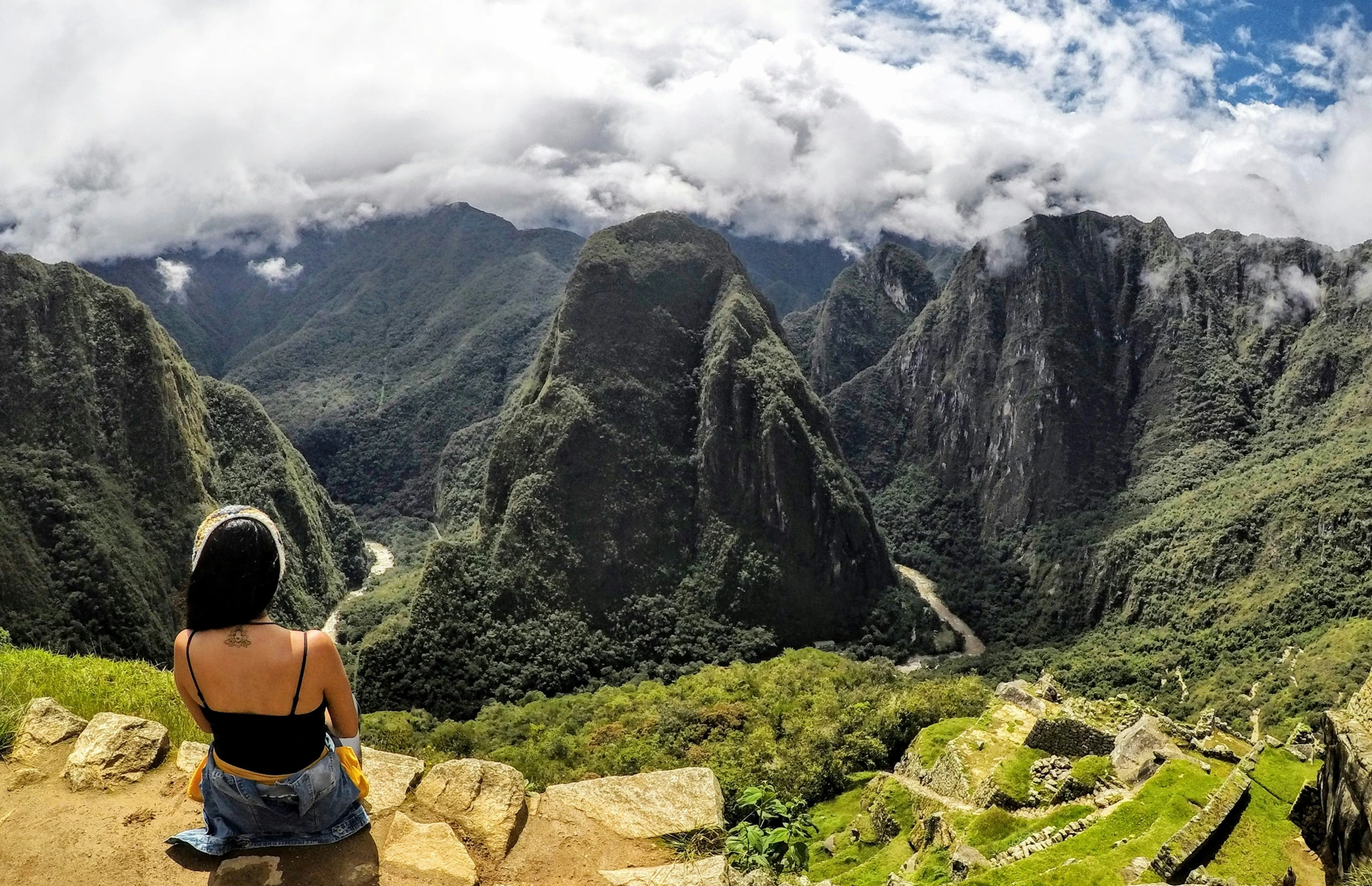
Machu Picchu Woman River Valley View

Arriving at Machu Picchu is a momentous occasion. The sense of awe as you gaze upon the ancient city, shrouded in mist and surrounded by verdant peaks, is unparalleled. Spend time exploring the site’s many temples, terraces, and stone structures, and take a moment to reflect on the incredible civilization that once thrived there.

Sample Cusco’s Culinary Delights

Cusco’s food scene is a delightful blend of traditional Andean flavors and contemporary culinary trends. Don’t miss the chance to try local specialties such as ceviche, alpaca steak, and cuy (guinea pig). For a memorable dining experience, visit some of the top restaurants in Cusco Peru like Chicha por Gastón Acurio or Cicciolina.

Traditional Andean Cuisine

Cusco’s culinary offerings are deeply rooted in Andean tradition. Staples such as potatoes, corn, and quinoa are featured prominently in many dishes. Traditional meals like “pachamanca,” a feast cooked underground using hot stones, offer a unique taste of Andean heritage.

Practical Tips for Your Cusco Adventure

To make the most of your trip to Cusco, consider these practical tips:

Acclimate to the Altitude

Due to Cusco’s high altitude, it’s essential to take time to acclimate upon arrival. Plan for a day or two of rest and light activities to allow your body to adjust. Staying hydrated and avoiding strenuous activities will also help alleviate symptoms of altitude sickness.

Recognizing Altitude Sickness

Altitude sickness can affect anyone, regardless of age or fitness level. Symptoms include headaches, nausea, dizziness, and shortness of breath. It’s important to recognize these signs early and take appropriate measures, such as resting and hydrating, to minimize discomfort and ensure a pleasant stay.

Hydration and Nutrition

Staying hydrated is key to acclimatization. Drink plenty of water and consider trying local remedies like coca tea, which is believed to help with altitude adjustment. Eating light, nutritious meals can also aid in the acclimatization process, ensuring you have the energy to explore Cusco fully.

Taking it Slow

Upon arrival, resist the urge to rush into activities. Take it easy for the first couple of days, exploring the city at a leisurely pace. This not only helps with acclimatization but also allows you to appreciate the beauty and culture of Cusco without overexertion.

Use Local Transportation

Cusco offers various modes of transportation to help you navigate the city and its surroundings. Taxis and buses are readily available, and for a more immersive experience, consider hiring a local guide for personalized Cusco tours.

Exploring Beyond Cusco

For trips outside the city, such as visits to the Sacred Valley, South Valley or Machu Picchu, consider hiring a guide. Local guides offer valuable insights into the region’s history and culture, enhancing your travel experience. Additionally, organized tours can provide hassle-free transportation and entry to popular sites.
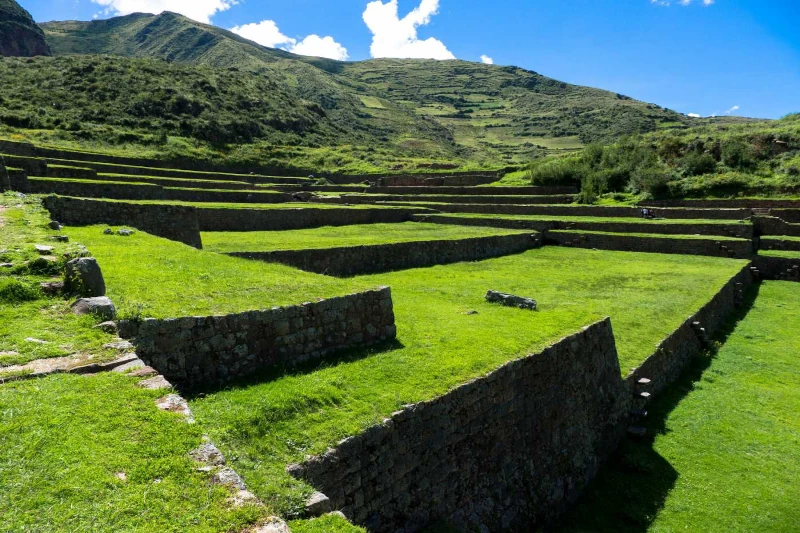
Tipon Archaeological Site Terraces

Stay Connected with a Cusco Map

A map of Cusco is an invaluable tool for navigating the city’s winding streets and discovering hidden gems. Many hotels and tourism offices provide Cusco Peru maps that highlight key attractions and routes.

Discovering Hidden Gems

While maps guide you to major attractions, they can also help you uncover lesser-known spots. Don’t hesitate to wander off the beaten path, where you might stumble upon charming cafes, local markets, and picturesque viewpoints that aren’t listed in guidebooks.

Planning Your Itinerary

Using a map can also aid in planning your daily activities efficiently. Group attractions located in the same area to minimize travel time, allowing you to experience more of what Cusco has to offer in a relaxed manner. A well-planned itinerary ensures a fulfilling and enjoyable visit.

Plan Your Perfect Cusco Adventure Today

Cusco is a destination that captivates travelers with its rich history, vibrant culture, inca palaces and stunning landscapes. By understanding the best times to visit and planning your itinerary accordingly, you can experience the magic of this ancient city to the fullest. Whether you’re exploring its historic sites, trekking through the Andes, or savoring its culinary delights, Cusco promises an unforgettable adventure that will leave you longing to return. Happy travels!
Embarking on the Inca Trail to Machu Picchu is more than just a hike; it’s a journey through time. This iconic trek not only takes you through the heart of the ancient Incan Empire but also offers breathtaking views, rich history, and a sense of accomplishment like no other. Whether you’re a corporate executive seeking a meticulously planned itinerary, a freelance photographer in search of stunning backdrops, or an academic researcher eager to delve into cultural nuances, this guide is crafted for you.

The Inca Trail is a part of an extensive network of roads and trails built by the Incas over 500 years ago. This network, known as the Qhapaq Ñan, spanned over 40,000 kilometers across the Andean mountains, connecting the vast Incan Empire. The trail to Machu Picchu is one of the most well-preserved sections, and it served as a sacred pilgrimage route to the “Lost City” of Machu Picchu.

Origins of the Qhapaq Ñan

The Qhapaq Ñan was more than just a road; it was a sophisticated network that facilitated communication, trade, and military operations across the empire. Constructed using advanced engineering techniques, these roads linked diverse terrains, showcasing the Incas’ mastery over their environment. The Inca Trail, being a part of this grand network, represents the pinnacle of their road-building expertise.

Cultural Significance

The trail was not merely a route but a spiritual journey for the Incas. Pilgrims traversed this path to reach Machu Picchu, believed to be a sacred site. The journey was a testament to their devotion, reflecting the intricate relationship between the Incan people and their deities. Today, hiking the trail offers a unique opportunity to walk in the footsteps of these ancient pilgrims.

Preservation Efforts

Over the years, efforts have been made to preserve the trail for future generations. The Peruvian government, along with international organizations, has implemented conservation programs to maintain the trail’s integrity. These initiatives ensure that the trail remains a testament to Incan ingenuity while allowing modern adventurers to experience its historical grandeur.

Why Is the Inca Trail Different Than Machu Picchu?

While Machu Picchu is a renowned archaeological site, the Inca Trail is the path that leads you there. The trail itself is an integral part of the journey, offering a glimpse into the lives of the Incas and the stunning landscapes they traversed. Hiking the trail gives a deeper appreciation of the marvel that is Machu Picchu.

The Journey vs. the Destination

The Inca Trail is not just a means to an end; it is an experience in itself. Unlike simply visiting Machu Picchu, the trail immerses you in the Incan landscape, culture, and history. The sense of accomplishment upon reaching the citadel after a rigorous trek is unparalleled, making the destination all the more rewarding.

Immersion in Inca Trail History

Walking the Inca Trail is like stepping back in time. Each step takes you closer to understanding the daily lives of the Incas, their architectural prowess, and their cultural practices. This immersion provides a richer context for appreciating Machu Picchu, transforming it from a mere tourist attraction into a living piece of history.

Highlights of the Inca Trail

Spectacular Scenery

The trail winds through diverse ecosystems, from lush cloud forests to alpine tundra. The dramatic scenery is punctuated by snow-capped peaks, verdant valleys, and ancient ruins, offering countless opportunities for photographers to capture the raw beauty of the Andes.

Ecological Diversity

The Inca Trail traverses multiple ecological zones, each with its own unique flora and fauna. From the tropical cloud forests filled with orchids and hummingbirds to the barren, wind-swept highlands, the trail showcases the incredible biodiversity of the Andes. This diversity not only enhances the visual appeal but also provides insight into the ecological richness that the Incas once relied upon.

Breathtaking Vistas

At various points along the trail, hikers are rewarded with panoramic views that are nothing short of breathtaking. The sight of majestic peaks piercing the sky, combined with the tranquility of the valleys below, creates a sensory experience that leaves an indelible mark on the soul. Each viewpoint serves as a reminder of the grandeur and beauty of the natural world.

Historical Ruins

Along the trail, you’ll encounter several significant Incan ruins such as Llactapata, Runkurakay, and Sayacmarca. Each site tells a story of the Incan civilization, providing a tangible connection to the past.

Llactapata: The Village of Terraces

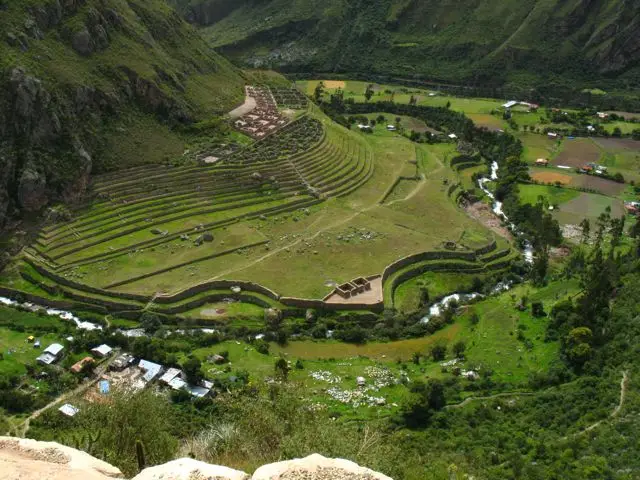
Patallacta Ruins Terraces Valley Aerial

Llactapata, meaning “High Town,” is one of the first major ruins encountered on the trail. This archaeological site features impressive agricultural terraces and provides insight into the Incas’ advanced farming techniques. The strategically placed structures suggest it was a vital administrative and agricultural hub, offering hikers a glimpse into the empire’s everyday life.

Runkurakay: The Watchtower

Runkurakay is a small circular ruin believed to have served as a tambo, or resting place for travelers. Its unique architecture and strategic location suggest it was used as a lookout point, allowing the Incas to monitor the surrounding valleys. Exploring Runkurakay offers a deeper understanding of the Incan communication and defense strategies.

Sayacmarca: The Inaccessible Town

Perched on a rocky cliff, Sayacmarca offers a fascinating exploration of Incan engineering. The site’s name translates to “Inaccessible Town,” highlighting its strategic defensive position. With its maze-like layout, narrow staircases, and ceremonial baths, Sayacmarca provides a captivating glimpse into the spiritual and practical aspects of Incan life.

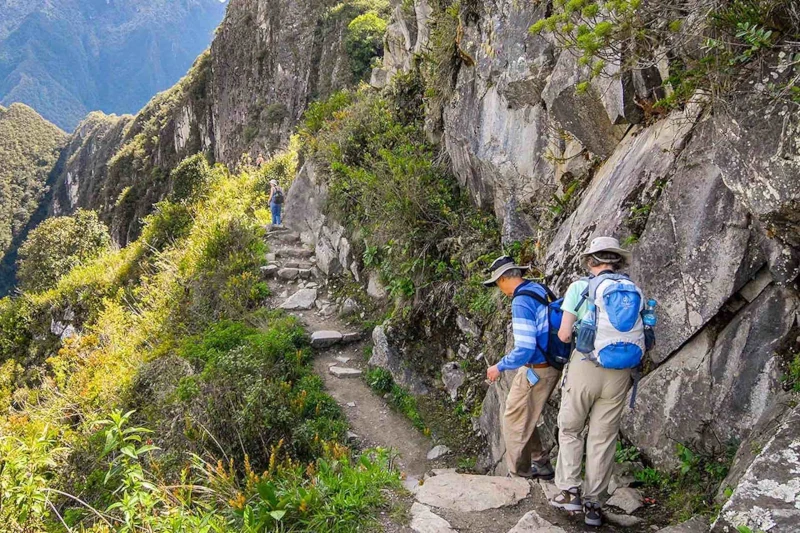
Inca Trail Hikers Rocky Cliff Path

The Sun Gate

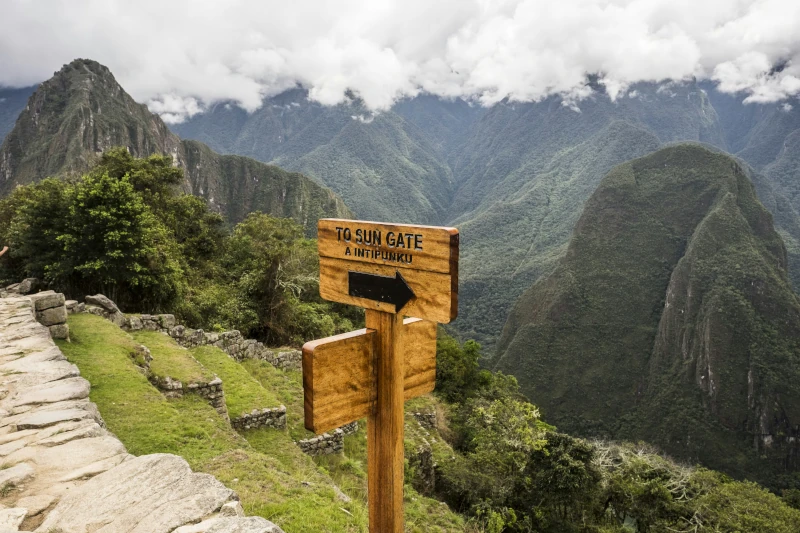
The Sun Gate, or Inti Punku, is the final checkpoint before reaching the citadel. Arriving at Machu Picchu at dawn to witness the first rays of sunlight illuminating the citadel is a truly magical experience.

The Symbolic Gateway

Intipunku served as the main entrance to Machu Picchu and held significant spiritual importance for the Incas. As the first sunlight touched the Sun Gate, it was believed to symbolize the blessing of the sun god, Inti. For modern trekkers, reaching Intipunku signifies the culmination of their journey and the beginning of their exploration of Machu Picchu.

Sunrise Over Machu Picchu

Witnessing the sunrise from the Sun Gate is a moment of awe and wonder. As the sun’s rays gradually illuminate the ancient ruins, the scene transforms into a golden spectacle. This experience not only marks the end of the trail but also offers a moment of reflection on the journey and the majesty of the landscape.

A Moment of Triumph

Machu Picchu Sun Gate Trail Signpost

Reaching the Sun Gate is a triumphant moment for hikers, symbolizing the successful completion of the challenging trek. The sense of achievement is heightened by the anticipation of exploring the iconic ruins of Machu Picchu, making the journey all the more rewarding.

Planning Your Machu Picchu Adventure

Choosing the Right Itinerary

The classic Inca Trail trek typically spans four days, starting from the Sacred Valley near Cusco and culminating at Machu Picchu. However, there are shorter and longer variations to suit different preferences and time constraints.

Classic vs. Alternative Routes

While the classic 4-day inca trail is the most popular, alternative routes such as the Salkantay trek or Lares trek offer unique experiences. These routes vary in difficulty, duration, and scenery, allowing travelers to select an itinerary that best suits their interests and physical capabilities. Exploring these options can lead to a more personalized and fulfilling adventure.

There are even shorter versions like the inca trail to Machu Picchu in 2 days. This is experiences for people with a short time .

When to Go: Inca Trail Machu Picchu in January

Although the trail is open year-round, the best time to hike is during the dry season from May to September. January falls within the rainy season, which can make the trail slippery and challenging. However, fewer crowds during this time can offer a more intimate experience.

Pros and Cons of the Rainy Season

Hiking in January presents both challenges and rewards. The increased rainfall can make the trail more difficult to navigate, requiring extra caution and preparation. However, the rain also brings lush greenery and vibrant landscapes, enhancing the trail’s natural beauty. Additionally, the reduced number of tourists provides a more serene and personal experience.

Weather Considerations

Understanding the weather patterns during January is crucial for a successful hike. Expect frequent rain showers and fluctuating temperatures, requiring appropriate gear such as waterproof clothing and sturdy boots. Being prepared for these conditions ensures you can fully enjoy the trail despite the challenges posed by the weather.

Tips for Hiking the Inca Trail

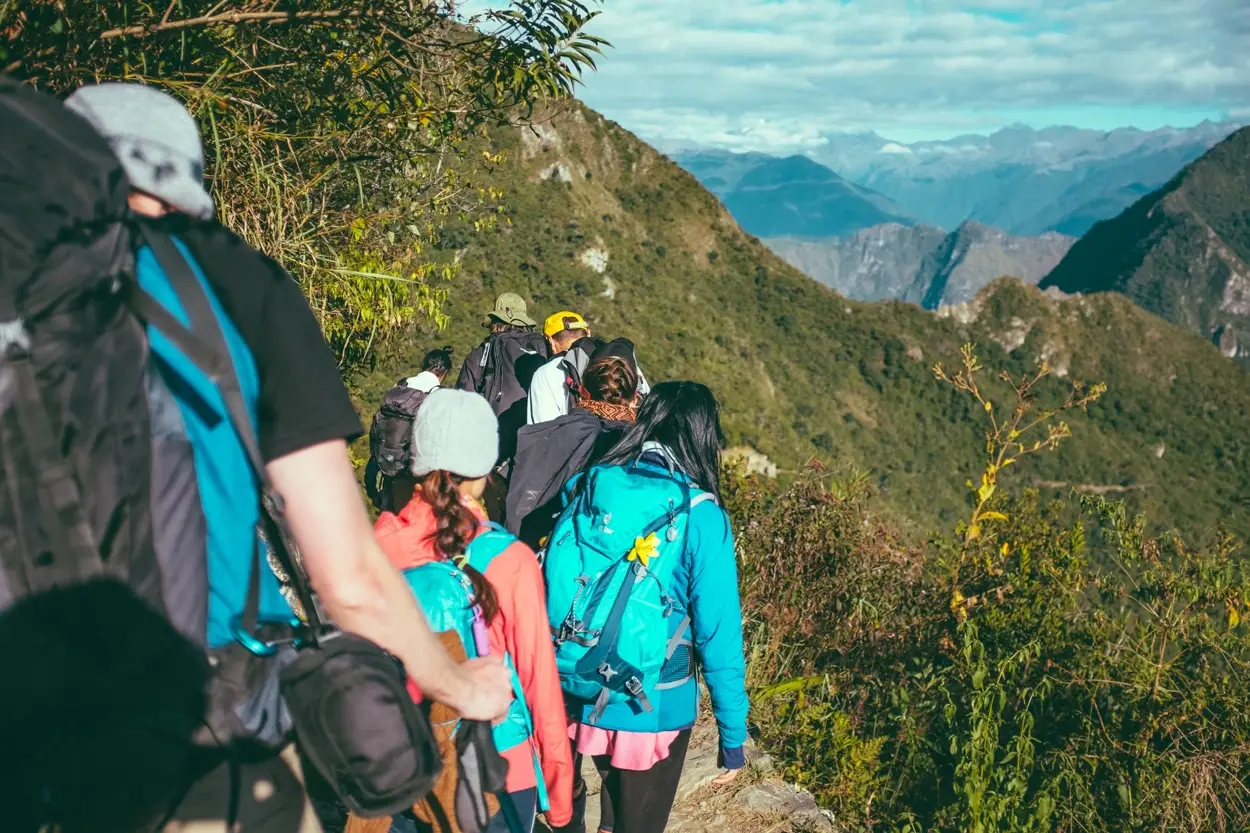
Hikers Group Inca Trail Mountain View

Physical Preparation

The Inca Trail is moderately challenging, with altitudes reaching up to 4,200 meters. It’s essential to be in good physical condition and to acclimate to the altitude before starting the trek. Consider spending a few days in Cusco prior to your hike to adjust.

Building Endurance

Engaging in regular cardiovascular and strength training exercises can significantly enhance your trail performance. Activities such as hiking, running, and cycling build stamina and prepare your body for the rigors of the trail. Incorporating exercises that target leg muscles and core strength is also beneficial for managing the diverse terrain.

Acclimatization Strategies

Altitude acclimatization is crucial for preventing altitude sickness and ensuring an enjoyable trek. Spend several days in Cusco or similar high-altitude locations to allow your body to adjust. Gradually increase your physical activity during this period and stay hydrated to aid acclimatization.

Footwear and Clothing

Investing in quality hiking boots and moisture-wicking clothing is crucial for comfort and protection on the trail. Layering is key, allowing you to adapt to changing weather conditions. Ensure your boots are well broken-in to prevent blisters and discomfort during the trek.

Hire a Guide or Tour Operator

While it’s possible to hike independently, hiring a licensed guide or joining a tour group can enhance your experience. Guides offer invaluable insights into the history and culture of the trail and provide logistical support, ensuring a smooth journey.

Benefits of Guided Tours

Guided tours offer numerous advantages, including expert knowledge, logistical support, and enhanced safety. Guides are well-versed in the history and culture of the trail, providing enriching commentary and insights. They also handle inca trail permits, transportation, and accommodations, allowing you to focus on enjoying the trek. They also will offer support to get the limited numbers of permits that are offered daily.

Selecting a Reputable Operator

Choosing a reputable tour operator is crucial for a successful hiking experience. Research operators thoroughly, checking reviews and credentials to ensure they meet your expectations. Look for operators that prioritize sustainability and responsible tourism practices, contributing positively to the local community and environment.

Independent Trekking Considerations

For those opting to hike independently, thorough preparation is essential. Obtain the necessary permits months  in advance, plan your itinerary, and arrange accommodations in advance. While independent trekking offers greater flexibility, it requires a higher level of self-sufficiency and organization.

Respecting the Trail

The Inca Trail is a UNESCO World Heritage site, and preserving its natural and cultural integrity is paramount. Follow Leave No Trace principles, respect local customs, and support responsible tourism practices.

Leave No Trace Principles

Practicing Leave No Trace principles ensures the preservation of the Inca Trail for future generations. This includes minimizing waste, respecting wildlife, and avoiding damage to historical sites. By adhering to these guidelines, you contribute to the conservation of this invaluable cultural and natural resource.

Sustainable Tourism Practices

Choosing tour operators and accommodations that prioritize sustainability is crucial for responsible tourism. Opt for providers that implement eco-friendly practices, such as minimizing waste and conserving resources. By supporting sustainable tourism, you contribute to the preservation of the Inca Trail and its surrounding environment.

Day-to-Day Itinerary

  • Day 1: Begin your adventure in Cusco. Transfer to the trailhead and hike to Wayllabamba, passing the Incan ruins of Llactapata.
  • Day 2: Tackle the challenging ascent to Dead Woman’s Pass, the highest point on the trail, before descending to the Pacaymayo Valley.
  • Day 3: Explore the ruins of Runkurakay and Sayacmarca. Continue through cloud forests to the final campsite at Wiñay Wayna.
  • Day 4: Rise early to reach the Sun Gate and witness the sunrise over Machu Picchu. Spend the day exploring the citadel, rest at Aguas Calientes before returning to Cusco.
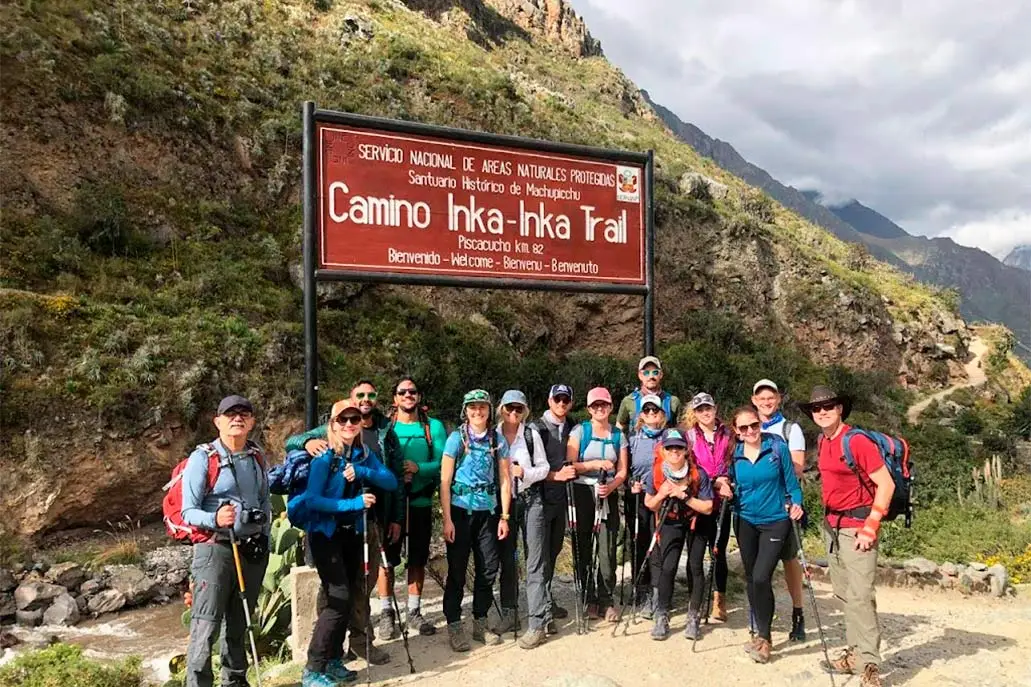
Inca Trail Km82 Trailhead Group Photo

Daily Challenges and Rewards

Each day on the trail presents unique challenges and rewards. The physical exertion required is balanced by the breathtaking scenery and historical sites encountered along the way. These daily experiences contribute to the overall sense of achievement and fulfillment that comes with completing the trek.

Adapting to the Environment

Adapting to the changing environment is an essential aspect of the trek. From varying altitudes to diverse weather conditions, each day requires careful preparation and adaptation. Embracing these challenges enhances your resilience and appreciation for the trail’s natural beauty.

Celebrating Milestones

Reaching key milestones, such as Dead Woman’s Pass or the Sun Gate, is a cause for celebration. These achievements mark your progress and serve as reminders of your perseverance and determination. Celebrating these moments fosters a sense of camaraderie among fellow trekkers and adds to the overall enjoyment of the journey.

Cultural Insights

Interacting with local porters and guides provides a deeper understanding of the Andean culture and Incan heritage. Their knowledge of the land and stories passed down through generations enrich the trekking experience.

The Role of Local Porters

Local porters play an integral role in the success of the trek. Their strength, resilience, and knowledge of the trail are invaluable assets. By engaging with them, hikers gain insights into their way of life, cultural practices, and the challenges they face, fostering a deeper appreciation for their contributions.

Storytelling and Tradition

Guides and porters often share stories and traditions passed down through generations, offering a unique glimpse into the region’s rich cultural heritage. These narratives provide context for the historical sites along the trail, enriching the overall trekking experience and deepening your connection to the land.

Supporting Local Communities

Participating in the trek contributes to the local economy, providing livelihoods for many families. Supporting fair wages and ethical treatment of porters is crucial for sustainable tourism. By choosing responsible operators, you ensure that your journey has a positive impact on the communities you encounter.

Step Into the Past: Why the Inca Trail Is More Than Just a Hike

The Inca Trail to Machu Picchu is more than just a hike. It’s a transformative journey that combines adventure, history, and culture. With the right preparation and mindset, this trek offers an unparalleled opportunity to explore one of the world’s most iconic destinations. There many other options for you to combine with in your itinerary, trying for example Machu picchu and Rainbow mountain get you to know the citadel and other impressive sites.

Embark on this Machu Picchu trek with confidence, knowing you have the insights and tips needed to make the most of your journey. Happy trails!

Official endorsement

Associations & Certifications

We operate under the regulations and standards of Peru's leading tourism entities.

MINCETUR DIRCETUR GERCETUR ESSNA Marca Perú SUNAT Authorized Operator TripAdvisor GetYourGuide Viator WeTravel Y tú qué planes Peru Rail