Find the Perfect Peru Vacation Package for Your Budget
Peru has so much, it almost feels like there’s no end to it. You can hike, try the local cuisine, and explore ruins. The options feel endless. If you also want to see this for yourself, vacation packages make it much easier to visit. Travellers say that the packages combine everything you want in a good trip. The packages help to keep your planning simple and costs manageable.
Each of the Cusco Peru vacation packages focuses on different interests. Some highlight hiking and adventure. Others emphasize cultural sites and local traditions. Some cater to relaxation. But it does come down to what you value most and how much you want to spend. All of the packages will differ in price and duration.
Matching Cusco Peru Vacation Packages to Your Budget
The budget does not limit quality. Travelers can find options that fit comfort and cost. Start by listing priorities:
Hotels or hostels included.
Guided tours of key sites.
Meals and transport.
Budget-friendly Peru travel packages usually include hostels and basic tours. It is the Mid-range ones that become interesting. In many cases, they are made up of three-star or four-star hotel accommodations, airport transfers, and guided day trips. The luxury choices, being the priciest, are equally wonderful, if not more. They have comfort, exclusive activities, and all the extra amenities you can expect in the luxury package.
One other aspect that most people seem to miss is booking early. It is obvious that flights and hotels will be much cheaper. But only if you book months in advance. There are also some last-minute deals. If you’re on a budget, then planning in advance is the best thing you can do. This way, you will save loads of money and still have fun.
Some Popular Vacation Packages
Most of the Peru tour packages you see cater to different interests and schedules. Some of the examples have:
Classic Peru: The guided tours will focus on historical sites. Just the major tourist attractions.
Adventure Trips: These are best for travelers who want some outdoor challenges sprinkled in their visit.
Cultural Tours: If you are someone who likes to understand traditions and culture, this one is perfect for you.
Nature Packages: A country like Peru is full of natural wonders. This package will cover almost all of that.
Each of these packages has a different price point. This is because some of them cover flights and transfers, while others only provide hotels. Everyone wants to avoid any surprise costs, especially in the later parts of the trip. That is why you should try to book earlier.
Timing and Seasonal Planning
One of the most overlooked facts is that when you decide to visit, it also affects your Peru trip. Thankfully, Peru has only two primary seasons. The best part is that neither of the two is severe.
1. Dry season May to September)
The dryness makes it the most suitable for trekking and outdoor activities. The only problem is pricing. Most people want to visit Peru only during this season, increasing the cost.
2. Rainy season ( October to April)
The dryness makes it the most suitable for trekking and outdoor activities. The only problem is pricing. Most people want to visit Peru only during this season, increasing the cost.
Besides, festivals have a very significant aspect. In case you arrange your journey to coincide with the festival period, then it is quite likely that the price of your trip will be higher. You have a chance to see Peru during periods when no festivals take place.
Where to Stay in Peru
Accommodation is a major factor in planning trips to Peru. Peru offers a range of choices:
Hostels are a budget-friendly option. You can get shared rooms or communal spaces.
Guesthouses and boutique hotels are of a moderate cost. They come with personal touches and local charm.
Resorts are places with high-end comfort. They have all the luxuries like pools and guided tours.
Check the location carefully. Hotels near main attractions save time and transport costs. Some budget packages use hotels farther from sites, requiring extra travel. Reviews and location matter more than star rating.
Smart Tips to Get the Best Value on Peru Tours
If you want to make the best Peru tour packages cost-effective, it’s going to require some attention. Consider these practical tips:
Confirm what tours and activities are included.
Check cancellation and refund policies.
Compare multiple providers for similar offerings.
Look for added perks like airport transfers or breakfast.
Read all details carefully, especially for meals, guides, or entrance fees.
Doing it this way is a guarantee that a package will be in line with both your expectations and your budget. Pre-planning is, in fact, a source of peace. Visitors have the liberty to change or improve sections of their travel at no additional inconvenience.
Conclusion
Selecting a holiday package in Peru can be easy if you consider your budget, time, accommodation, and planned activities. The packages may cover the aspects of the culture, the adventures, or the nature of the area. Always compare what is included to avoid surprise costs. Peru is a place that caters to every type of traveler.
Go Xplore Peru offers one of the best Cusco Peru vacation packages so that you can experience every aspect of the Sacred Valley. Visit our website now and experience the best of Peru.
Explore Hidden Spots in the Sacred Valley Before Reaching Machu Picchu
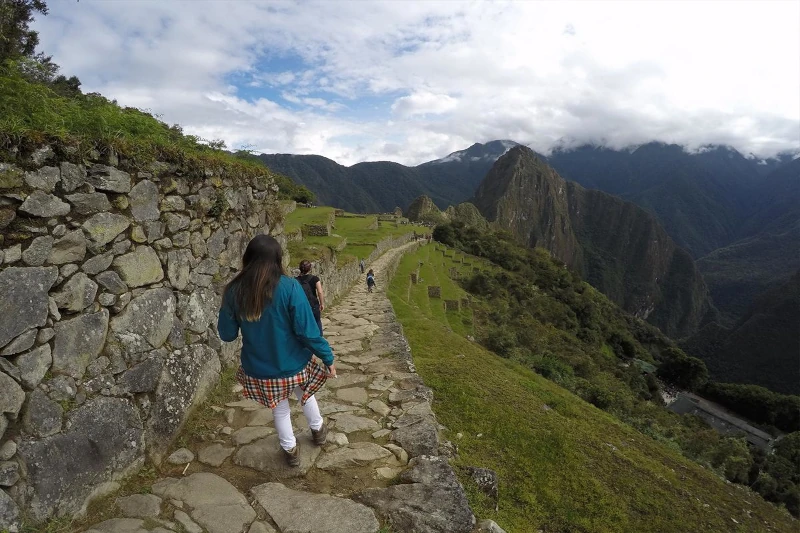
Many areas in the Sacred Valley are calm, grounded, and steeped in ancient traditions. The majority of the people who come to the Sacred Valley go directly to Machu Picchu. The valley has many small towns and beautiful ruins. The Cusco Peru vacation packages allow you to connect with the local life and give you a better grasp of how this area became the Inca empire.
Here are a few stops that add depth to your time in Peru before you head toward the famous citadel.
Why Choose Cusco Peru Vacation Packages?
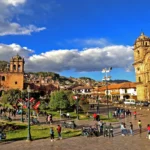
Cusco is the point of arrival for most people. The city offers peaceful mornings that reflect the vibe of the rest of the day. The time can be spent walking the narrow streets of San Blas, the district of small artisan houses. Here, the tradition of workshops has been passed down in the same families for years.
A few simple things that make Cusco special are:
It’s a mix of colonial streets and older Inca walls
The lively markets where daily life feels real
Easy access to small viewpoints scattered around the hills
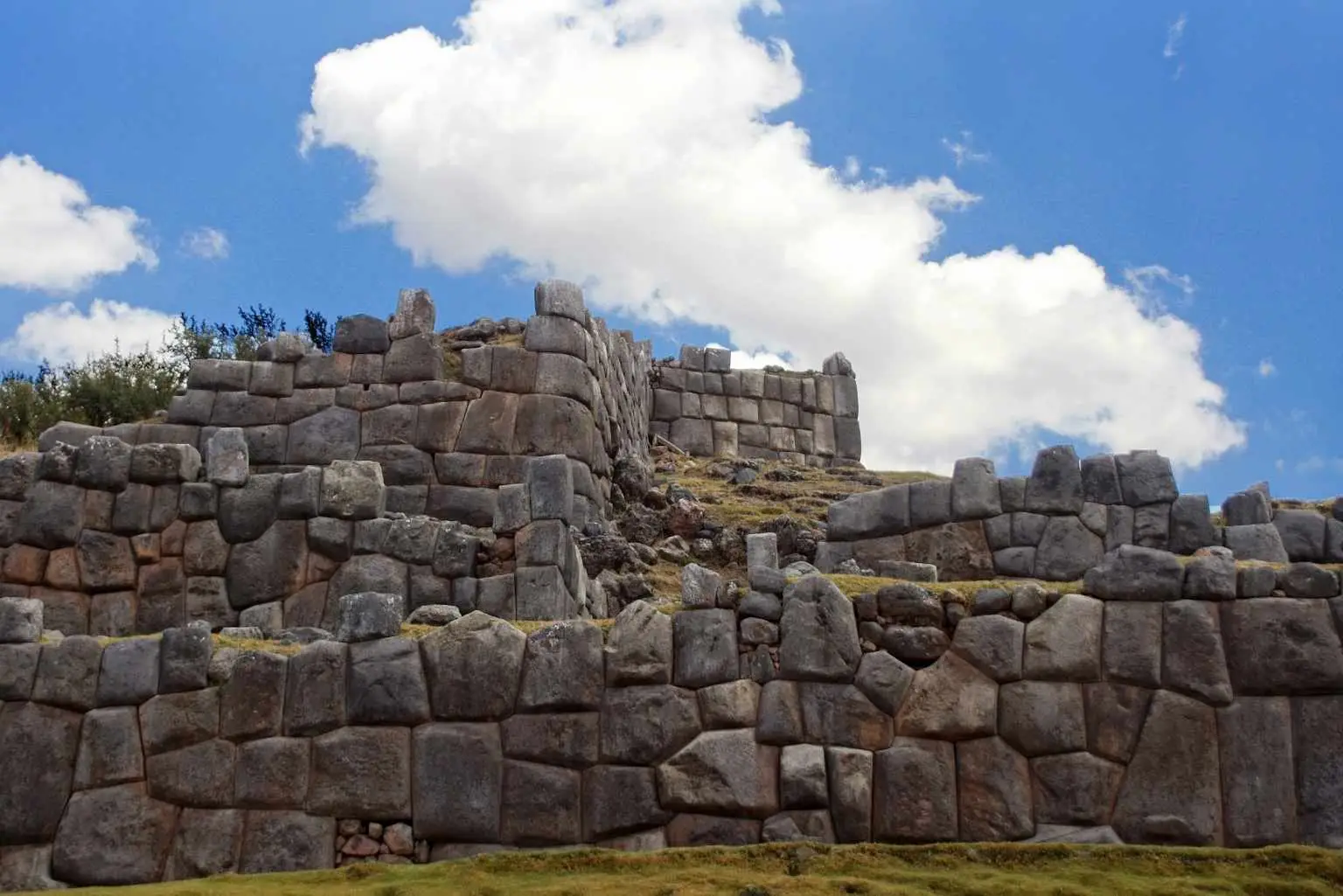
Sacsayhuamán stands just above Cusco. The climb is short yet steep, and the wide stones at the site still leave many visitors silent. The scale feels unreal, and the open field below the walls tends to gather locals in the late afternoon. It is one of those places where the past and present sit close without feeling forced.
Top Hidden Spots in the Sacred Valley
Now we’ll discuss some of the hidden spots of the Sacred Valley that are worth visiting. Here are six of them that you absolutely cannot miss:
1. Inca Trail
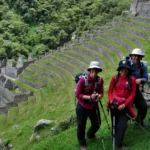
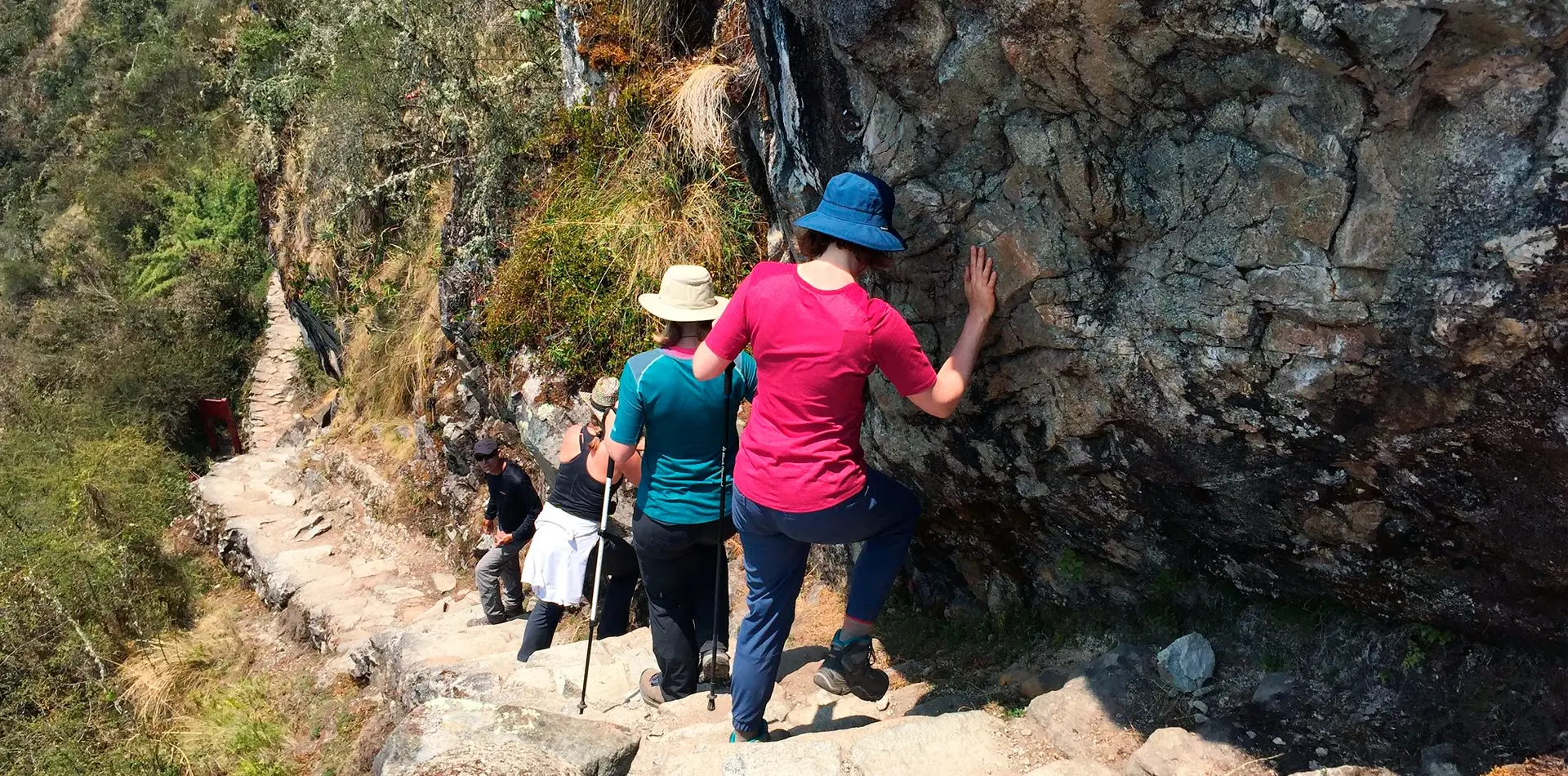
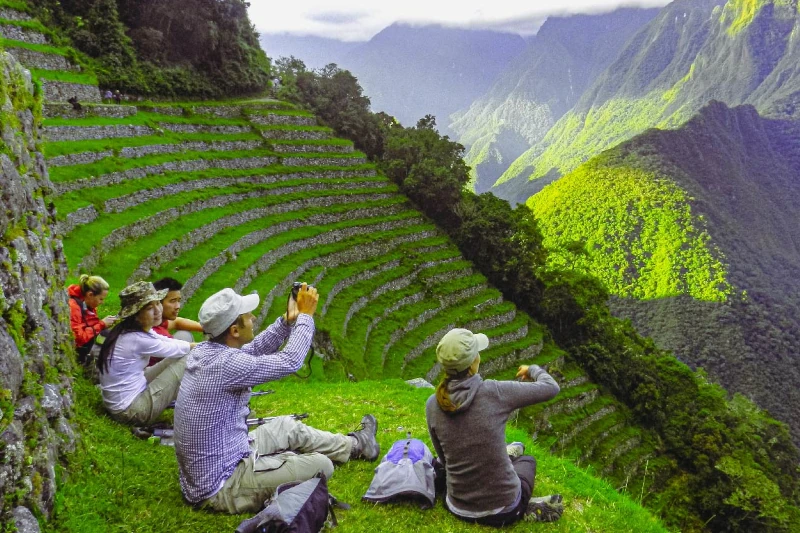
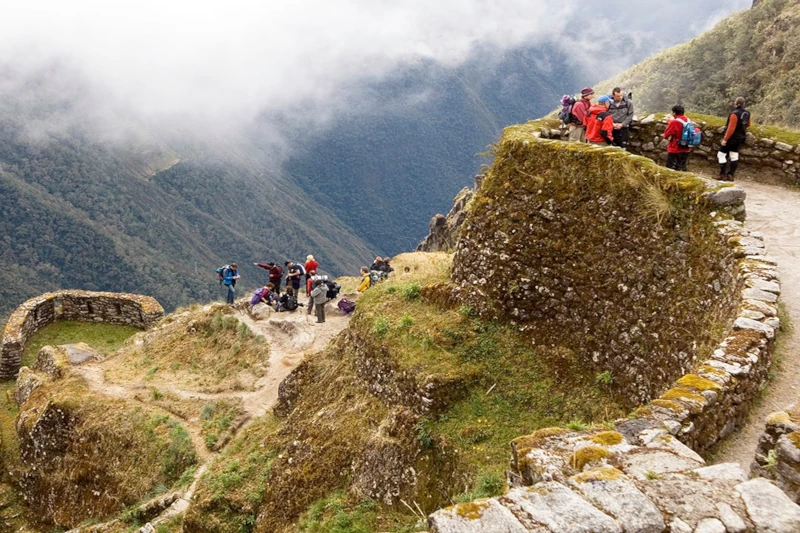
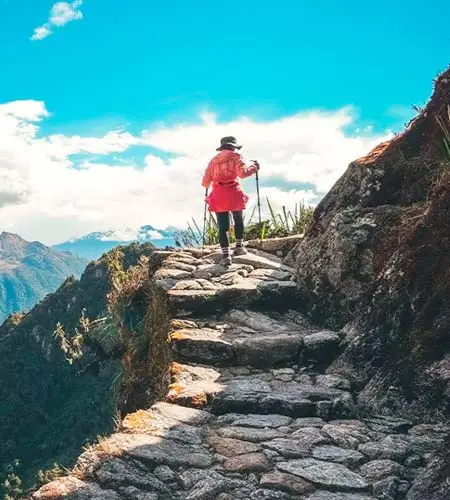
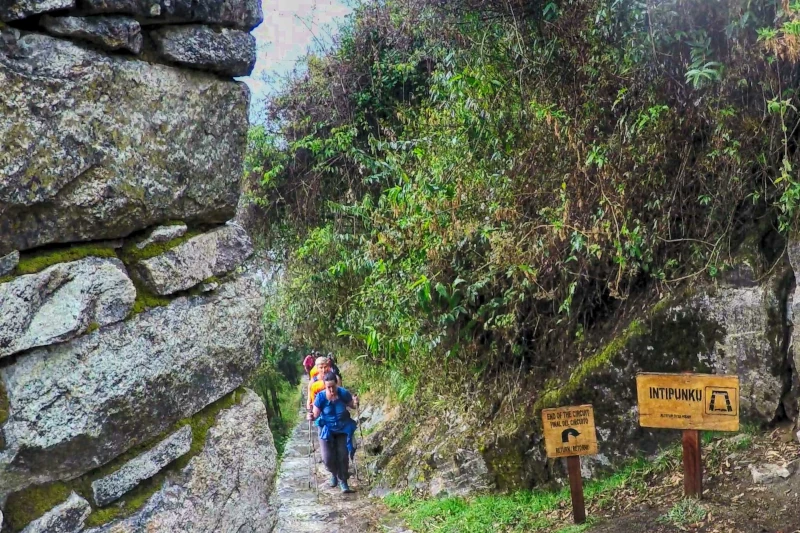
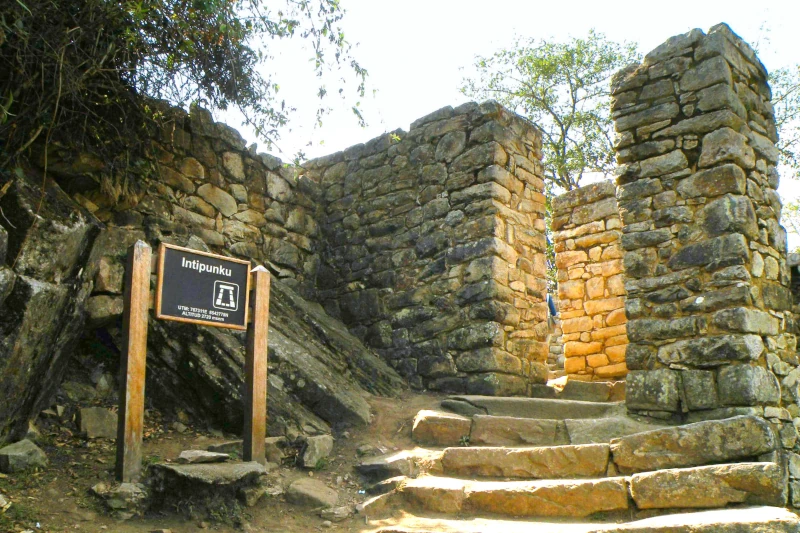
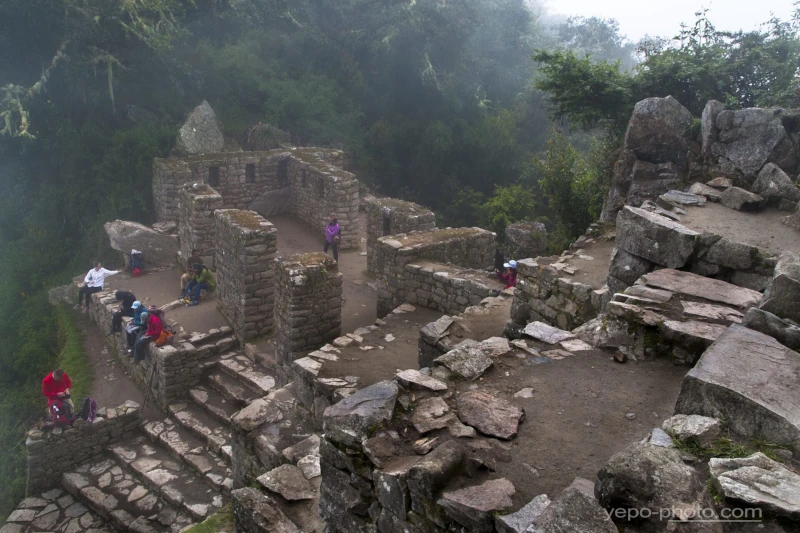
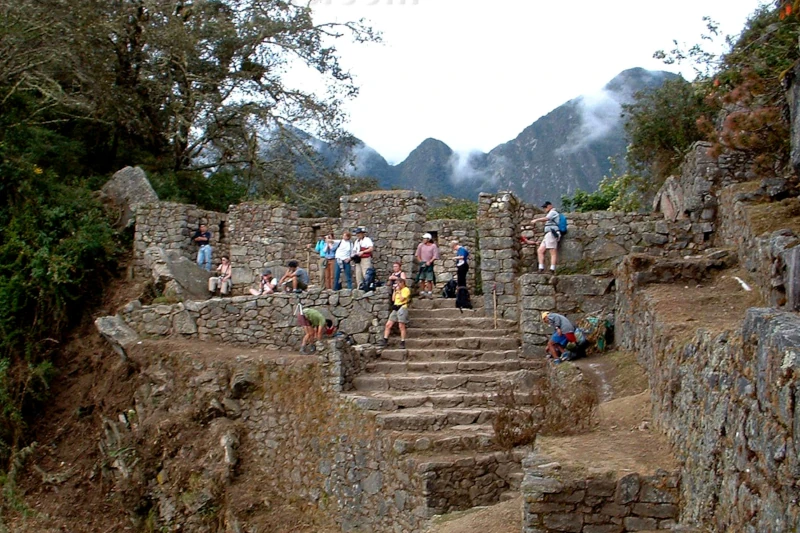
The Inca Trail links several old sites that sit high in the hills. Every turn on the sacred valley tourshows a different ridge, quiet ruins, or stone steps shaped by time. Many hikers move at their own pace because the path can be long, and the air grows thin. Campsites feel calm at night when the sky clears and the stars sit above the peaks. Groups often chat around simple meals and share how the day went. The final morning leads to a gate that looks toward Machu Picchu. Reaching it feels steady rather than rushed, giving people time to breathe and take in the moment.
2. Mandor
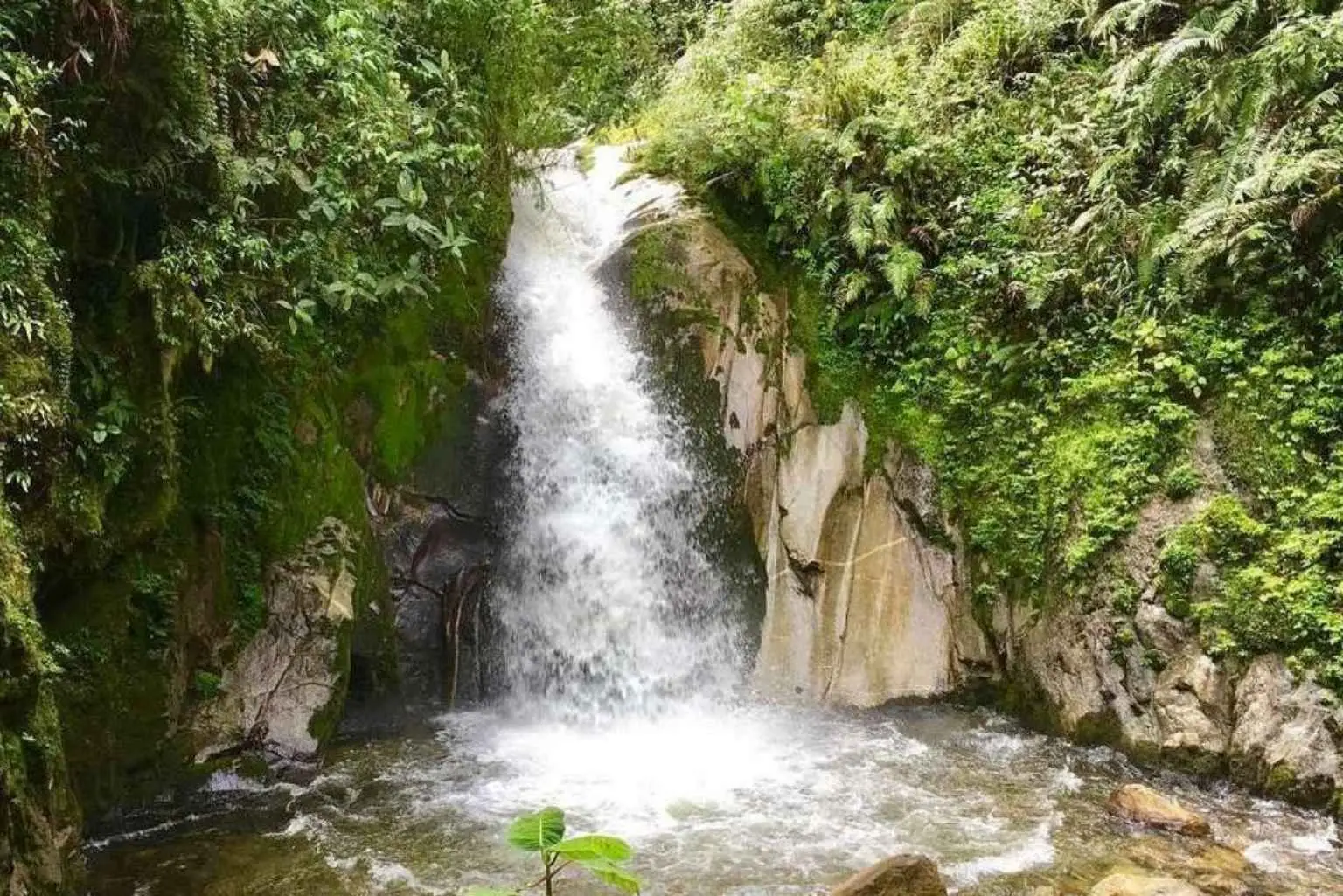
Mandor sits outside the crowded parts of Aguas Calientes and offers a quiet patch of nature. A narrow track leads through plants, tall grass, and small orchards. The sound of water follows you the whole way from the nearby river and falls. Many travelers head there to slow down and take a walk that does not push the body too hard. Birds rest in the branches, and the small gardens feel gentle. The falls at the end bring a cool spray that makes the area pleasant on warm days. People often sit on the rocks for a while before heading back.
3. Pinkuylluna Mountain Granaries
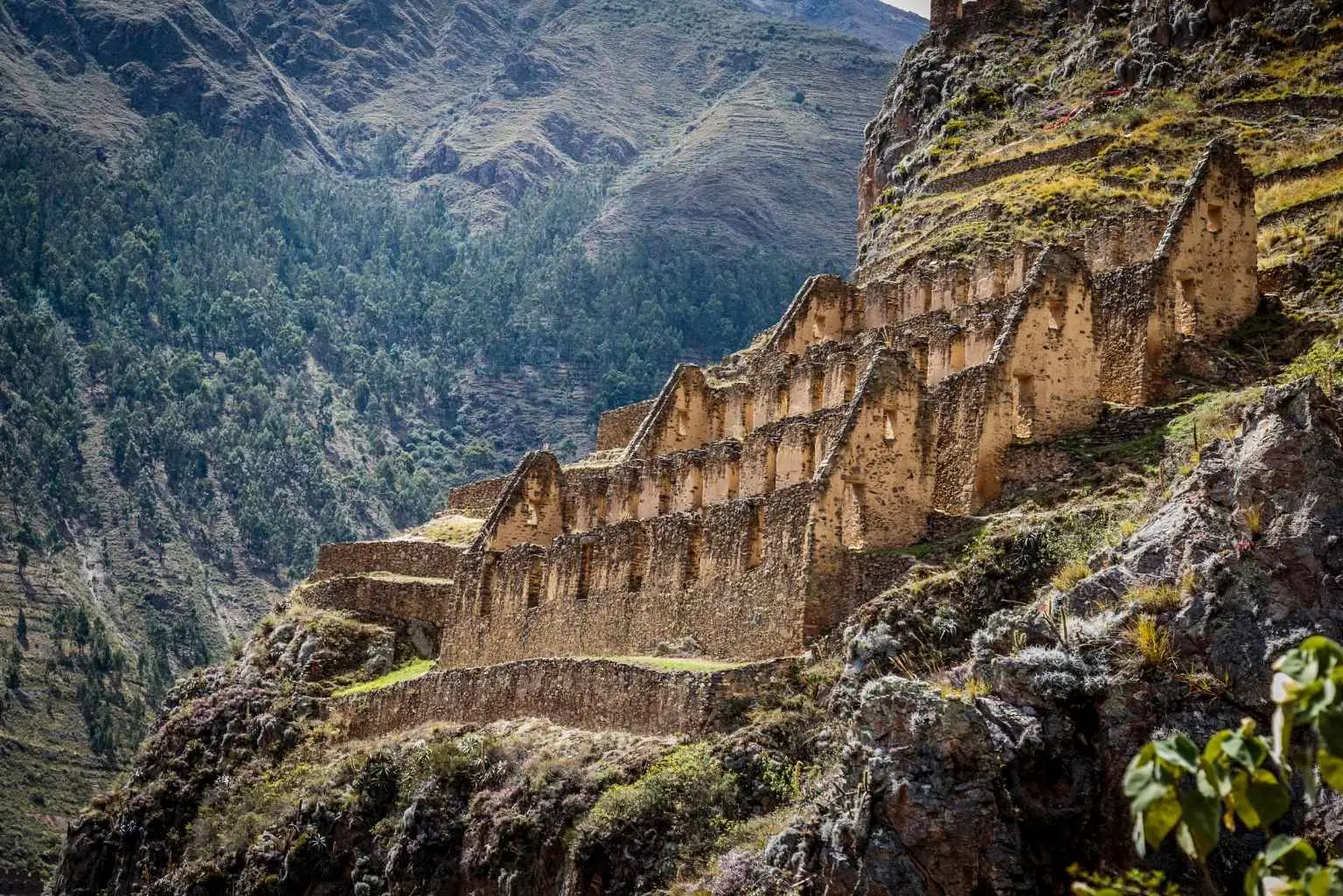
The granaries on Pinkuylluna sit on the side of a steep hill. The climb up is short but can take some effort. Once you reach the top, the view is amazing. Travelers often stop halfway to look down at the town and the grid of streets. The hill lights up in the late afternoon when the sun leans west. It’s a quick hike for people who want something simple but meaningful.
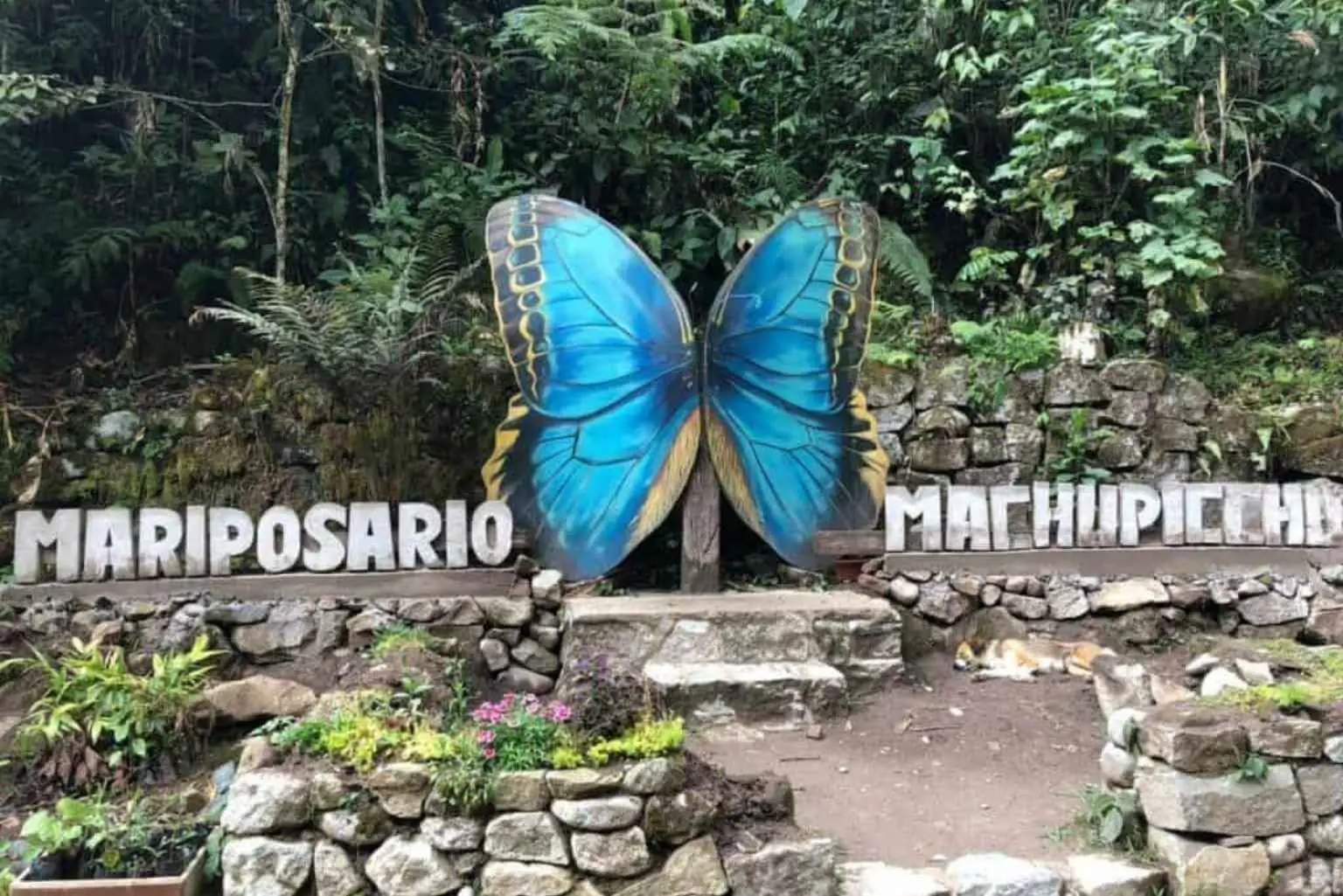
4. Mariposario de Machu Picchu
This butterfly house sits close to hotels in Sacred valley Cusco Peru, and focuses on local species. Staff raise different types of butterflies and show how each stage works. The place is small but filled with warm air and bright wings that move slowly around the plants. Many visitors take their time because the butterflies land on leaves and stay still long enough to watch closely. Signs explain patterns, colors, and how the area helps protect them. It feels calm, and families enjoy walking through the trails without rushing.
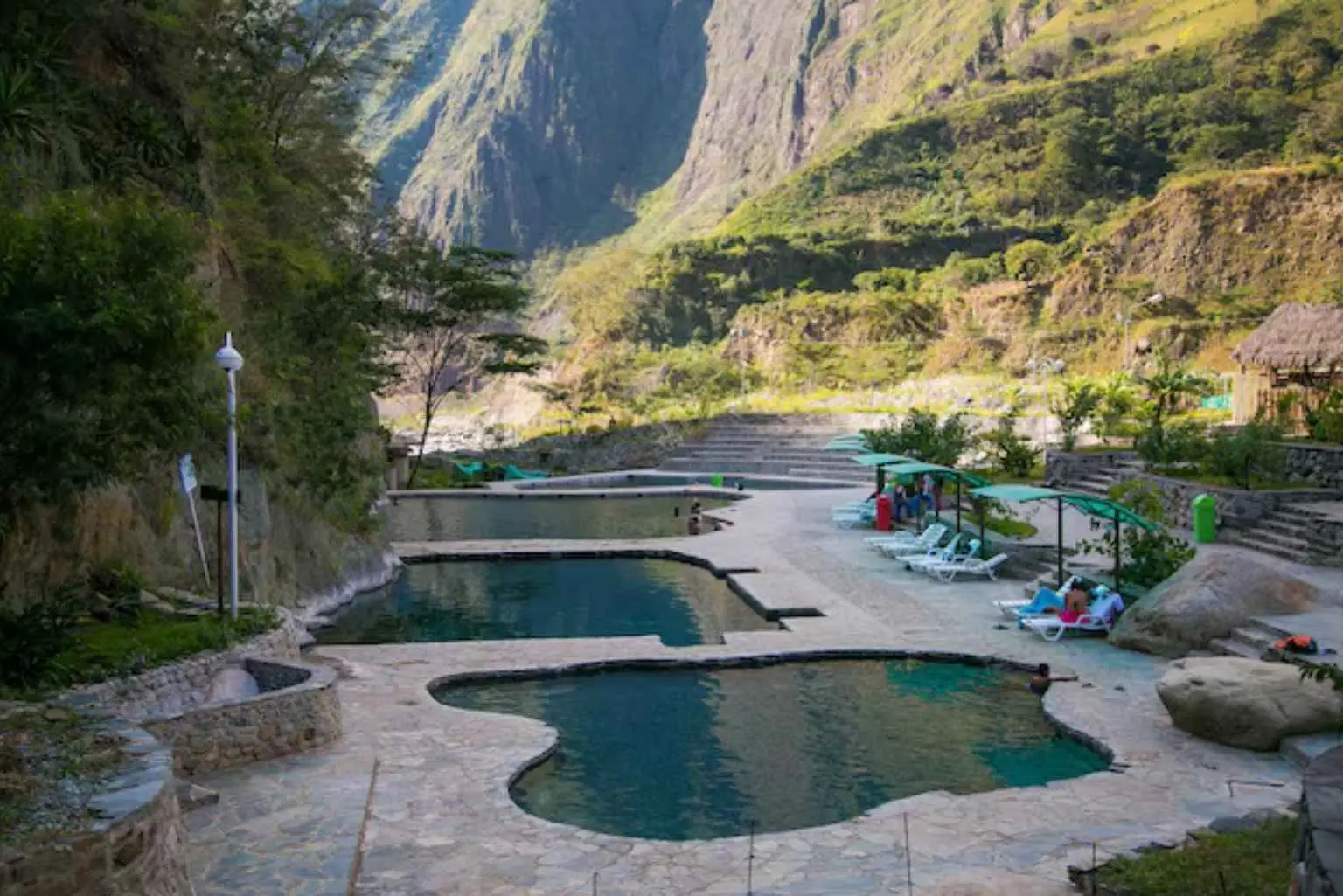
5. Baños Termales de Cocalmayo
Cocalmayo offers pools of warm water set between tall hills and still air. If you’re tired on your tour to Sacred Valley, take some time and relax here. The pools are of different temperatures, so you can alternate from one to another until you get the proper comfort level. The nearby river adds a steady rhythm. There are snacks and small shops near the entrance as well.
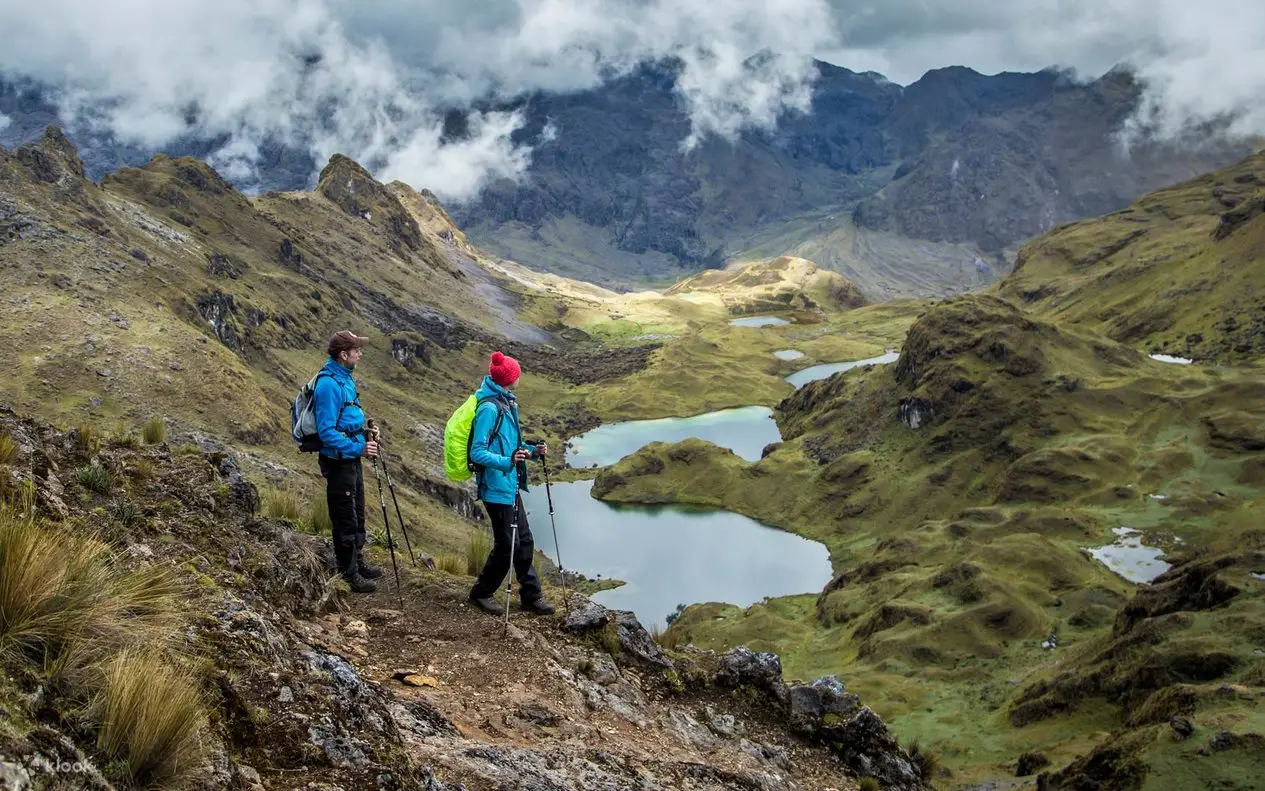
6. Lares Trek
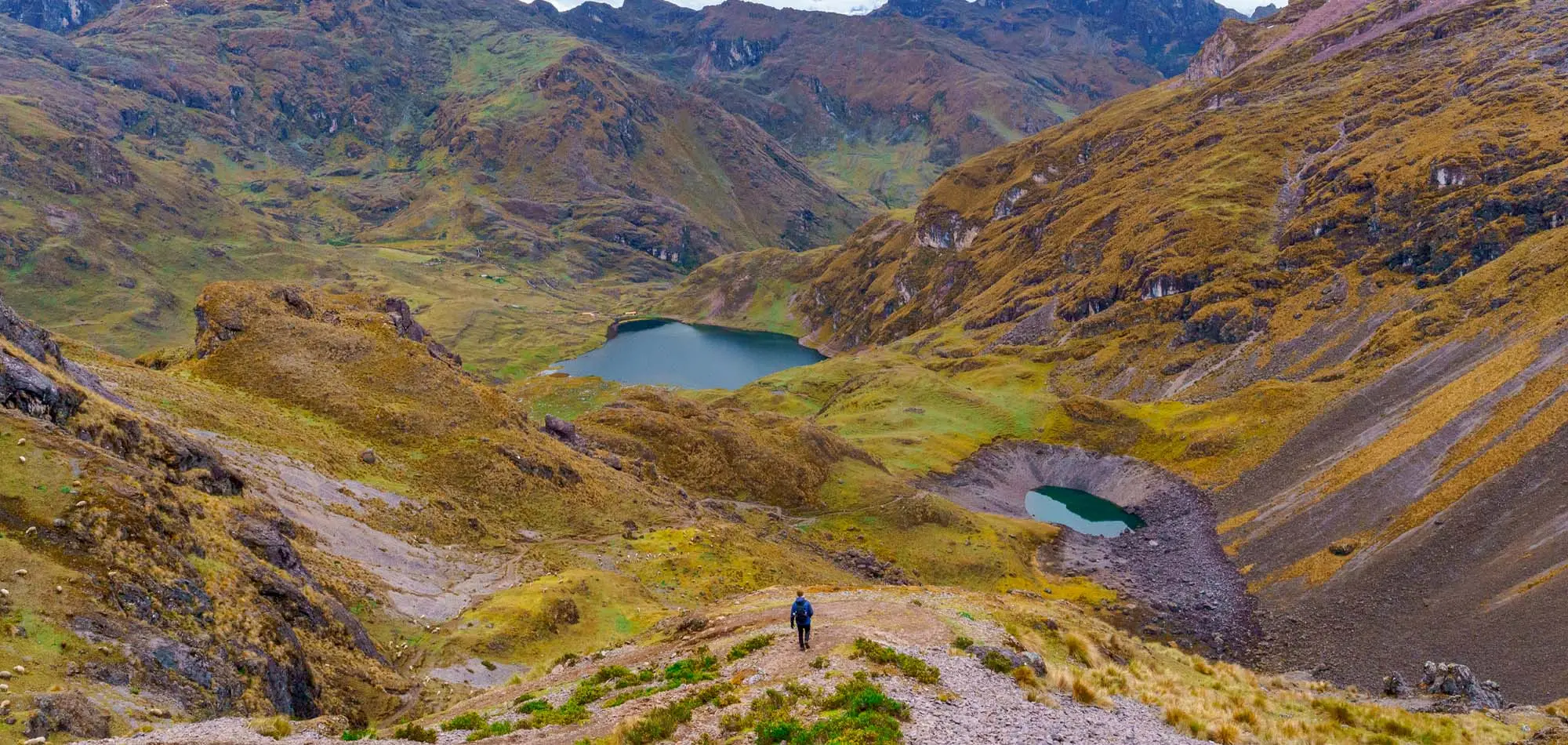
The Lares Trek passes through quiet villages, open fields, and high parts of the Peruvian sacred valley with wide views. It feels slower than the famous routes, giving people time to talk with locals and see daily life in the mountains. Children often wave as groups walk by, and herds of llamas graze near the paths. The air turns cold at night, so warm layers matter. The trek ends near the Sacred Valley, where the land opens up again.
Conclusion
Even if Machu Picchu is more well-known, the Sacred Valley still has its own set of amazing places and activities. It is a place that will help you uncover the secrets and facts of the ancient Incas. Every part of this valley invites quiet discovery.
Go Xplore Peru offers some of the best Cusco, Peru, vacation packages so you can experience every aspect of the Sacred Valley. Visit our website now and experience the best of Peru.
Maras Salt Ponds Tours and Travel Tips
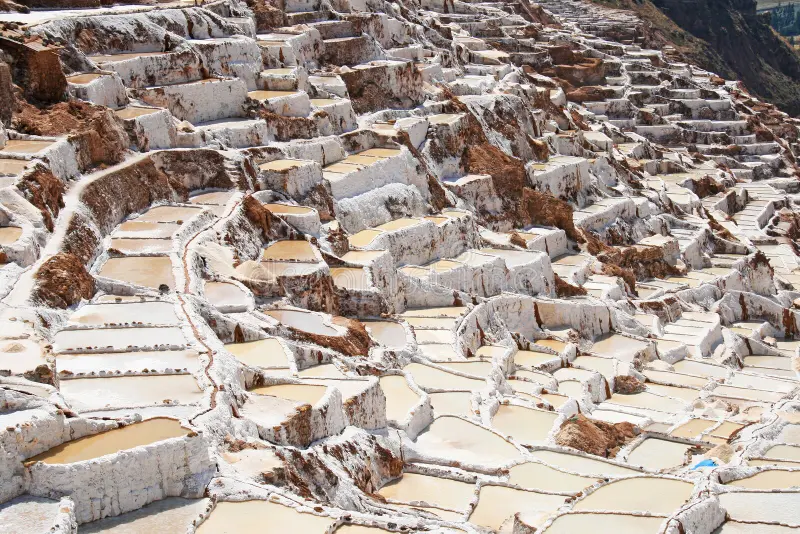
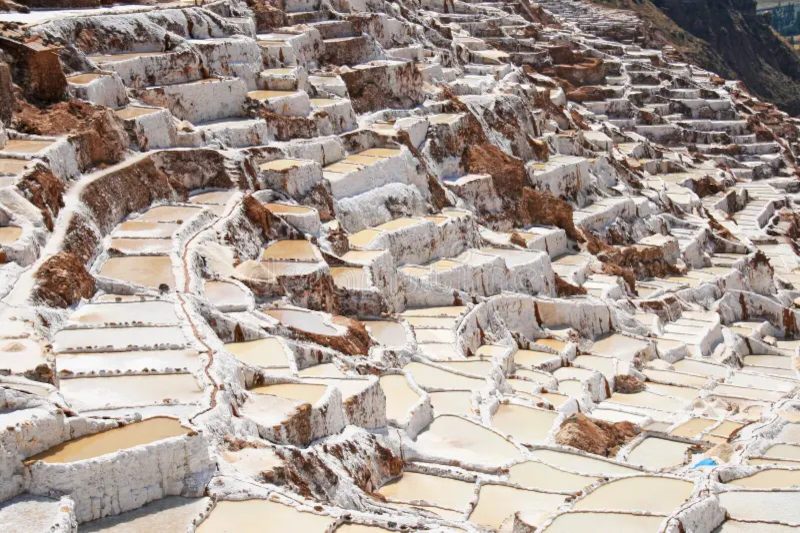
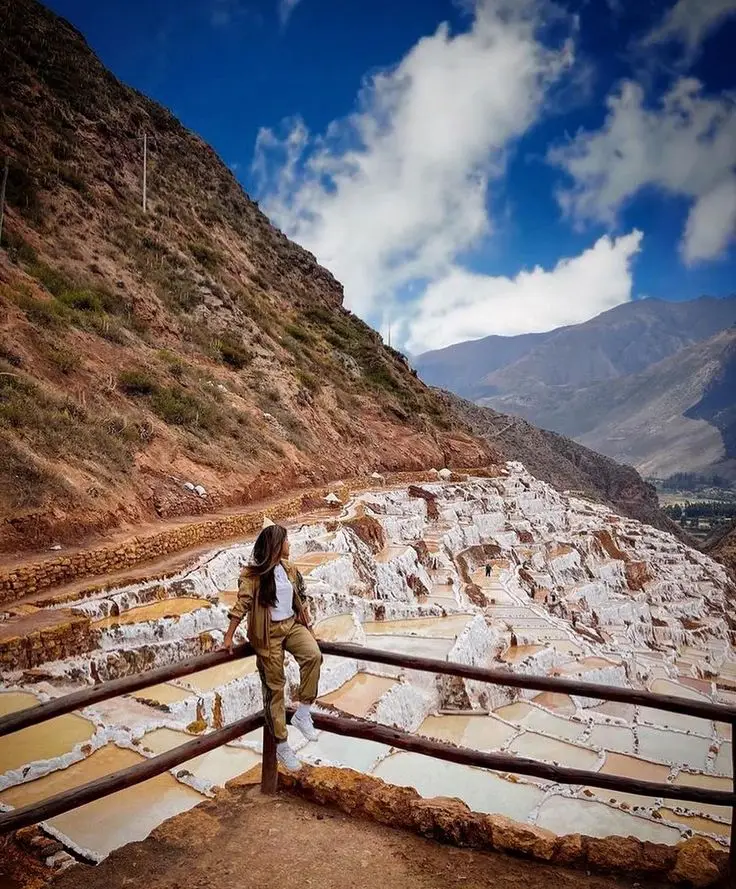
The Maras Salt Ponds are a marvel of ancient engineering. The ponds consist of thousands of small, shallow pools carved into the mountainside. They are fed by a subterranean spring that naturally emerges as a saline stream. As the water evaporates, it leaves behind a crust of pure salt, which has been harvested for centuries.
The methodical layout of the ponds, cascading down the mountainside, is a sight to behold. The process by which the salt is extracted from the earth is a delicate balance of nature’s elements and human ingenuity. Each pond functions as part of a larger network, working in harmony to ensure a steady supply of salt. This ancient technique has been passed down through generations, maintaining its relevance and importance in modern times.
Historical Significance
The salt pans date back to at least the time of the Incas, and some evidence suggests they may have been used even earlier. This long history showcases the continuity of Andean culture and the importance of salt in trade and daily life. The Maras Salt Ponds are a living testament to the skill and knowledge of the Andean people, who have managed this complex system for generations.
The significance of salt in ancient Andean societies cannot be overstated. It was not only a vital preservative but also a valuable trading commodity. The salt from Maras was exchanged for goods and services, making it an essential part of the local economy. Understanding the historical context of the Maras Salt Ponds offers insight into the social and economic dynamics of the region throughout history.
The Process of Salt Harvesting
Salt harvesting at Maras is a communal activity, with many local families owning individual ponds. The process begins when saline water is directed into the ponds. As the sun evaporates the water, salt crystals form on the surface. Workers then carefully scrape the salt and transport it for cleaning and packaging. This traditional method yields several grades of salt, including a prized pink salt that is highly valued for its mineral content.
The communal nature of salt harvesting at Maras is a reflection of the tightly-knit social fabric of Andean communities. Each family takes pride in their individual ponds, yet they work together to ensure the success of the entire operation. This cooperative system not only sustains the local economy but also preserves the cultural heritage of salt production. The pink salt, rich in minerals, has gained international recognition, adding a modern twist to this ancient practice.
Planning Your Visit
When planning a visit to the Maras Salt Ponds, it is essential to consider the best time to travel, how to get there, and what to expect during your tour.
Best Time to Visit
The best time to visit the Maras Salineras is during the dry season, from April to October. During this period, the weather is mild, and the evaporation process is most active, allowing for a more vibrant display of salt pools. The dry season also offers clearer skies, perfect for photography.
Visiting during the dry season ensures a more comfortable experience, as the lack of rain makes the paths around the ponds easier to navigate. The vibrant hues of the salt pools against the backdrop of the rugged Andean landscape create stunning photographic opportunities. Additionally, the dry season coincides with various local festivals, providing a chance to immerse yourself in the cultural vibrancy of the region.
Getting There
The Maras Salt Ponds are located about 40 kilometers (25 miles) from Cusco. Most tours to the salt ponds depart from the city, often combining visits to nearby attractions like Moray and Chincheros.
By Car or Bus: You can reach Maras by hiring a private car or joining a group tour from Cusco. The journey takes approximately 1.5 hours.
By Train: Although there is no direct train service to Maras, you can take a train from Cusco to Ollantaytambo and then continue by car or taxi.
For those seeking a more adventurous route, hiking or biking tours are also available, offering a closer connection to the breathtaking landscape of the Sacred Valley. Opting for these alternative modes of transport provides a unique perspective and the opportunity to explore hidden gems along the way. Regardless of how you choose to travel, the journey itself is an integral part of the Maras Salt Ponds experience.
What to Expect
A visit to the Maras Salt Ponds is a sensory experience. The dazzling white salt pans contrast with the surrounding mountains, creating a surreal landscape. As you walk among the ponds, you’ll witness the traditional salt harvesting process and have the opportunity to purchase locally produced salt products.
Engaging with the local community is a highlight of the visit, as artisans and salt workers often share their stories and expertise with visitors. Tasting the distinct flavors of different salt varieties adds a culinary dimension to the experience. The environment is peaceful and meditative, encouraging visitors to slow down and appreciate the intricate beauty of the salt ponds and their surroundings.
Nearby Attractions
The Sacred Valley of the Incas is rich in cultural and historical sites. Combining a visit to the Maras Salt Ponds with nearby attractions provides a comprehensive understanding of the region.
Moray
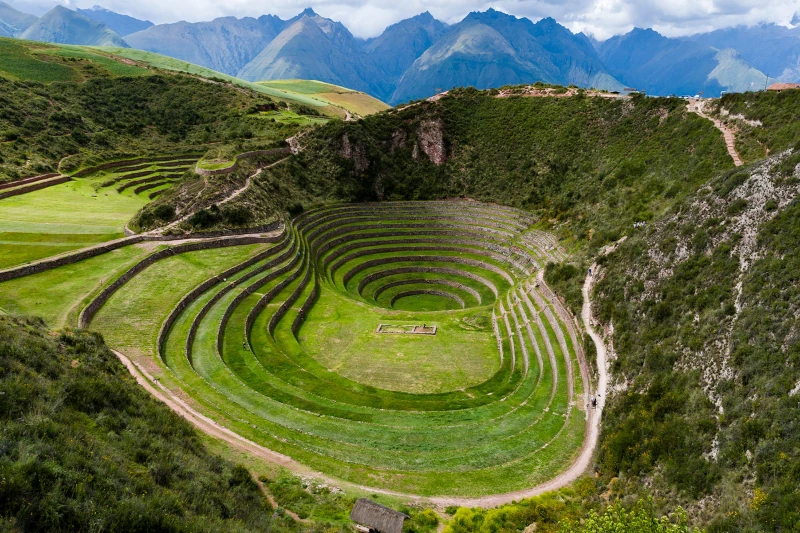
Moray is an archaeological site located just a short drive from Maras. It features a series of concentric terraces that the Incas used as an agricultural laboratory. The unique microclimates created by these terraces allowed for the cultivation of various crops. Moray is an excellent complement to the Maras Salt Ponds, showcasing the agricultural ingenuity of the Incas.
The innovative design of Moray’s terraces reveals the Incas’ advanced understanding of agriculture and climate. These structures were likely used to experiment with different crop varieties, optimizing agricultural practices for the varied Andean environment. Visiting Moray offers a fascinating glimpse into the scientific prowess of the heart of inca Civilization and their ability to adapt to and thrive in challenging conditions.
Chincheros
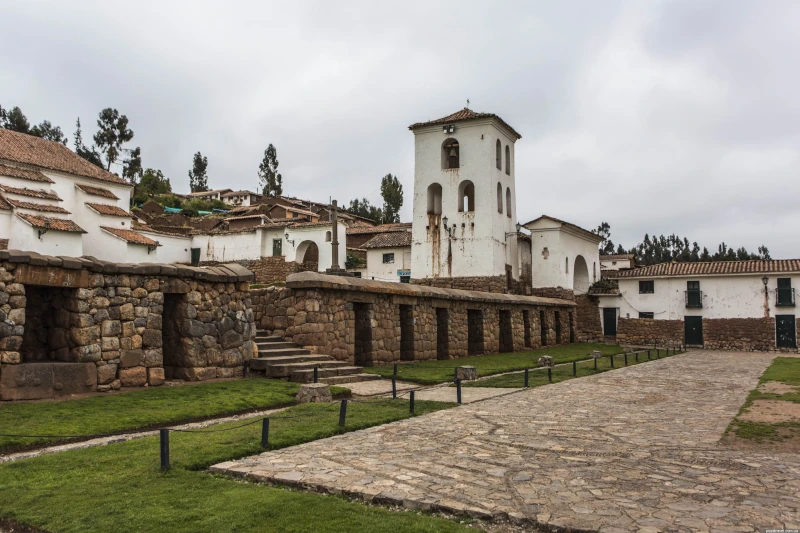
Chinchero, known as the “Birthplace of the Rainbow,” is a charming village with vibrant markets and stunning views of the Andes. The town is famous for its traditional weaving techniques, passed down through generations. A visit to Chincheros offers insight into Andean textile arts and provides a chance to purchase authentic handmade goods.
Exploring Chincheros allows visitors to witness the intricate process of textile production, from spinning and dyeing to weaving. The vibrant colors and patterns of the textiles reflect the rich cultural heritage of the Andes. Engaging with local weavers provides a deeper appreciation for their craftsmanship and dedication to preserving these ancient traditions. The village’s lively market is a sensory delight, offering a wide array of handcrafted goods and local produce.
Tips for a Memorable Visit
To make the most of your Maras Salt Ponds tour, consider the following tips:
Dress Appropriately: Wear comfortable walking shoes and bring layers, as temperatures can vary throughout the day.
Stay Hydrated: The high altitude of the Sacred Valley can be challenging, so drink plenty of water and take it slow to avoid altitude sickness.
Capture the Moment: Bring a camera to capture the stunning landscapes and vibrant culture of the region.
Respect Local Customs: The Maras Salt Ponds are a working site, so be mindful of workers and follow any posted guidelines.
Consider hiring a local guide to enrich your understanding of the site’s history and the salt-harvesting process. Guides can offer unique insights and personal stories that enhance your experience. Additionally, supporting local businesses by purchasing souvenirs or dining in nearby restaurants contributes to the community’s economy and sustainability.
Conclusion
A visit to the Maras Salt Ponds is a journey into the heart of Andean history and culture. This remarkable site offers a glimpse into the past and the enduring traditions of the Andean people. By exploring the Maras Salt Ponds and the surrounding attractions, travelers can deepen their appreciation for the rich tapestry of Andean civilizations.
Incorporating these travel tips and insights into your itinerary will ensure a memorable experience that resonates long after you leave the Inca Valley. As you explore this extraordinary region, you’ll discover the profound connections between the land, its people, and their enduring cultural heritage. The Maras Salt Ponds, with their timeless beauty and historical significance, are a testament to the resilience and creativity of ancient Andean societies, inviting you to embark on a journey of discovery and reflection.
Top Places to Visit During a Cusco City Tour
As you land in Cusco, the altitude wraps around your body like an old friend who has forgotten personal space. Every breath at such a height feels like a victory. Cusco is often viewed as just a stopover on the way to Machu Picchu. But once you take Cusco Peru tours, you will realize that the ancient capital has a lot of beautiful locations. So, let’s explore the places you must check out on your Cusco Peru city tour.
Cusco Tours and Notable Places
After the half-day tour of Cusco, you will have seen the remains of an ancient empire. But the night belongs to the warm city that was built around it. Moreover, here are some places you can’t afford to miss!
Qorikancha
Sacsayhuamán
Tambomachay
Puka Pukara
Q’enqo
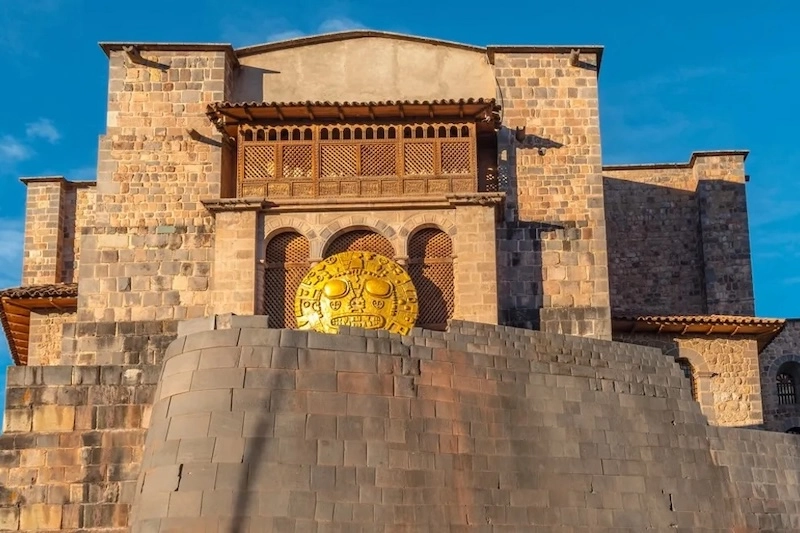
1. Qorikancha: Where Gold Once Breathed
It is now located inside the Convent of Santo Domingo. To pass through the simple door of a colonial building is to send the world askew. The walls are rounded, and volcanic stone charms your eye.
Temple of the Sun.
Perfect Inca stonework.
Gold-covered sacred walls.
Colonial church overlay.
Trapezoidal light windows.
Center of the universe.
The trapezoid windows of the Incas were created to allow the sunlight to enter, hence the reason why you are in the center of their world. You hear less of the outside noise inside these walls, once covered in sheets of gold that shone like the sun.
2. Sacsayhuamán: The Fortress That Defies Gravity
The city disappears within ten minutes. Sacsayhuaman is revealed in megalithic stone terraces, with some stones taller and heavier than houses. The zigzag walls form the shape of the sacred Puma, whose body is Cusco, and are incredibly impressive.
Massive megalithic stones.
Puma-shaped city design.
Zigzag defensive walls.
Earthquake-proof construction.
Panoramic Cusco views.
Ancient military might.
You can walk along the zigzags and wonder how humans could have built such a thing. You finally realize why the Incas did not fear invasion when the red light of the evening turns the valley and city roofs into embers.
3. Q’enqo: The Limestone Labyrinth
Tremendous outcroppings of rock have been cut away to make passages and gullies that are like lightning in a block. The underground tunnels are cool and reeking with centuries and earth. Some say that the carvings are constellations yet to be named.
Enigmatic carved tunnels.
Underground ritual chambers.
Lightning-bolt rock channels.
Possible mummification site.
Sacred limestone hill.
Hidden Inca secrets.
Some believe bodies were prepared for travel west. Whatever the truth is, the moment you emerge from darkness and into the blinding sun of the highlands, you feel mesmerized.
4. The Red Sentinel: Puka Pukara
There are terraces, aqueducts, and watchtowers all over the hillside. Going up the old military road, you can imagine Inca messengers, out of breath, coming to the fringes of the empire with their messages.
Red fortress ruins.
Ancient military outpost.
Strategic valley views.
Terraced watchtowers.
Inca road system.
Rust-colored stone walls.
The only intruders today are curious alpacas and tourists. However, it still feels like a strategic place, as if you were guarding a world borrowed for a day.
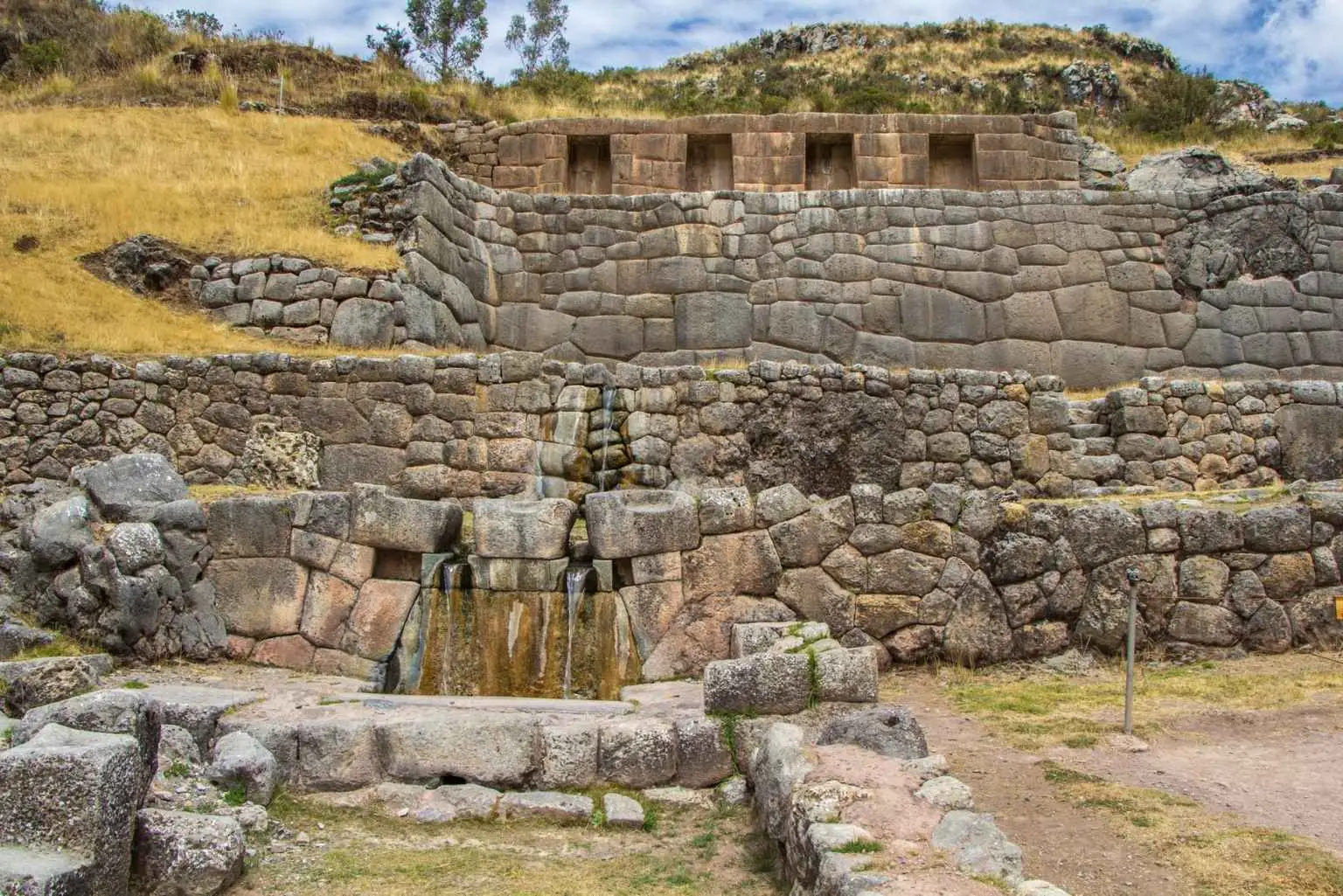
5. Tambomachay: Where Water Still Sings the Inca Songs
You can tell when you hear water running that something is sacred. The crystal streams cascade down the stone channels carved with great care. You can feel it here.
Eternal sacred springs.
Perfect water channels.
Inca hydraulic mastery.
Emperor’s bath site.
Pure mountain water.
Sound of eternity.
People often drink the pure water or make wishes while listening to its sound. Some people even close their eyes while listening and let the sounds erase the stress. Your Cusco tour will no longer be a list, but a lasting memory.
A Day After Cusco Peru City Tour
The city changes again when the van returns to you at the Plaza de Armas during golden hour. San Blas is a place where you can find a coffee shop or café smelling of fresh coffee and tea behind every door.
San Blas artistry.
Coca tea cafés.
Street panpipe music.
Living Inca legacy.
Evening mountain magic.
Golden hour plaza.
Cusco Peru Tours With A Notable Name
Stop planning on your own and let us arrange your Cusco City Tour Half-Day itinerary. Trust Go Xplore Peru and secure your spot on one of the best Cusco Peru City Tour!
Hotel pickups.
Local guides.
Proper information.
Entrance fees.
Positive reviews.
Custom itineraries.
Conclusion
The city tour Cusco will make you work hard, climb high, and breathe deeply. You will understand why the Incas considered this valley a sacred and spiritual place. Finally, your different tours Cusco await and are only a few steps away when you plan them with Go Xplore Peru!
Aguas Calientes Hotels Where to Stay Near Machu Picchu
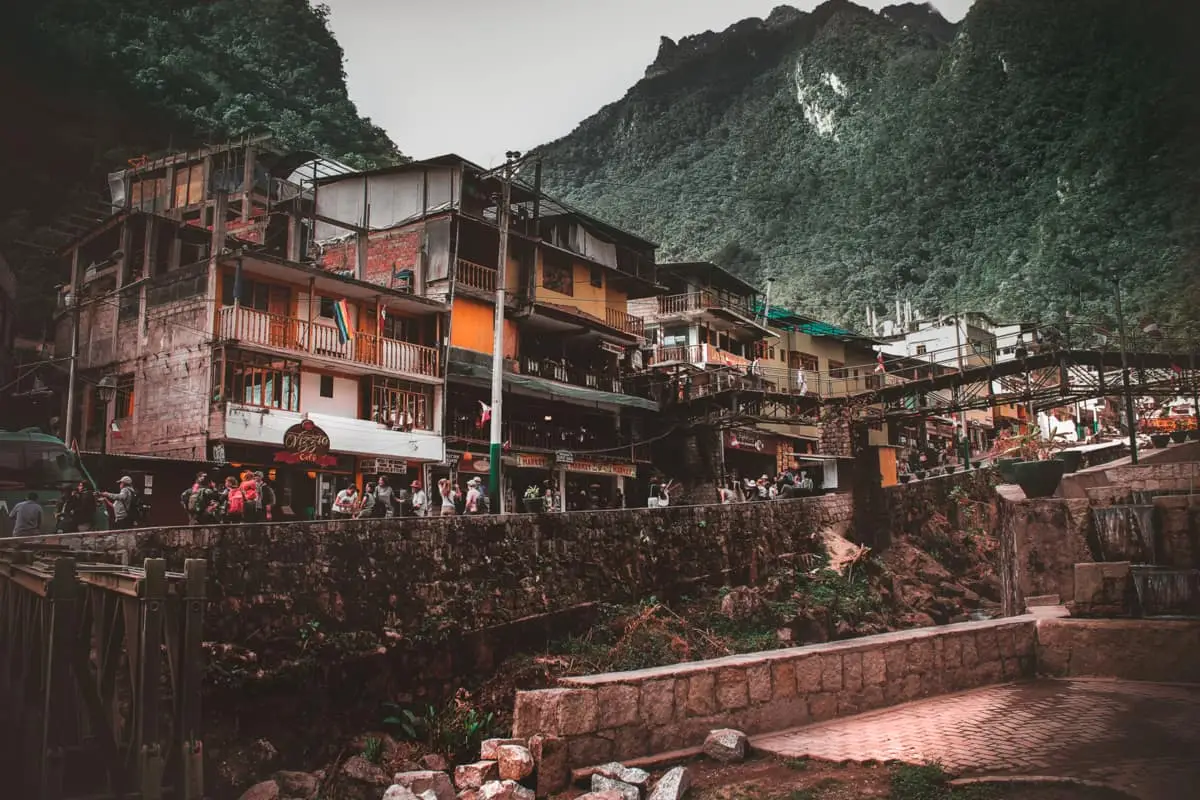
The enchanting town of Aguas Calientes, nestled in the embrace of Peru’s Sacred Valley, serves as the gateway to the awe-inspiring Machu Picchu. This small yet vibrant town offers more than just a stepping stone to the legendary Inca citadel; it provides an immersive cultural experience that echoes the rich heritage of the Andean civilizations. For those planning a journey to Machu Picchu, choosing the right place to stay in Aguas Calientes can significantly enhance your travel experience. Here’s a guide to the top hotels in Aguas Calientes, where history meets hospitality in a setting of breathtaking natural beauty.
Aguas Calientes, officially known as Machupicchu Pueblo, is more than just a gateway to the iconic ruins; it’s a town that offers a unique blend of cultural richness and natural splendor. As you stroll through its streets, you can sense the echoes of ancient Inca trails and appreciate the town’s efforts to preserve its indigenous roots. The surrounding lush green mountains and the roaring Urubamba River create a picturesque backdrop that complements the town’s quaint charm.
A Glimpse into Aguas Calientes’ History
Despite its modern allure, Aguas Calientes boasts a fascinating history. Originally a small agricultural village, it transformed into a bustling tourist hub with the discovery of Machu Picchu in 1911 by Hiram Bingham. This transformation underscores the town’s adaptability and its integral role in the region’s tourism industry. The town’s growth mirrors the increasing global interest in Machu Picchu, making it a focal point for those eager to explore the ancient Incan civilization.
The Cultural Significance of Aguas Calientes
Aguas Calientes is named after its hot springs, which provide a relaxing retreat for travelers. However, the town’s significance extends beyond its thermal waters. It is a testament to the resilience and continuity of Andean cultures, showcasing traditional Quechua influence in its architecture, markets, and local cuisine. As you explore, you’ll encounter a fusion of ancient traditions and contemporary life, offering a fascinating glimpse into the region’s past and present.
Natural Wonders Surrounding Aguas Calientes
The natural beauty surrounding Aguas Calientes is nothing short of breathtaking. The town sits at the meeting point of lush jungles and towering mountains, offering a vibrant ecosystem rich in biodiversity. Also the Urubamba River, with its rushing waters, provides both a soothing soundtrack and a reminder of the area’s natural vitality. The flora and fauna here are diverse, with a myriad of bird species and exotic plants that contribute to the region’s ecological tapestry.
Top 5 Hotels Near Machu Picchu
Choosing the right accommodation is crucial for making the most of your visit to this mystical land. Here are the top five hotels in Aguas Calientes, each offering a unique blend of comfort, cultural immersion, and proximity to Machu Picchu.
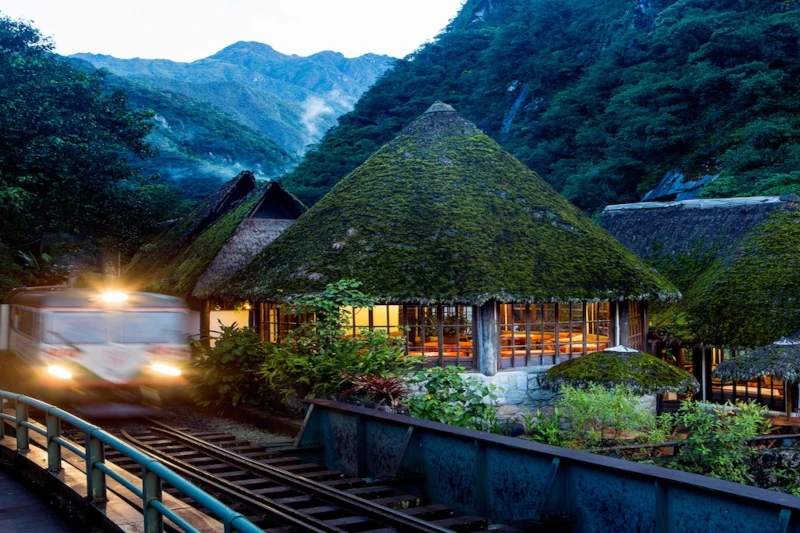
1. Inkaterra Machu Picchu Pueblo Hotel
The Inkaterra Machu Picchu Pueblo Hotel is an oasis of tranquility amidst the lush Andean cloud forest. Spread over 12 acres, this eco-friendly retreat is renowned for its dedication to preserving the local ecosystem and cultural heritage. Guests can enjoy guided tours of the hotel’s stunning orchid garden and participate in bird-watching excursions. The rustic yet luxurious rooms offer spectacular views of the surrounding mountains and the Urubamba River.
An Eco-Friendly Retreat
Inkaterra Machu Picchu Pueblo Hotel stands out for its commitment to sustainability and environmental conservation. The hotel practices include using renewable energy sources and implementing waste reduction strategies. These efforts not only protect the surrounding biodiversity but also provide guests with an eco-conscious lodging experience. Staying here means contributing to the preservation of the unique flora and fauna that define the region.
Cultural Activities and Experiences
Guests at Inkaterra can immerse themselves in local culture through various activities organized by the hotel. From traditional weaving demonstrations to guided tours of nearby archaeological sites, there is no shortage of ways to connect with the region’s cultural heritage. These experiences enrich your stay, offering insights into the daily life and traditions of the Andean people.
Luxurious Accommodations in Nature
The hotel’s accommodations are designed to blend seamlessly with the natural environment, offering guests a peaceful retreat. Each room is thoughtfully decorated with local textiles and art, creating a warm and inviting atmosphere. Waking up to the sounds of the jungle and the sight of the misty mountains is an experience that guests cherish long after their stay.
2. Sumaq Machu Picchu Hotel
Sumaq Machu Picchu Hotel prides itself on delivering an authentic Peruvian experience. The hotel’s design is inspired by Inca architecture, featuring rich textiles and traditional artwork. Guests can indulge in a culinary journey through Peruvian cuisine at the hotel’s restaurant, which serves dishes prepared with locally sourced ingredients. Sumaq also offers cultural activities, such as Andean cooking classes and traditional ceremonies, enriching your stay with unforgettable cultural insights.
A Culinary Journey Through Peru
At Sumaq, dining is an integral part of the experience, with a menu that showcases the rich flavors of Peruvian cuisine. The restaurant’s chefs use local ingredients to create dishes that are both traditional and innovative. Guests can savor everything from classic ceviche to modern interpretations of Andean staples, each dish telling a story of the region’s culinary heritage.
Inca-Inspired Design and Décor
The hotel’s design pays homage to the Inca civilization, with architecture and décor that reflect its influence. The use of natural materials and traditional patterns creates an authentic ambiance that transports guests back in time. This thoughtful design enriches the overall experience, making every moment spent at Sumaq feel like a journey into the past.
Engaging Cultural Activities
Sumaq offers a range of cultural activities that allow guests to engage with local traditions. From learning to cook traditional Andean dishes to participating in authentic ceremonies, these experiences provide a deeper understanding of the region’s cultural fabric. The hotel’s commitment to cultural preservation ensures that guests leave with a greater appreciation for the rich history of the Andes.
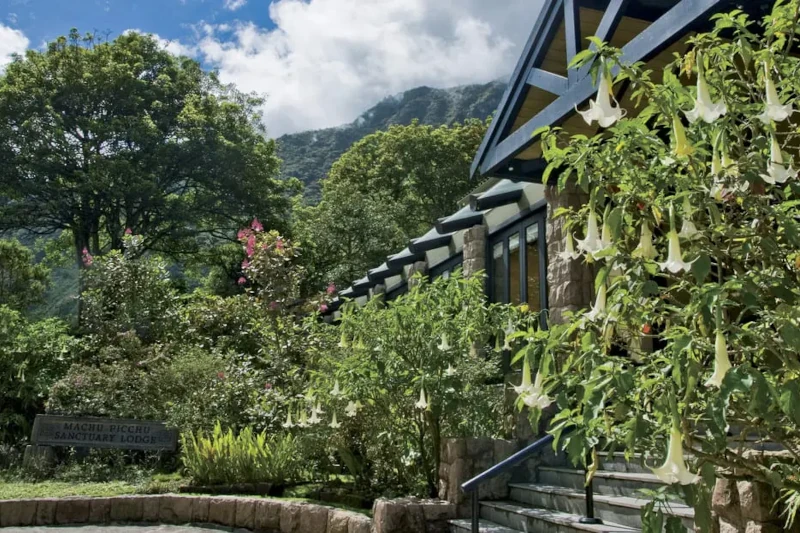
3. Belmond Sanctuary Lodge
As the only hotel located at the entrance to Machu Picchu, the Belmond Sanctuary Lodge offers unparalleled proximity to the ancient site. This location allows guests to experience the magical serenity of Machu Picchu at sunrise and sunset, avoiding the usual crowds. The lodge provides luxurious amenities and personalized service, ensuring a memorable stay that complements the mystical allure of the Inca ruins.
Exclusive Access to Machu Picchu
Staying at the Belmond Sanctuary Lodge means having the privilege of early and late access to Machu Picchu. Guests can explore the site during the quiet hours, experiencing its beauty without the crowds. This exclusive access allows for a more intimate connection with the ancient citadel, enhancing the overall experience.
Luxury and Comfort at the Doorstep of History
The lodge offers a range of luxurious amenities designed to make your stay as comfortable as possible. From plush bedding to gourmet dining options, every detail is crafted to ensure relaxation and indulgence. The personalized service provided by the staff adds to the sense of luxury, making guests feel pampered and well-cared for during their visit.
Immersive Experiences at the Lodge
Belmond Sanctuary Lodge offers a variety of experiences that enrich your stay. Guests can participate in guided tours, enjoy spa treatments inspired by local traditions, or simply relax in the tranquil gardens. Each experience is designed to deepen your connection to the mystical surroundings and enhance your appreciation of Machu Picchu.
4. El MaPi by Inkaterra
El MaPi by Inkaterra is a stylish, modern hotel that offers a comfortable base for exploring Machu Picchu. Located in the heart of Aguas Calientes, it provides easy access to local attractions and the train station. The hotel’s eco-friendly practices and emphasis on sustainability reflect a commitment to preserving the natural beauty of the region. Guests can relax in the cozy lounge or enjoy a refreshing cocktail at the bar after a day of adventure.
Modern Comfort Meets Eco-Conscious Living
El MaPi combines contemporary design with eco-friendly practices to offer a comfortable and sustainable lodging option. The hotel uses energy-efficient systems and environmentally friendly materials in its construction and operations. This commitment to sustainability ensures that guests can enjoy modern comforts while minimizing their environmental impact.
Convenient Location and Accessibility
Situated in the bustling center of Aguas Calientes, El MaPi provides guests with easy access to the town’s attractions and transportation options. The convenient location means that guests can effortlessly explore the area, whether it’s visiting local markets or catching the train to Machu Picchu. This accessibility makes El MaPi an ideal choice for travelers seeking both comfort and convenience.
Relaxation and Leisure in Style
The hotel’s amenities are designed to offer guests a chance to unwind after a day of exploration. The cozy lounge provides a welcoming space to relax, while the bar serves up refreshing cocktails and local beverages. These leisure facilities enhance the overall experience, allowing guests to recharge and prepare for another day of adventure.
5. Tierra Viva Machu Picchu
Tierra Viva Machu Picchu blends contemporary comfort with traditional Andean hospitality. The hotel’s warm and inviting atmosphere is complemented by its convenient location near the town center and the bus station to Machu Picchu. Guests can start their day with a hearty breakfast buffet featuring local specialties before embarking on their journey to the ancient citadel.
A Blend of Tradition and Modernity
Tierra Viva offers a unique blend of modern amenities and traditional Andean hospitality. The hotel’s design incorporates elements of local culture, creating an inviting atmosphere that feels both familiar and exotic. This blend of old and new makes Tierra Viva a welcoming retreat for travelers seeking an authentic experience.
Convenient Access to Machu Picchu
Located near the bus station and the town center, Tierra Viva provides easy access to Machu Picchu and other local attractions. The convenient location allows guests to maximize their time exploring the area, making it an excellent choice for those eager to experience everything Aguas Calientes has to offer.
A Taste of Local Flavors
The hotel’s breakfast buffet features a selection of local specialties, providing guests with a taste of the region’s culinary delights. From freshly baked bread to traditional Andean dishes, the buffet offers a delicious start to the day. This focus on local flavors enriches the overall experience, connecting guests with the rich culinary traditions of the Andes.
Exploring the Inca Trails and Beyond
Aguas Calientes is not only the base for visiting Machu Picchu but also a starting point for exploring the legendary Inca trails. These ancient pathways offer a unique opportunity to connect with the landscape and history of the Andes. Whether you’re embarking on a multi-day trek or a shorter hike, the trails provide a deeper appreciation for the ingenuity and resilience of the Inca civilization.
The Classic Inca Trail
The Classic Inca Trail to Machu Picchu 4 days is a bucket-list trek for many adventurers. This four-day journey takes you through diverse ecosystems, from cloud forests to alpine tundra, culminating in a dramatic sunrise entrance to Machu Picchu. Along the way, you’ll encounter archaeological sites that offer insights into the life and culture of the Incas.
Diverse Ecosystems and Scenic Beauty
The Classic Inca Trail traverses a range of ecosystems, offering trekkers a chance to experience the region’s diverse natural beauty. From the lush cloud forests teeming with wildlife to the stark beauty of the alpine tundra, each section of the trail presents a new and breathtaking landscape. This diversity is one of the many factors that make the Inca Trail an unforgettable adventure.
Archaeological Sites Along the Way
As you trek the Classic Inca Trail, you’ll come across several archaeological sites that provide a glimpse into the Inca civilization. These sites, often shrouded in mist and mystery, offer a fascinating look at the architectural and engineering prowess of the Incas. Each site tells a story of the past, adding depth to the overall trekking experience.
The Grand Finale: Machu Picchu at Sunrise
The culmination of the Classic Inca Trail is the awe-inspiring view of Machu Picchu at sunrise. Arriving at the Sun Gate as the first light of day illuminates the ancient citadel is a moment that leaves a lasting impression. This experience is often described as magical, providing a sense of connection to the history and spirituality of the Andes.
Alternative Inca Trails
For those seeking a less-traveled path, alternative Inca trails such as the Salkantay or Lares treks offer equally stunning vistas and cultural encounters. These routes take you through remote villages where Quechua-speaking communities maintain traditional lifestyles, providing a glimpse into the enduring legacy of Andean culture. For more information check: Machu Picchu magic 4 days.
The Salkantay Trek: A Journey Through Diverse Landscapes
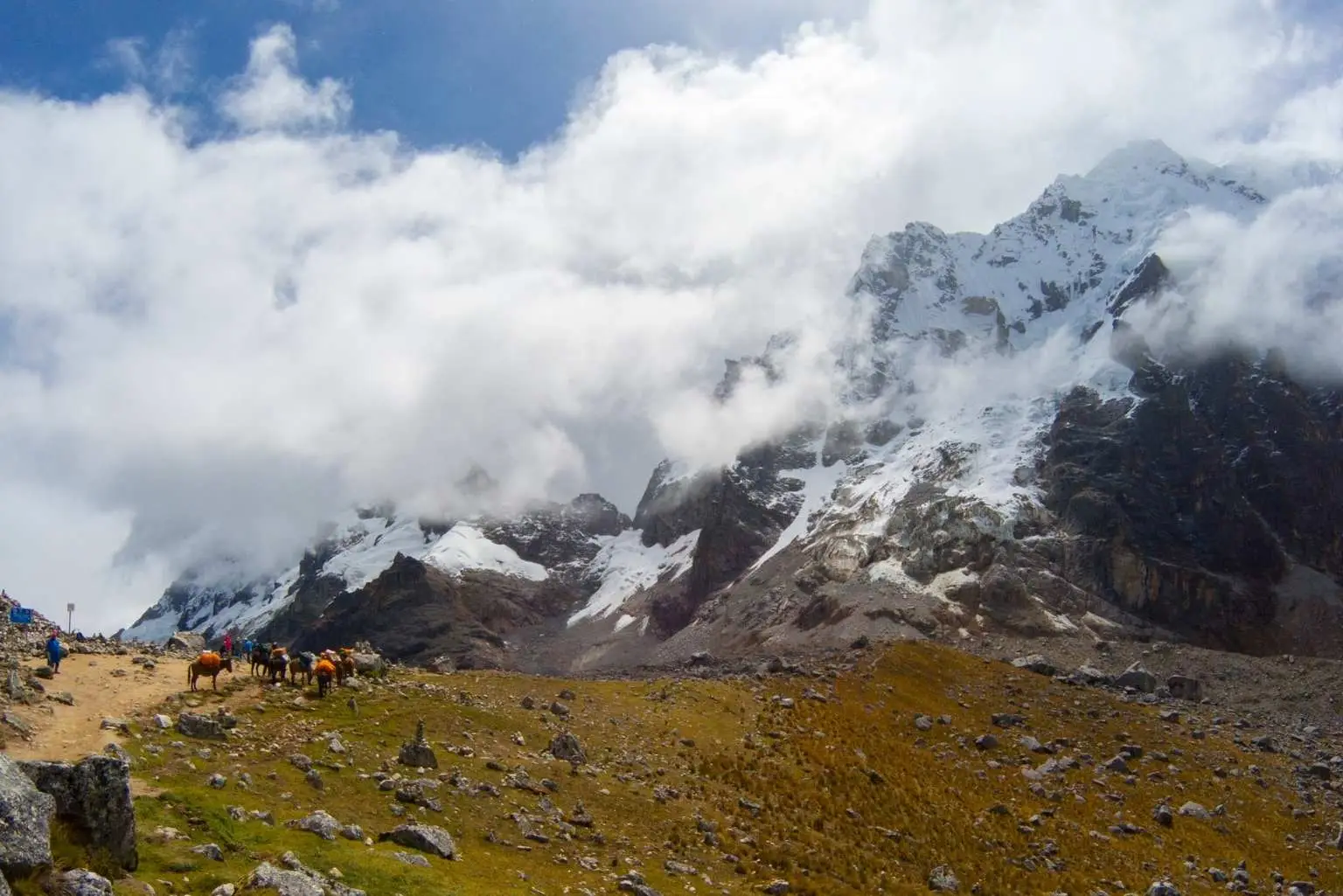
The Salkantay Trek is a popular alternative to the Classic Inca Trail, offering a challenging yet rewarding journey through diverse landscapes. Trekkers will traverse high mountain passes and descend into lush valleys, experiencing the full range of the region’s natural beauty. Moreover the trek is known for its stunning views of the Salkantay Mountain, one of the highest peaks in the region.
The Lares Trek: Cultural Immersion in Andean Villages
The Lares Trek offers a unique opportunity to immerse yourself in the cultural traditions of the Andes. This route takes you through remote villages where Quechua-speaking communities continue to live according to ancient customs. Interacting with these communities provides a deeper understanding of the Andean way of life, enriching the trekking experience with cultural insights.
Choosing the Right Trek for You
When deciding between the Classic Inca Trail and alternative routes, it’s important to consider your interests and physical abilities. Each trail offers its own unique experiences and challenges, so choosing the right one depends on what you hope to gain from the journey. Whether you’re seeking cultural immersion or a physically demanding adventure, there is an Inca trail that will meet your expectations.
Embracing the Spirit of the Andes
A journey to Aguas Calientes and Machu Picchu is more than a travel experience; it’s an opportunity to immerse yourself in the spirit of the Andes. From the vibrant markets filled with local crafts to the breathtaking vistas of the Sacred Valley, every moment is a chance to connect with the rich tapestry of Andean civilization.
Experiencing Local Markets and Crafts
The markets of Aguas Calientes offer a vibrant array of local crafts and goods, providing a window into the region’s artistic traditions. From intricately woven textiles to handcrafted jewelry, these markets are a treasure trove of cultural artifacts. Exploring the stalls allows visitors to engage with local artisans and gain a deeper appreciation for the skill and creativity that define Andean craftsmanship.
The Sacred Valley: A Landscape of Awe and Inspiration
The Sacred Valley is renowned for its breathtaking landscapes, where towering mountains and verdant valleys create a scene of unparalleled beauty. This region, once the heartland of the Inca Empire, offers numerous opportunities for exploration and adventure. Whether you’re trekking through the mountains or visiting ancient ruins, the Sacred Valley is a place that inspires awe and reverence.
Inca Trail Altitude Guide Acclimatization Tips
The Sacred Valley of the Incas, known for its fertile land and stunning scenery, serves as the starting point for many trekkers heading to Machu Picchu. The valley’s altitude ranges from 2,800 meters (9,186 feet) to 3,000 meters (9,842 feet) above sea level, making it an ideal place to begin your acclimatization process.
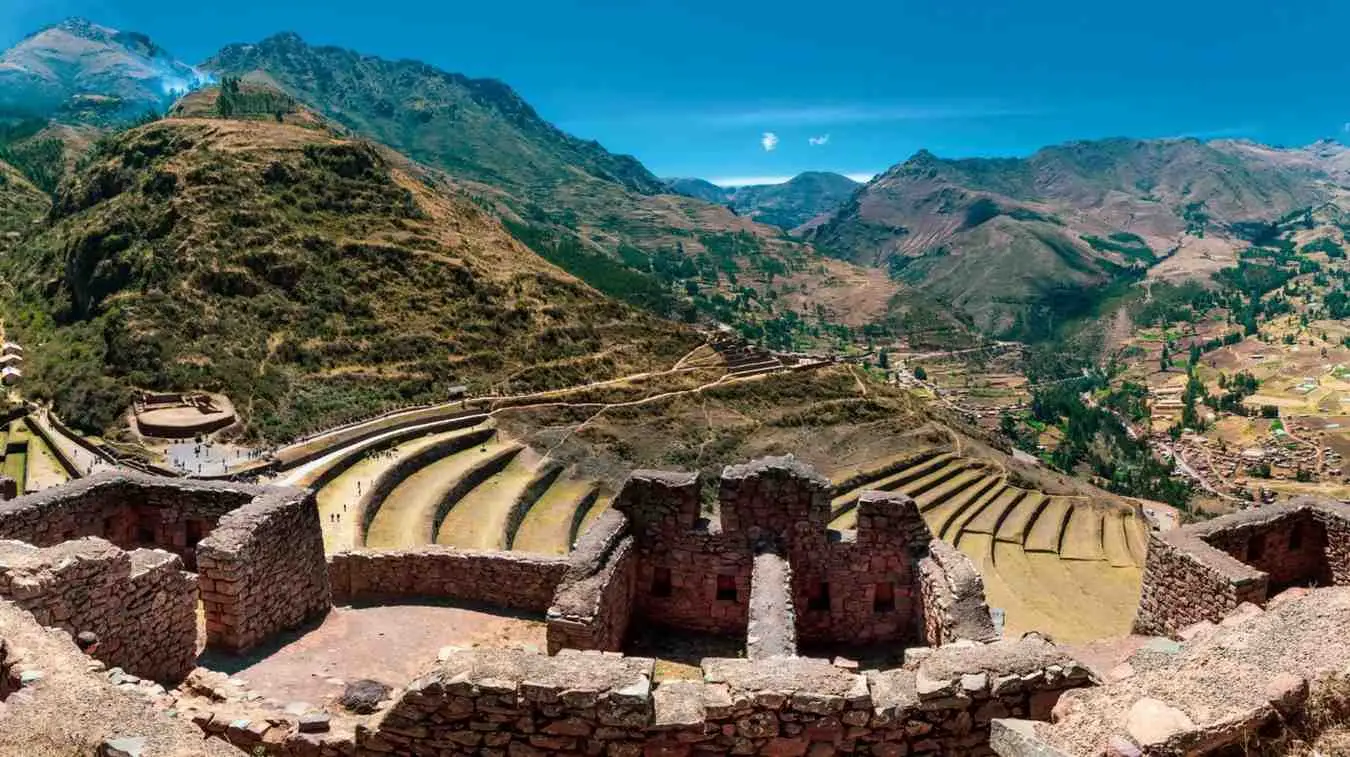
Spending a few days here not only helps your body adjust to the altitude but also offers a chance to explore the rich cultural heritage of the area. The valley is dotted with picturesque towns and villages such as Pisac and Ollantaytambo, each offering unique insights into the life and traditions of the Andean people.
Cultural Significance of the Sacred Valley
The Sacred Valley is more than just a scenic backdrop; it was a vital region for the Inca civilization. The valley’s fertile plains allowed the Incas to cultivate crops that were essential for sustaining their empire. Corn, potatoes, and quinoa were among the staples that not only fed the local population but also were integral in trade across the empire.
As you explore this region, you’ll encounter ancient ruins, traditional markets, and vibrant communities that offer a glimpse into the enduring legacy of the Inca culture. The architecture and agricultural terraces in the valley are a testament to the ingenuity and adaptability of the Inca people, who were able to thrive in such a diverse and challenging environment.
Altitude Acclimatization: Why It Matters
Acclimatization is the process of allowing your body to adjust to the lower oxygen levels found at high altitudes. This physiological adaptation is crucial for preventing altitude sickness, which can occur when you ascend to higher elevations too quickly. Failing to acclimatize properly can lead to altitude sickness, a condition that can range from mild headaches and dizziness to more severe symptoms like nausea and shortness of breath. In extreme cases, altitude sickness can develop into high altitude pulmonary edema (HAPE) or high altitude cerebral edema (HACE), both of which require immediate medical attention. Understanding the signs and symptoms of altitude sickness is essential for all trekkers, as prompt action can prevent complications.
Tips for Altitude Acclimatization
Take It Slow: Gradually increase your altitude to give your body time to adjust. Spend a few days in Cusco or the Sacred Valley before heading to higher elevations. The gradual ascent allows your body to produce more red blood cells, improving oxygen transport and minimizing the risk of altitude sickness.
Stay Hydrated: Dehydration can exacerbate the symptoms of altitude sickness. Drink plenty of water and avoid alcohol, which can increase dehydration. Proper hydration also aids in the acclimatization process by helping maintain circulation and oxygen delivery to tissues.
Eat Lightly: Heavy meals can be hard to digest at high altitudes. Opt for light, carb-rich foods that provide energy without taxing your digestive system. Foods rich in carbohydrates are particularly beneficial as they require less oxygen for metabolism compared to proteins and fats.
Rest and Relax: Don’t overexert yourself in the first few days. Allow your body to rest and recover from the stress of travel and altitude changes. Gentle activities such as light walks and yoga can help maintain fitness without overstraining your body.
Alternative Treks: Exploring the Lares Trek
If you’re looking for an alternative to the bustling Inca Trail tour, the Lares Trek offers a unique experience. This trek takes you through remote Andean villages, providing a chance to immerse yourself in the local culture while enjoying stunning mountain vistas. The trek typically ranges between 3,200 meters (10,498 feet) and 4,200 meters (13,779 feet), so proper acclimatization is crucial. The Lares Trek is less crowded than the Inca Trail, offering a more intimate and serene experience, perfect for those looking to connect more deeply with the natural surroundings and local communities.
Cultural Highlights of the Lares Trek
The Lares Trek is renowned for its cultural richness. As you journey through the Andean highlands, you’ll encounter traditional Quechua-speaking communities, where ancient weaving techniques and customs are still practiced. These communities offer a warm welcome to trekkers and often share their knowledge of traditional crafts and farming methods. This trek offers a deeper understanding of the indigenous cultures that have thrived in these mountains for centuries. The chance to participate in local customs and see firsthand the craftsmanship that goes into traditional textiles adds a rich layer to the trekking experience, making it as much a cultural journey as it is a physical one.
Aguas Calientes: Gateway to Machu Picchu
Nestled at the base of Machu Picchu, Aguas Calientes is the final stop before reaching the ancient citadel. At 2,040 meters (6,693 feet), it offers a significant drop in altitude, which can be a relief after days spent trekking at higher elevations. This small town is bustling with activity, offering a range of accommodations, restaurants, and hot springs for weary travelers to enjoy. The town’s proximity to Machu Picchu makes it a convenient base for exploring the ruins, and its vibrant atmosphere provides a lively contrast to the serene landscapes encountered during the trek.
Preparing for Machu Picchu
Reaching Machu Picchu is the highlight of any trek in the Andes. To make the most of your visit, consider the following tips:
Book in Advance: Tickets to Machu Picchu and the Huayna Picchu hike are limited, so secure your spot well ahead of time. Planning ahead ensures you have access to the site on your preferred dates and can also help avoid last-minute disappointments.
Hire a Guide: A knowledgeable guide can enrich your experience by providing insights into the history and significance of the site. Guides can share stories and facts that bring the ancient city to life, enhancing your appreciation of the Inca civilization’s achievements.
Start Early: Arriving early not only helps you avoid the crowds but also allows you to witness the magical sunrise over the ruins. The early morning light casts a golden hue over the stone structures, creating a breathtaking scene that is both peaceful and awe-inspiring.
Preventing Altitude Sickness: Practical Tips
Altitude sickness can affect anyone, regardless of age or physical fitness. Here are some practical tips to help prevent it:
Consider Medication: Consult your doctor about medications like acetazolamide, which can help prevent altitude sickness. This medication helps your body adjust to high altitudes more quickly by altering the acid-base balance in your blood, enhancing your breathing rate.
Monitor Your Symptoms: Be aware of how you’re feeling and take action if you experience symptoms. Descend to a lower altitude if symptoms persist. Early detection and response to symptoms can prevent more severe health issues and allow you to continue enjoying your trek.
Use Oxygen Supplements: Portable oxygen canisters are available in local pharmacies and can provide temporary relief if needed. While not a substitute for proper acclimatization, they can offer quick assistance in managing symptoms during emergencies.
Conclusion: Embrace the Journey
Trekking the Inca Trail to Machu Picchu 4 days or exploring alternative routes like the Lares Trek is a journey through time and culture. By understanding the importance of altitude acclimatization and taking steps to prevent altitude sickness, you can fully embrace the adventure and the cultural tapestry of the Andean regions. Whether you’re marveling at the engineering feats of Machu Picchu or engaging with local communities, this experience promises to leave a lasting impression. The journey is as much about personal growth as it is about exploration, offering opportunities to learn, connect, and reflect.
Prepare wisely, respect the local culture, and let the spirit of the Andes guide your steps. With the right mindset and preparation, your journey to the heart of the Inca Empire will be both rewarding and unforgettable. Embrace the challenges and triumphs along the way, and you will return with stories and memories that will inspire others to embark on their own adventures.
Best Time of the Year to Do the Salkantay Trek
Have you gone on a lovely hike that was unforgettable? Planning the Salkantay trek to Machu Picchu is not that conceptually different. But before you start tossing things in a backpack and packing your bags, it is good for you to also have some general ideas about when to go. Your overall trekking experience is quite partially based on the weather, crowds, and even the condition of the trail. So, if you are the backpacking-type traveler who has roughly planned on doing this renowned Peru Salkantay Trek, it is all covered right here for you.
Why Timing Matters For the Salkantay Trek to Machu Picchu
This is the question almost every tourist will ask. But think about this: would you truly want to visit this incredible place in the rainy season? Nah, because no one appreciates being soaked and dealing with unsafe trekking conditions. So, go to the Salkantay treks in the dry season, which is usually May to September. Now, you will be able to enjoy:
Clear, crisp mountain views
Dry trail conditions
More stable weather
Cool but comfortable hiking temperatures
Wet Season Realities on the Peru Salkantay Trek
If you’re considering trekking anytime from November to March, make sure that you’re aware of the following issues and plan accordingly:
Slippery trails
Frequent showers, sometimes lasting all day
Reduced visibility of the mountains
Risk of landslides in some sections
That said, we have seen some experienced hikers actually prefer to hike the trip in the wet season. This is mainly because they experience the lush green landscape, and who doesn’t have a soft spot for a nice view!
Shoulder Season Magic for Salkantay Trek 5 Days
In case you’re planning to book a Salkantay Trek 5-day route, the shoulder seasons are something you must be aware of: You’ll get a sweet balance of:
Fewer crowds
Much better visibility compared to the wet season
Mild temperatures
Less competition for campsites and tour slots
This way, you’ll be getting all the benefits of dry and wet weather, and also, we’ve seen a lot of seasoned hikers say that October offers the best view of Salkantay Mountain.
What Each Month Feels Like on Salkantay Treks
Here’s a gist of what each of the above months will offer you:
January-March: Peak rainy season
April: Beginning of the shoulder season.
May: Ideal weather and start of the popular trekking window
June – August: best weather but also the busiest.
September: less crowded than July/August
October: favorite month for many.
November-December: Rain returns
Your Salkantay Trek Packing List Changes With the Season
Here’s a quick question. Have you ever gone on a beautiful trek with all the planning and yet forgotten to bring in the essentials? Yeah, we’ve all been there, and just so it doesn’t happen again, keep on reading the list of things that you must carry with yourself:
Dry Season Essentials
Warm layers for cold nights
Breathable hiking shirts
Sun protection
Lightweight rain jacket (weather can still surprise you)
Wet Season Must-Haves
Waterproof hiking boots
Poncho or heavy-duty rain jacket
Extra socks
Waterproof backpack cover
Quick-drying layers
Choosing Salkantay Trek Tour Operators Based on Season
You can be the most experienced trekker and yet need the right tour guide, mainly because many trails can be unpredictable. That’s why you must always choose an operator that’s reliable and has a good reputation and expertise. This way, you can just enjoy the trek without worrying about the right pathways or any safety concerns. Here’s what you must look out for while going for a service provider:
High-quality gear
Experienced mountain guides
Flexible itineraries
Safety protocols for rain-heavy trails
When Is the “Worst” Time to Go For the Salkantay Trek
As expert tour operators, we’ve seen that most of the people who come for this trek struggle during the months of January and February. Why? Simply because you’ll witness landslides, extreme cold and rainfall, and we’ve seen even the best operators cancel their treks during this time.
Conclusion
By now, you must’ve gotten the basic idea of how to go ahead with the Salkantay trek.Still, if you have some questions, we’d suggest you go through more details on your own. After all, no one wants to reach the destination unprepared. The last vital thing that’s very important is the tour operator that you’ll choose, because while reliable guidescan elevate your experience, the wrong ones can make it stressful. Go Xplore Peru makes your trip effortless. Book now and enjoy a hassle-free tour.
Sun Gate Machu Picchu Highlights What Makes It Special
The journey to the Sun Gate is often the culmination of a trek along one of the most famous routes in the world, the Inca Trail. This ancient pathway is not just a physical journey but a spiritual one, tracing the footsteps of the Incas through stunning Andean landscapes. Each step along the trail is imbued with historical significance, as the path itself was once trodden by messengers and pilgrims on their way to the sacred city of Machu Picchu.
For those who take the Salkantay Trek or the classic Inca Trail, reaching the Sun Gate is a reward for their perseverance and dedication. Moreover anticipation builds with every mile, as trekkers are driven by the promise of the unparalleled views that await them.
The Inca Trail: A Path Through History
The Inca Trail to Machu Picchu 4 days is a 26-mile trek that weaves through mountain passes, lush cloud forests, and ancient ruins. It is a living testament to the engineering prowess and spiritual depth of the Incan civilization. Trekkers often begin their journey with a sense of anticipation, knowing that each step brings them closer to the magnificent views awaiting at the Sun Gate. The trail itself is dotted with archaeological sites, each telling a story of its own, adding layers of meaning to the journey. These sites, such as Wiñay Wayna and Phuyupatamarca, provide trekkers with glimpses into the daily lives and spiritual practices of the ancient Incas, offering context and connection to the past.
The Salkantay Trek: An Alternative Adventure
For those seeking a less crowded alternative to the Inca Trail, the Salkantay Trek offers a unique adventure. This route traverses high-altitude passes and diverse ecosystems, providing trekkers with a different perspective on the Andean world. While the Salkantay Trek does not lead directly to the Sun Gate, it offers an equally enriching experience, often culminating with a visit to Machu Picchu and the Sun Gate as the ultimate reward. The trek is renowned for its breathtaking scenery, including the towering Salkantay Mountain and the vibrant flora and fauna that thrive in its shadow. As trekkers navigate this challenging terrain, they are constantly reminded of the raw beauty and untamed spirit of the Andes.
The Significance of the Sun Gate
The Sun Gate holds a special place in the heart of Machu Picchu. It serves as the main entrance to the city from the Inca Trail tour, and its position offers a panoramic view of the site, particularly stunning at sunrise. But the significance of the Sun Gate extends beyond its breathtaking vistas. It embodies the cultural and spiritual ethos of the Incan civilization, acting as a symbolic threshold between the natural world and the divine. As visitors arrive at the Sun Gate, they are greeted not just with a view, but with an invitation to reflect on the harmony between humans and nature.
A Portal to the Sacred
In Incan culture, the Sun Gate was more than just an entryway; it was a portal to the sacred. The Incas had a profound relationship with nature and the cosmos, and the Sun Gate was a place where these elements converged. As the sun rises through the gate, it illuminates Machu Picchu, symbolizing the connection between the earthly and the divine. This moment is not just visually striking but spiritually resonant, reflecting the Incas’ reverence for the sun god, Inti. The Sun Gate’s alignment with the solstices also underscores its role as a spiritual calendar, guiding agricultural and ceremonial activities throughout the year.
Architectural Ingenuity
The construction of the Sun Gate showcases the Incas’ architectural ingenuity. Built with precise stonework, the gate is aligned with astronomical events, demonstrating the Incas’ advanced understanding of the natural world. This alignment allowed them to mark important dates in their calendar, a testament to their sophisticated knowledge of astronomy. The stones themselves, meticulously carved and fitted without mortar, stand as a testament to the Incas’ engineering prowess. This architectural marvel not only served practical purposes but also conveyed the Incas’ deep respect for the natural forces that shaped their world.
Experiencing Sunrise at Machu Picchu
One of the most magical experiences at Machu Picchu is witnessing the sunrise from the Sun Gate. As the first light of dawn breaks over the mountains, it casts a golden glow over the ancient city, bringing it to life. This moment of tranquility and awe is a highlight for many visitors, a chance to connect with the ancient past in a deeply personal way. The play of light over the ruins, revealing their grandeur as shadows recede, offers a powerful reminder of the passage of time and the enduring legacy of the Incas.
Preparing for the Sunrise
To experience the sunrise at the Sun Gate, visitors often rise before dawn and make their way up from Machu Picchu. The hike is moderate, taking about an hour, and the anticipation builds with each step. It is advisable to bring a flashlight, as the path can be dark in the early morning hours. As you ascend, the sky begins to lighten, hinting at the spectacle to come. The journey is part of the experience, offering moments of quiet reflection and the chance to witness the gradual awakening of the landscape around you.
The Spiritual Experience
Reaching the Sun Gate at sunrise is not just a visual treat; it is a spiritual experience. The interplay of light and shadow across the ruins evokes a sense of wonder and reflection. It is a moment to pause and appreciate the ingenuity of the Incas and the beauty of the natural world. Many visitors describe feeling a profound sense of peace and connection, a reminder of the timelessness of this sacred place. This shared experience, often accompanied by the quiet camaraderie of fellow travelers, fosters a sense of community and shared reverence for the history and heritage of Machu Picchu.
Preserving the Legacy of Machu Picchu
Machu Picchu tour is more than just a visitor destination; it is a cultural treasure. The preservation of the site and its surrounding areas is crucial for future generations to continue experiencing its magic. Efforts are ongoing to protect the delicate ecosystems and archaeological integrity of the region, ensuring that the legacy of the Incas endures. This involves balancing the needs of tourism with environmental conservation, a challenge that requires cooperation between local authorities, international organizations, and visitors themselves.
Sustainable Tourism Practices
As visitors to Machu Picchu, it is important to practice sustainable tourism. This includes following designated paths, respecting the natural environment, and supporting local communities. By doing so, we contribute to the preservation of this remarkable site and honor the cultural heritage of the Incas. Initiatives such as limiting daily visitor numbers and encouraging eco-friendly practices are vital to safeguarding Machu Picchu’s future. Travelers are also encouraged to educate themselves about the cultural significance of the site, promoting a deeper understanding and appreciation of its historical context.
Supporting Local Communities
Engaging with local communities and respecting their traditions is an integral part of the Machu Picchu experience. Many communities rely on tourism for their livelihood, and supporting local businesses and artisans helps sustain these cultures. By engaging with local guides and purchasing handmade crafts, visitors can enrich their understanding of the Andean world and contribute to its preservation. This support extends beyond economic benefits, fostering cultural exchange and mutual respect between visitors and the indigenous people who call this region home. Through these interactions, travelers can gain a richer, more authentic experience, while helping to preserve the traditions and way of life that make this region unique.
Conclusion
The Sun Gate of Machu Picchu is a gateway to wonder, offering an unparalleled view of one of the world’s most iconic sites. Its significance in Incan culture, coupled with the breathtaking beauty of the surrounding landscapes, makes it a highlight for any traveler. As we journey to the Sun Gate, we not only walk in the footsteps of the Incas but also connect with the enduring legacy of this remarkable civilization.
Whether through the Inca Trail or the Salkantay Trek, the experience is a testament to the timeless allure of Machu Picchu and the enduring spirit of the Andes. By embracing sustainable practices and engaging with local cultures, we ensure that the magic of Machu Picchu continues to inspire awe and reverence for generations to come.
Top Inca Valley Tours in Peru: Highlights & Travel Tips
There are indeed trips that reveal who you are. And the Inca Valley Peru, belongs to this latter category. It’s an ongoing dialogue between time and earth. Every arc of the monument is a reverberation of ancient memories and people. Therefore, when you visit The Sacred Valley of the Incas Peru, you’re walking through the pulse that remains strong beneath the stones and the soil. So, let’s learn more about the place and how Inca Valley tours in Peru are the way to go!
When you visit the Sacred Valley of the Incas Peru, you can also extend your journey with a Sacred Valley and Machu Picchu tour to witness two of Peru’s most breathtaking sites in one trip.
A Spirit Which Inspires the Valley
The mountains appear to move along with the clouds. The rivers flow gracefully, telling stories in ancient tongues. People, too, have the wisdom of the generations who were taught to live happily.
As you begin your Inca Valley tours, what initially strikes you isn’t elegance but grace. The way terraces connect to the hillsides, and how each stone is positioned with incredible precision.
The Secret Designs from Creation
The Incas believed that the Earth was alive; thus, they built their structures as if they were creating organs within it. Every terrace is a heartbeat within the larger lifeform.
Cosmic Earth design.
Celestial farming harmony.
Natural geometric balance.
Sacred human craftsmanship.
Energy flowing alignment.
Architectural spiritual intent.
If you are in the valley, your concept becomes real. The human hand made its mark not only to show off, but also for dedication. They knew what today’s architecture frequently overlooks on purpose.
Awakenings from Everyday Eternity
For a truly immersive experience of the Sacred Valley of the Incas, Peru, it is necessary to go beyond the massive and get into the everyday. Take note of how the fields’ colors change with the seasons and other details
Ancestral daily rituals.
Living cultural memory.
Slow mindful pace.
Organic seasonal flow.
Spirit within work.
Enduring human tradition.
Every action, such as sowing seeds or weaving cloths, bears the sound of something greater than survival. They are acts of remembering and quiet homages to the ancient ancestors whose wisdom is still guiding the hands of those who are not seen.
A Geography That Teaches
The mountains are a source of humbleness. The air helps develop patience. The soil is a teacher of perseverance. If you visit here, it becomes clear how nature is the most important Inca teacher, and the valley served as their school.
Nature’s silent wisdom.
Patience through stillness.
Lessons from geography.
Science meeting soul.
Earthly spiritual classroom.
Ancient natural knowledge.
They researched how light interacted with the stone, how water travelled through angles, and how the crops were affected by temperature. Every detail became an integral part of their architecture and their culture.
The Rhythm of the Unseen
In the Inca Valley, the tours reveal something many places have lost: a rhythm that is beyond the sound. It is evident at the beginning of each day, as the mist lingers in a low haze and you hear footsteps on old paths.
Quiet, timeless energy.
Mindful walking rhythm.
Breath of stillness.
Flowing inner balance.
Connection beyond time.
Peaceful natural harmony.
The same rhythm led the builders, the farmers, the dreamers from this valley. As you get used to it, every movement, not just your own, starts to flow with the rhythm.
Making preparations for the journey
You must be mentally prepared for the speed shift. It’s not about the hours, but instead about the minutes. It’s possible to feel thin air; however, it’s pure.
Simplicity over excess.
Presence over planning.
Breathe before movement.
Gentle mindful awareness.
Courage through stillness.
Transformation through travel.
It’s not a trip you can conquer by setting goals; it is a process that unfolds when you let go of the plans. The best travelers in this area aren’t people who are aware of what they’re doing.
An Adventure Begins through GoXplore Peru
Suppose you want to explore your experience of the Inca Valley in Peru in a way that is respectful of both its mysterious nature and its significance. In that case, Go Xplore Peru can help shape it.
Expert-guided journeys.
Deep cultural immersion.
Authentic mindful discovery.
Heartfelt human connection.
Peaceful, purposeful exploration.
Transformational travel experiences.
The journeys they offer are geared toward those who value connections over speed and consumption. The journey will be guided by local experts who know the valley’s language.
Conclusion
The Inca Valley in Peru remains with you after your journey as well. It’s also a representation of the humanity that can emerge when it listens to the land rather than masters it. Finally, through Go Xplore Peru, Peru travel tips, and experiences, curiosity transforms into a sense of connection.
FAQs
What makes Inca Valley unique?
It’s among the rare places where the natural world and human craft coexist in total harmony and preserve a sense of living faith.
Is Inca Valley suitable for all types of travelers?
Whether you’re seeking the arts, reflection, or excitement, the valley has events for every individual’s preferences.
What can tourists do to see the valley?
Slowing down, being respectful of locals, and allowing room for silence and observation.
What to pack for a great experience?
Walking shoes that are comfortable with breathable layers, water, and a heart that is open for a deep experience of the energy of the valley.
Why are Inca Valley tours good?
Since it was created according to natural cosmic patterns, forces, and human nature, it creates an eternal harmony that remains evident today.
Traditional Peruvian Dishes You Should Try on Your Trip
Peru is one of those countries where food holds deep cultural importance. From the Andes to the coast, every meal tells a story of its people and land. Traditional Peruvian Dishes is full of color, comfort, and surprise. It’s the simplest kind of cooking that makes the most of what nature provides. Such meals are a heritage of the past and an acknowledgment of the flavour. The recipes have survived for centuries and offer the taste of tradition and culture in the most delicious way possible.
In this blog, we will talk about ten of the most famous and delicious dishes of Peru. These are the ones that you absolutely cannot miss during your Cusco Peru tours.
Best Peru Traditional Food
We have made a list of top ten dishes that you absolutely cannot miss. When in Peru, try to have at least some of them. They will be worth your time. Here are the ten best dishes:
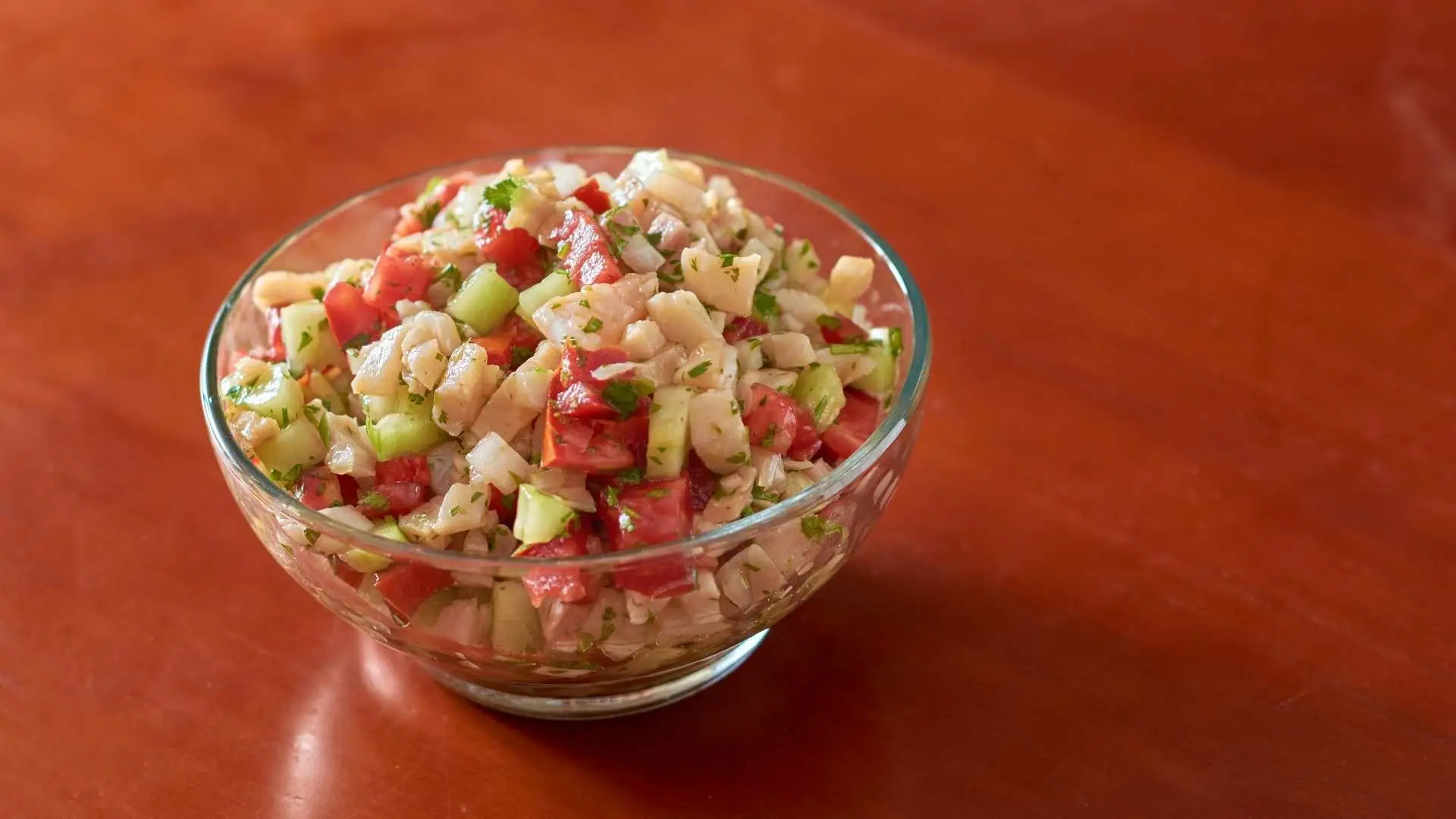
1. Ceviche
The country’s national dish is a coastal favourite. Fresh white fish is cut into cubes and soaked in lime juice. The lime “cooks” the fish, creating a sharp, bright flavor. If you eat it by the beach, you might just have the perfect Peruvian food experience.
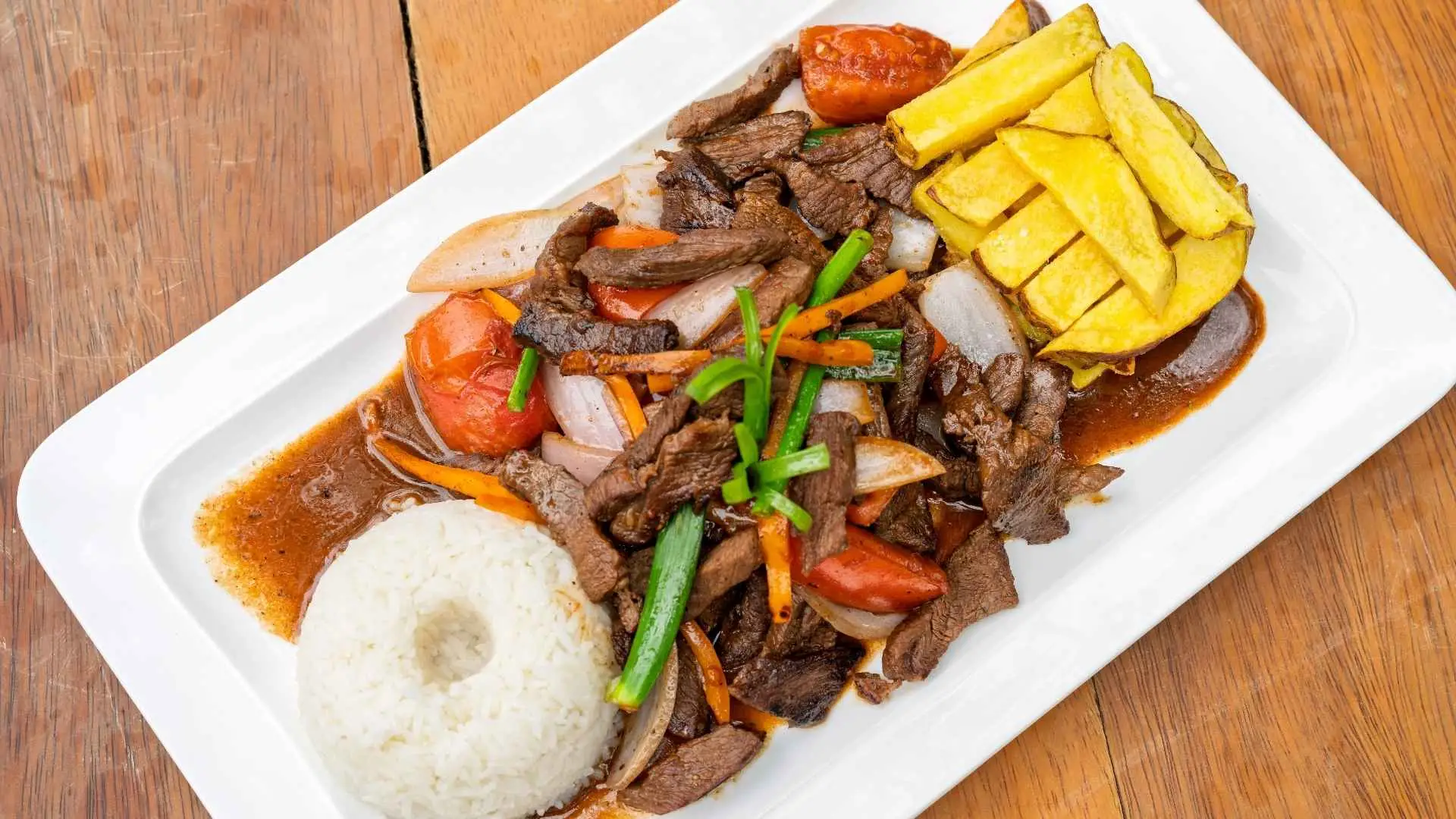
2. Lomo Saltado
This stir-fried beef incorporates local flavors along with Chinese methods. It uses short strips of beef, tomato, and onion, which are mixed with soy sauce and a little pisco. It is served with rice and fries.
3. Ají de Gallina
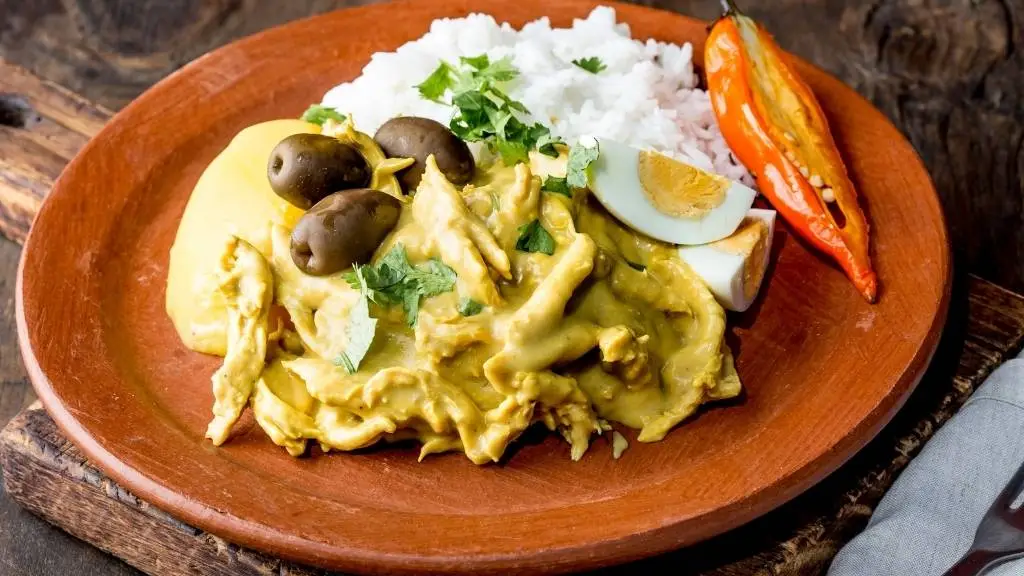
This is pure comfort food in Peru through and through. This sauce consists of ají peppers, bread soaked in milk, and cheese. It is a very mild and creamy preparation that is served with rice, a hard-boiled egg, and an olive. The local families make this dish on weekends. They enjoy it in the sunshine.
4. Papa a la Huancaína
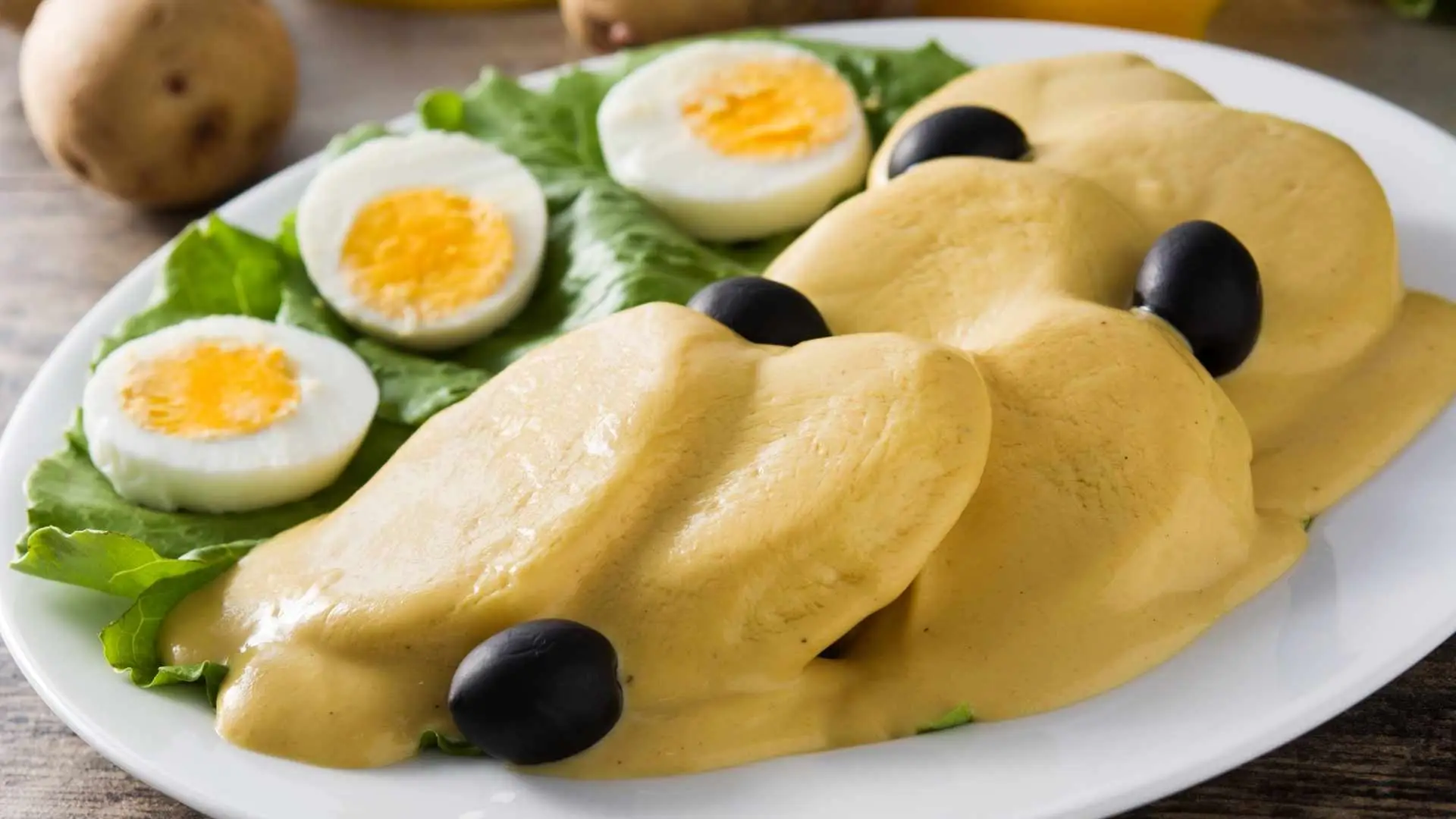
Simple and satisfying. Boiled potatoes are sliced and topped with a thick sauce of fresh cheese, yellow chili, oil, and milk. The sauce is rich yet fresh. It reminds us that potatoes originated in these mountains. You’ll find it at local markets and as a starter on most menus.
5. Causa a la limeña
It is a potato dish that is served cold. Firstly, potatoes are mashed with lime, chili, and oil. Then they are layered with the filling. The end result is a bright and fresh dish. This is just one way that shows how inventive Peruvians can be with basic ingredients.
6. Anticuchos
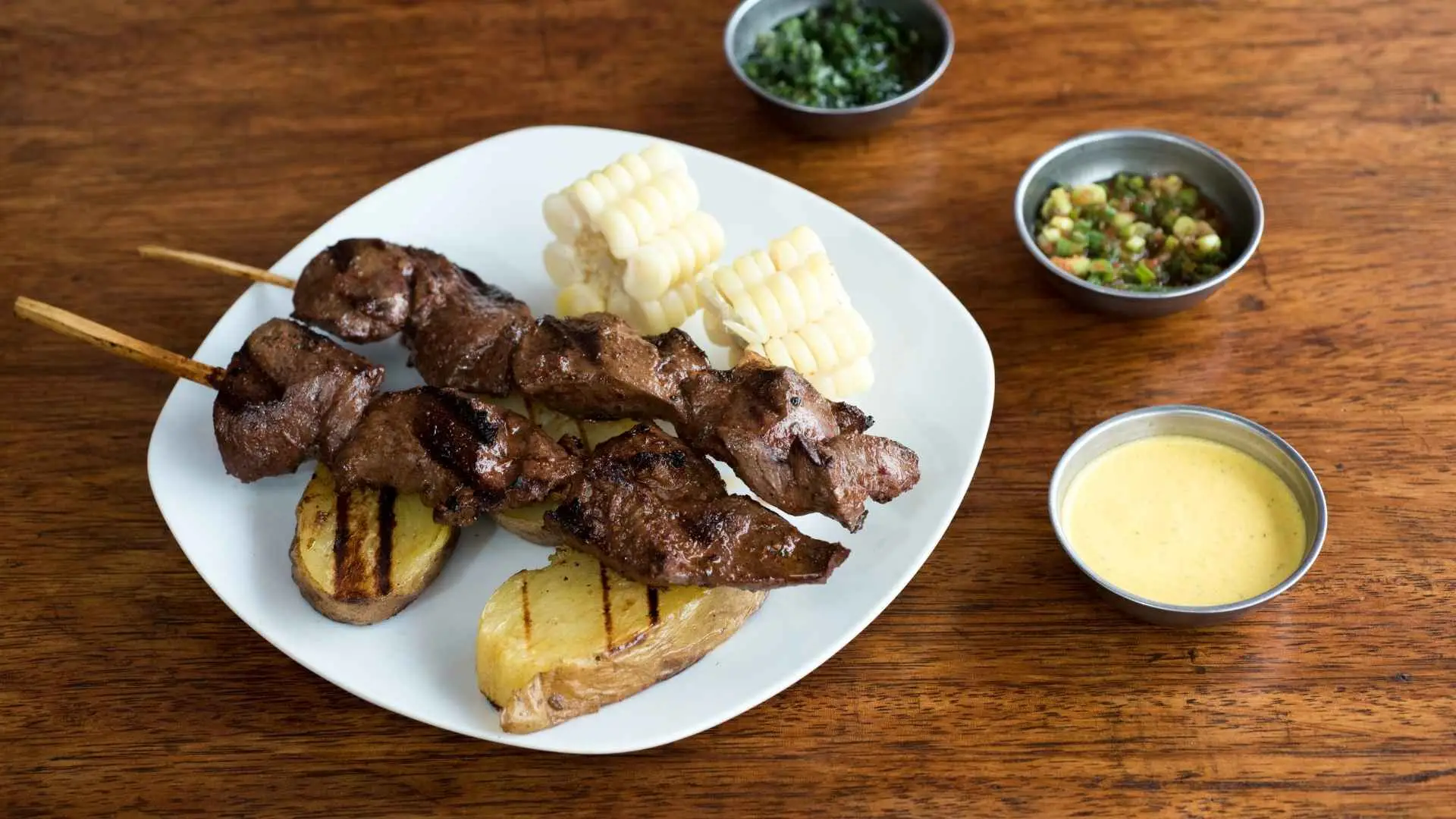
This is the best street food that Peru has to offer. Skewers of beef heart marinated in vinegar, garlic, and chili, then grilled over open flames and served with potato and corn on the cob. The flavor is smoky and bold. Many who try it once end up ordering seconds. It’s the kind of food you eat while chatting with locals at night markets.
7. Rocoto Relleno
This is the spiciest food in Arequipa, made with peppers. Mince meat, onions, eggs, and peanuts are used to stuff it. It is baked with cheese. The combination of these flavours is just right. Peru travel tips say that you can skip it, as it can be very spicy.
8. Carapulcra
The dish is a stew that has dried potatoes, pork, peanuts, and red peppers. The dried potatoes add a certain chewiness to the stew. They also contribute to its deep and earthy flavor. This one is slow-cooked and hearty.
9. Pachamanca
The whole meal is a true Peru traditional food that is cooked underground. To roast meat, potatoes, beans, and corn inside a pit, chefs use hot stones. By the time the ingredients are ready, they have taken not only the smell of the earth but also of the herbs. It’s a dish for the people that is made for the gathering, mostly on weekends or at festivals. Eating Pachamanca is similar to becoming a part of the local festival.
10. Arroz con Pato
This is a great meal from the north that combines rice with duck. The rice gets its green color from the herbs. The duck meat is made tender during the cooking process. The taste is intense, a little bit sweet, and loaded with spices. This is one of those dishes that tastes like they were made at home.
5 Dishes Every Visitor Should Try First
Ceviche: because it defines Peru’s coast.
Lomo Saltado: for LimaPeru food and a mix of influences.
Ají de Gallina: for creamy comfort.
Papa a la Huancaína: for the power of simple ingredients.
Anticuchos: for the smoky street charm.
5 Regional Plates Worth the Trip
When asking what the food is in Peru, these are the ones you should definitely try:
Rocoto Relleno: Arequipa’s proud signature.
Carapulcra: a taste of the highlands.
Pachamanca: cooked the traditional earth-oven way.
Causa Limeña: bright and full of flavor from the coast.
Arroz con Pato: a northern dish rich in herbs and warmth.
Conclusion
Peruvian cuisine feels very honest and close to your heart. It doesn’t have any artificial flavorings or any bad intentions. The recipes are made from the ingredients that are not only fresh but also locally available. Every Peru traditional food is a medium that communicates the origin and the maker of it. Local food is the best way to know the culture. Try to eat local food instead of tourist food. Share plates, inquire, and be slow. Each and every meal is a journey to the core of the country.
Goxplore Peru is a tourism operator company. With over 7 years of experience in the Peruvian market, we are committed to providing exceptional services. We offer personalized and professional attention at competitive prices.
Official endorsement
Associations & Certifications
We operate under the regulations and standards of Peru's leading tourism entities.